
Fast falls the eventide — History & Facts
What if beauty was never meant to be finished? In the twilight of existence, the lingering glow of day flirts with shadows, each brushstroke whispering a tale of yearning and the unfulfilled. Look to the horizon, where the molten hues of orange and gold blend seamlessly with deepening blues and purples. The gentle transition of light captures the moment just before nightfall, serving as a reminder of the day’s fleeting beauty. Notice how the soft, swirling clouds seem to embrace the fading sun, their delicate forms contrasting the solidity of distant trees, drawing your eye toward the ethereal dance of dusk. As you delve deeper, you may sense a tension between the vibrant color palette and the encroaching darkness.
The landscape, while lush and inviting, embodies a sense of longing, as if it yearns for the light to linger just a little longer. Each element in the scene, from the vibrant foliage to the dimming sky, reflects a poignant juxtaposition of hope and melancholy, inviting viewers to contemplate what is lost as day gives way to night. Created in 1896, this piece emerged during an era of grand artistic exploration, where Harlow resided in the United States amidst the heightened interest in Impressionism. At this time, artists began to embrace the emotional resonance of natural landscapes, capturing fleeting moments of beauty that mirrored the complexities of their own lives.
Each stroke in Fast falls the eventide speaks to the heart of this transition, a testament to the artist's evolving perspective and the world around him.
More Artworks by Louis Kinney Harlow
Browse all →
West Chop Light, Vineyard Sound, Mass.
Louis Kinney Harlow
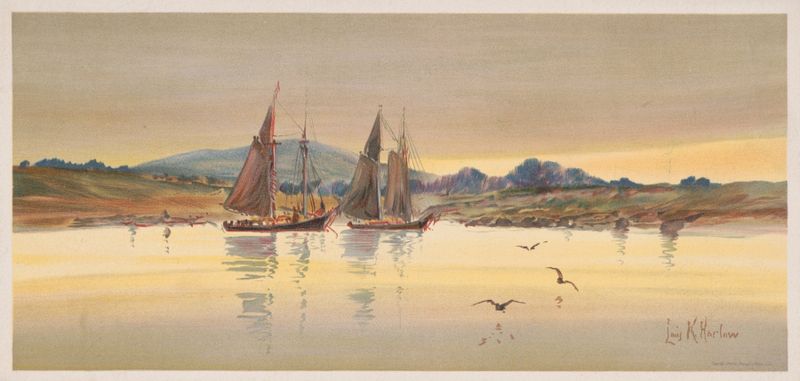
Sunset in Rockland Harbor
Louis Kinney Harlow
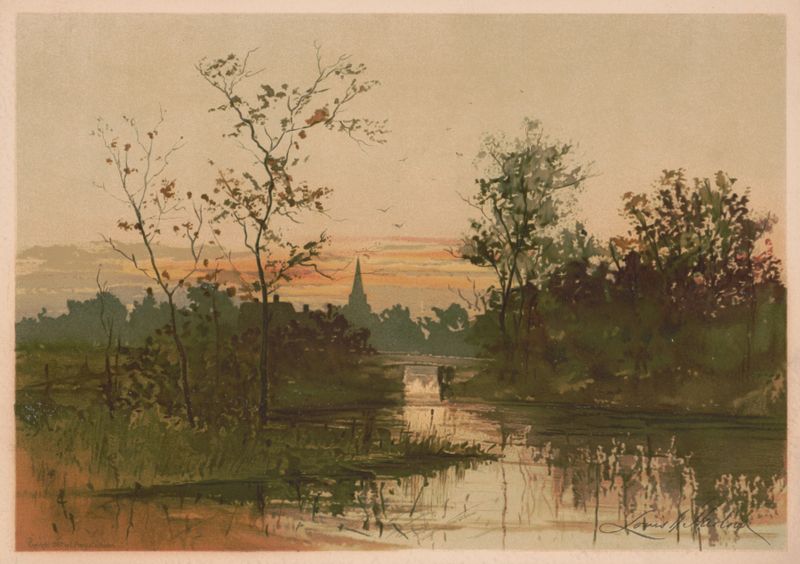
Nemasket River, Maine
Louis Kinney Harlow
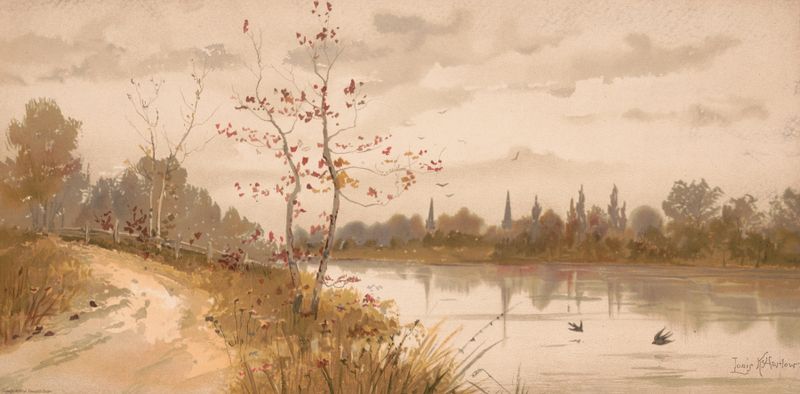
A river path
Louis Kinney Harlow

Castine, Maine
Louis Kinney Harlow

A bit of Monhegan, Maine
Louis Kinney Harlow
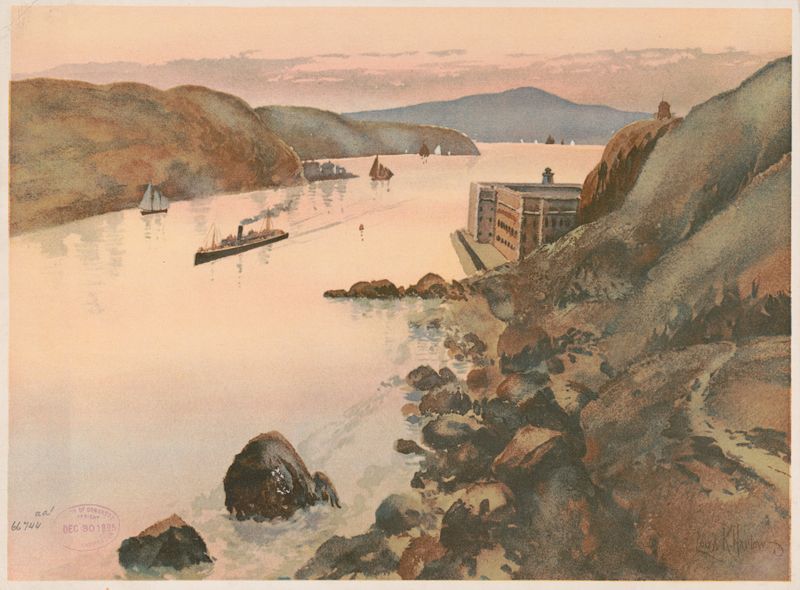
Fortifications and Golden Gate
Louis Kinney Harlow

Blue Hills, Camden, Me.
Louis Kinney Harlow

Near Boothbay Harbor, Maine coast
Louis Kinney Harlow

Evening rest
Louis Kinney Harlow





