Faultierbaum — History & Facts
Faultierbaum presents a lush, vibrant depiction of a sloth tree. The painting is filled with rich greens and browns, showcasing the tree's textured bark and sprawling branches. Sloths can be seen nestled among the leaves, their fur blending harmoniously with the foliage.
The overall composition creates a sense of tranquility and connection with nature. The painting is executed in oil on canvas, allowing for a depth of color and detail that enhances the naturalistic portrayal. The brushwork is meticulous, capturing the intricate details of the leaves and the sloths themselves. The dimensions are approximately 80 x 100 cm, making it a sizable work that invites close examination.
The realistic style reflects the artist's dedication to botanical accuracy. Ferdinand Keller was known for his detailed botanical studies, and Faultierbaum exemplifies this focus. Created in the 1860s, this work reflects the growing interest in natural history during that period. An interesting fact about this painting is that it showcases not just the beauty of the sloth tree but also the ecological importance of such habitats.
Keller's work contributes to our understanding of the relationship between flora and fauna.
More Artworks by Ferdinand Keller

Türkenlouis
Ferdinand Keller
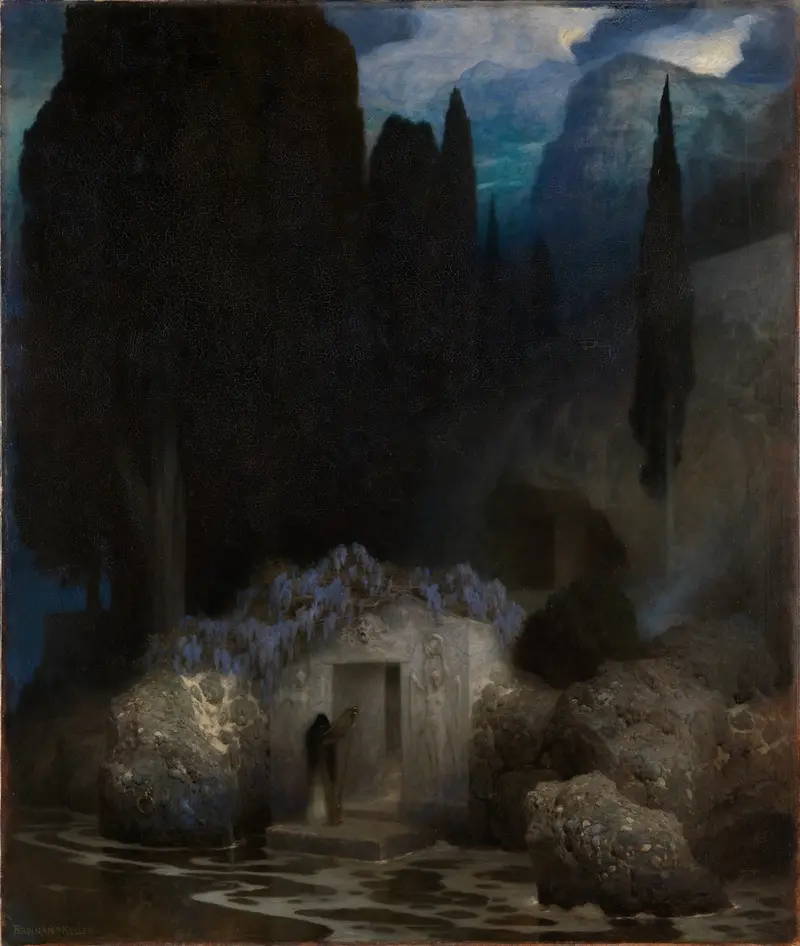
Böcklins Grab
Ferdinand Keller

Reisende in Brasilien
Ferdinand Keller

Markt in Rio
Ferdinand Keller
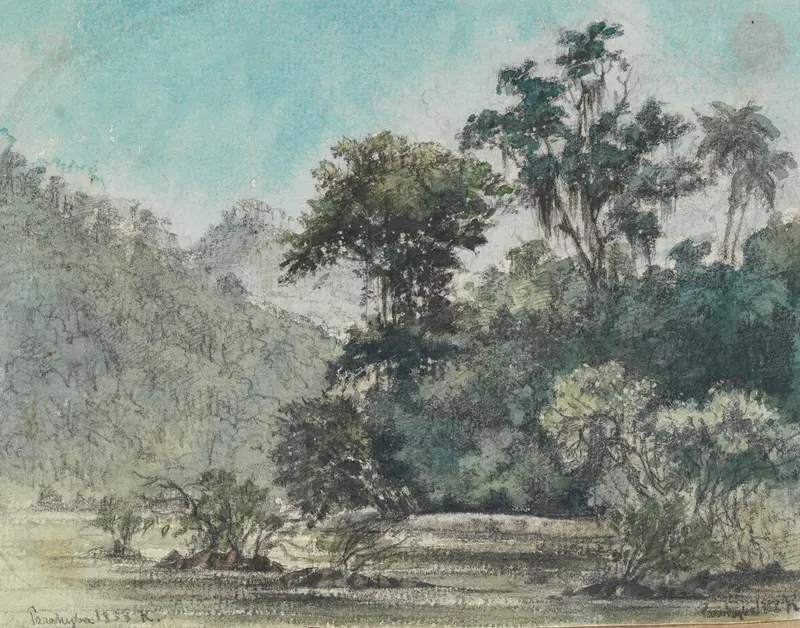
Blick auf das bewaldete Flussufer
Ferdinand Keller
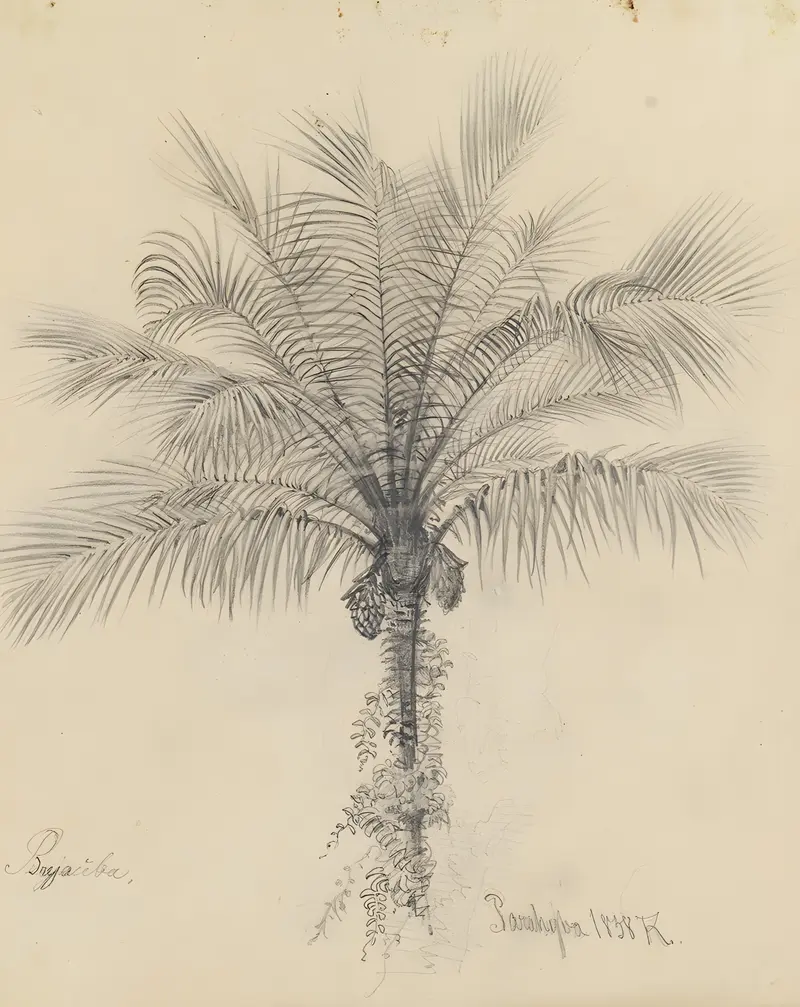
Palmstudie II
Ferdinand Keller
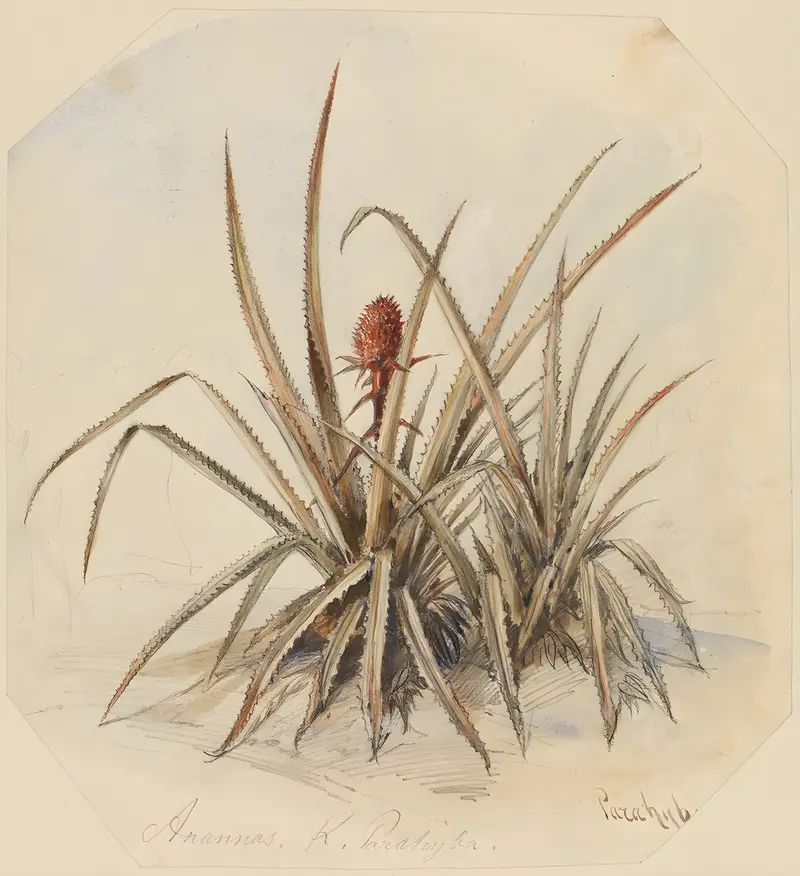
Blühende Ananas
Ferdinand Keller
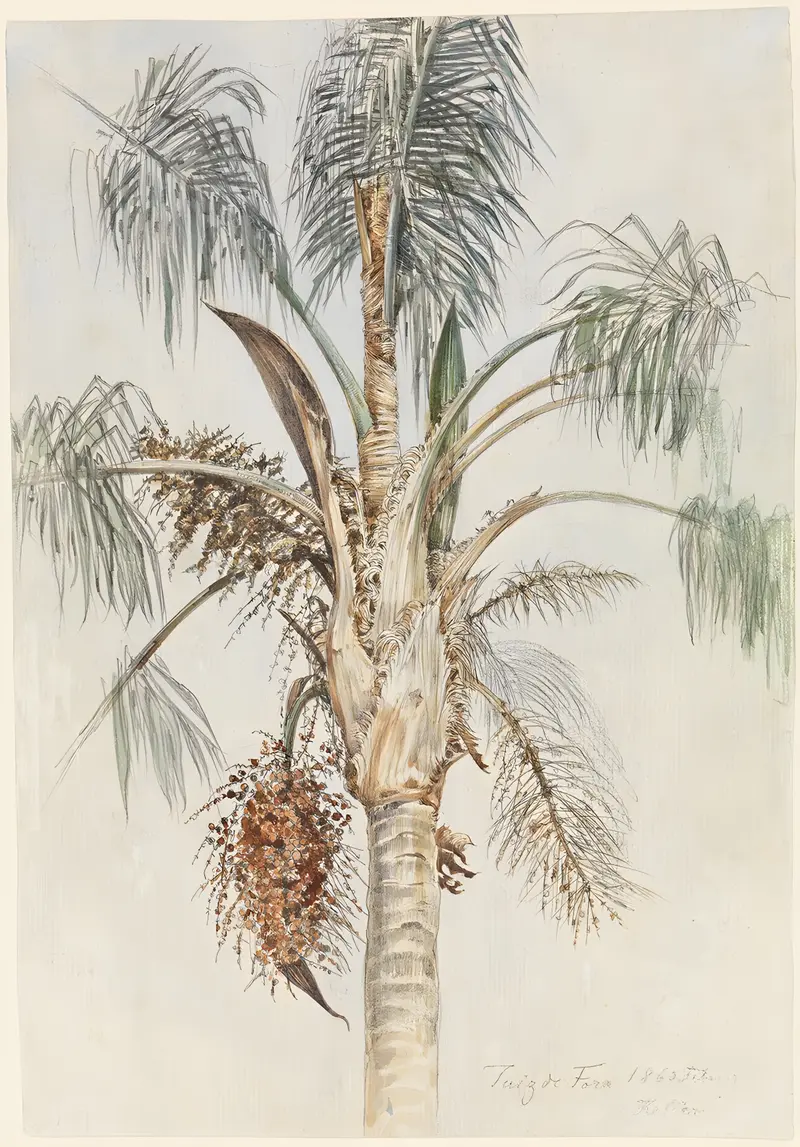
Krone einer Palme (Syagrus macrocarpa) in Juiz de Fora
Ferdinand Keller
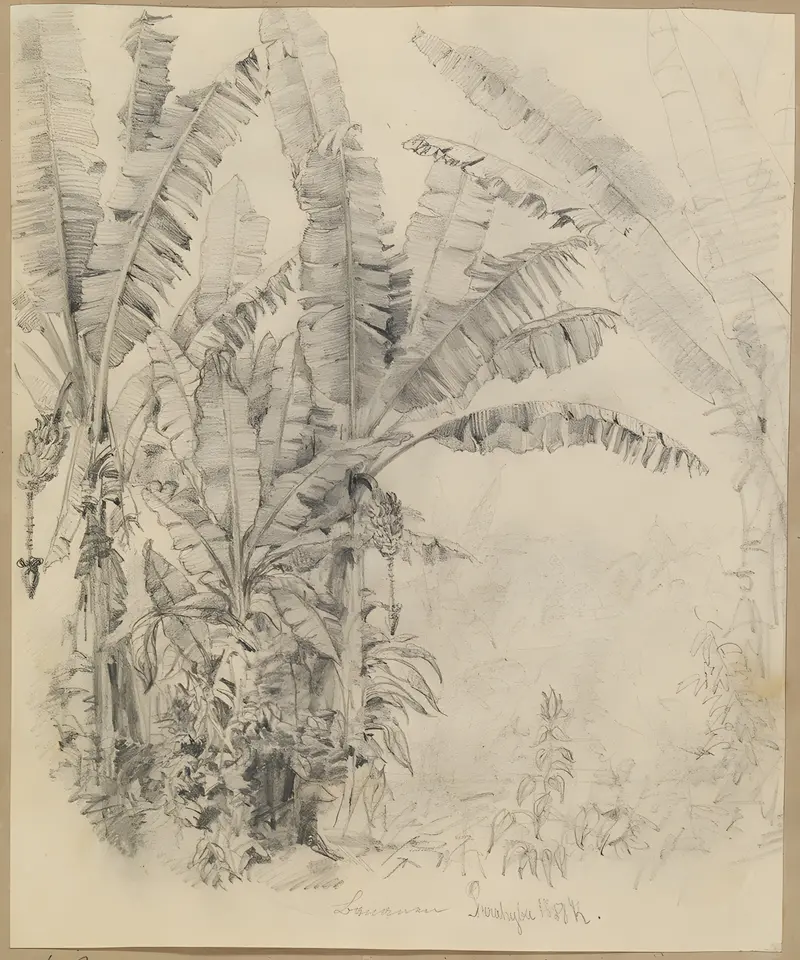
Im Urwald- Palmengewächse
Ferdinand Keller

Diana
Ferdinand Keller