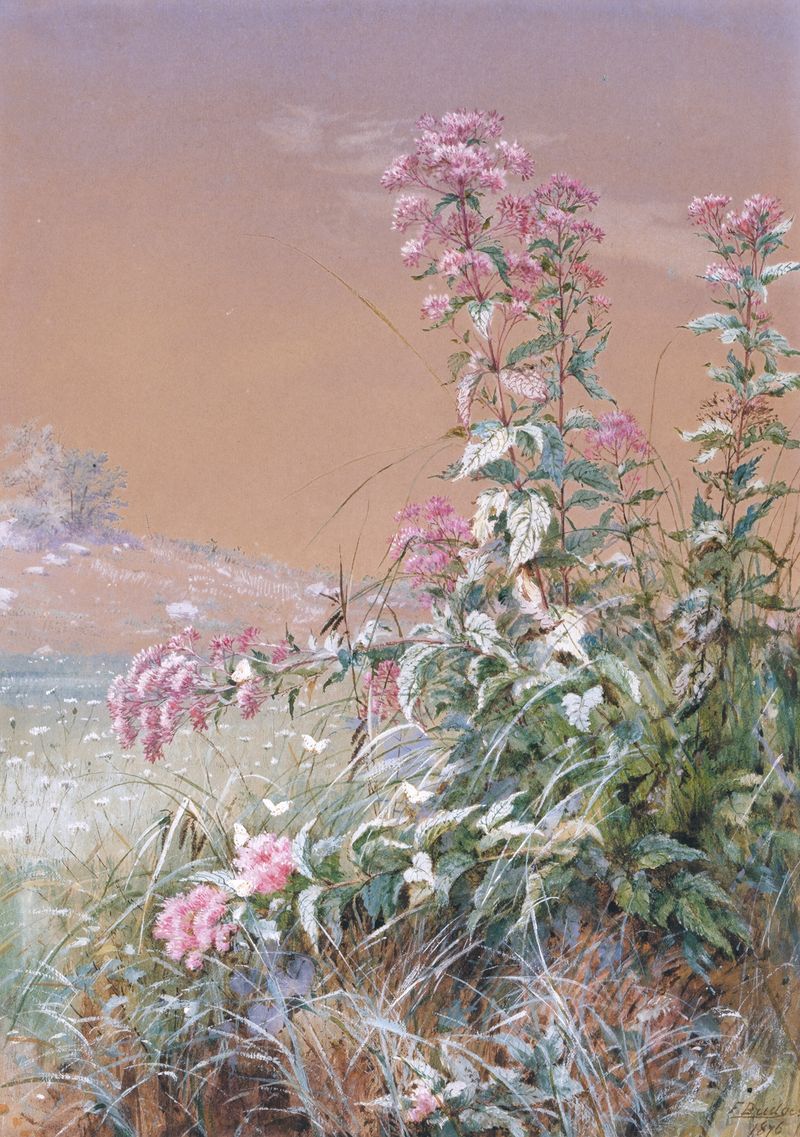
February — History & Facts
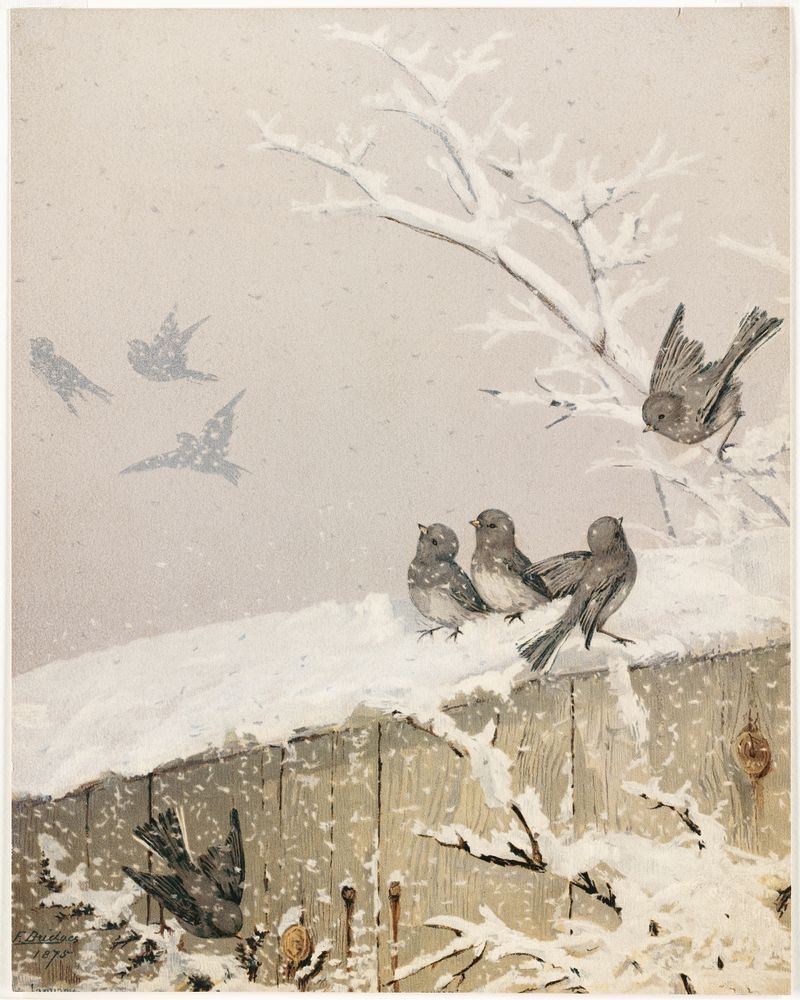
Where does light end, and longing begin? In the depths of February, this question hangs in the air, palpable and haunting, as if whispering the secrets of winter's chill and solitude. Look to the center of the canvas, where a delicate arrangement of barren branches extends toward a pale, almost ethereal sky. The muted hues of gray and white create a somber atmosphere, inviting contemplation. Notice how light filters through the branches, casting intricate shadows that dance upon the snow-laden ground.
Each stroke reveals the artist’s meticulous attention to detail, allowing nature’s stark beauty to resonate with introspective emotion. This piece encapsulates the tension between desolation and beauty. The starkness of the bare trees symbolizes emptiness, while the soft light suggests the gentle hope of renewal that lies just beyond the horizon. The juxtaposition of cold, hard reality and the light’s tender caress evokes a visceral longing for warmth and connection, ultimately transforming a bleak winter scene into a poignant meditation on yearning. Fidelia Bridges created February in 1875, a period marked by her exploration of nature and the interplay of light and emotion.
Working primarily in Massachusetts, she was part of a movement that celebrated the American landscape, yet she infused her work with a sensitivity that set her apart. During this time, she faced personal challenges, including the loss of family members, which deepened her connection to themes of solitude and introspection within her art.