
Felsige Gegend an einem Fluß — History & Facts
What if beauty was never meant to be finished? In Felsige Gegend an einem Fluß, a raw landscape unfolds, inviting contemplation and revealing the bittersweet tension between nature's allure and the shadows of human emotion. The rugged rocks and flowing waters whisper secrets of a world where perfection remains tantalizingly out of reach. Look to the left at the jagged cliffs, their sharp edges cloaked in a gentle mist that dances with the light. Notice how the artist's brushwork captures the chaotic energy of the water, swirling and lapping against the stones, each stroke imbued with life.
The color palette, dominated by earthy browns and soft greens, creates a harmonious yet somber balance, drawing attention to the serene yet tumultuous relationship between land and river. As you immerse yourself in the scene, subtle details emerge—perhaps a lone figure perched on a stone, their presence both anchoring and isolating within the vast landscape. The interplay of shadow and light evokes feelings of longing and betrayal, suggesting a deeper narrative beneath the surface beauty. The contrast between the calm river and the jagged cliffs may symbolize the struggle between tranquility and turmoil, reflecting the complexity of human emotions intertwined with nature. In 1756, during a time when the art world was shifting towards Romanticism, the artist crafted this piece in Germany, a period marked by a growing fascination with nature’s sublime beauty and emotional depth.
As Dietrich navigated the evolving landscape of art, he embraced the tension between the idealized and the real, inviting viewers to ponder the unfinished narratives hidden within his landscapes.
More Artworks by Christian Wilhelm Ernst Dietrich
Browse all →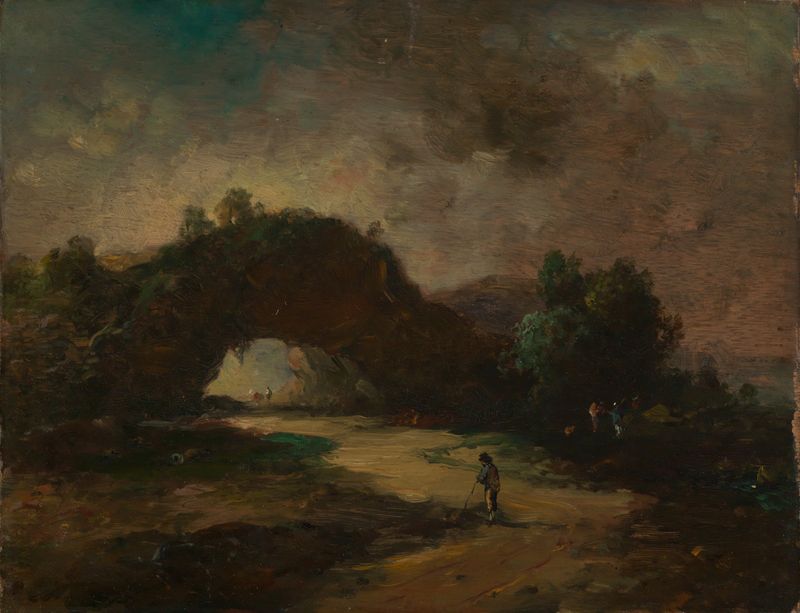
Landschaft mit einem von Buschwerk überwachsenen Felsenbogen
Christian Wilhelm Ernst Dietrich
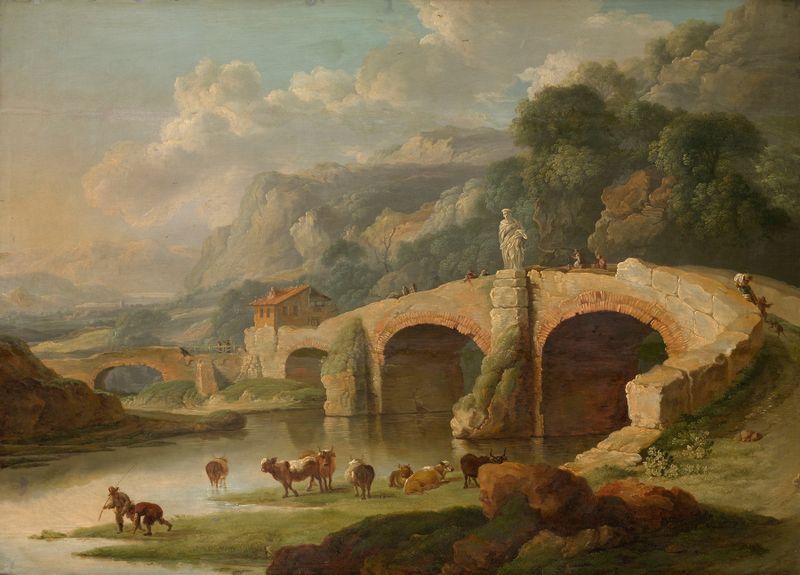
Italian Landscape
Christian Wilhelm Ernst Dietrich
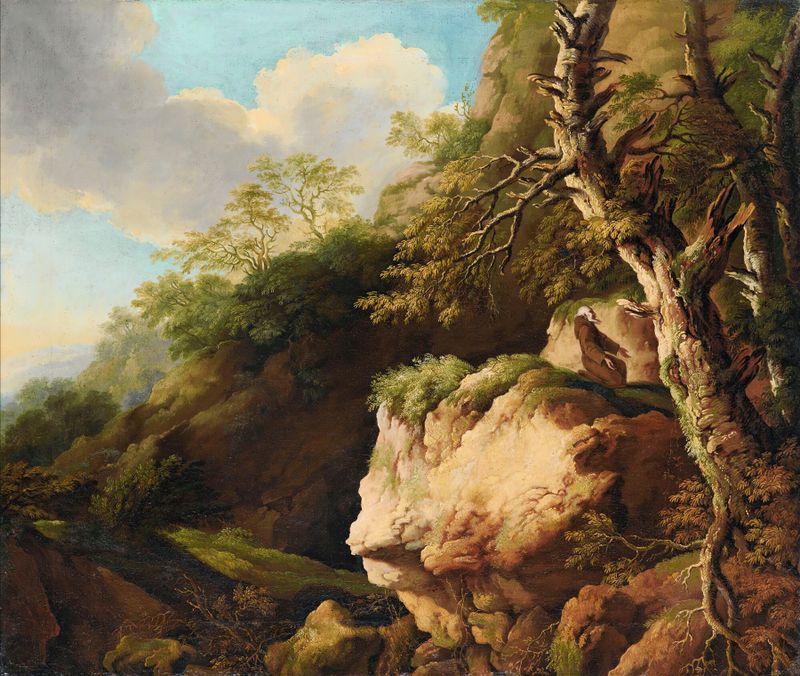
Landscape with a Franciscan monk
Christian Wilhelm Ernst Dietrich
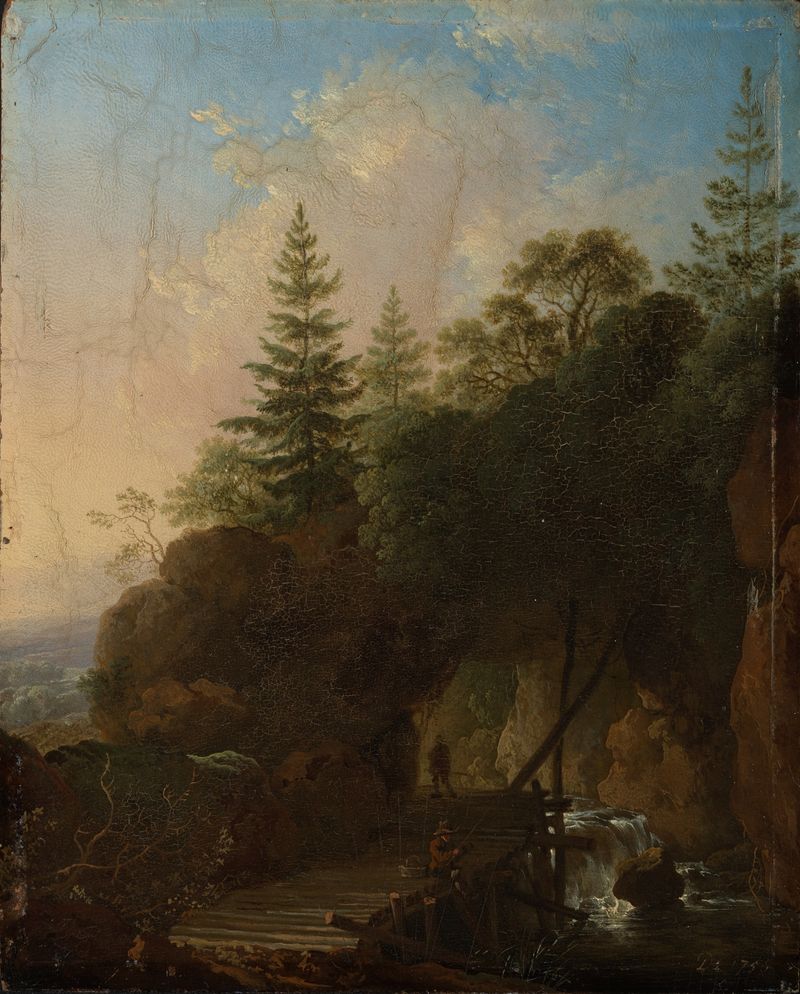
Gebirgslandschaft mit Wasserfall und hölzerner Brücke
Christian Wilhelm Ernst Dietrich

Scene from rural life
Christian Wilhelm Ernst Dietrich
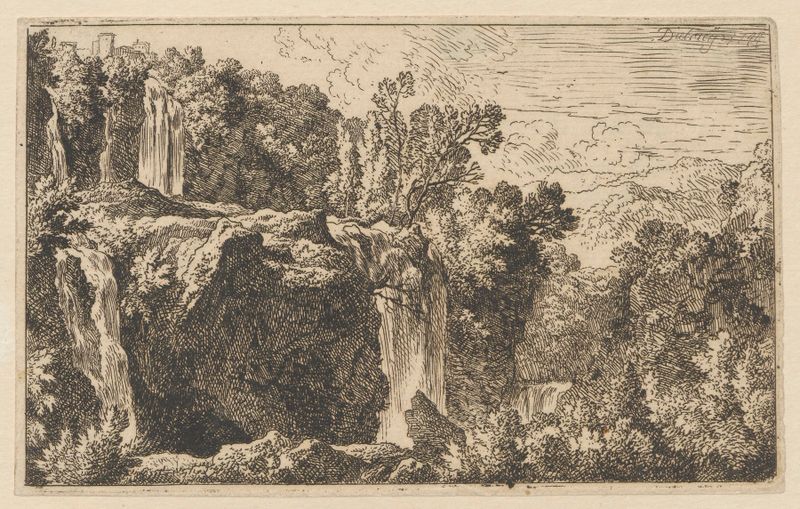
Landscape with a waterfall in Tivoli
Christian Wilhelm Ernst Dietrich
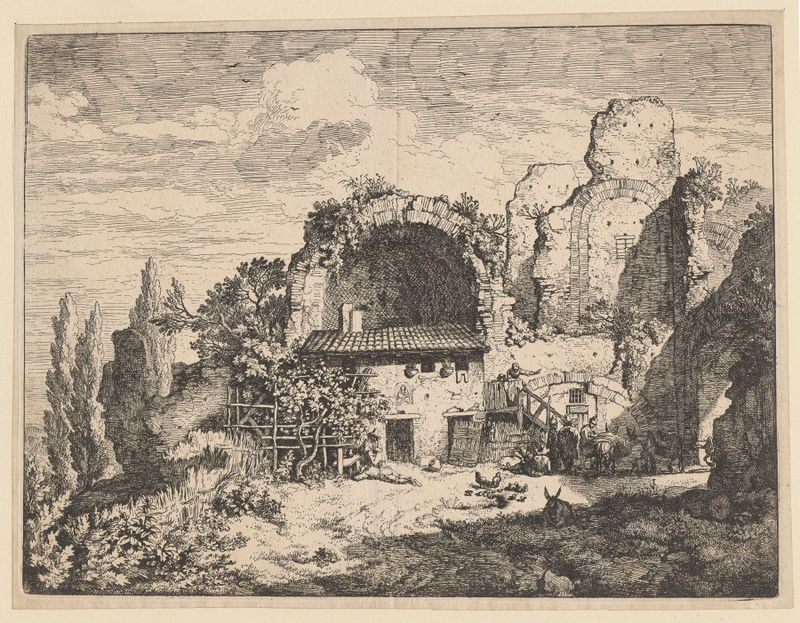
Landscape with ruins and farm buildings
Christian Wilhelm Ernst Dietrich

Landscape with a nymph sitting on a rock and two cupids
Christian Wilhelm Ernst Dietrich
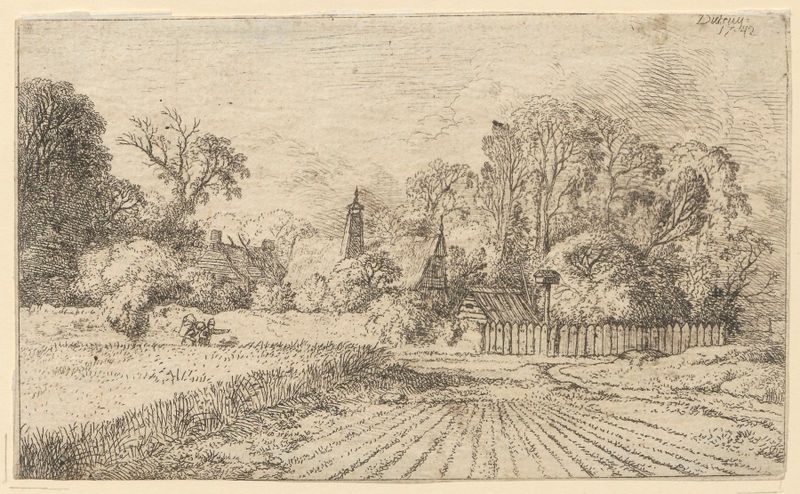
Landscape with rural buildings (Road next to a corn field)
Christian Wilhelm Ernst Dietrich
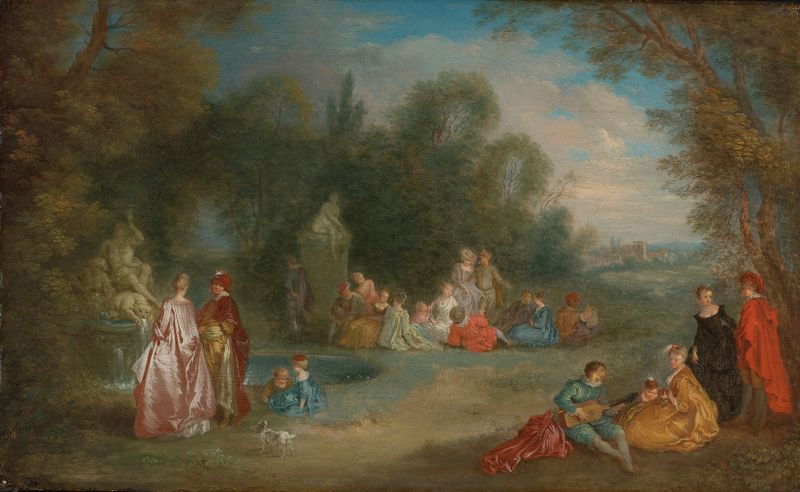
Fête Champêtre
Christian Wilhelm Ernst Dietrich





