
Landscape with rural buildings (Road next to a corn field) — History & Facts
Can paint confess what words never could? The whisper of nostalgia lingers in every brushstroke, inviting us to wander through a memory of simpler times. Focus on the left side of the canvas where the rural buildings nestle against the horizon, their weathered facades glowing warmly in the afternoon sun. The cool greens of the cornfield stretch out invitingly, guiding the viewer’s gaze toward the soft undulations of the land. Notice how the delicate play of light and shadow creates a sense of depth, accentuating both the serenity of the scene and the subtle movement of the crops swaying gently in the breeze. The juxtaposition of man-made structures with the organic landscape speaks to the harmony between human life and nature.
The towering corn stalks serve as a reminder of nature’s bounty, while the rustic buildings evoke a sense of history and community. Small details, like the winding road that beckons the viewer onward, highlight the simplicity and beauty of rural existence, suggesting both a physical journey and a deeper emotional exploration of belonging and nostalgia. In 1742, Christian Wilhelm Ernst Dietrich was working in Germany, a period marked by the Rococo movement, which celebrated the beauty of nature and pastoral life. He painted this landscape during a time of personal and artistic evolution, as he sought to balance the romantic ideals of nature with the realities of rural life.
This work reflects not only his artistic vision but also the cultural milieu that valued pastoral scenes as a serene escape from the complexities of urban existence.
More Artworks by Christian Wilhelm Ernst Dietrich
Browse all →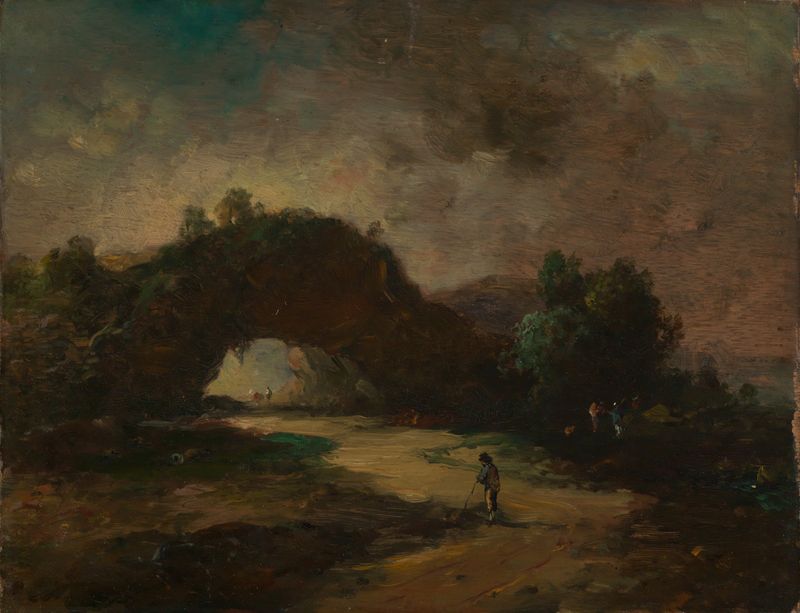
Landschaft mit einem von Buschwerk überwachsenen Felsenbogen
Christian Wilhelm Ernst Dietrich
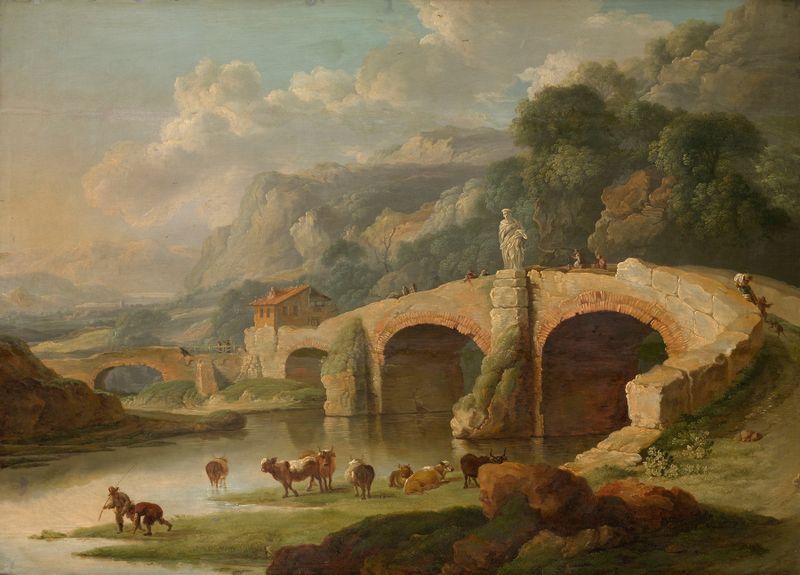
Italian Landscape
Christian Wilhelm Ernst Dietrich
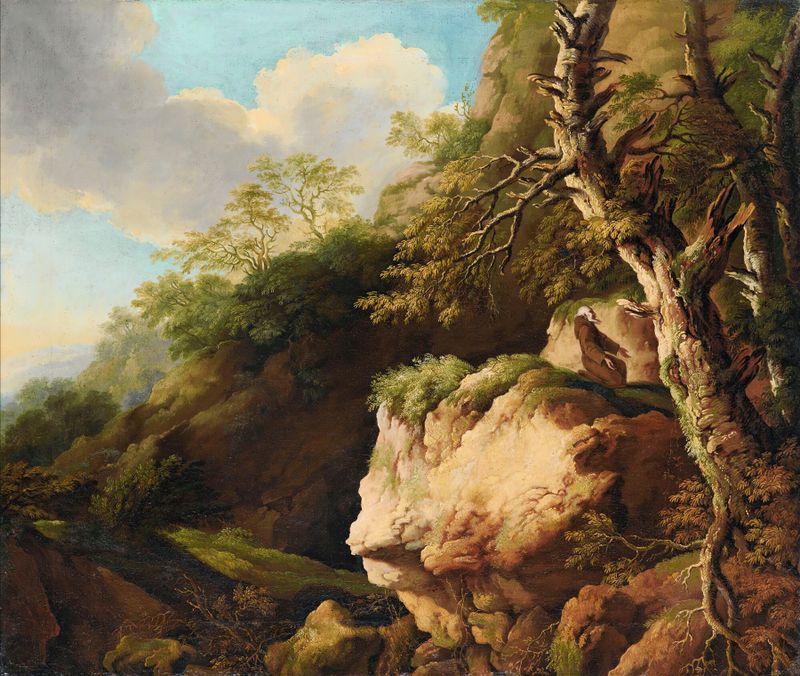
Landscape with a Franciscan monk
Christian Wilhelm Ernst Dietrich
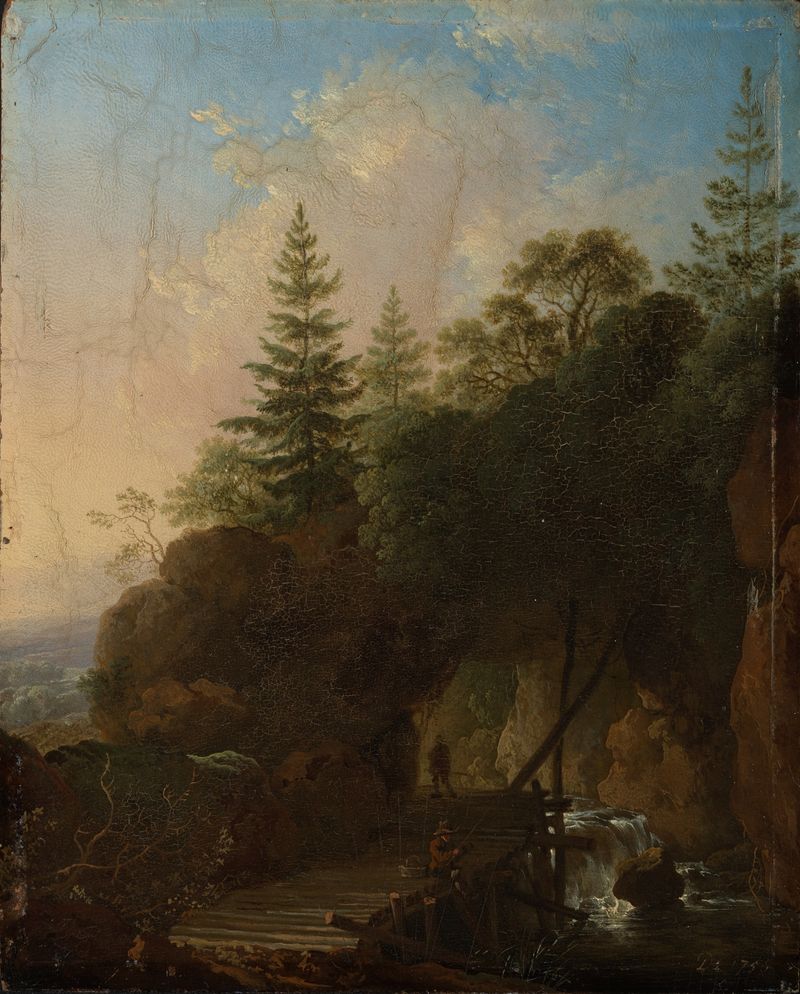
Gebirgslandschaft mit Wasserfall und hölzerner Brücke
Christian Wilhelm Ernst Dietrich

Scene from rural life
Christian Wilhelm Ernst Dietrich
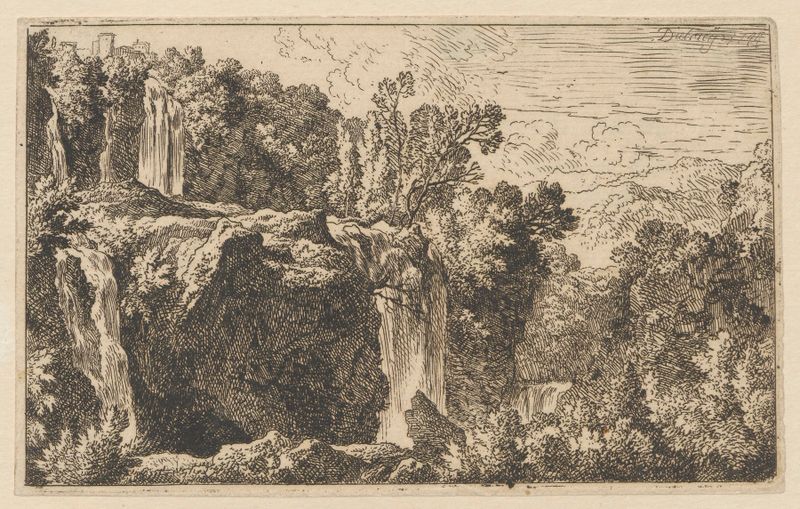
Landscape with a waterfall in Tivoli
Christian Wilhelm Ernst Dietrich
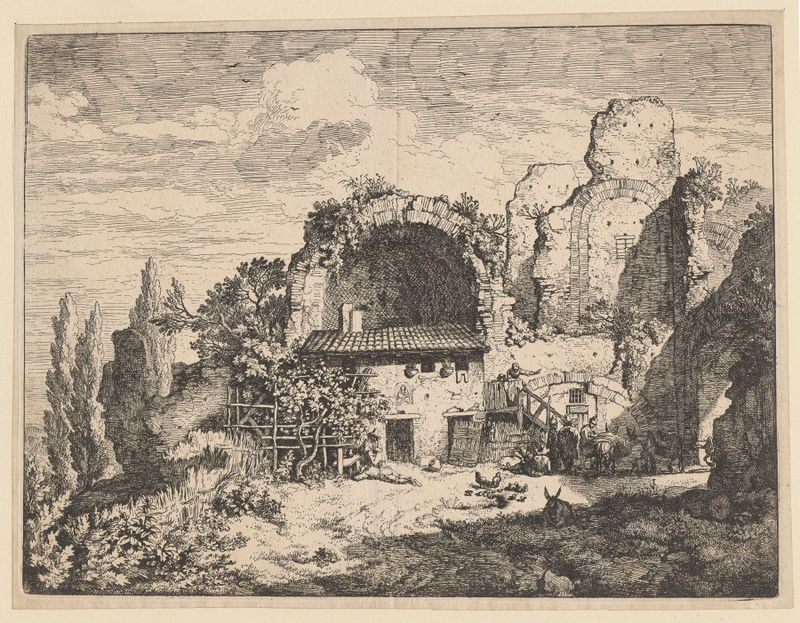
Landscape with ruins and farm buildings
Christian Wilhelm Ernst Dietrich
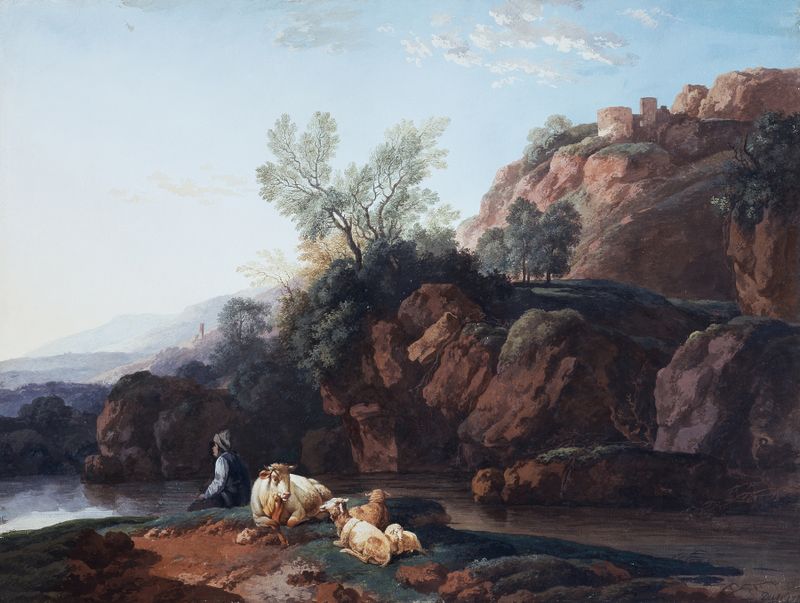
Felsige Gegend an einem Fluß
Christian Wilhelm Ernst Dietrich

Landscape with a nymph sitting on a rock and two cupids
Christian Wilhelm Ernst Dietrich
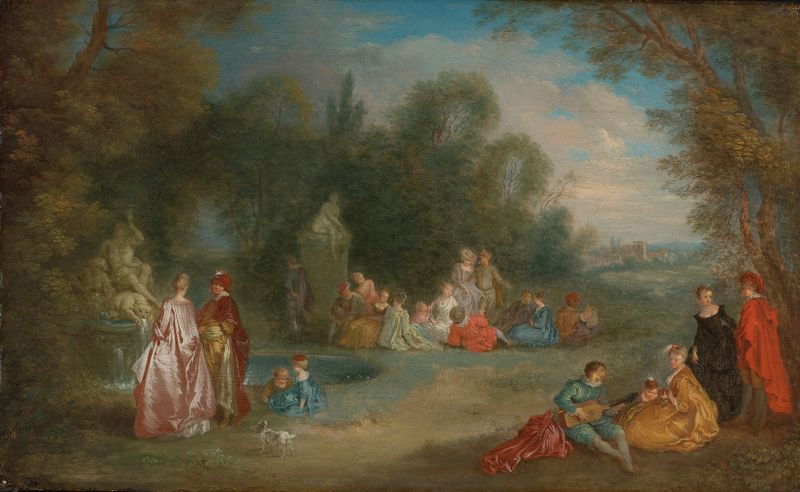
Fête Champêtre
Christian Wilhelm Ernst Dietrich





