
Gebirgslandschaft mit Wasserfall und hölzerner Brücke — History & Facts
What secret hides in the quiet of the canvas? The serene juxtaposition of nature and the delicate touch of human craftsmanship invites the viewer into a world brimming with transformation and tranquility. Look to the left at the cascading waterfall, its crystalline water glistening under a soft, muted light. The artist’s brushwork creates a sense of movement, drawing the eye toward the wooden bridge arching gracefully over the stream. The rich greens and earthy browns of the landscape contrast beautifully against the pale blue sky, suggesting harmony between the natural world and man's gentle interventions.
Each stroke reveals a meticulous attention to detail, allowing the tranquil ambiance to envelop the viewer. Yet, beneath the surface tranquility lies a deeper narrative. The waterfall symbolizes life's relentless flow and the inevitability of change, while the bridge serves as a conduit between the untamed wilderness and human presence. Shadows cast by the trees hint at the fleeting nature of time, suggesting that transformation is an ongoing process, both in nature and within ourselves.
This visual interplay of light and shadow creates a tapestry of emotions, evoking contemplation and a sense of connection to the environment. In 1756, Dietrich crafted this piece during a period when the Romantic movement began influencing artists across Europe. Working in Dresden, he found himself at the intersection of evolving artistic styles, combining elements of Rococo with a budding appreciation for nature’s sublime beauty. This landscape, steeped in both realistic detail and idealized harmony, reflects not only his personal vision but also the shifting paradigms of the art world during his time.
More Artworks by Christian Wilhelm Ernst Dietrich
Browse all →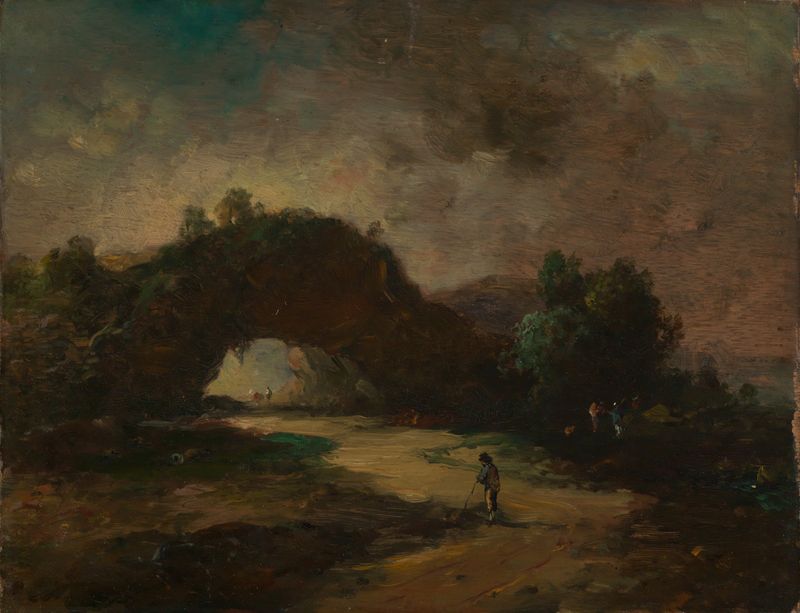
Landschaft mit einem von Buschwerk überwachsenen Felsenbogen
Christian Wilhelm Ernst Dietrich
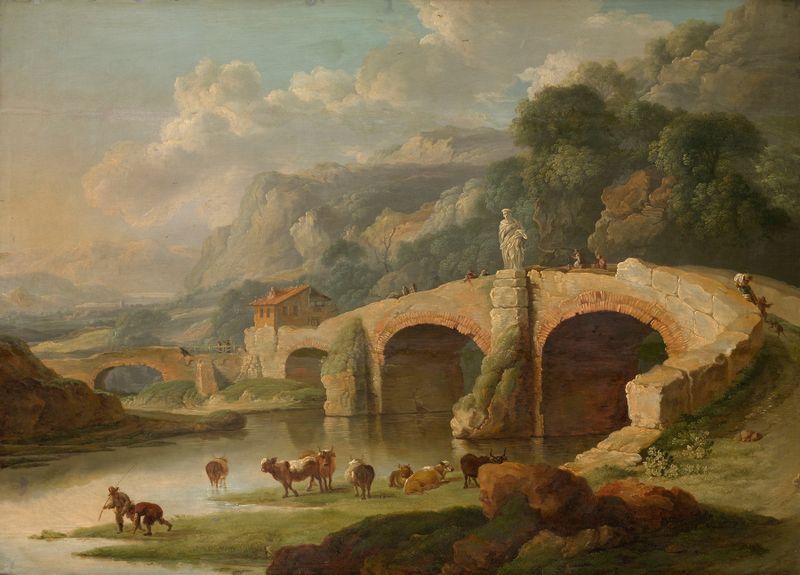
Italian Landscape
Christian Wilhelm Ernst Dietrich
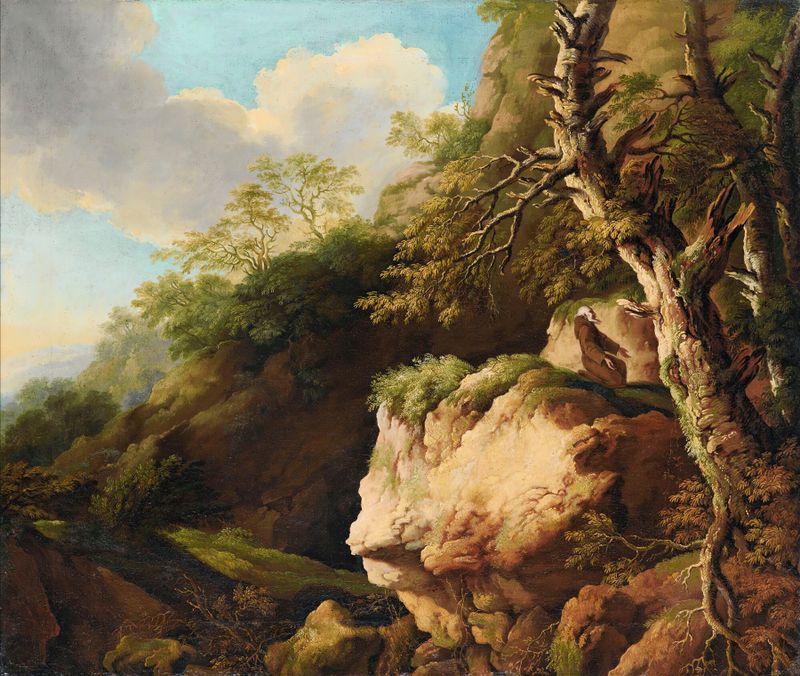
Landscape with a Franciscan monk
Christian Wilhelm Ernst Dietrich

Scene from rural life
Christian Wilhelm Ernst Dietrich
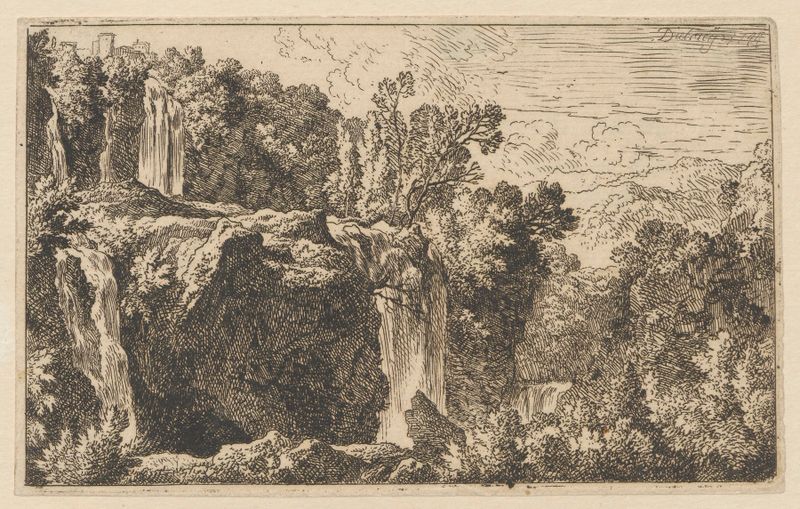
Landscape with a waterfall in Tivoli
Christian Wilhelm Ernst Dietrich
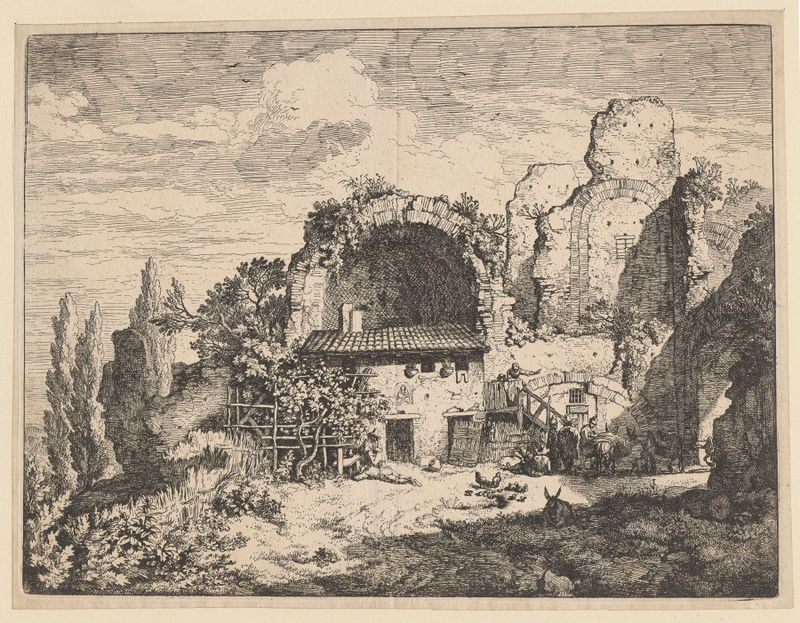
Landscape with ruins and farm buildings
Christian Wilhelm Ernst Dietrich
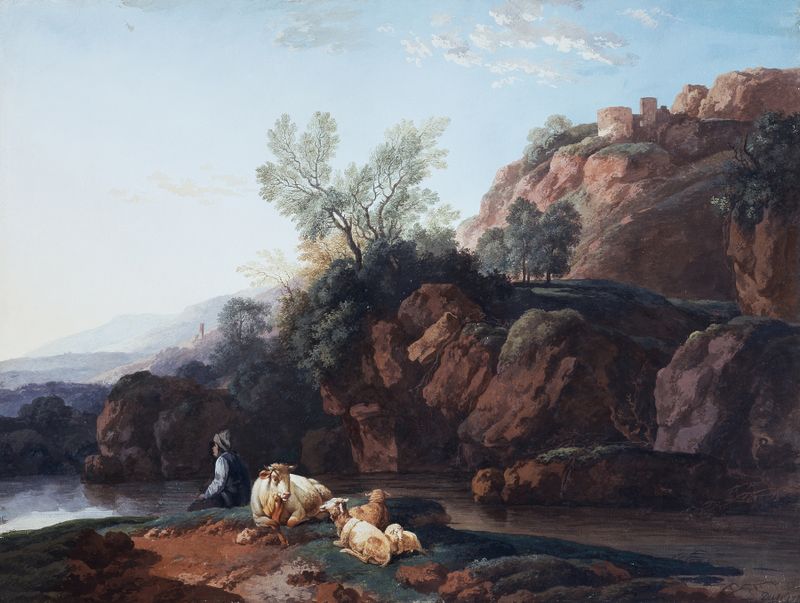
Felsige Gegend an einem Fluß
Christian Wilhelm Ernst Dietrich

Landscape with a nymph sitting on a rock and two cupids
Christian Wilhelm Ernst Dietrich
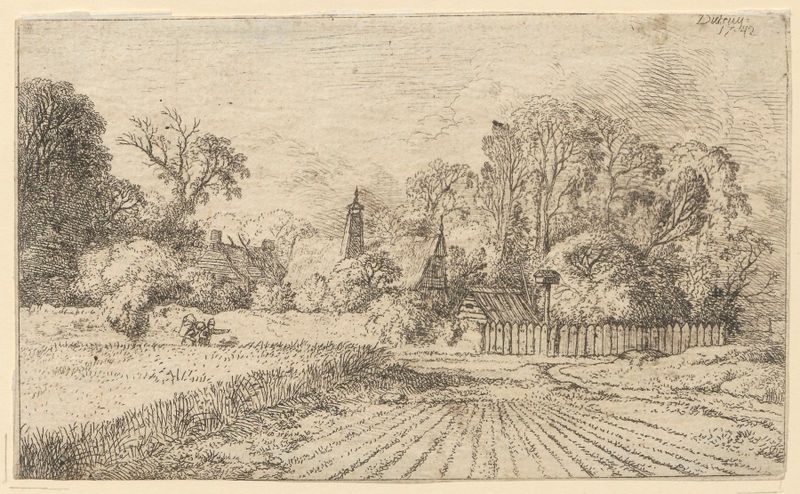
Landscape with rural buildings (Road next to a corn field)
Christian Wilhelm Ernst Dietrich
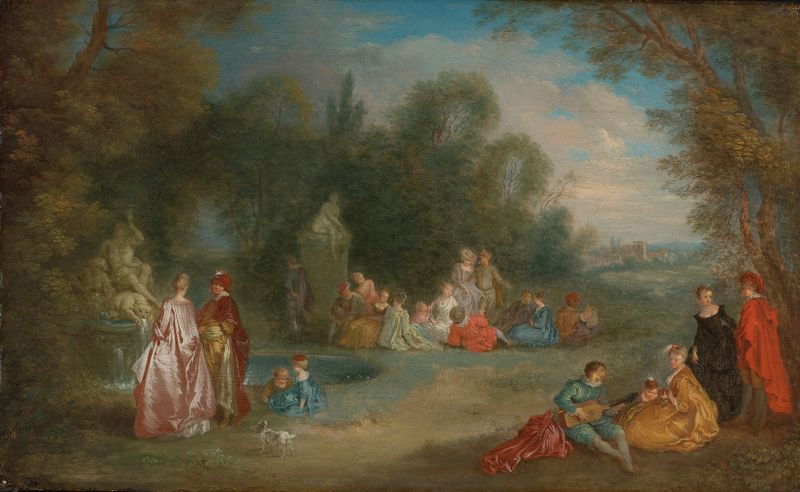
Fête Champêtre
Christian Wilhelm Ernst Dietrich





