
Landschaft mit einem von Buschwerk überwachsenen Felsenbogen — History & Facts
When did color learn to lie? The vibrant hues on canvas can mask deeper truths, masking violence beneath serene surfaces. Look to the foreground where a lush tapestry of green intertwines with the unseen, almost hidden rock arch. The brushwork dances effortlessly, leading your gaze upwards toward the brilliant blues of the sky, a sharp contrast to the earthy tones below. As you navigate the landscape, notice the meticulous details—the roughness of the rocks, the softness of the foliage—all meticulously rendered, contributing to a composition that feels alive, yet deceptively tranquil. Yet, beneath the beauty lies a tension that simmers just below the surface.
The interplay of light and shadow casts a duality on this landscape; the vibrant colors evoke peace, while the underlying shapes suggest an untamed wildness. This contradiction invites contemplation on the nature of paradise, hinting at violence just out of sight, as dense underbrush may conceal both beauty and menace, provoking thoughts about the fragility of harmony in nature. Created in the 18th century, this work exemplifies Christian Wilhelm Ernst Dietrich's engagement with the picturesque. Working during a period when Romanticism began to challenge Classical ideals, he painted in Dresden, a center of artistic innovation.
As the world shifted toward a deeper exploration of emotion and individual experience in art, Dietrich’s landscapes began to reflect not only beauty but also the complexities of the human spirit intertwined with nature's raw power.
More Artworks by Christian Wilhelm Ernst Dietrich
Browse all →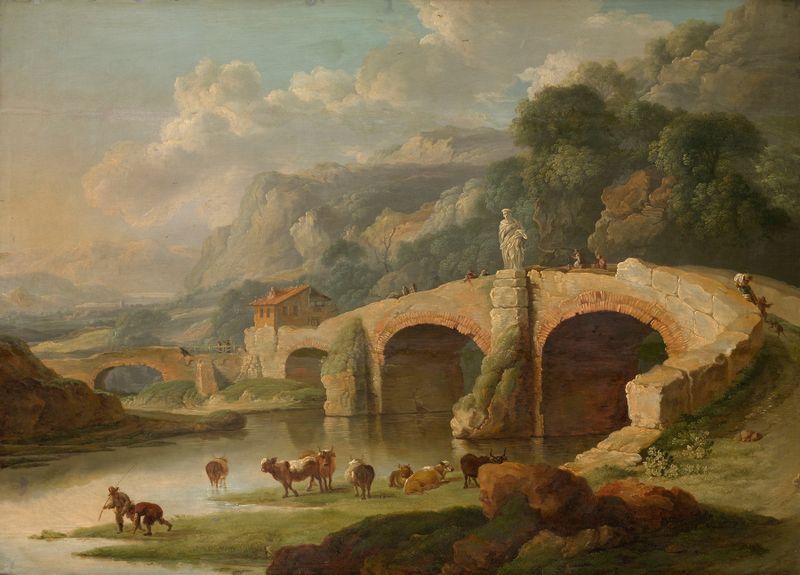
Italian Landscape
Christian Wilhelm Ernst Dietrich
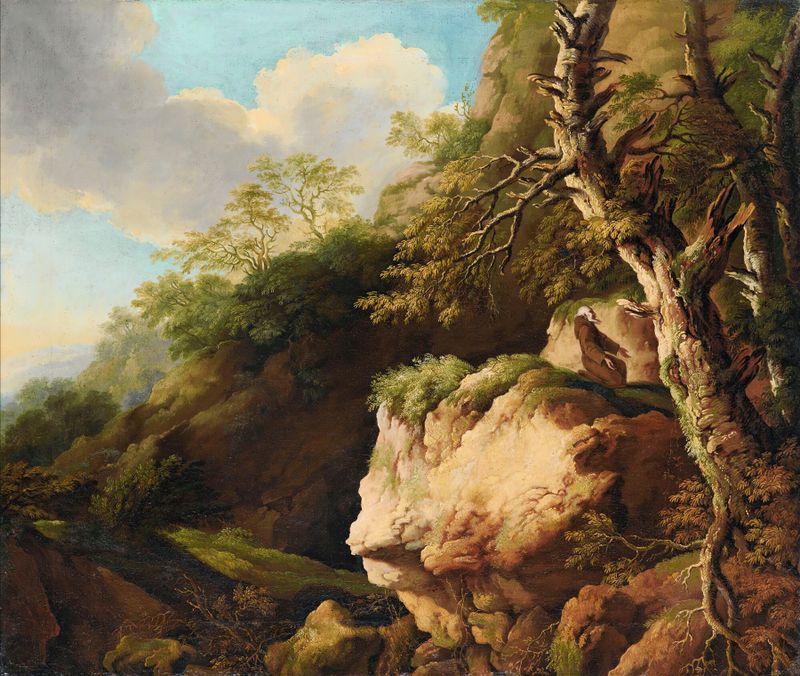
Landscape with a Franciscan monk
Christian Wilhelm Ernst Dietrich
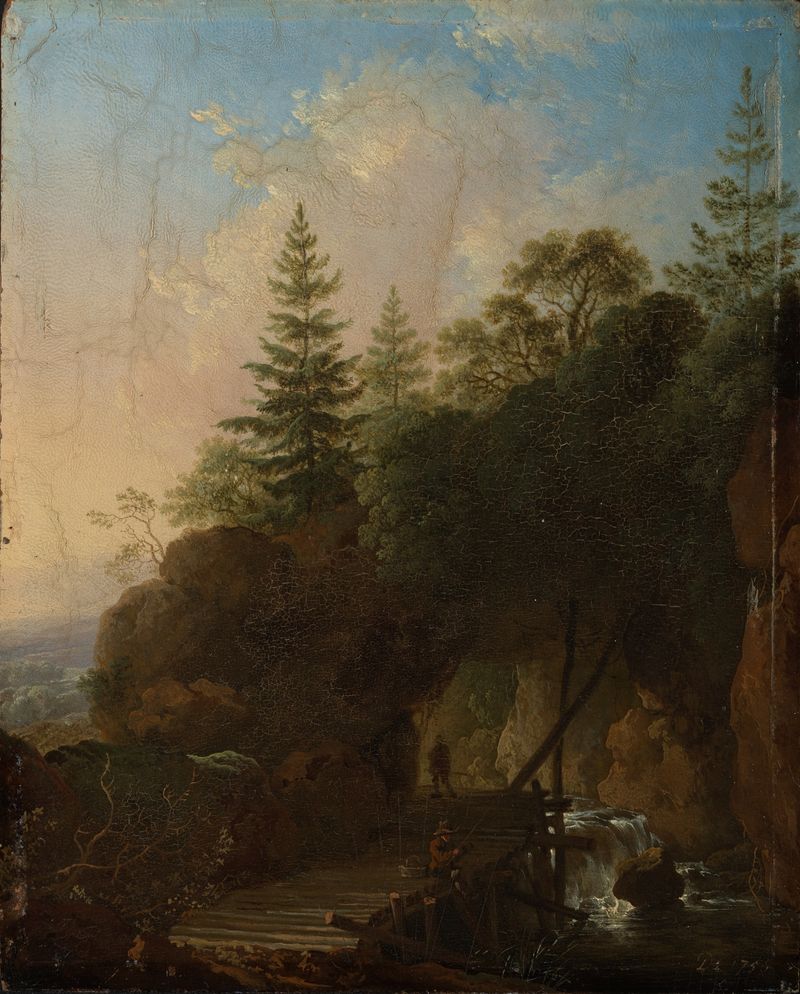
Gebirgslandschaft mit Wasserfall und hölzerner Brücke
Christian Wilhelm Ernst Dietrich

Scene from rural life
Christian Wilhelm Ernst Dietrich
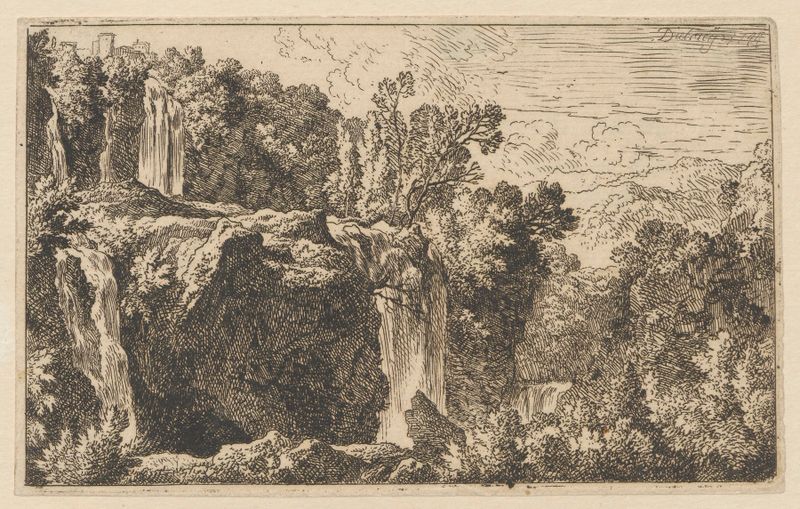
Landscape with a waterfall in Tivoli
Christian Wilhelm Ernst Dietrich
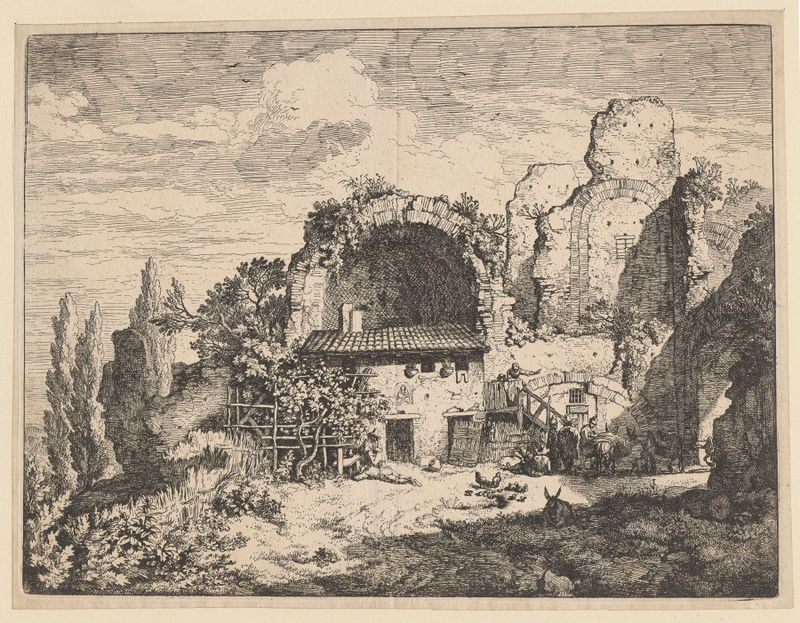
Landscape with ruins and farm buildings
Christian Wilhelm Ernst Dietrich
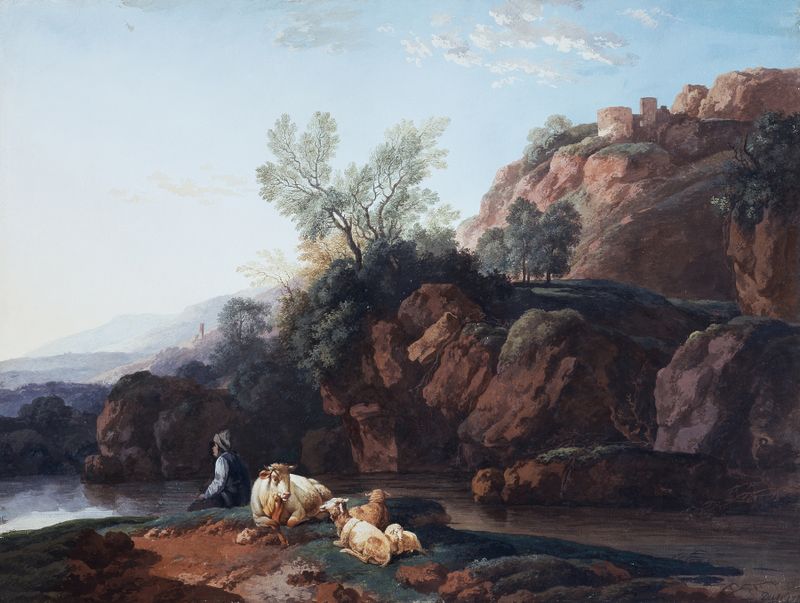
Felsige Gegend an einem Fluß
Christian Wilhelm Ernst Dietrich

Landscape with a nymph sitting on a rock and two cupids
Christian Wilhelm Ernst Dietrich
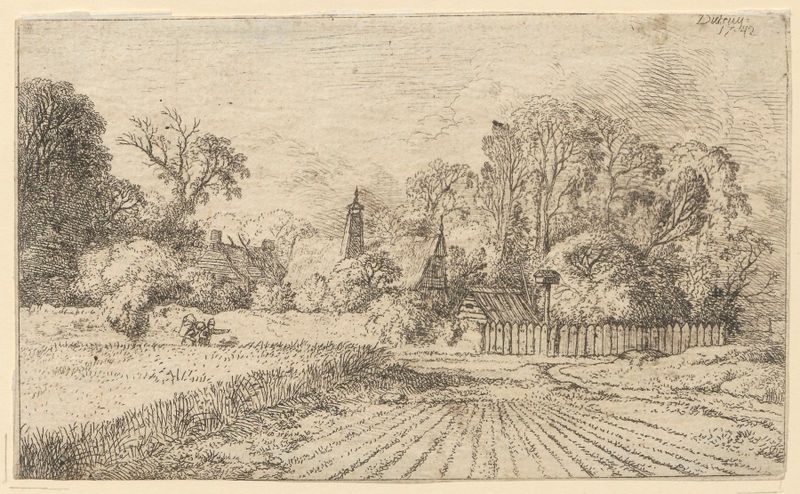
Landscape with rural buildings (Road next to a corn field)
Christian Wilhelm Ernst Dietrich
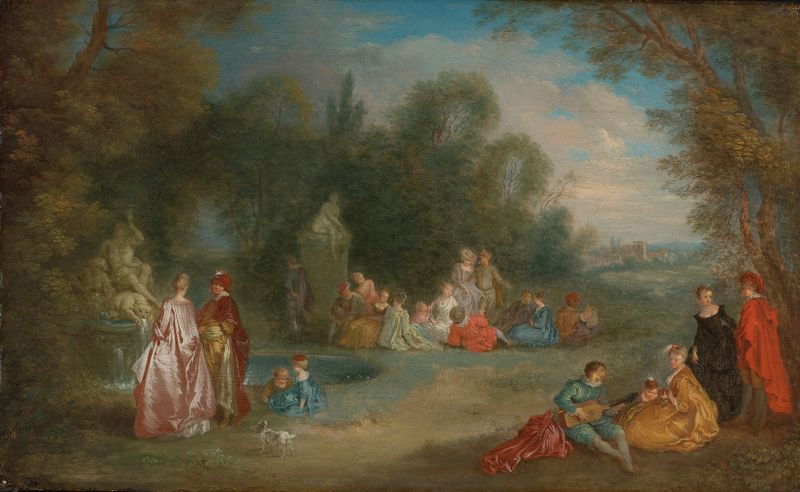
Fête Champêtre
Christian Wilhelm Ernst Dietrich





