
Landscape with ruins and farm buildings — History & Facts
What if beauty was never meant to be finished? In the stillness of the countryside, remnants of human endeavor stand amidst a serene landscape, reminding us of the transience of creation. Look to the left at the crumbling ruins, their weathered stones echoing tales of a once-thriving past. Notice how the soft, muted colors—earthy browns, tender greens, and wisps of cloudy blue—converge to create a harmonious balance, inviting your gaze across the canvas. The gentle brushstrokes suggest a soft breeze, while the light seems to linger delicately on the edges of the buildings, illuminating the juxtaposition of decay and the lushness surrounding it. Here, the artist captures not just a moment, but also an emotional landscape steeped in nostalgia.
The juxtaposition of the ruins against vibrant fields evokes a sense of melancholy, weaving a narrative that speaks to both loss and resilience. Each detail, from the meticulously rendered foliage to the shadows cast by the remnants, serves as a reminder of nature's ability to reclaim and redefine beauty, even within what is broken. Created in the 18th century, this work emerged during a period of Enlightenment, where a renewed interest in nature and the sublime flourished across Europe. The artist, prominent in German Rococo, often explored themes of harmony between man-made structures and the environment.
Though the exact date remains unknown, this piece resonates with a collective longing for simplicity and serenity amidst an increasingly complex world.
More Artworks by Christian Wilhelm Ernst Dietrich
Browse all →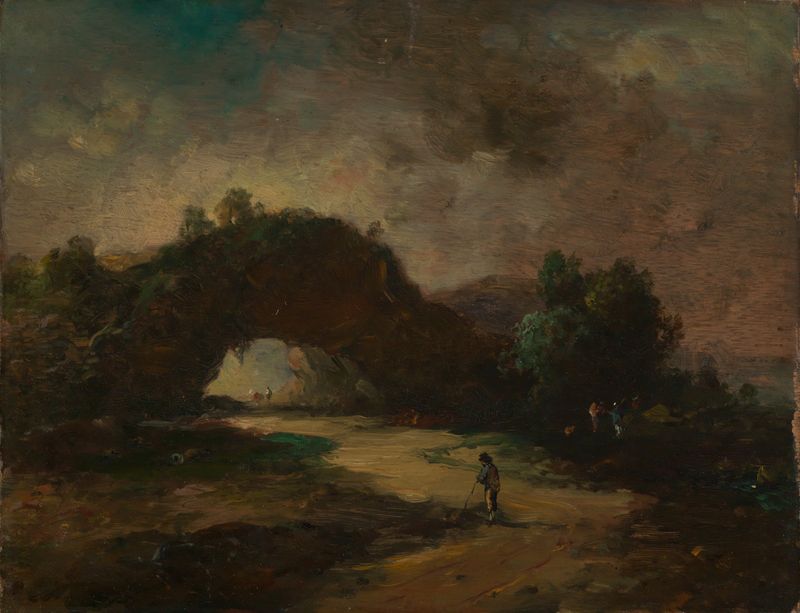
Landschaft mit einem von Buschwerk überwachsenen Felsenbogen
Christian Wilhelm Ernst Dietrich
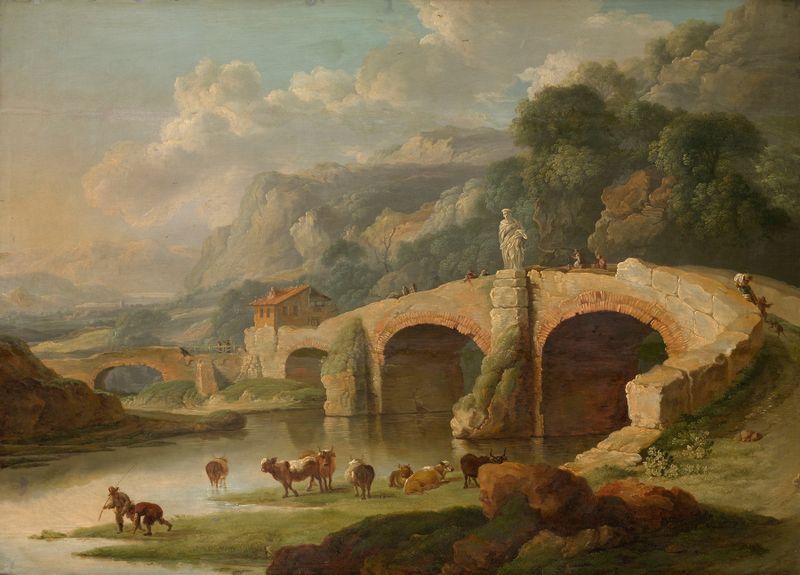
Italian Landscape
Christian Wilhelm Ernst Dietrich
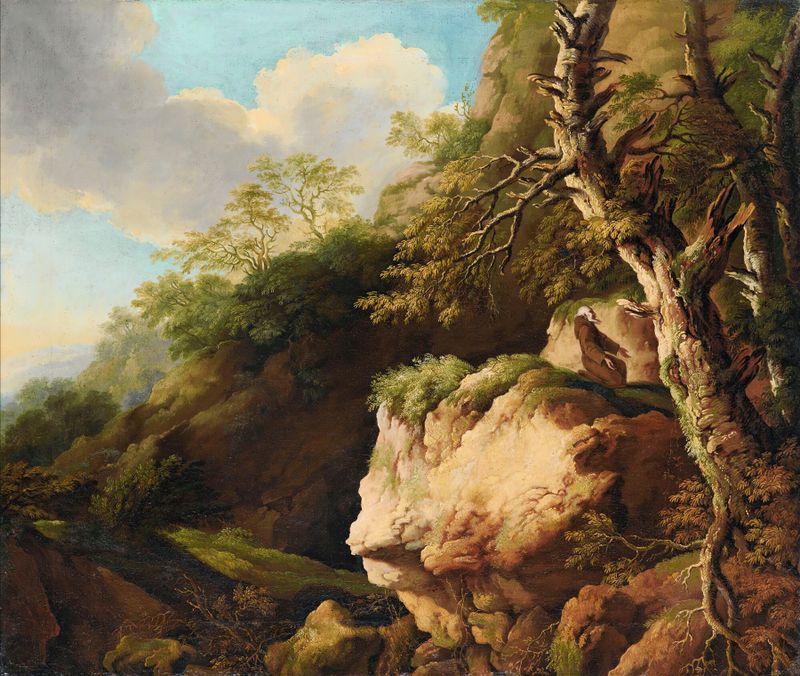
Landscape with a Franciscan monk
Christian Wilhelm Ernst Dietrich
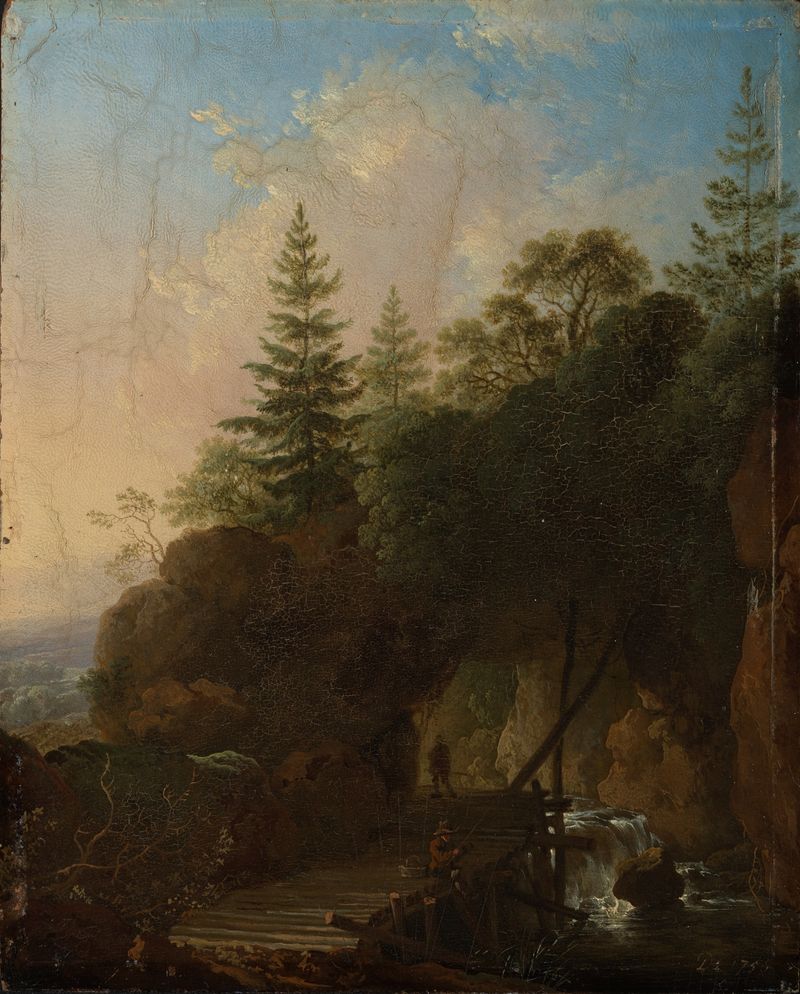
Gebirgslandschaft mit Wasserfall und hölzerner Brücke
Christian Wilhelm Ernst Dietrich

Scene from rural life
Christian Wilhelm Ernst Dietrich
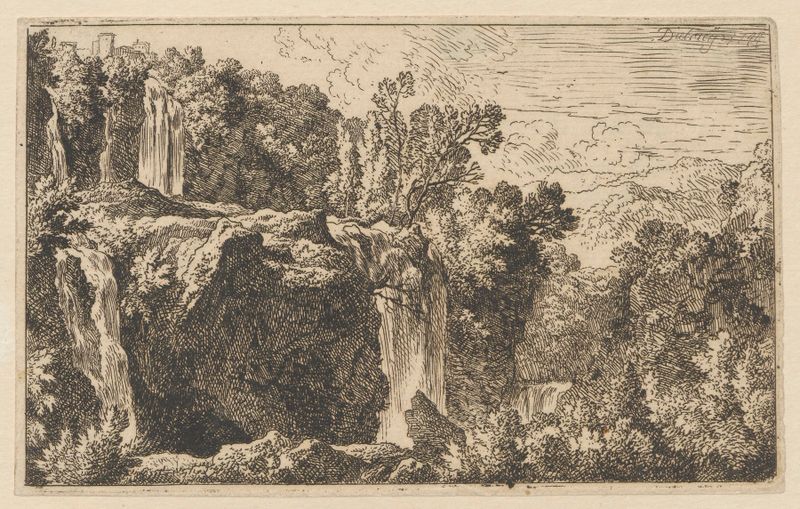
Landscape with a waterfall in Tivoli
Christian Wilhelm Ernst Dietrich
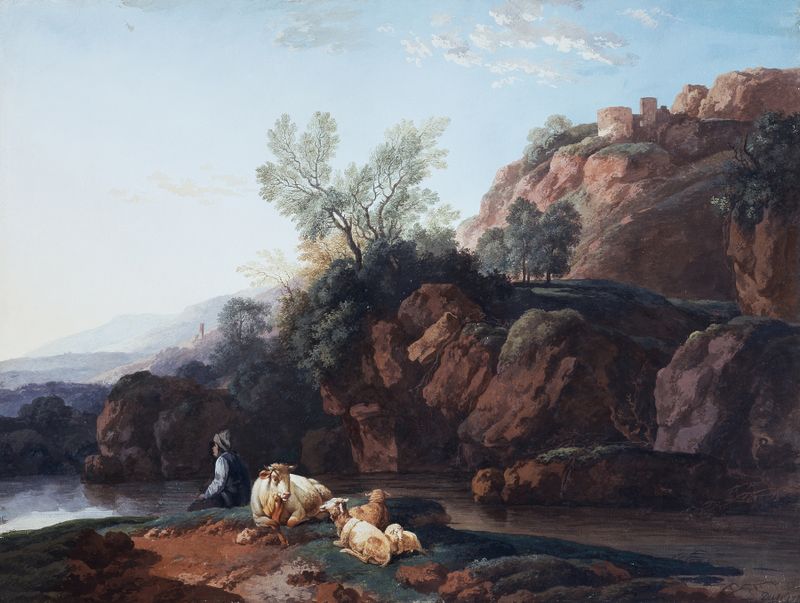
Felsige Gegend an einem Fluß
Christian Wilhelm Ernst Dietrich

Landscape with a nymph sitting on a rock and two cupids
Christian Wilhelm Ernst Dietrich
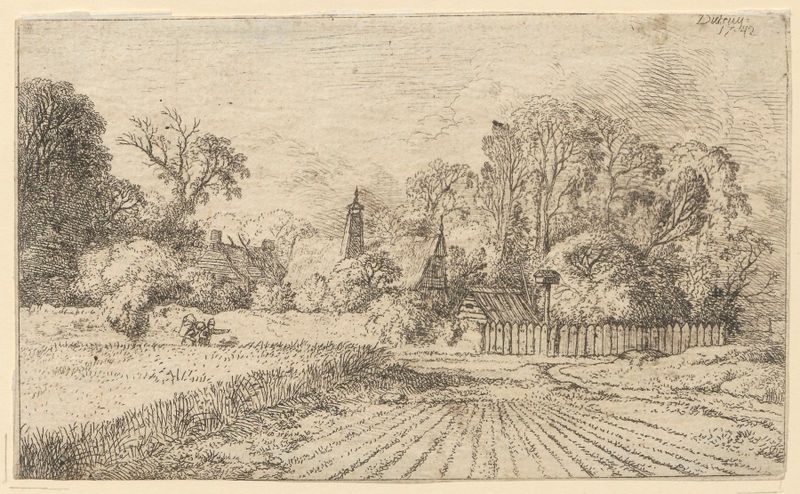
Landscape with rural buildings (Road next to a corn field)
Christian Wilhelm Ernst Dietrich
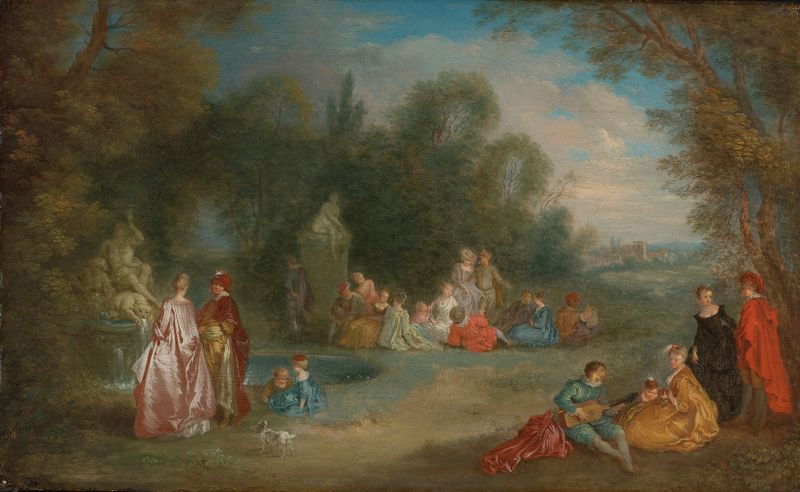
Fête Champêtre
Christian Wilhelm Ernst Dietrich





