
Femme Couchée Dans L’herbe — History & Facts
Could a single brushstroke hold eternity? In Femme Couchée Dans L’herbe, the serene figure reclines amidst a dance of light and shadow, embodying a moment of perfect harmony between nature and the human form. Look to the left, where the softness of her skin contrasts with the vibrant greens of the grass surrounding her. Notice how the light kisses her body, creating an ethereal glow that draws your gaze. The gentle curves of her body and the fluidity of her posture invite contemplation, while the vibrant foliage frames her like a natural tapestry.
Renoir’s brushwork, lively yet tender, captures both the intimacy of the moment and the exuberance of the outdoors. As you delve deeper, explore the emotional tension between solitude and connection. The woman's relaxed pose conveys a sense of peace, yet her gaze is directed towards an unseen presence, suggesting a longing or an unspoken dialogue. The interplay of light and color suggests the transient beauty of life, a balance between vulnerability and strength, evoking a fleeting sense of joy. Renoir painted this work during a period of artistic exploration, likely in the 1860s, when Impressionism was still in its infancy.
Living in France amidst rapid social and artistic changes, he sought to capture the essence of everyday moments with a focus on light and color. This piece reflects not only his personal evolution as an artist but also the broader movement that would redefine the art world.
More Artworks by Pierre-Auguste Renoir
Browse all →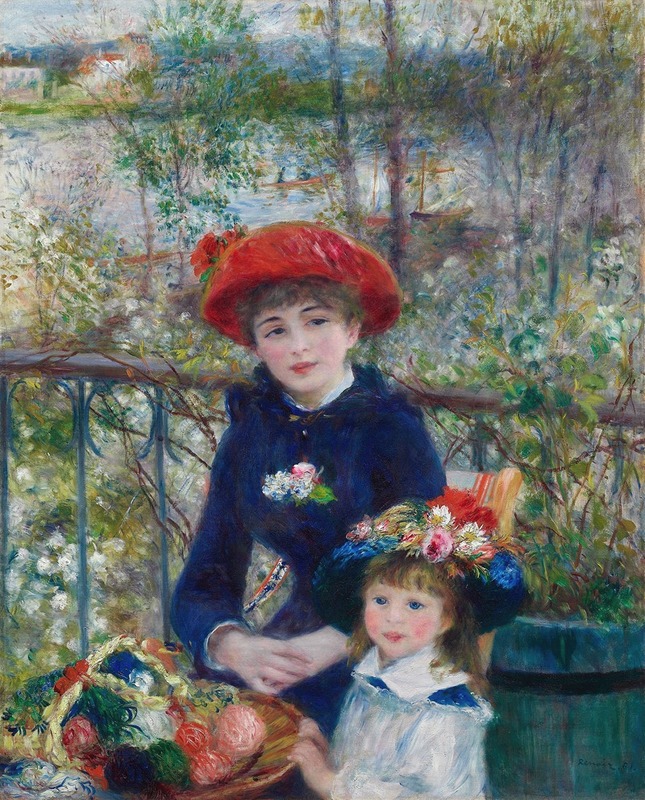
Two Sisters (On the Terrace)
Pierre-Auguste Renoir
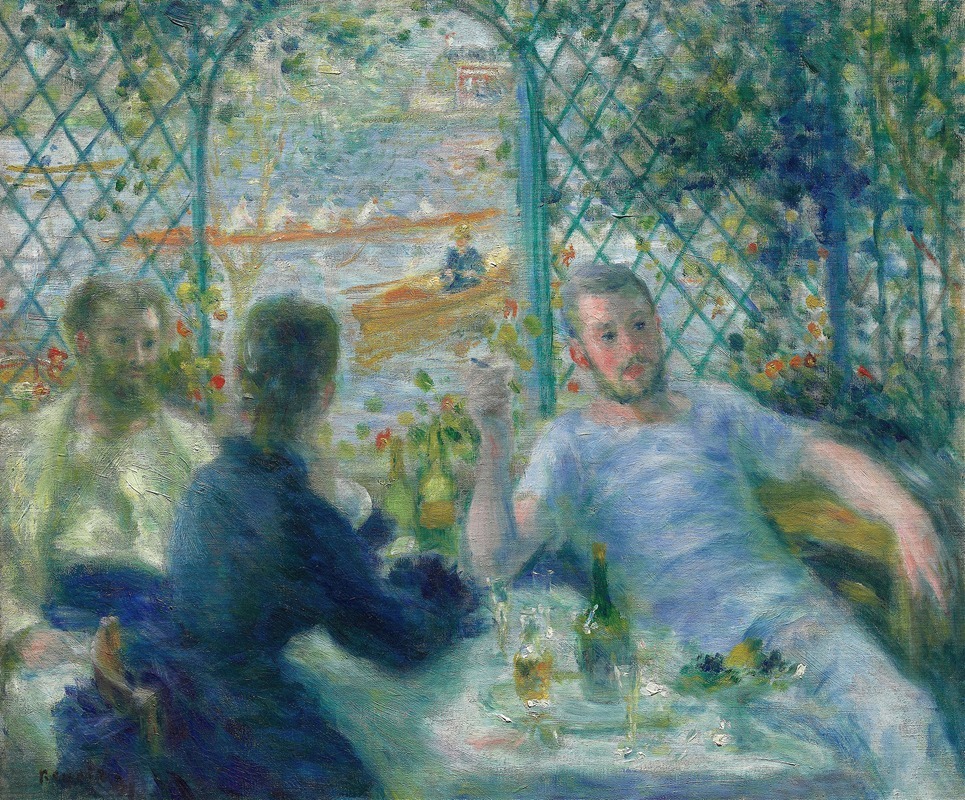
Lunch at the Restaurant Fournaise (The Rowers' Lunch)
Pierre-Auguste Renoir
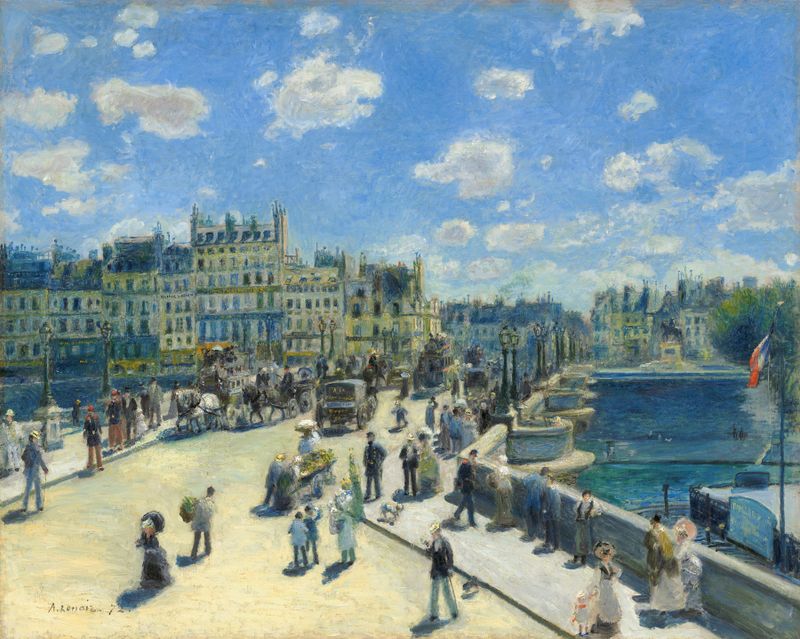
Pont Neuf, Paris
Pierre-Auguste Renoir
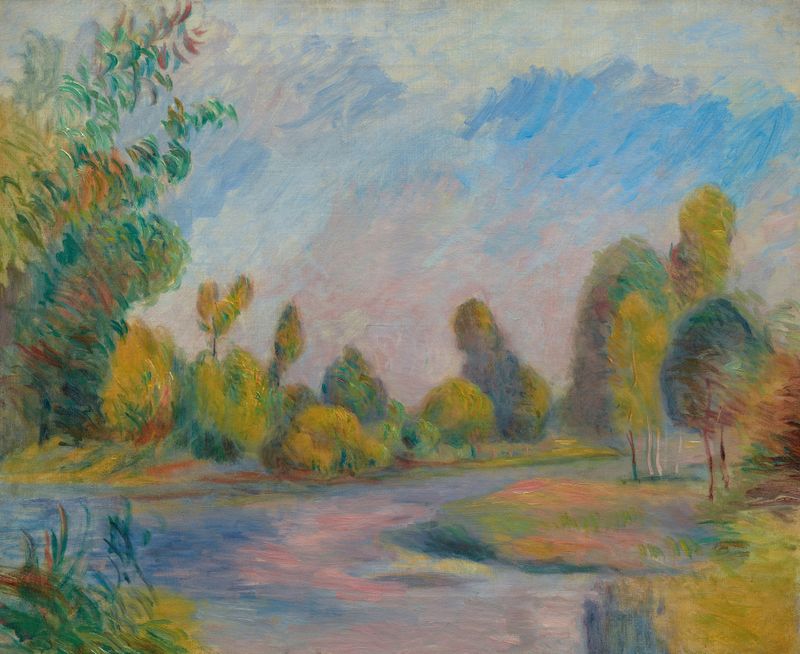
Au bord de la rivière
Pierre-Auguste Renoir

Near the Lake
Pierre-Auguste Renoir
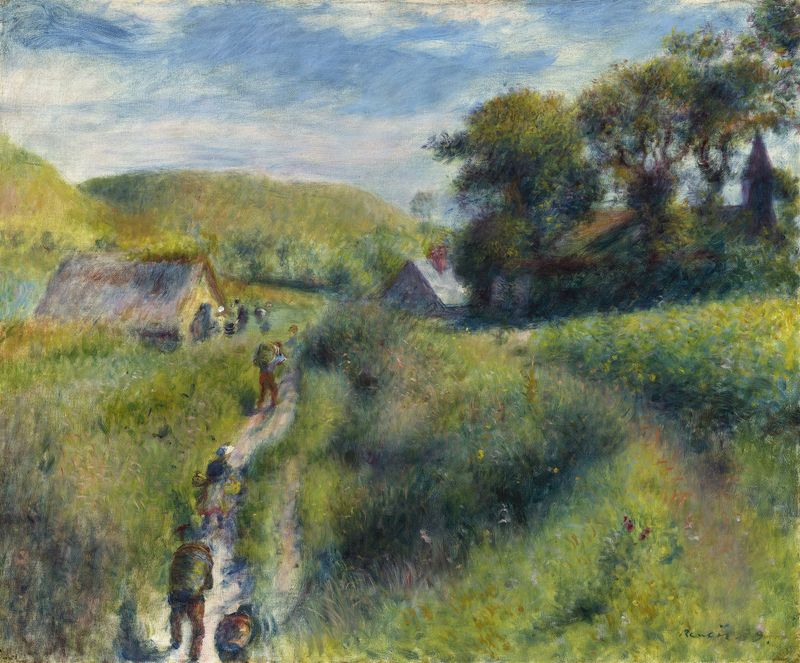
The Mussel Harvest
Pierre-Auguste Renoir

The Seine at Chatou
Pierre-Auguste Renoir
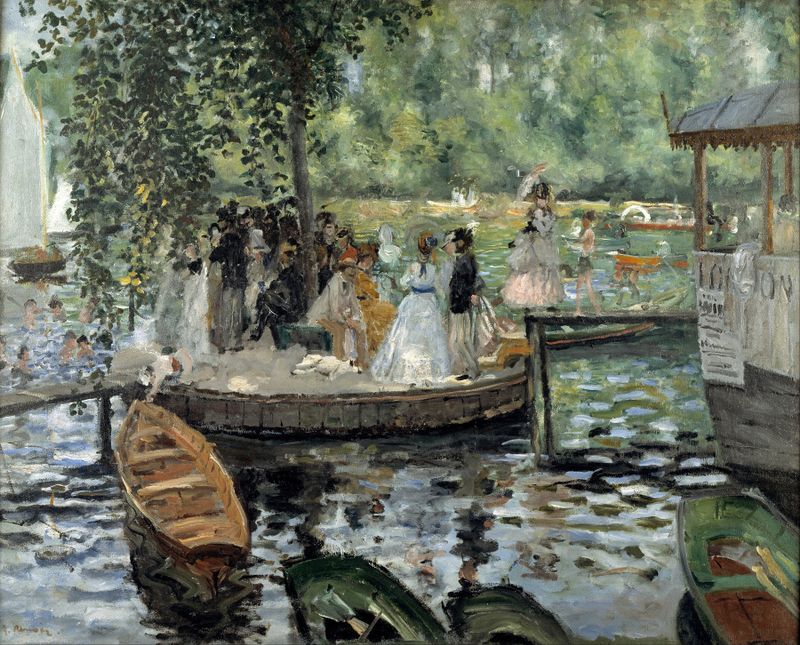
La Grenouillère
Pierre-Auguste Renoir
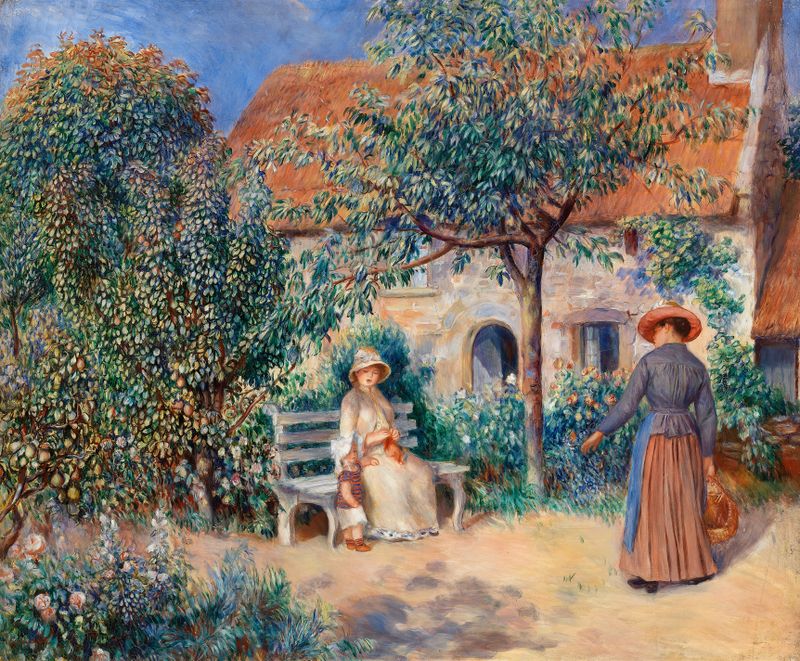
In Brittany (En Bretagne)
Pierre-Auguste Renoir
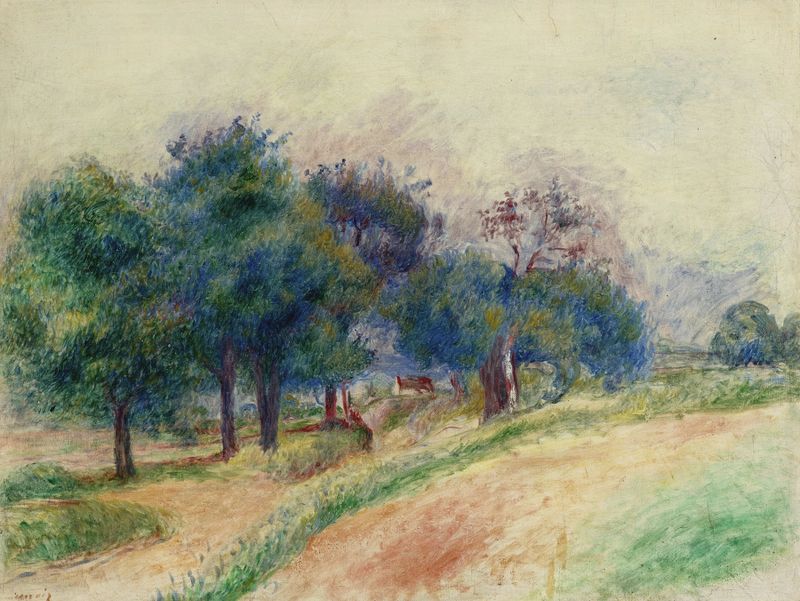
Paysage d’Essoyes
Pierre-Auguste Renoir





