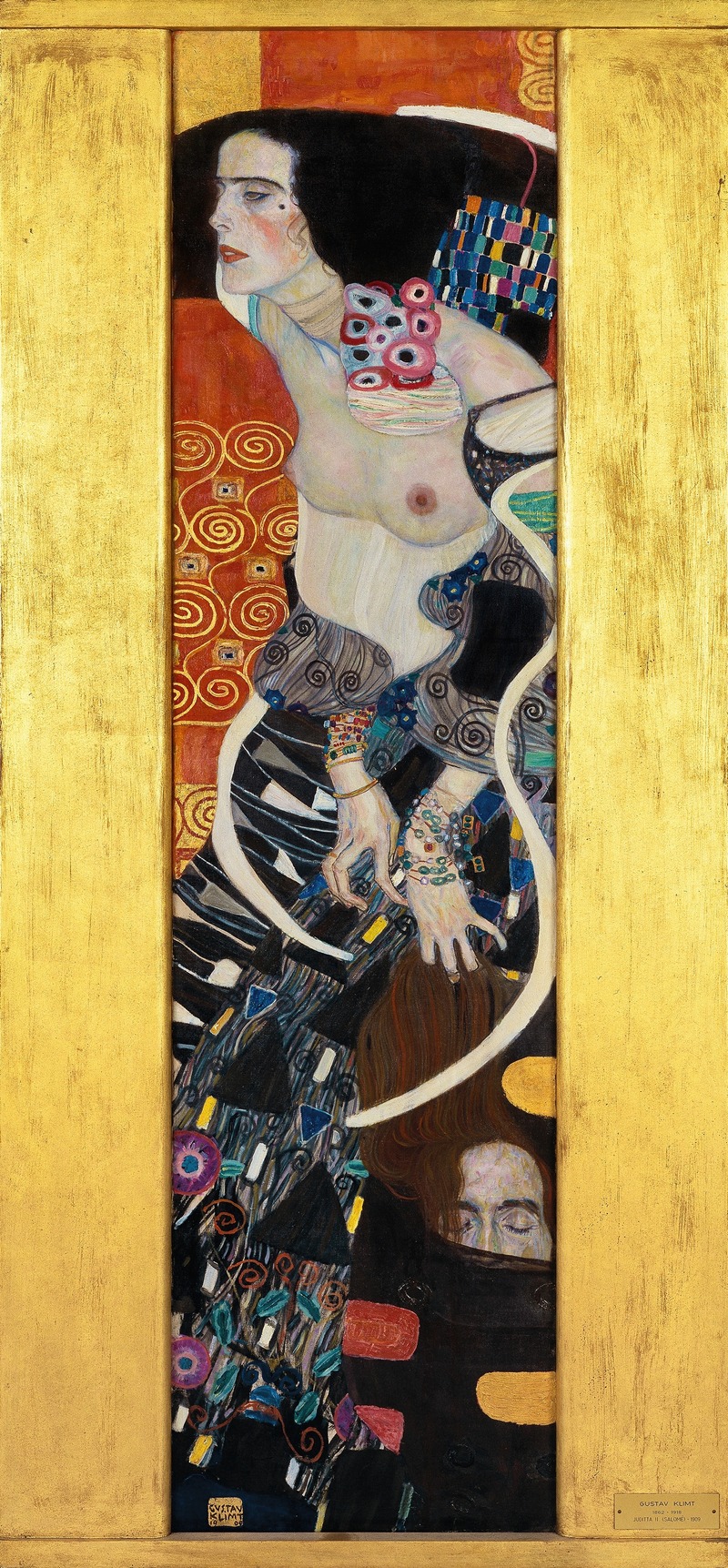
Discover insights about this artwork
Femme nue couchée — History & Facts
In Femme nue couchée, we see a reclining nude woman, her body gracefully positioned on a soft surface. The colors are warm, with soft hues of flesh tones blending into the background. Renoir's characteristic brushstrokes create a sense of movement and life in the figure.
The overall atmosphere is intimate and inviting, drawing the viewer's eye to the subject's serene expression. The painting is executed in oil on canvas, a medium that allows for rich color and texture. Renoir's technique involves layering colors and using light to enhance the three-dimensional form of the figure. The dimensions of the work are approximately 65 x 81 cm, making it a medium-sized piece that can be appreciated up close.
The composition focuses on the figure, with minimal background distractions. Femme nue couchée reflects Renoir's exploration of the female form, a recurring theme in his work. Painted in the 1880s, this piece showcases his transition towards a more intimate and personal style. An interesting fact about this work is that it exemplifies the Impressionist movement's focus on capturing the beauty of everyday life and the human body.
Renoir's ability to portray warmth and sensuality in his nudes has made this painting a notable example of his artistic legacy.
More Artworks by Pierre-Auguste Renoir
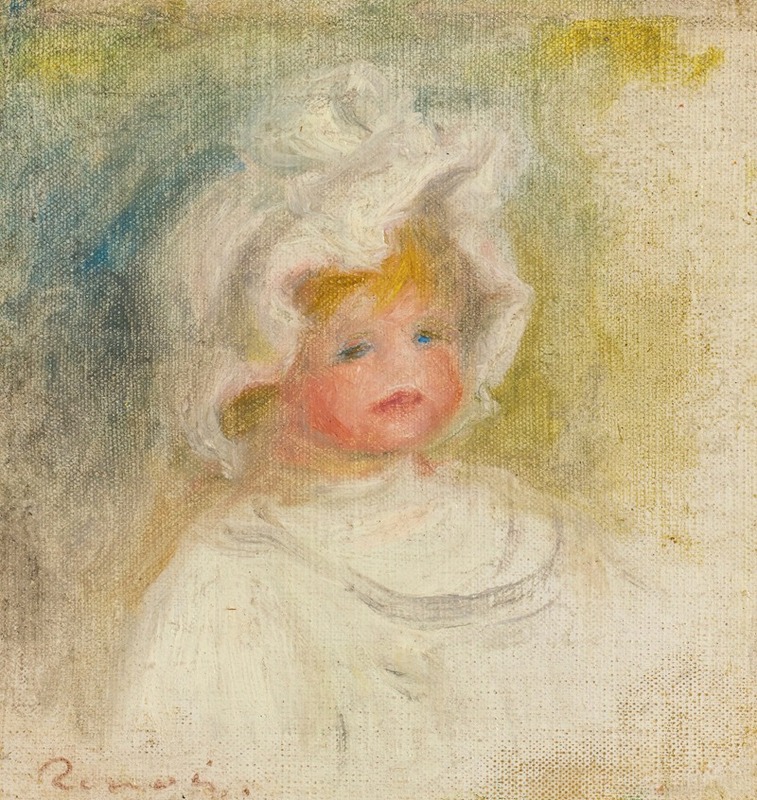
Portrait De Coco Renoir
Pierre-Auguste Renoir
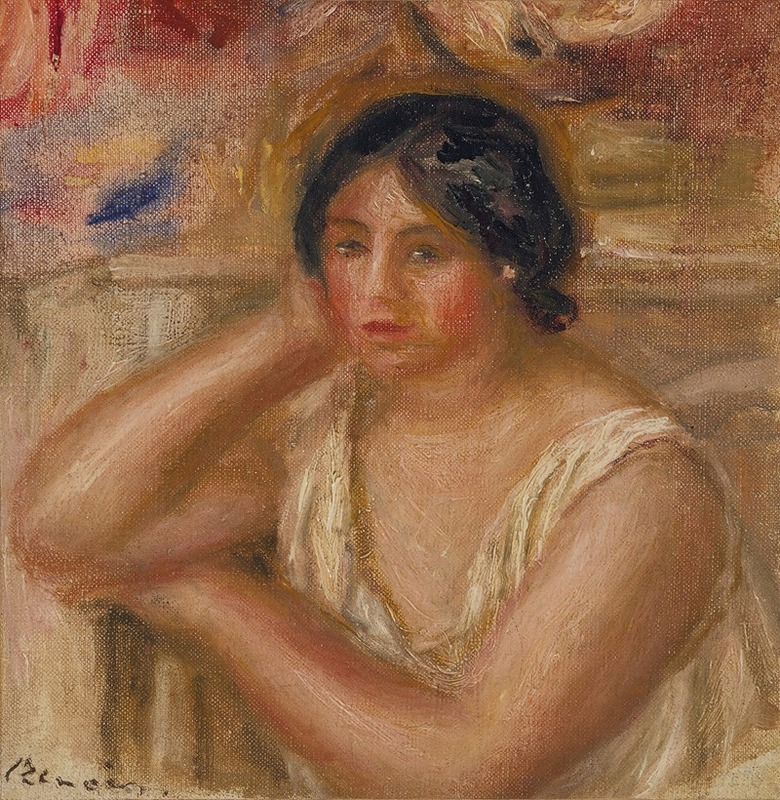
Portrait De Gabrielle
Pierre-Auguste Renoir
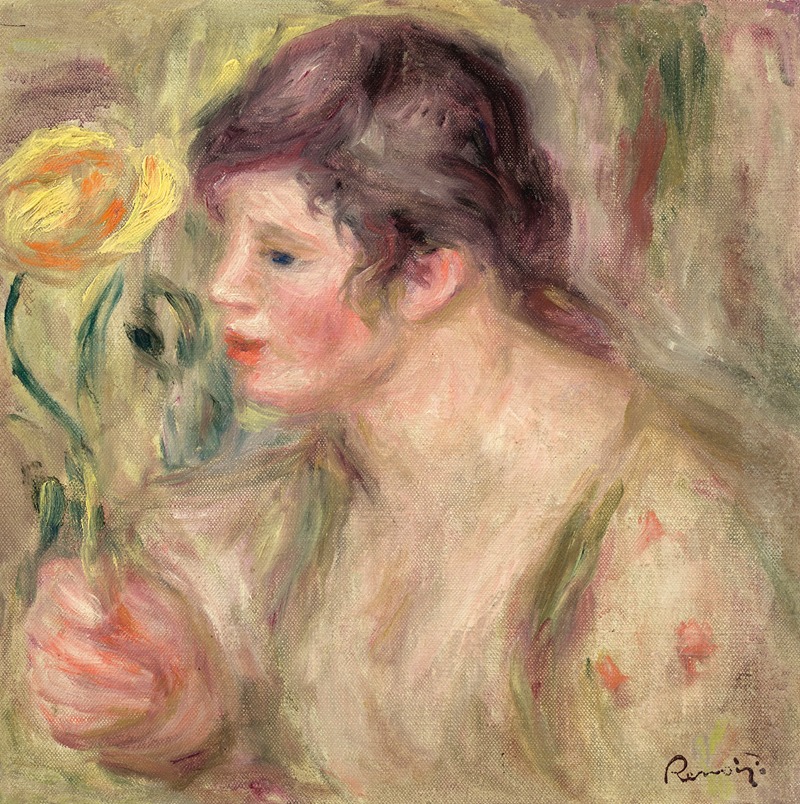
Femme à la rose
Pierre-Auguste Renoir
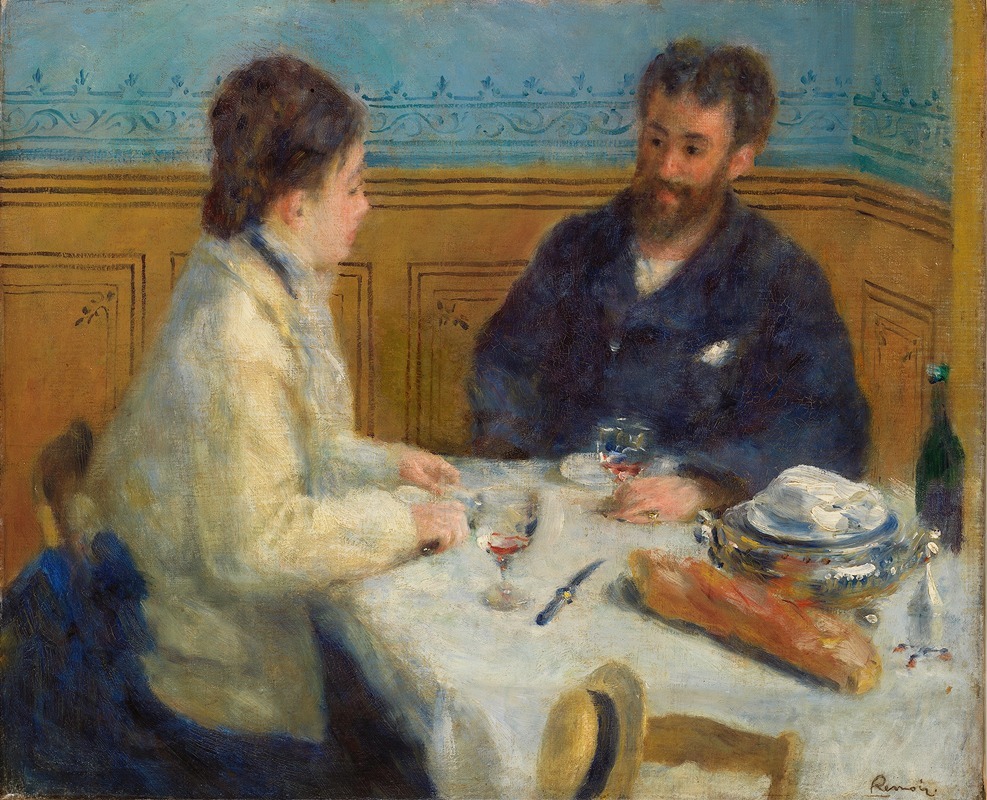
Luncheon (Le Déjeuner)
Pierre-Auguste Renoir
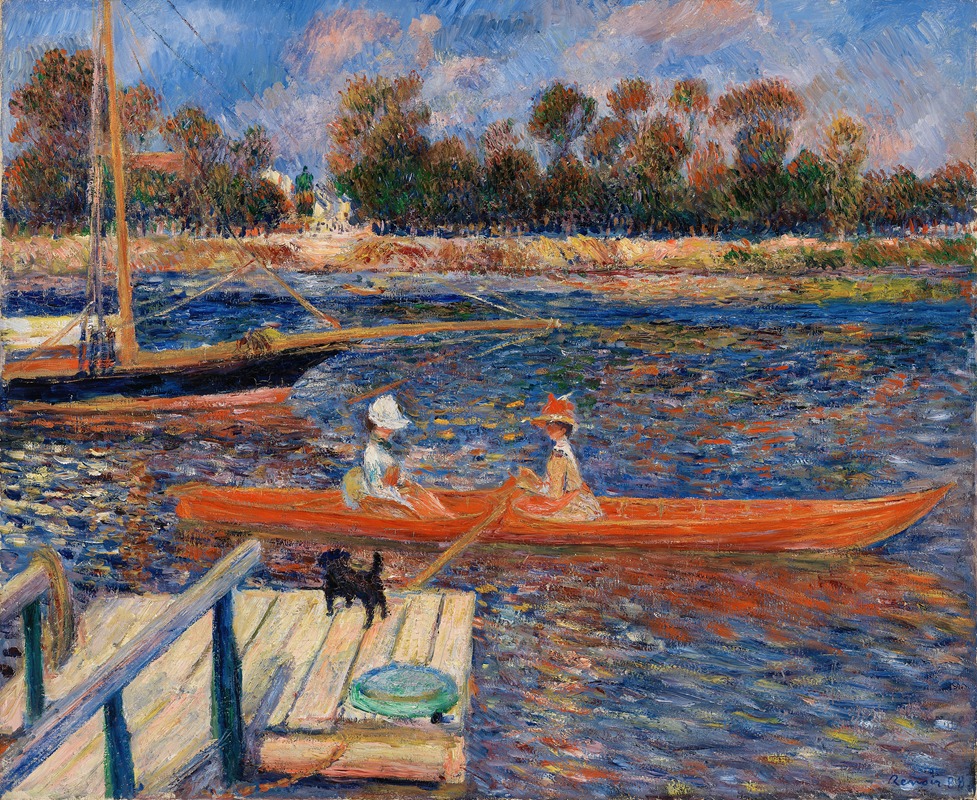
The Seine at Argenteuil (La Seine à Argenteuil)
Pierre-Auguste Renoir
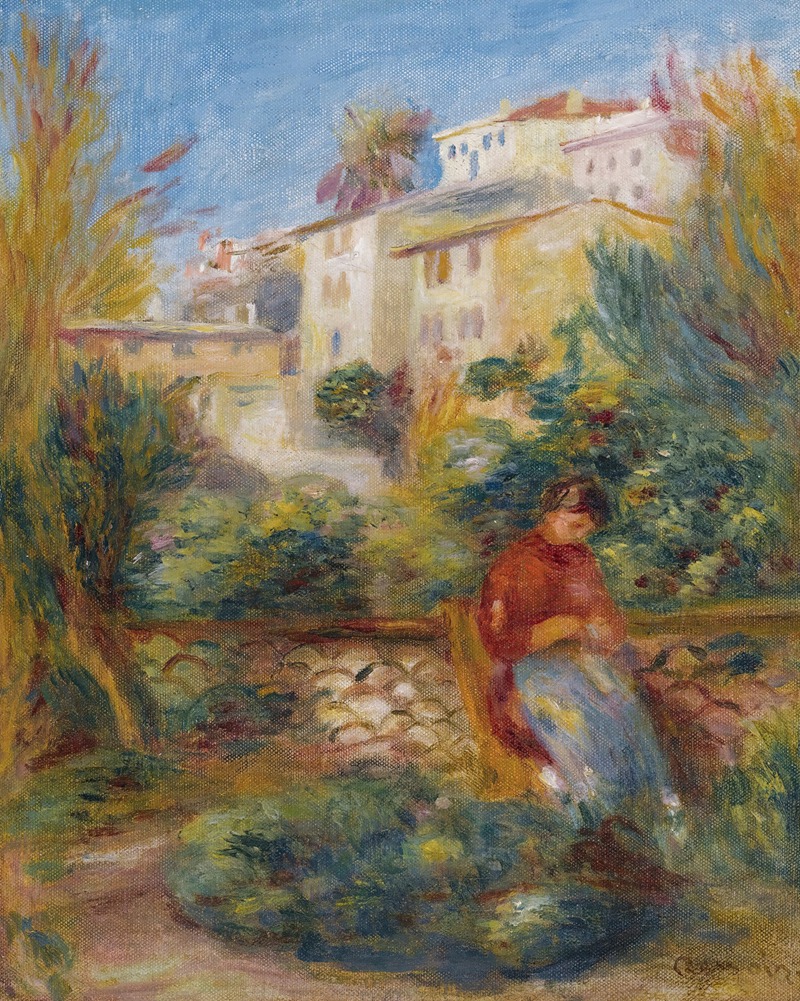
La Terrasse À Cagnes
Pierre-Auguste Renoir
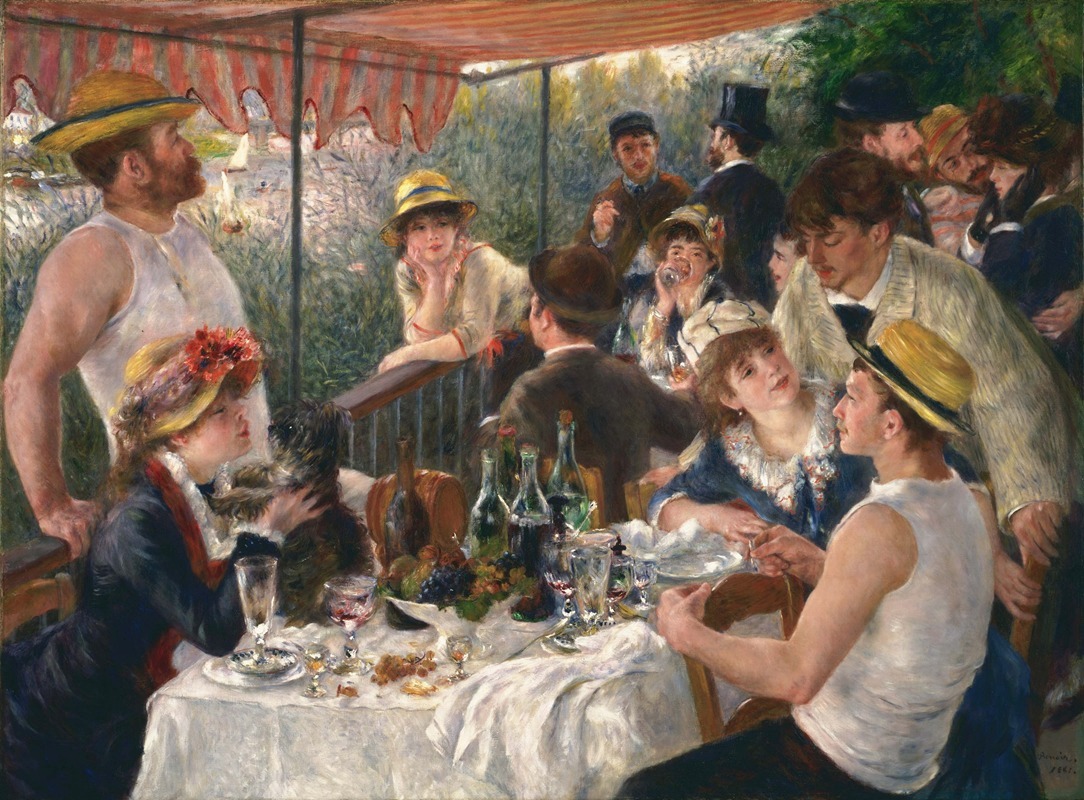
Luncheon of the Boating Party
Pierre-Auguste Renoir
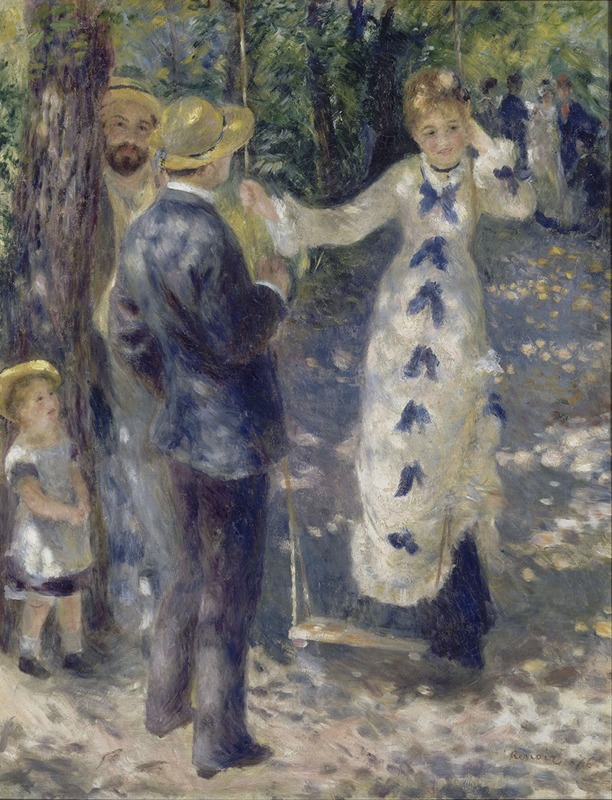
The Swing
Pierre-Auguste Renoir
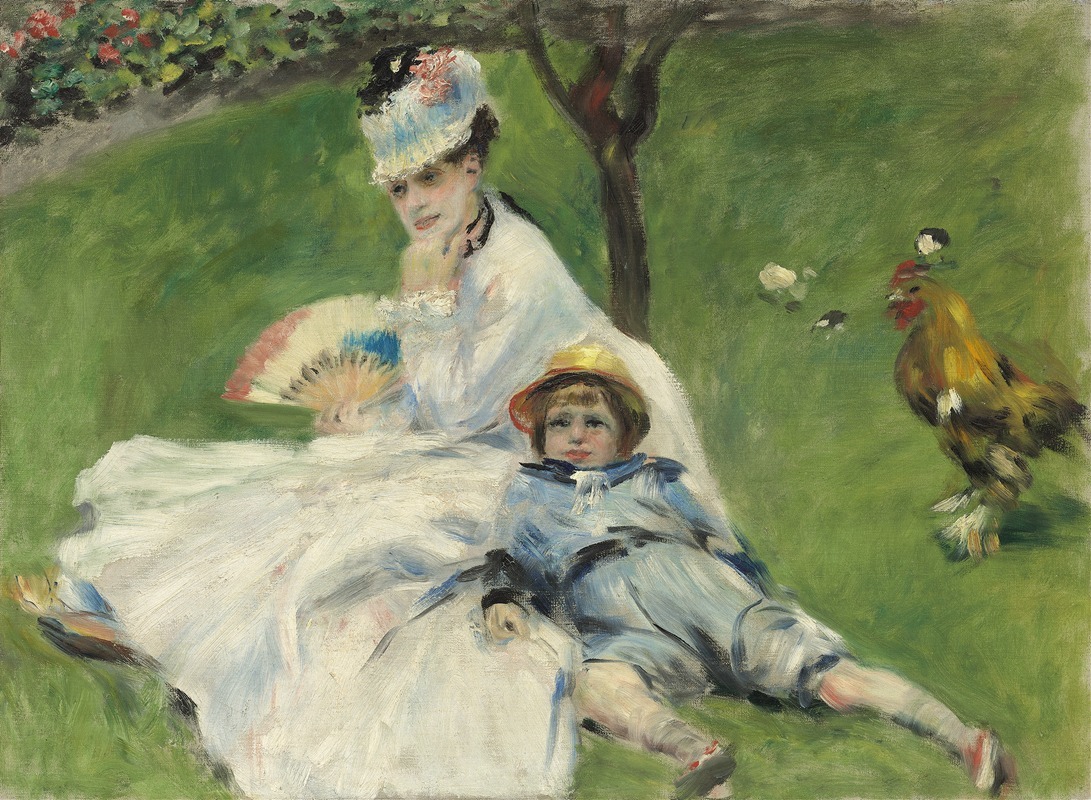
Madame Monet and Her Son
Pierre-Auguste Renoir
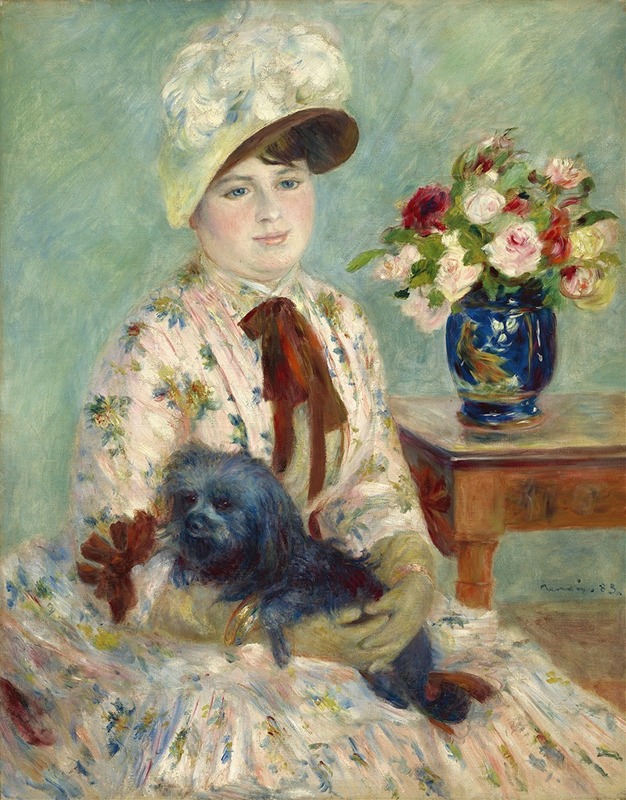
Mlle Charlotte Berthier
Pierre-Auguste Renoir