
Femme tricotant — History & Facts
In Femme tricotant, we see a woman engrossed in her knitting, surrounded by a tranquil setting. The colors are soft and warm, with gentle hues of blue, green, and beige dominating the scene. The light appears to filter through, casting a serene glow on her focused expression.
This intimate moment captures the essence of domestic life, typical of the Impressionist style. The painting is executed in oil on canvas, showcasing Valtat's characteristic brushwork that blends colors seamlessly. The composition is balanced, with the figure of the woman positioned centrally, drawing the viewer's eye. The texture of the knitting and the fabric of her clothing are rendered with attention to detail, enhancing the realism of the scene.
Overall, the work reflects the Impressionist focus on light and everyday moments. Louis Valtat was a prominent figure in the French Impressionist movement, known for his vibrant colors and depictions of domestic life. Femme tricotant exemplifies his ability to capture simple yet profound moments. Interestingly, Valtat often painted scenes of women engaged in domestic activities, highlighting their importance in everyday life.
This work not only showcases his technical skill but also reflects the cultural context of women’s roles in the early 20th century.
More Artworks by Louis Valtat

Portrait de Mme Valtat les mains derrière la tête
Louis Valtat

Les deux soeurs
Louis Valtat
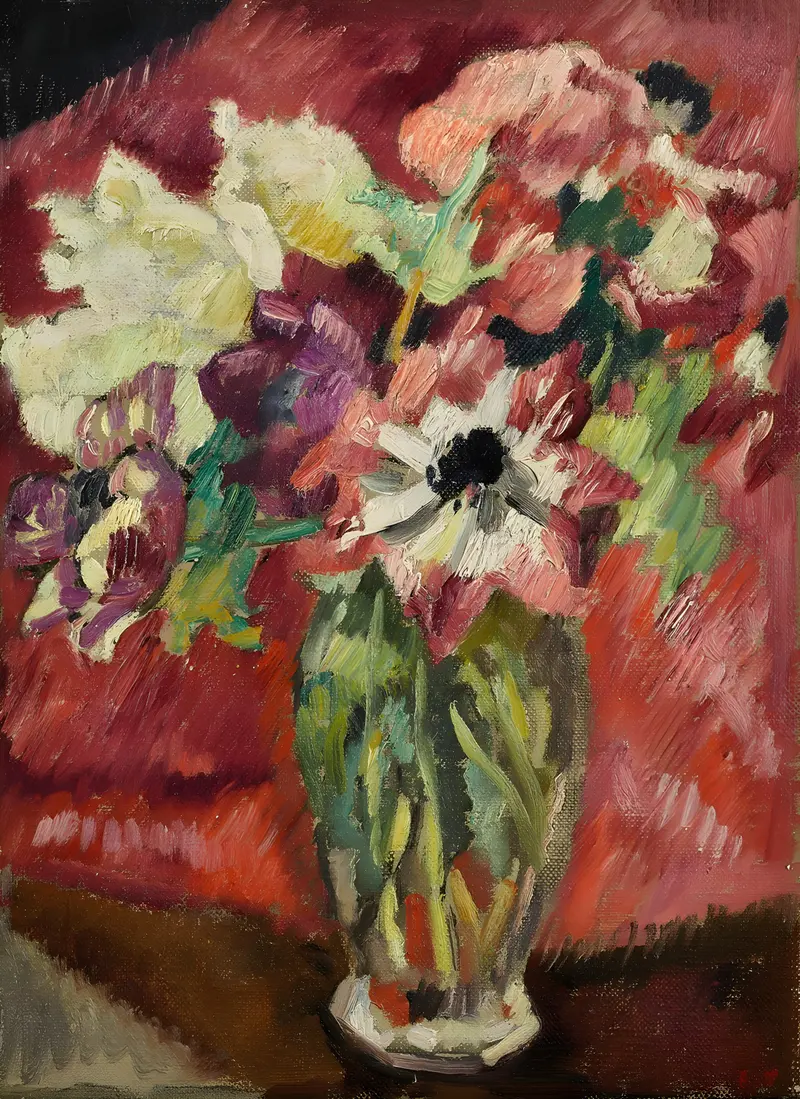
Bouquet au vase de Crystal
Louis Valtat
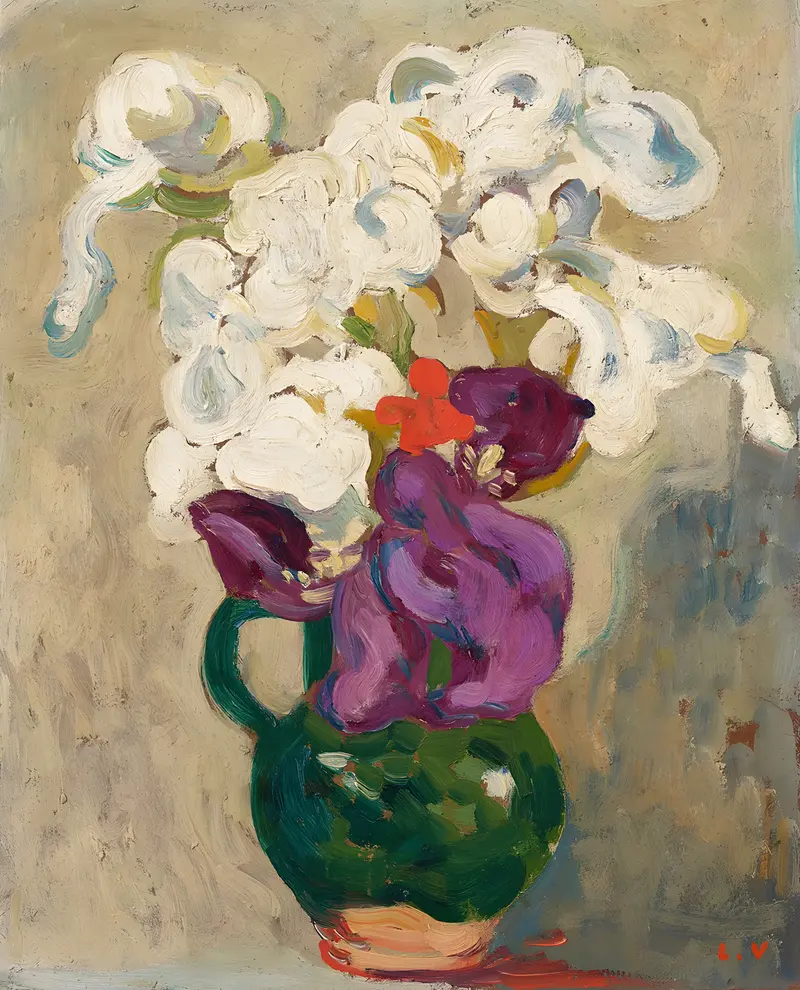
Bouquet d’iris au pichet vert
Louis Valtat
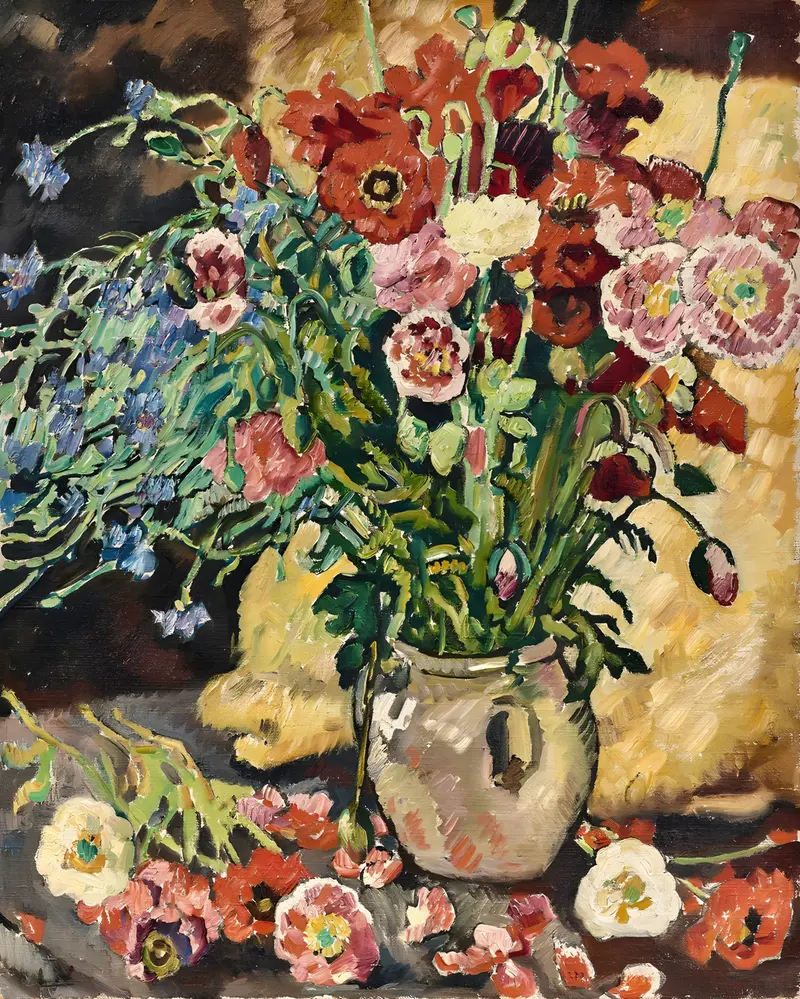
Bouquet de pavots
Louis Valtat
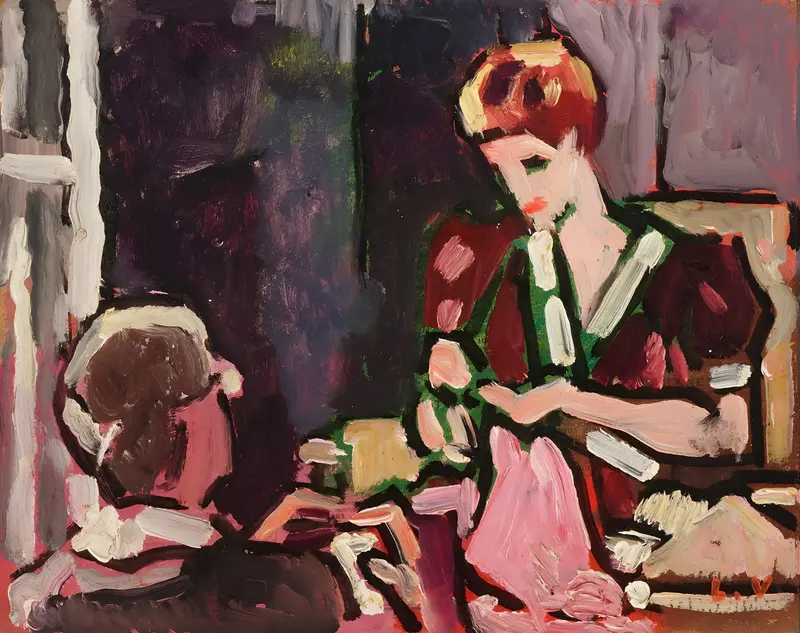
Jeune femme cousant
Louis Valtat
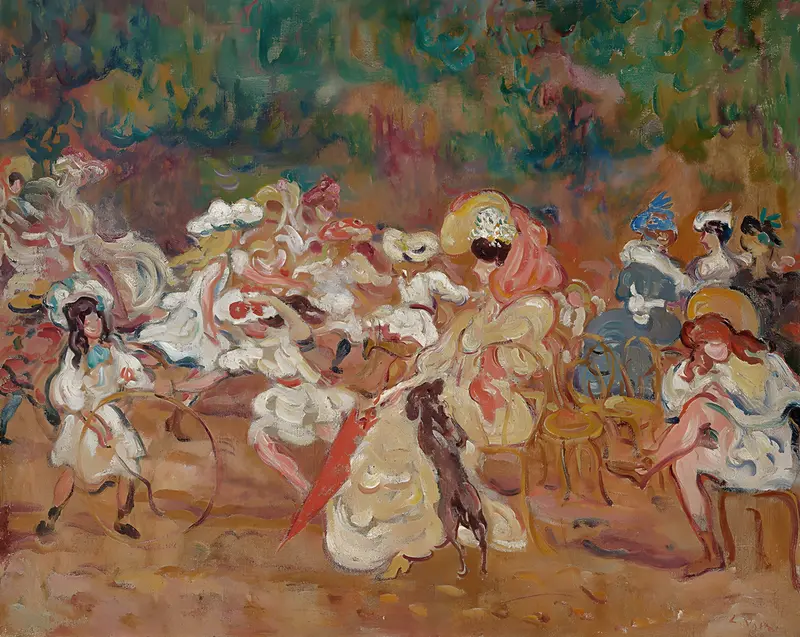
Jeux d’enfants
Louis Valtat
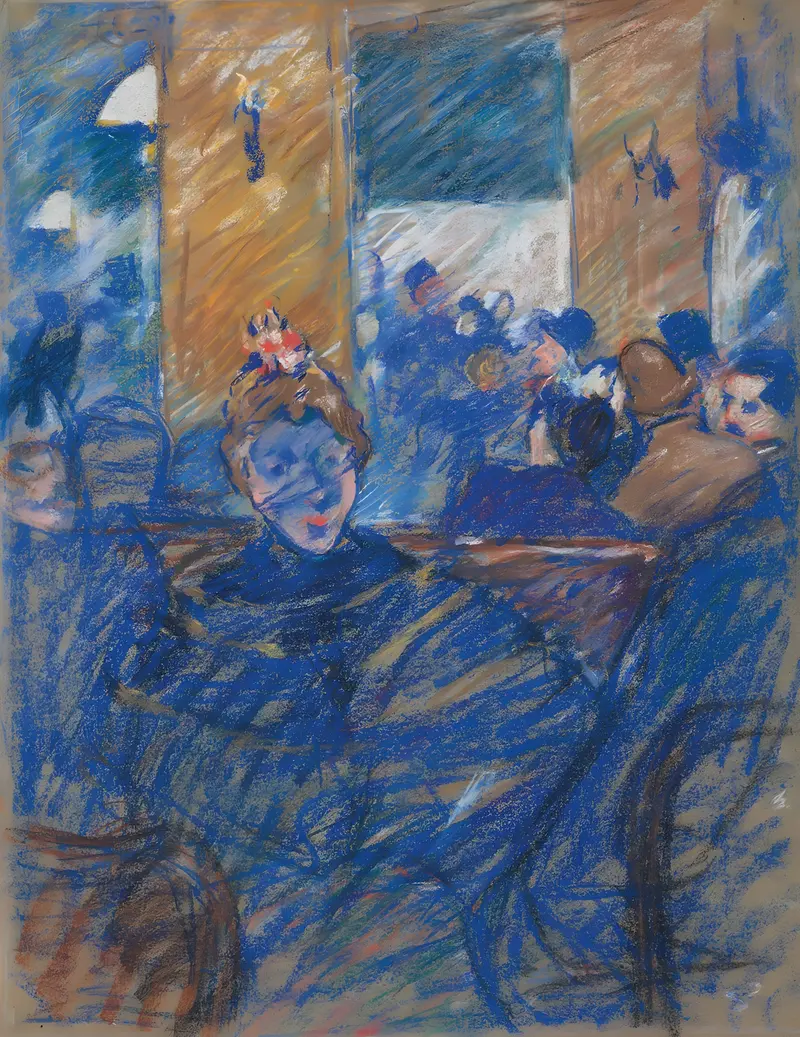
La Dame au café
Louis Valtat
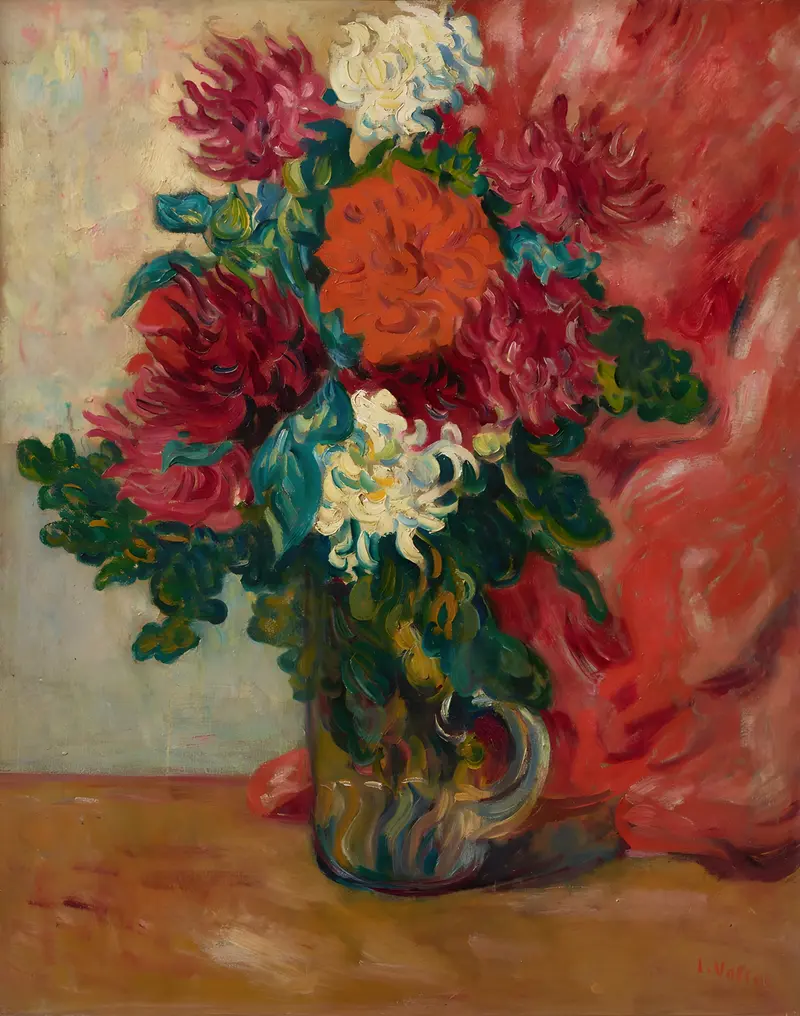
Dahlias à la cruche en verre devant une tenture rouge
Louis Valtat
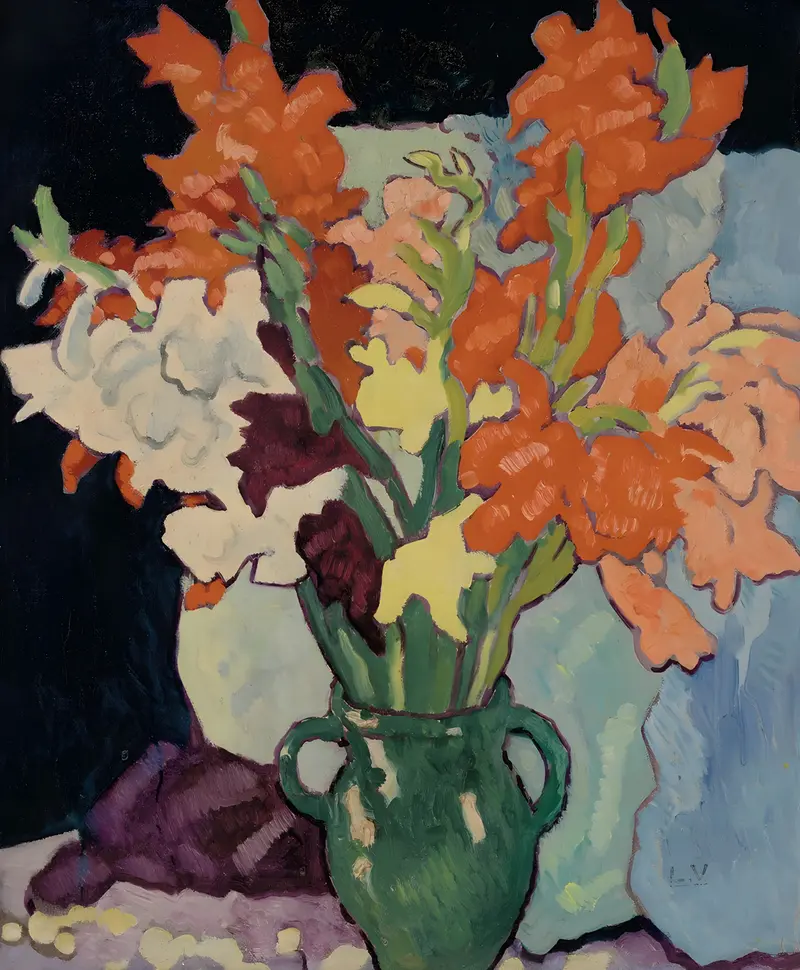
Glaïeuls à la cruche verte
Louis Valtat
More Genre Scene Art

Banquet of the Officers of the St George Civic Guard
Frans Hals

Rembrandt and Saskia in the Scene of the Prodigal Son
Rembrandt van Rijn

Bal du moulin de la Galette
Pierre-Auguste Renoir

Quadrille at the Moulin Rouge
Henri de Toulouse-Lautrec

A Burial at Ornans
Gustave Courbet

When Will You Marry?
Paul Gauguin