Fenêtre D’un Ancien Couvent (à Barcelone) — History & Facts
Within the stillness of this painting lies a profound revelation waiting to unfold—a whispered truth echoing through the ages. Look closely at the left edge, where light spills through an aged window. The muted hues of ochre and soft blues invite you into a world suspended in time. Notice how the gentle interplay of light and shadow reveals the intricate textures of the crumbling wall, hinting at decades of forgotten stories.
Each brushstroke seems to exhale the weight of history, inviting reflection on the lives once lived within these walls. The juxtaposition of hard stone and soft light conveys a tension between permanence and transience. The window, a portal to the outside world, contrasts with the stillness of the interior, suggesting that life continues beyond its frame. As the viewer, you may feel the pull of curiosity—what secrets lie beyond that threshold? This duality of confinement and release amplifies the emotional resonance of the scene, allowing personal interpretations to emerge from the silence. Victor Petit painted this work in 1860 while in Barcelona, a city buzzing with artistic innovation and historical change.
At this time, the artist was exploring themes of light and architecture, seeking to capture the essence of spaces that resonate with memory. His approach reflects a broader trend in 19th-century art, where the exploration of light and atmosphere began to dominate the canvas, emphasizing both the beauty and the haunting silence of bygone eras.
More Artworks by Victor Petit
Browse all →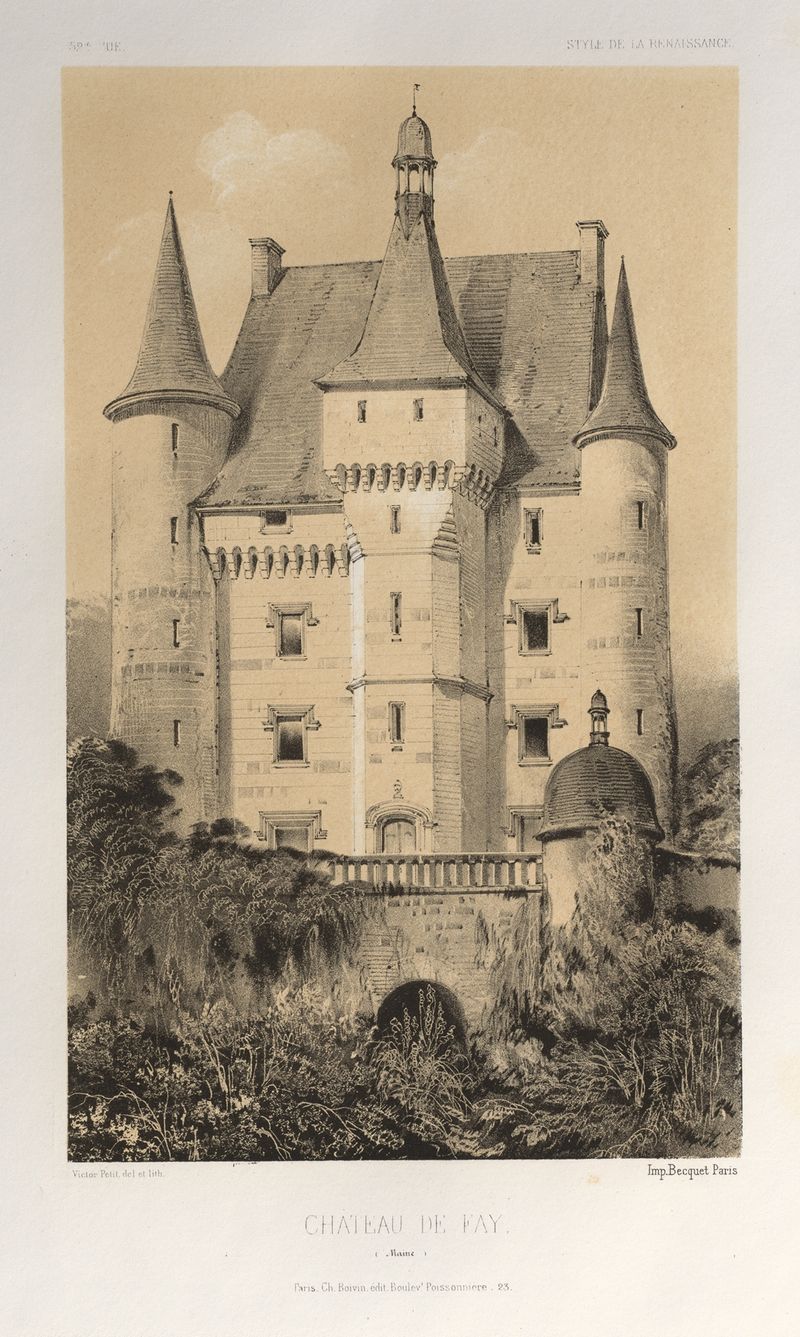
Château De Fay (Maine)
Victor Petit
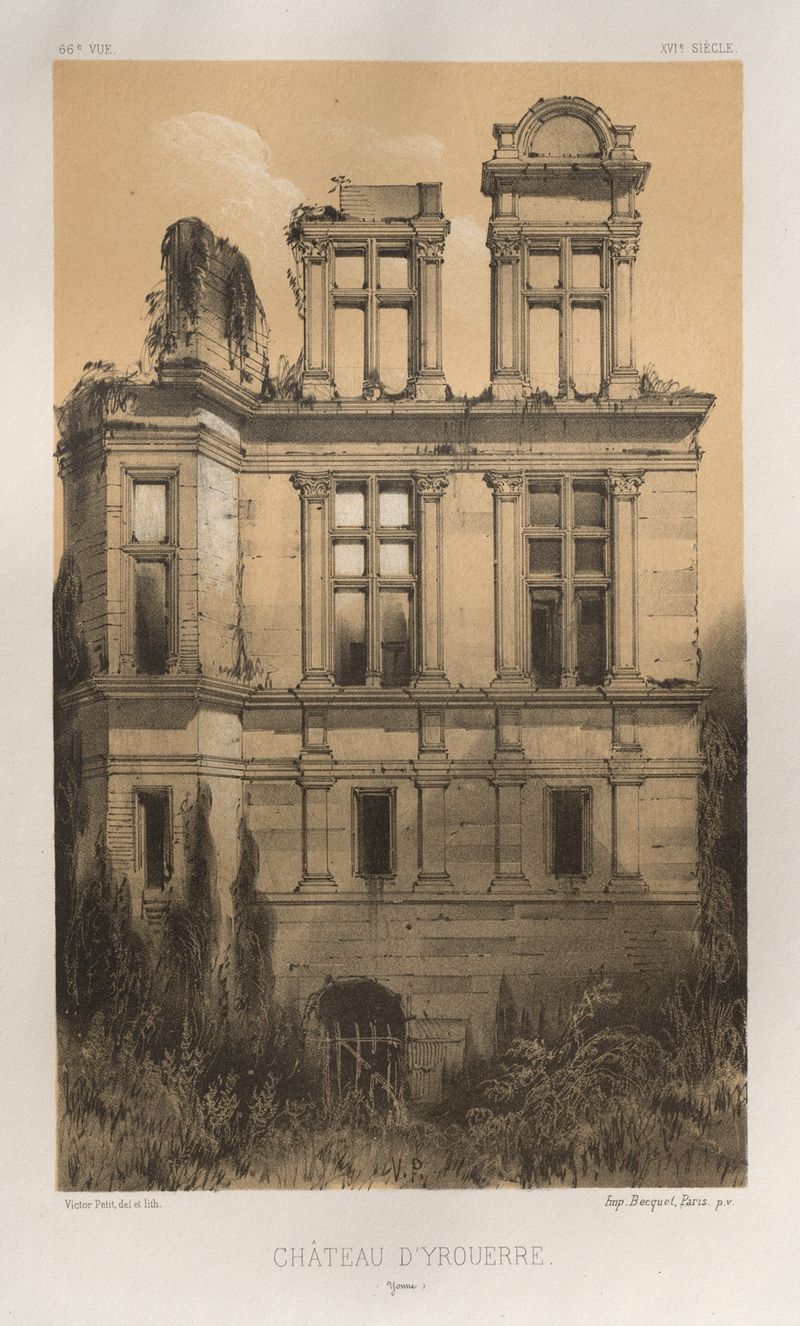
Château D’Yrouerre (Yonne)
Victor Petit
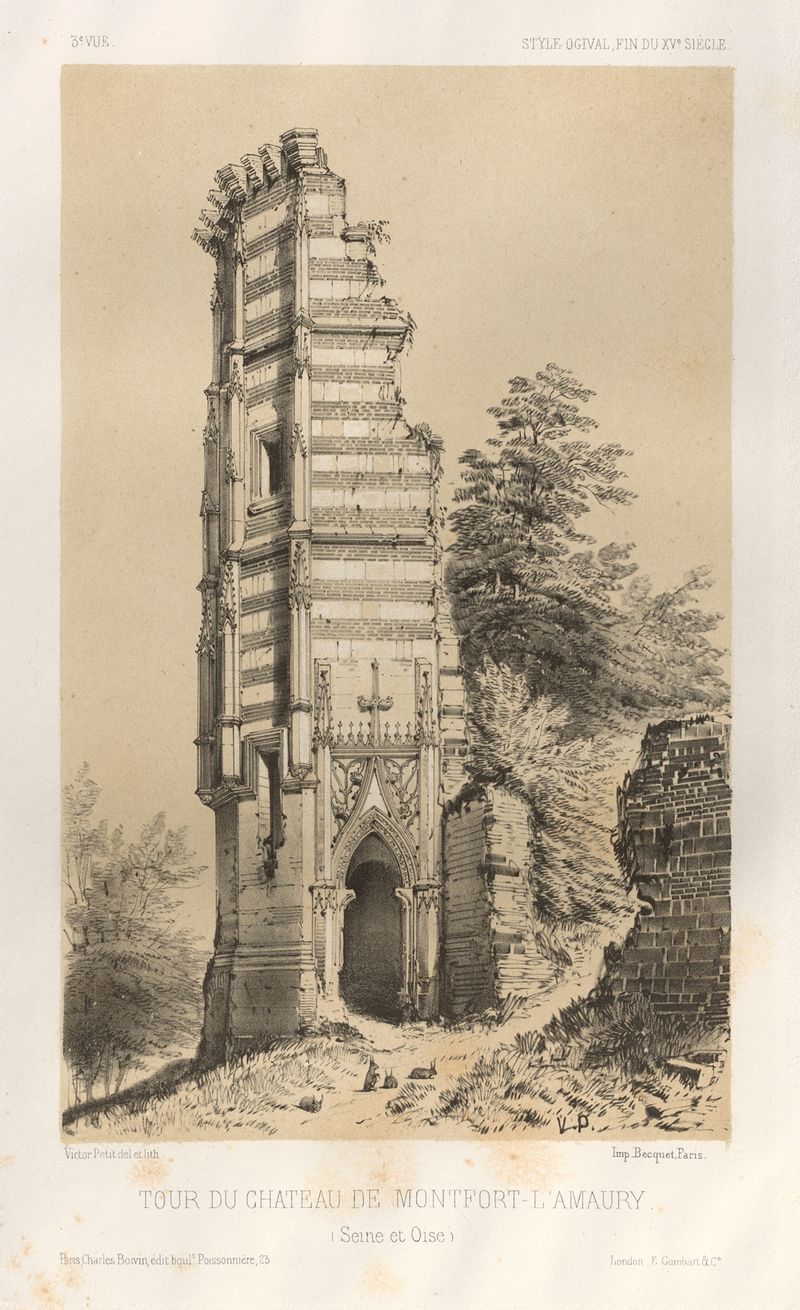
Tour du chateau de Montfort-l’Amaury (Seine-et-Oise)
Victor Petit

Tour Du Port De Marseille (Bouches Du Rhône)
Victor Petit
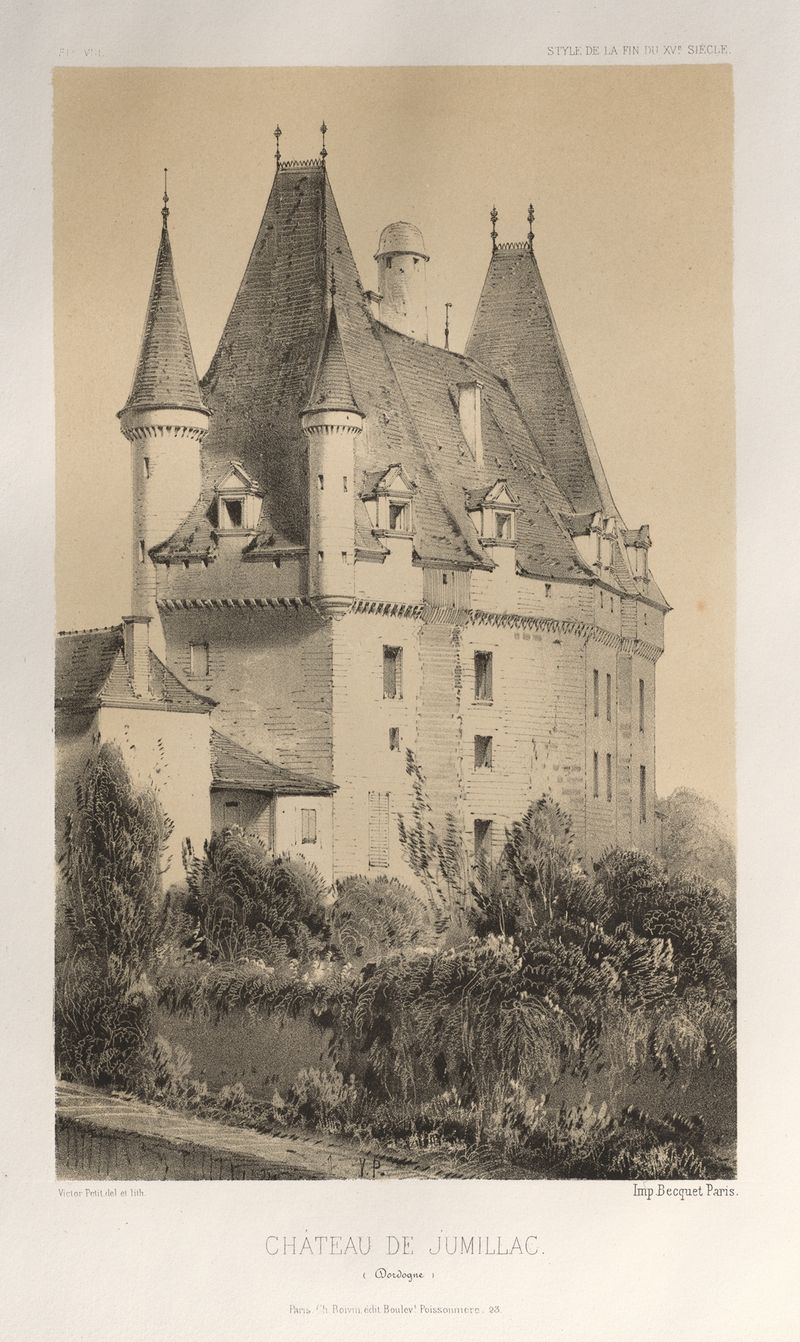
Château De Jumillac (Dordogne)
Victor Petit

Château de Tévray (Eure)
Victor Petit

Galerie Du Château De Jouancy (Saone et Loire)
Victor Petit

Château De Mello (Oise)
Victor Petit
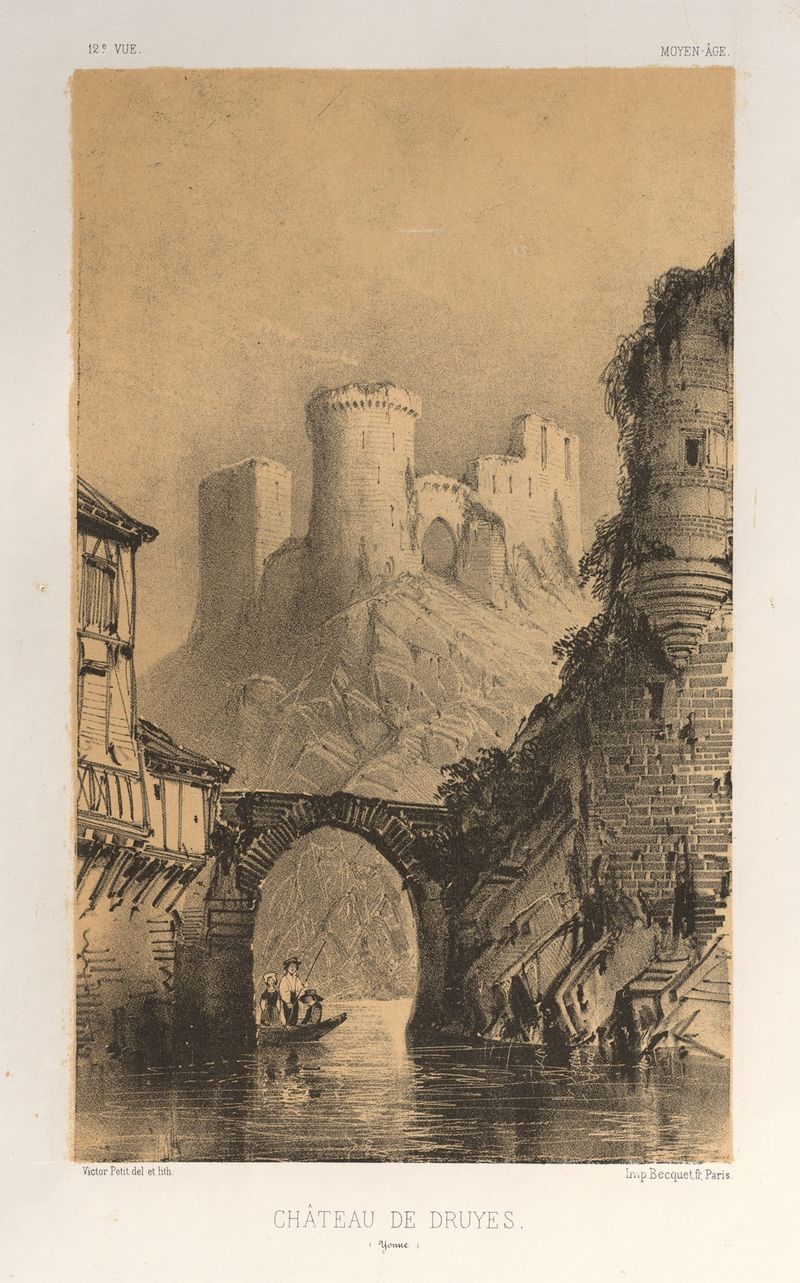
Chateau De Druyes (Yonne)
Victor Petit

Le ChasteLet-Neuf (Corrèze)
Victor Petit