
Ferme à la façade rose, silhouette de femme — History & Facts
This sentiment resonates deeply in a world continuously reshaped by revolution and change. In Ferme à la façade rose, silhouette de femme, the interplay of nostalgia and resilience emerges, inviting viewers to explore the essence of what is lost and what remains. Focus first on the soft blush of the farmhouse façade, where the warm pink hue seems almost to pulse with life against the muted, shadowy background. The silhouette of a woman stands poised, her presence both grounding and ephemeral, suggesting a connection to the land and the passage of time.
As you take in the composition, notice the gentle brushstrokes that blur the edges, creating a dreamlike atmosphere that encases the scene in a tender longing. At the heart of this work lies a dichotomy: the stability of the farmhouse contrasts sharply with the fluidity of the woman's form. This tension reflects the fragility of memory itself—how it can be both a sturdy foundation and a fleeting whisper. The surrounding landscape, undefined yet familiar, hints at the complexities of change, as if the earth is both holding on and letting go in equal measure. In 1921, Spilliaert, living in Belgium, sought to encapsulate the delicate balance between personal history and broader societal shifts.
The post-World War I era was rife with turmoil, and this work coincided with his exploration of identity and belonging amidst a changing world. It marks a pivotal moment in his career, as he delved into the emotional resonance of color and form, creating pieces that transcend time and speak to the universal experience of loss and remembrance.
More Artworks by Léon Spilliaert
Browse all →
Beachview at night
Léon Spilliaert

Strand met maan
Léon Spilliaert

De zeedijk te Oostende van op het staketsel gezien
Léon Spilliaert
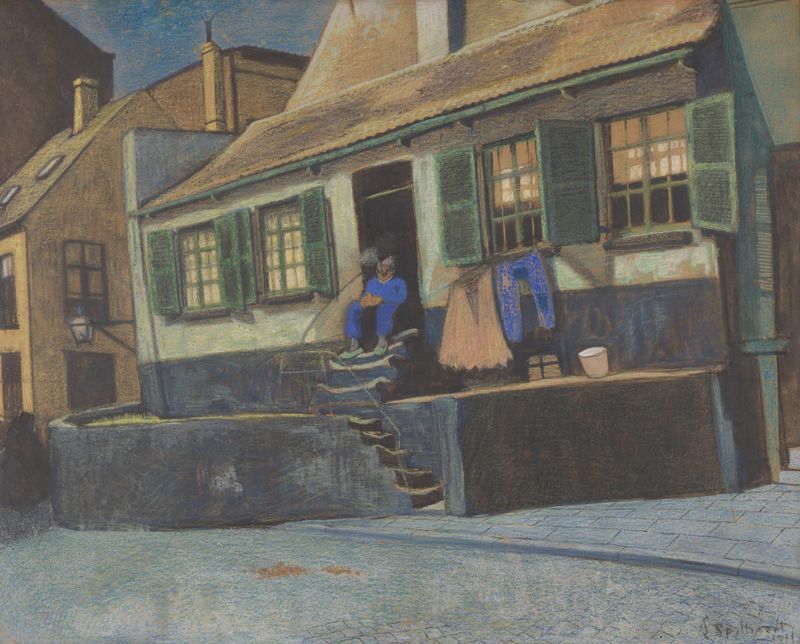
Het huis genaamd ‘De Preekstoel’ te Oostende
Léon Spilliaert

Vijgenboom in de winter, Grasse
Léon Spilliaert
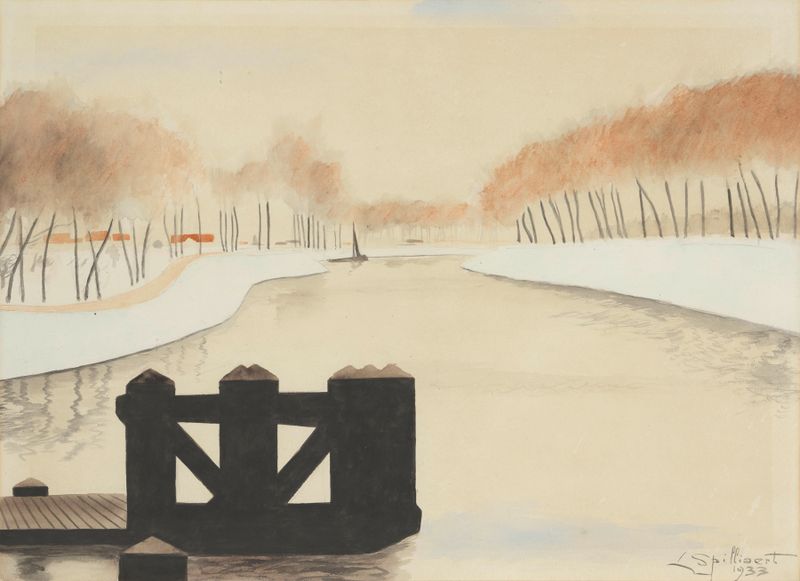
De Keignaertkreek in Zandvoorde
Léon Spilliaert
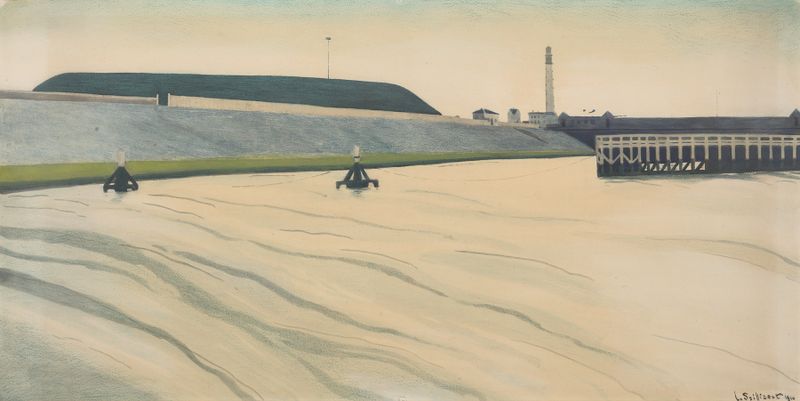
Haven te Oostende
Léon Spilliaert
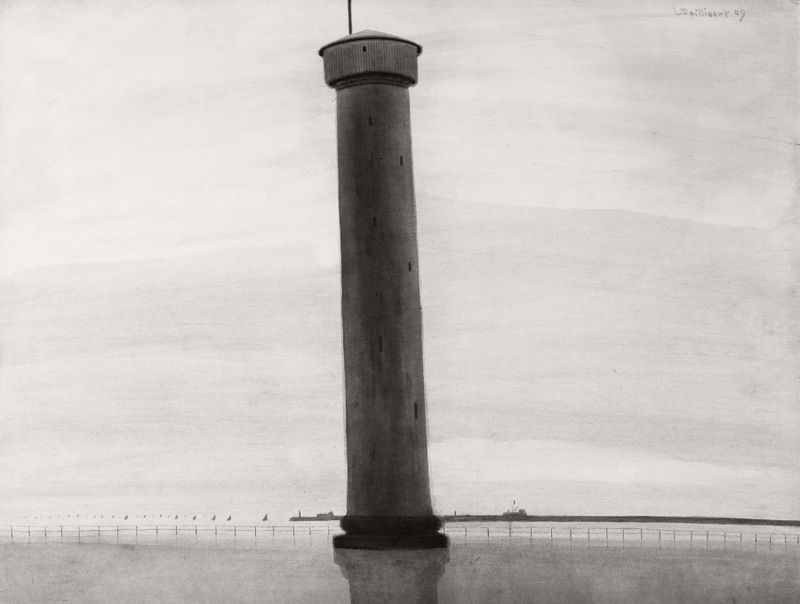
Le Phare aux signaux [De vuurtoren]
Léon Spilliaert
Bomen in de sneeuw
Léon Spilliaert
De Wellingtonrenbaan en het Royal Palace Hotel te Oostende kort na de Tweede Wereldoorlog
Léon Spilliaert





