
Ferry at Schwabel Weiss — History & Facts
Is this a mirror — or a memory? The stillness of water cradles a fragile moment, reflecting not just the world above, but the profound possibility of rebirth that pulses beneath its surface. Look to the center of the canvas, where a ferry leisurely glides through the river, its gentle wake rippling the tranquil water. The muted palette of blues and greens evokes a sense of serenity, while the soft brushstrokes create a dreamlike quality. To the left, the distant shoreline is alive with hints of life, yet overshadowed by the looming trees, suggesting both safety and isolation. Delve into the details that reveal emotional tensions: the solitary figure on the ferry appears contemplative, caught between two realms.
The reflections in the water play with the theme of duality; is this journey towards something new, or a return to what was left behind? The interplay of light and shadow hints at uncertainty, allowing viewers to ponder their own journeys of rebirth while navigating life’s waters. In 1879, Otto Henry Bacher was living in Venice, immersed in the vibrant art scene and experimenting with innovative techniques. This period marked a transition in his career, as he sought to blend realism with impressionistic influences. The world around him was undergoing significant change, with movements in art mirroring the turbulent societal shifts of the time.
It was in this fertile ground of creativity that Ferry at Schwabel Weiss was conceived, embodying the delicate balance of nostalgia and hope.
More Artworks by Otto Henry Bacher
Browse all →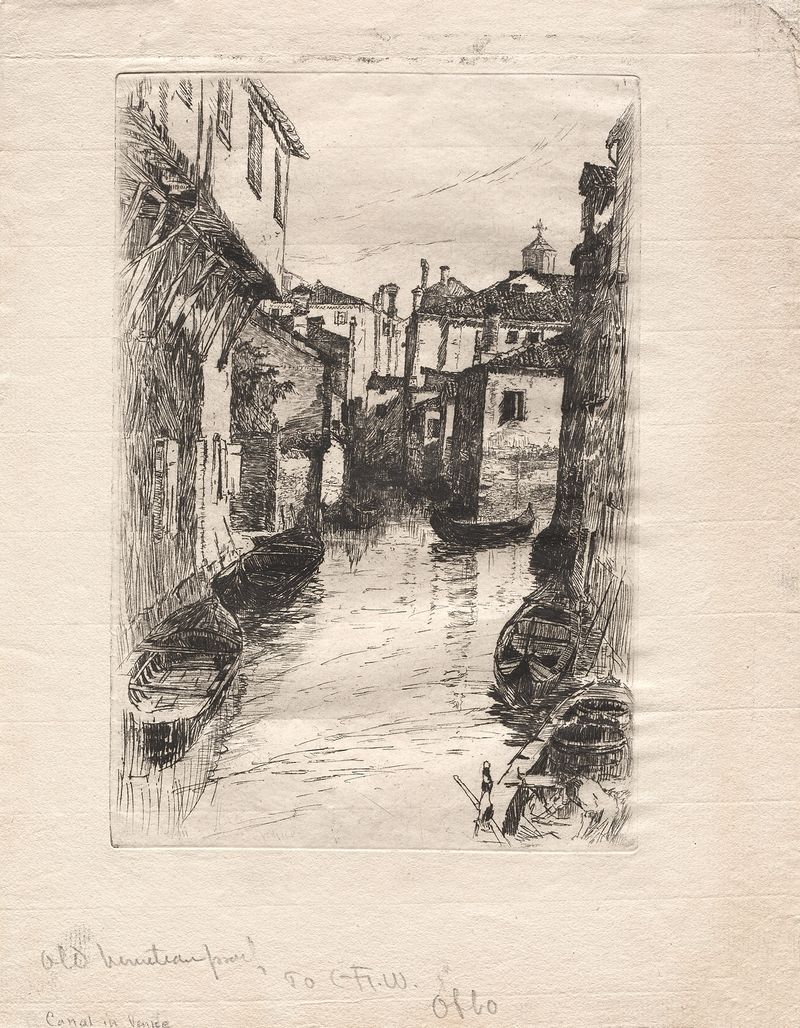
Canal in Venice
Otto Henry Bacher
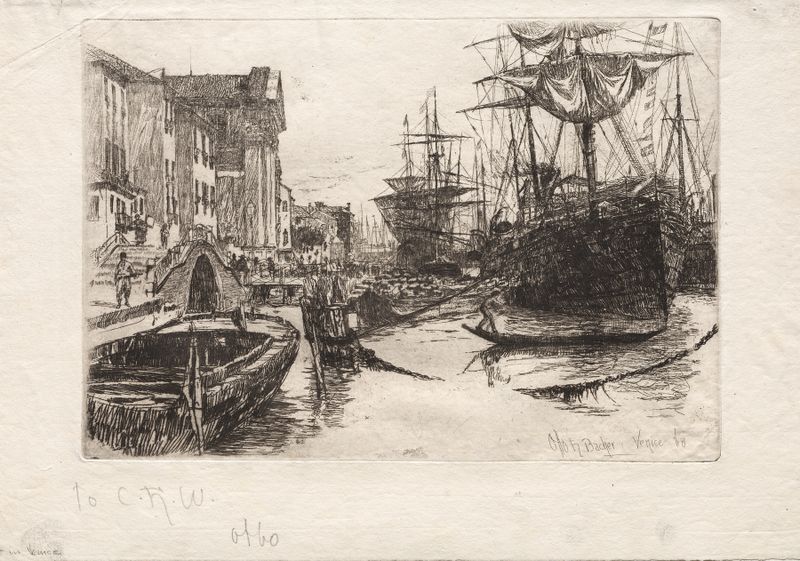
View in Venice
Otto Henry Bacher
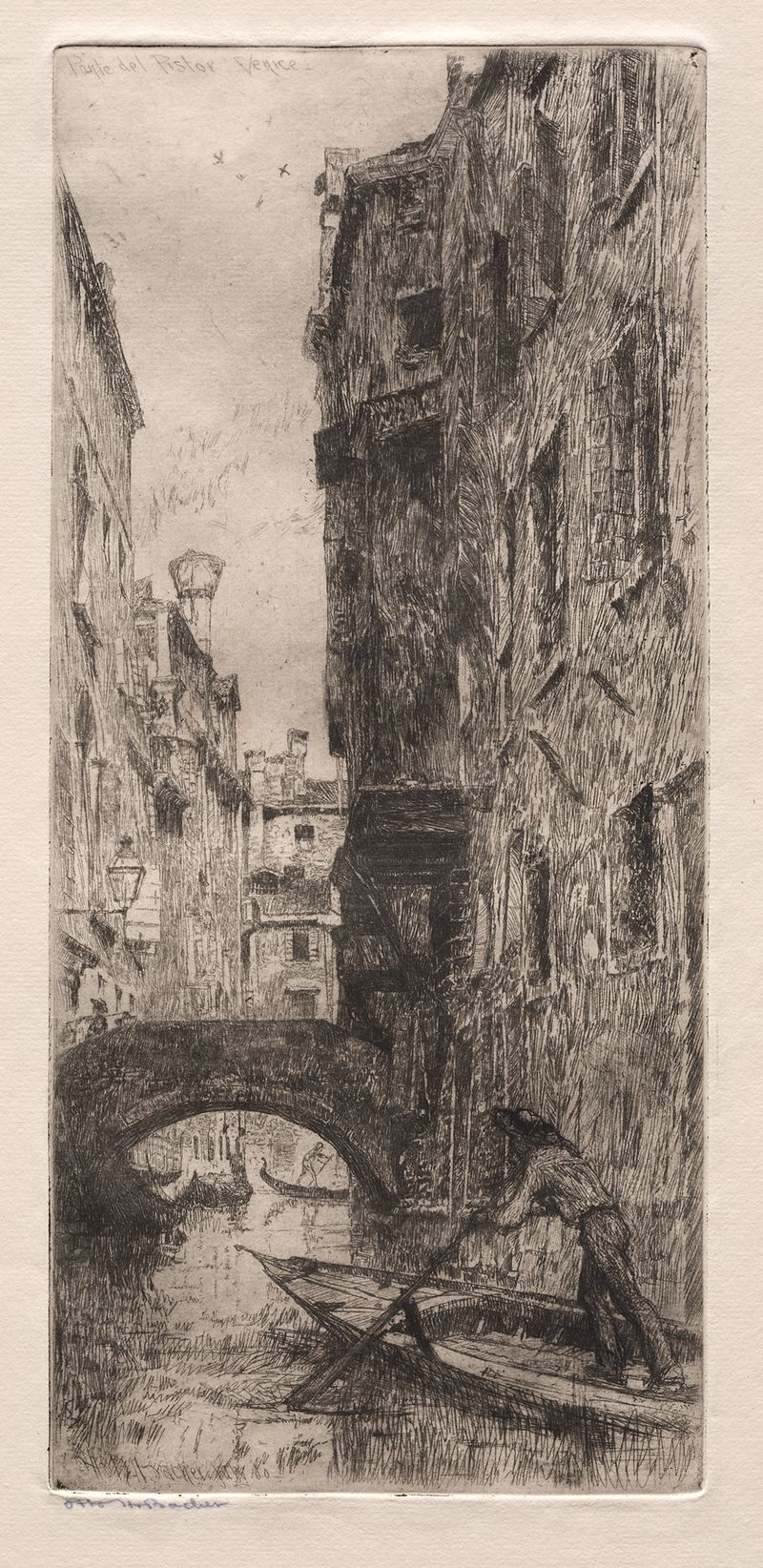
Ponte del Pistor, Venice
Otto Henry Bacher
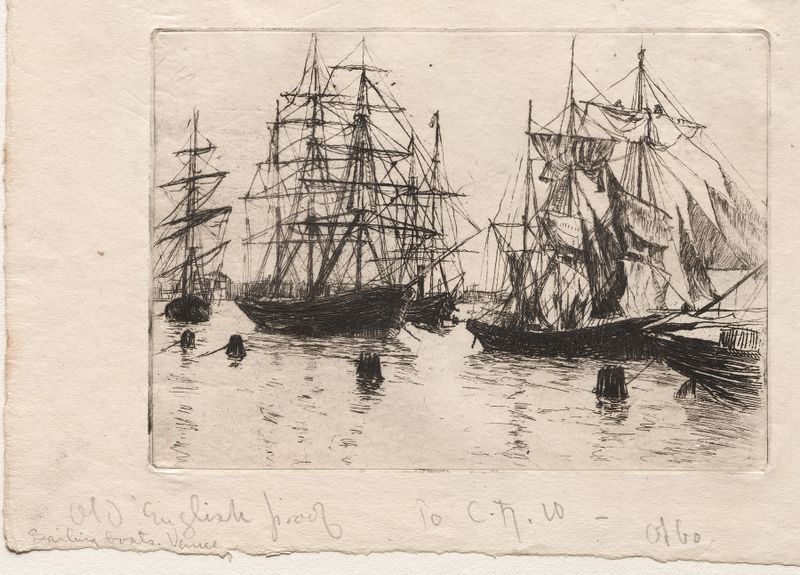
Sailing Boats, Venice
Otto Henry Bacher
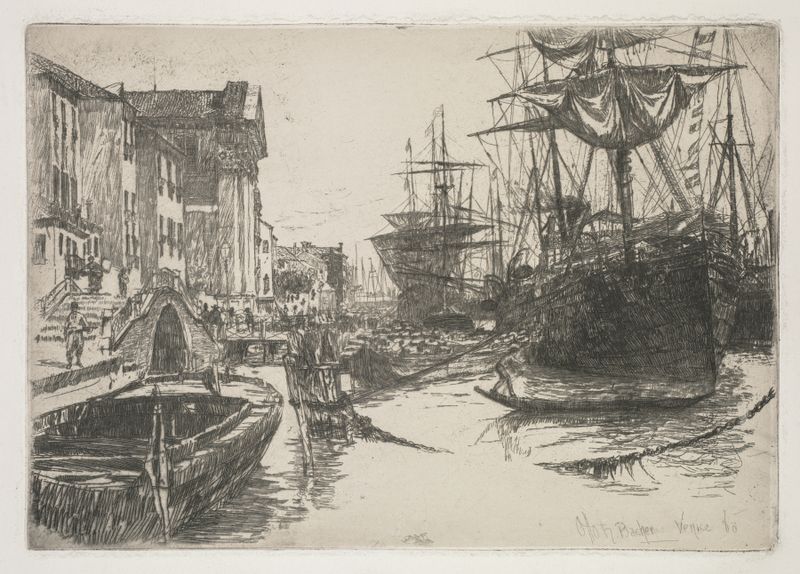
Fondamenta della Zattere
Otto Henry Bacher
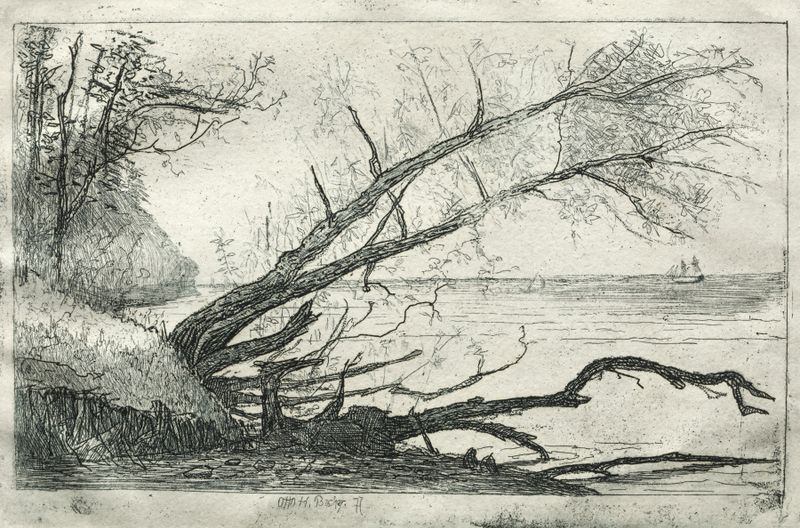
Old Sycamore
Otto Henry Bacher
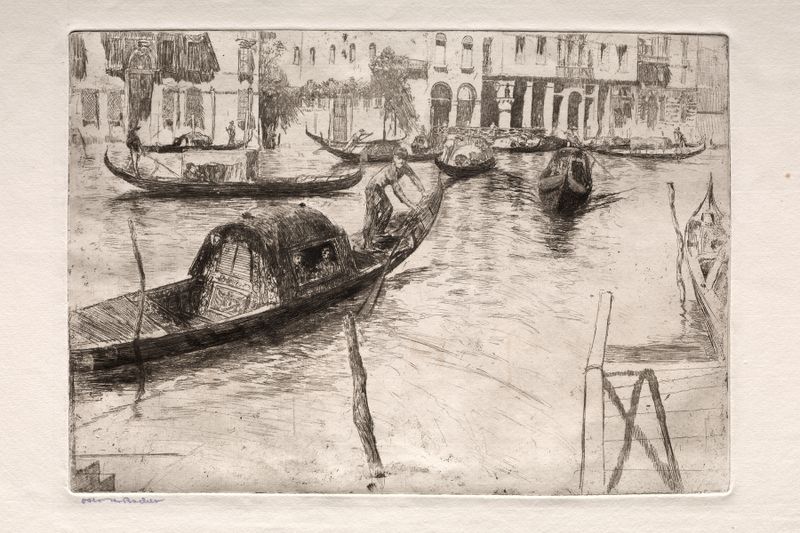
Traghetto San Felice
Otto Henry Bacher
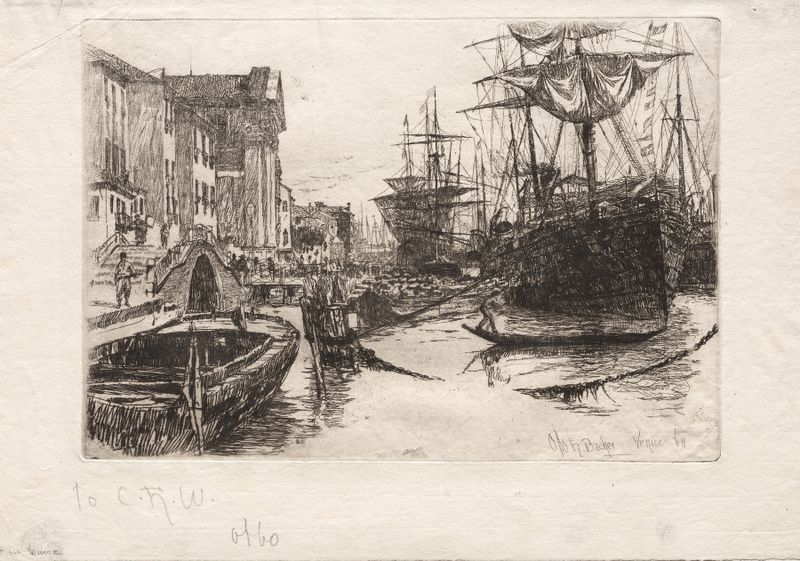
View in Venice
Otto Henry Bacher
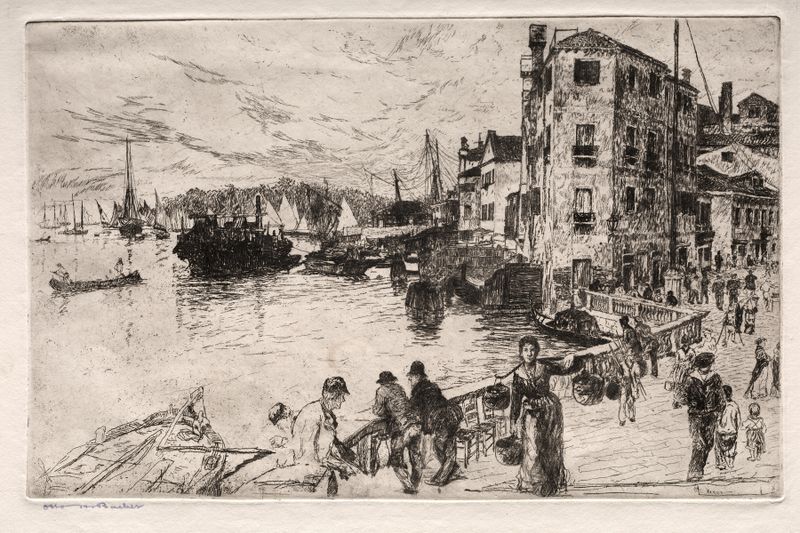
Castello Quarters, Riva
Otto Henry Bacher
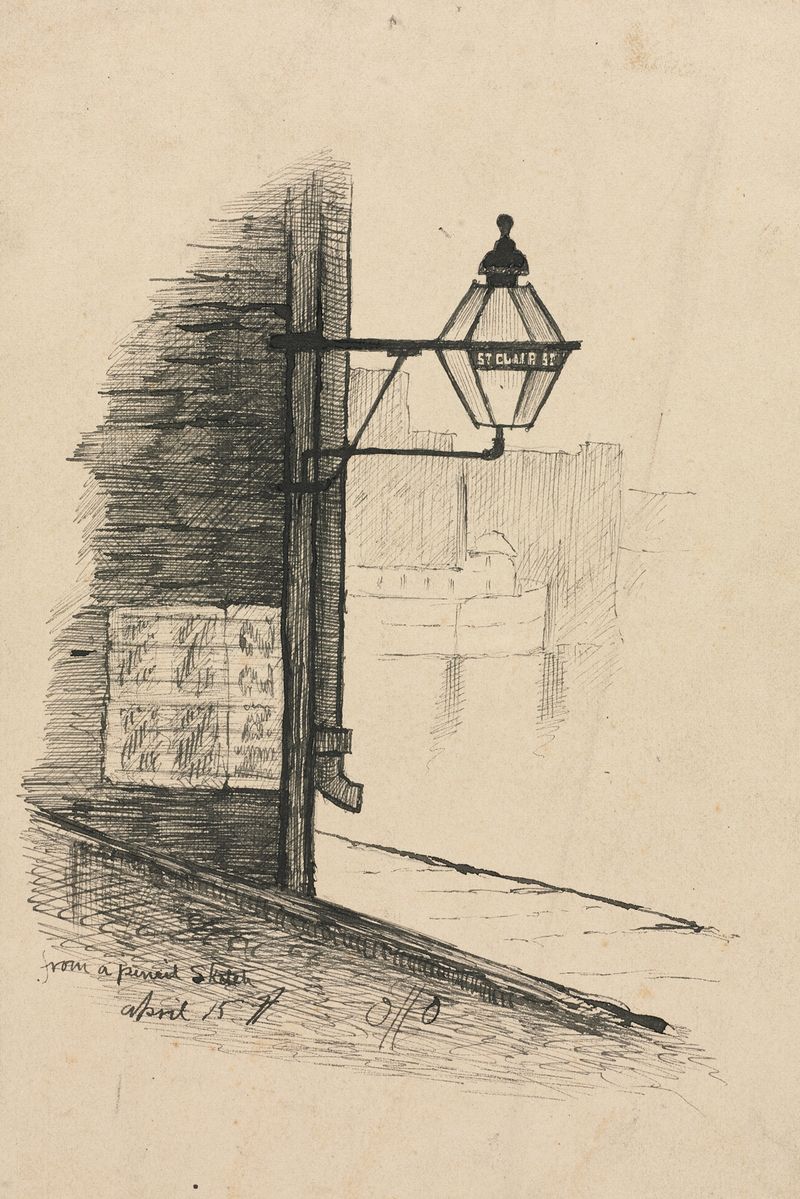
St. Clair Street, Cleveland
Otto Henry Bacher





