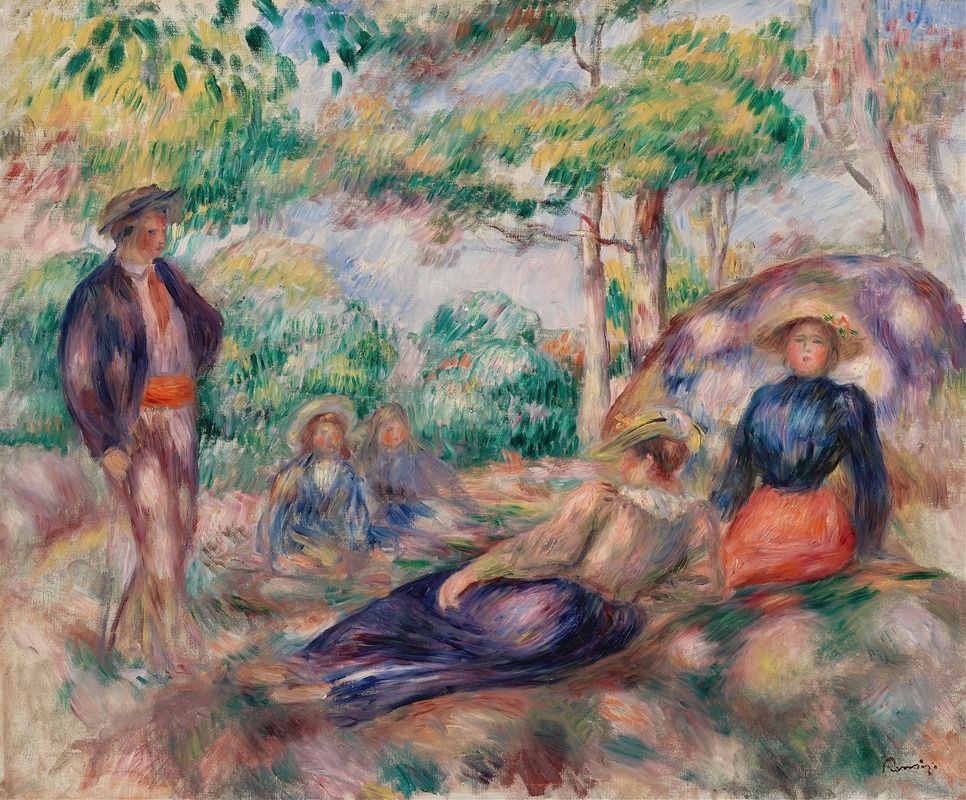
Discover insights about this artwork
Fete Champetre — History & Facts
In Fete Champetre, Jean-Antoine Watteau presents a lively outdoor gathering filled with figures in elegant attire. The colors are soft and pastel, creating a light and airy atmosphere. The scene is set in a lush landscape, with trees and a gentle sky that enhance the festive mood.
The figures engage in conversation and merriment, embodying the spirit of the Rococo era. This painting is characterized by its delicate brushwork and the use of light to create depth and dimension. Watteau employs a palette of soft greens, pinks, and blues, typical of the Rococo style. The composition is dynamic, with figures arranged in a way that leads the viewer's eye through the scene.
The attention to detail in the clothing and expressions of the figures adds to the overall charm of the work. Jean-Antoine Watteau was a key figure in the Rococo movement, known for his ability to capture the elegance and frivolity of 18th-century French society. Fete Champetre is particularly interesting as it reflects the artist's fascination with the theme of love and leisure. This work is often celebrated for its portrayal of the joyous aspects of life, making it a notable example of genre painting.
Watteau's influence can be seen in the works of later artists who sought to emulate his style and subject matter.
More Artworks by Jean-Antoine Watteau
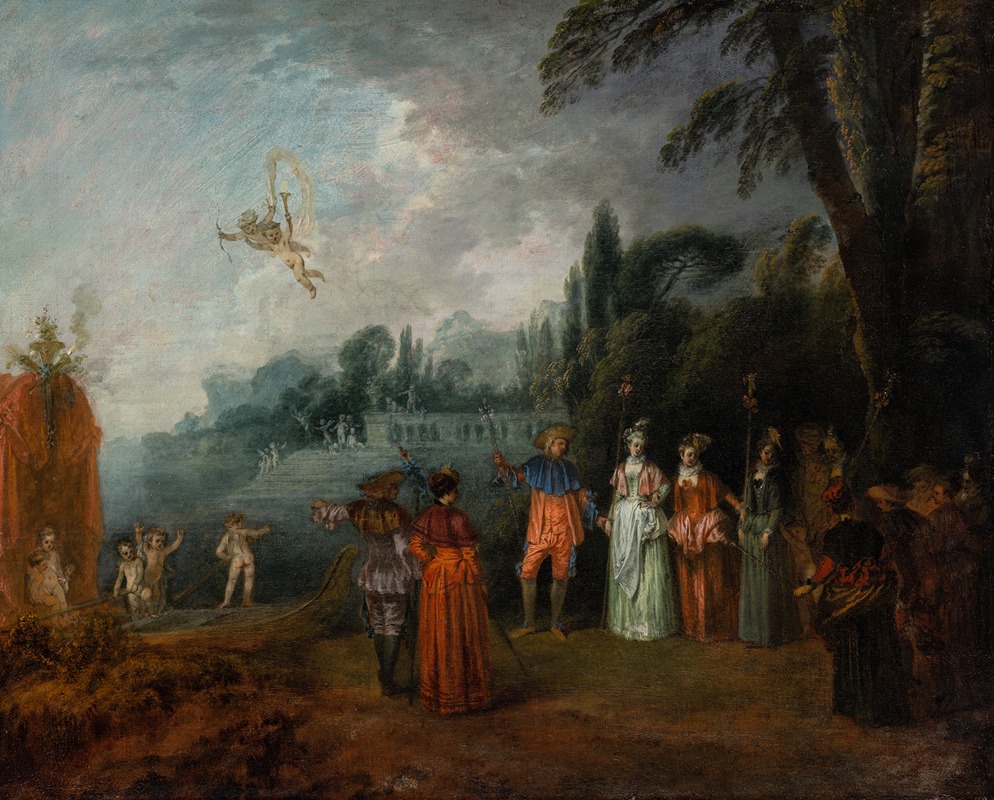
The Embarkation for Cythera
Jean-Antoine Watteau
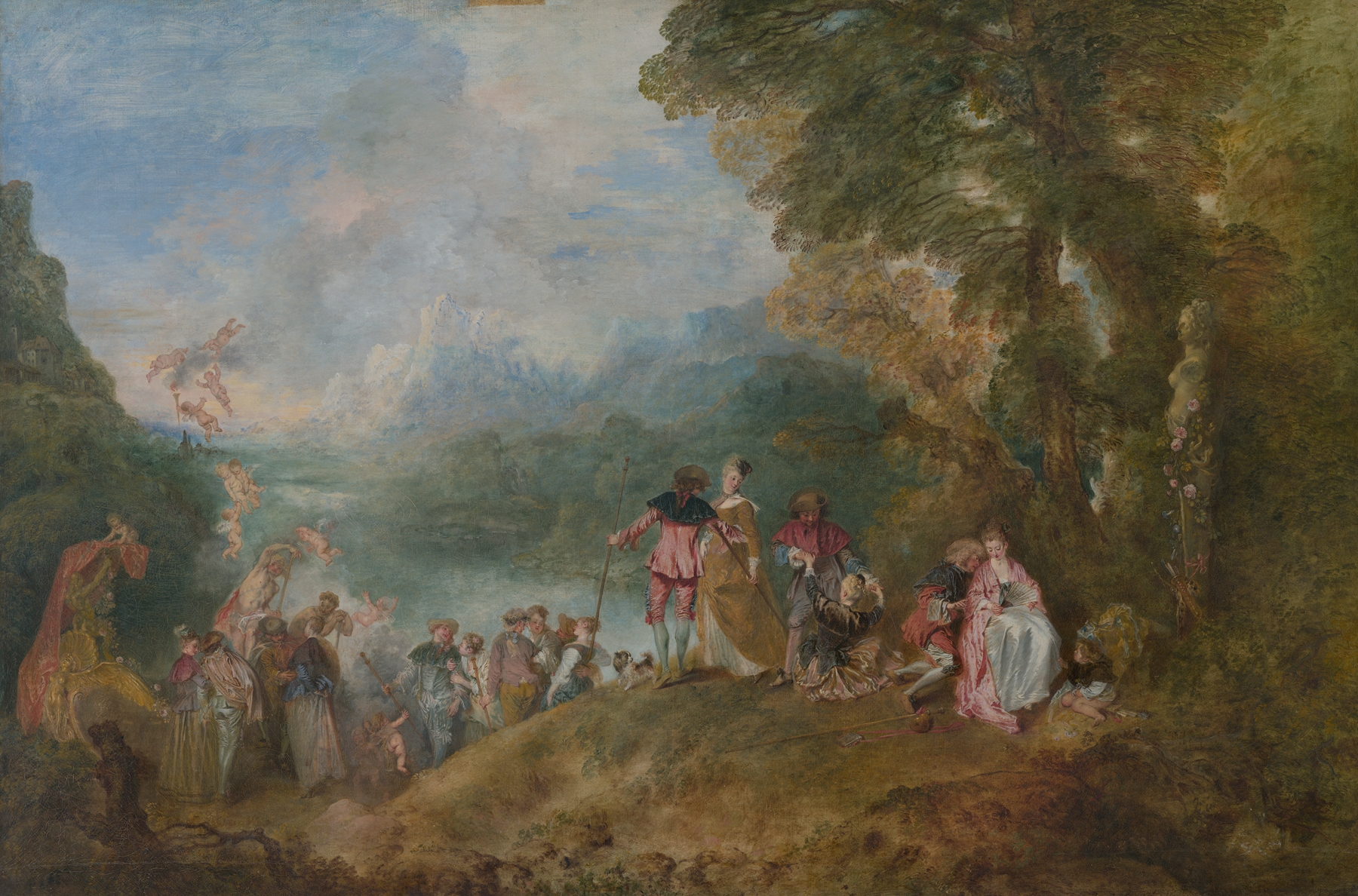
L’Embarquement pour Cythere
Jean-Antoine Watteau
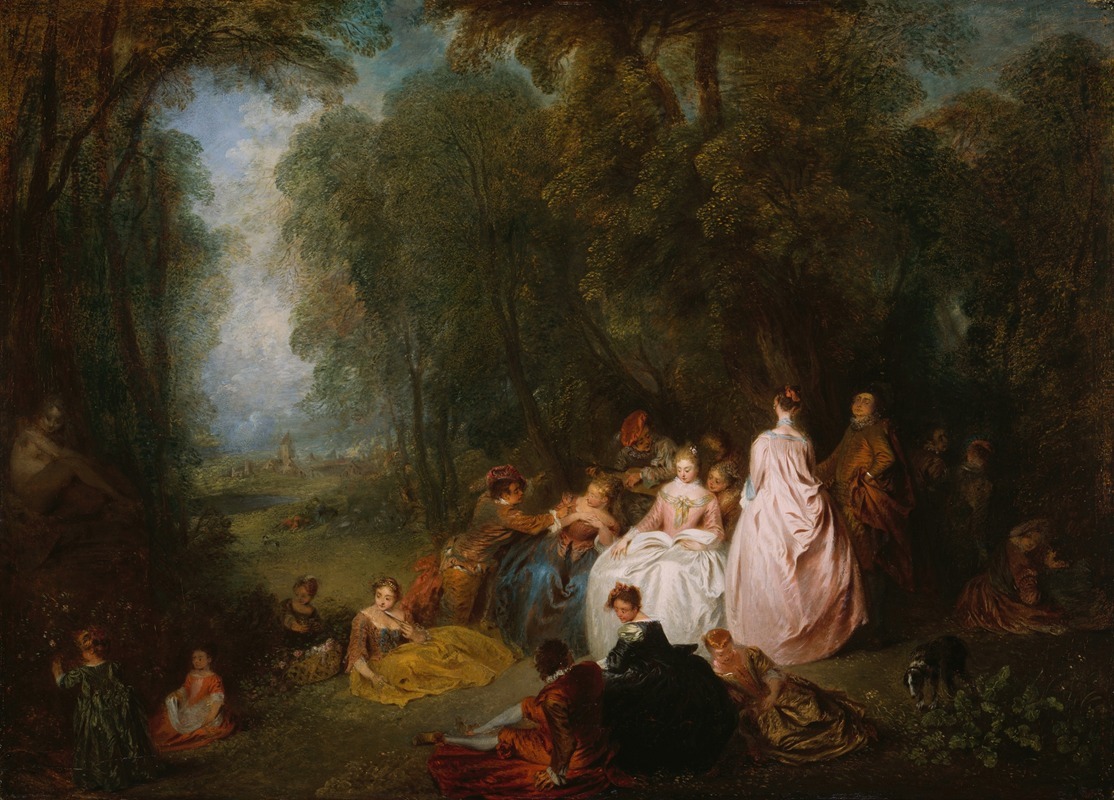
Fête champêtre (Pastoral Gathering)
Jean-Antoine Watteau

The Clothes are Italian
Jean-Antoine Watteau
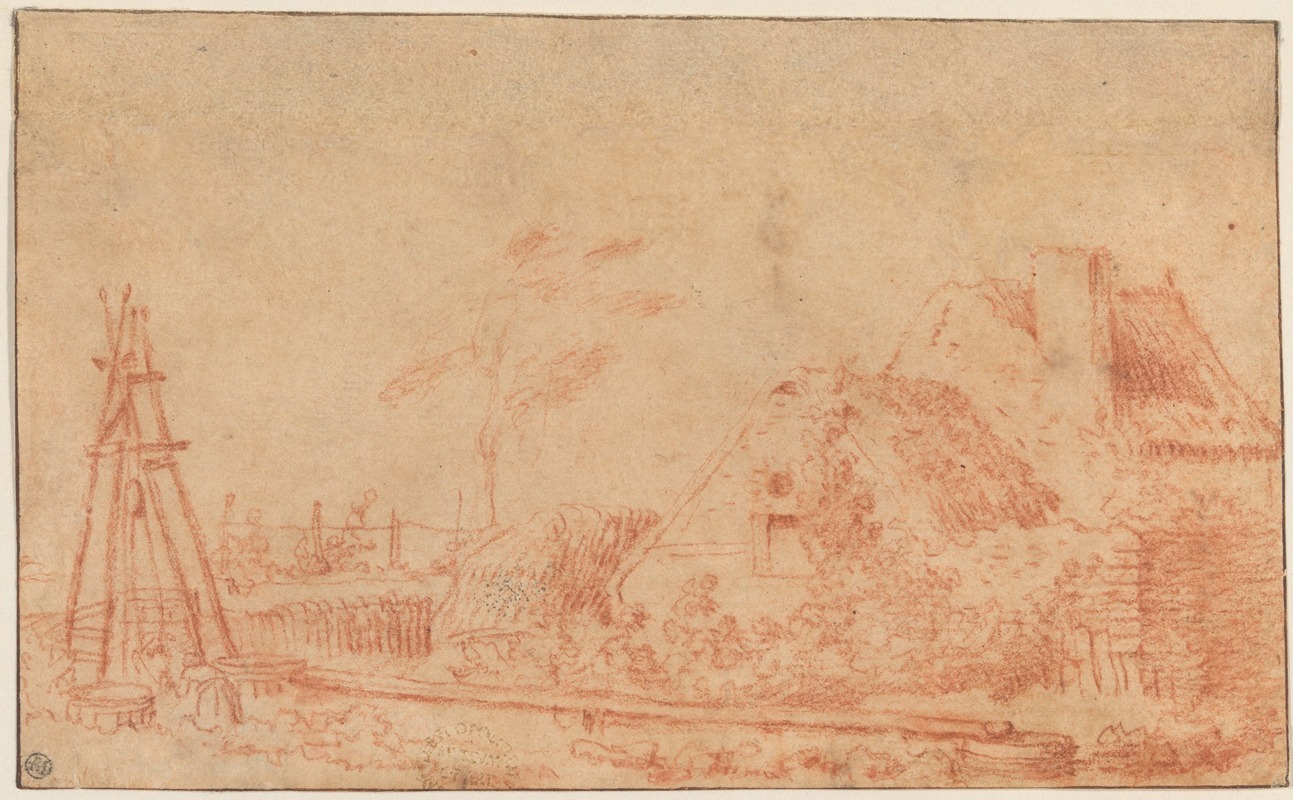
Landscape with a Cottage and Well
Jean-Antoine Watteau
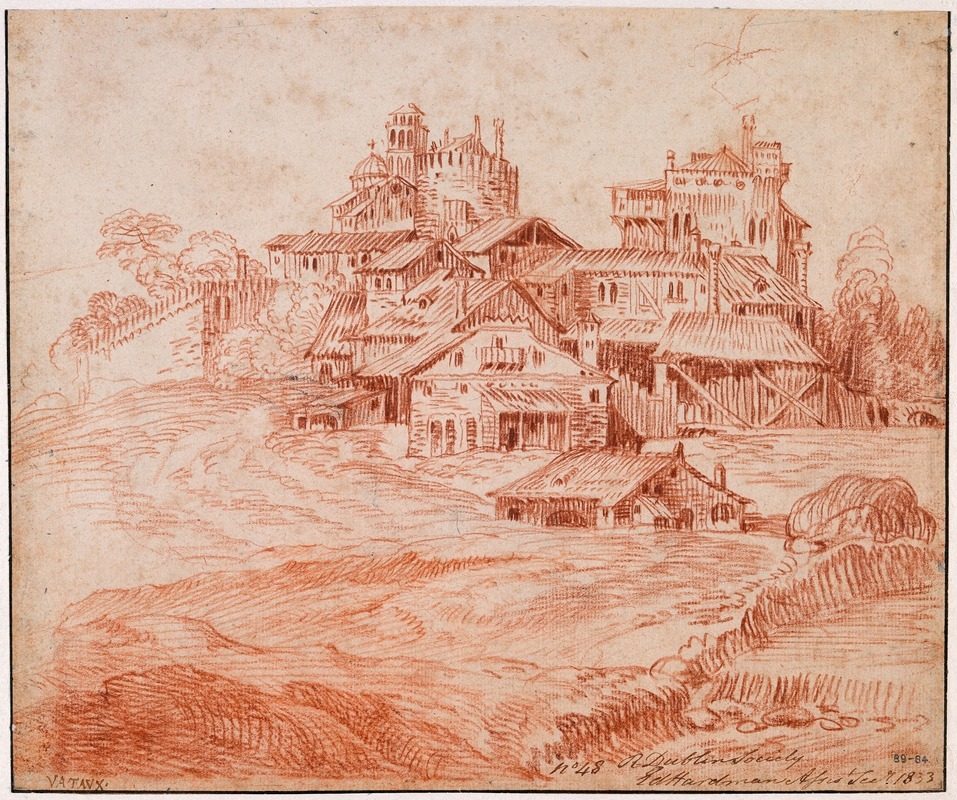
Fortified Village with a Castle, Keep and a Church
Jean-Antoine Watteau

Gentilhomme debout tenant avec sa canne
Jean-Antoine Watteau

Fêtes Venitiennes
Jean-Antoine Watteau

Standing Girl; barefoot, lifting her skirt
Jean-Antoine Watteau
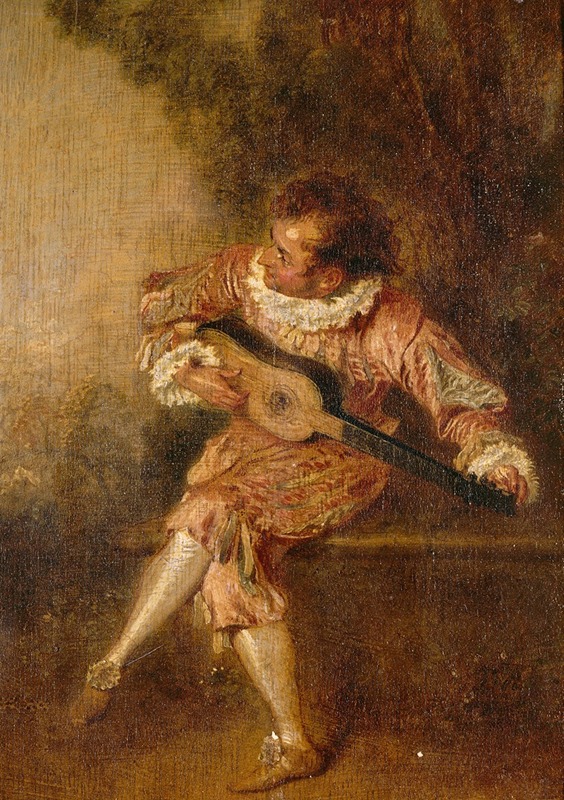
Le donneur de sérénades (Mezetin)
Jean-Antoine Watteau