
The Clothes are Italian — History & Facts
In The Clothes are Italian, Jean-Antoine Watteau presents a lively outdoor scene filled with fashionable figures. The painting is characterized by soft pastel colors, predominantly pinks and greens, which create a light and airy atmosphere. The figures are elegantly dressed, showcasing the latest Italian fashions of the time.
The setting suggests a social gathering, possibly in a park or garden, where the characters engage in conversation and leisure activities. The painting is executed in oil on canvas, a common medium for Watteau's works. The brushwork is delicate, capturing the textures of the clothing and the natural surroundings. Watteau's use of light enhances the three-dimensionality of the figures, giving them a sense of movement and life.
The composition is balanced, drawing the viewer's eye across the canvas and inviting them into the scene. Jean-Antoine Watteau was a leading figure in the Rococo movement, known for his depictions of elegant social scenes. The Clothes are Italian reflects his fascination with fashion and the social dynamics of his time. An interesting fact about this work is that it highlights the influence of Italian styles on French fashion during the early 18th century.
Watteau's ability to blend realism with a touch of fantasy makes this piece a notable example of his artistic vision.
More Artworks by Jean-Antoine Watteau
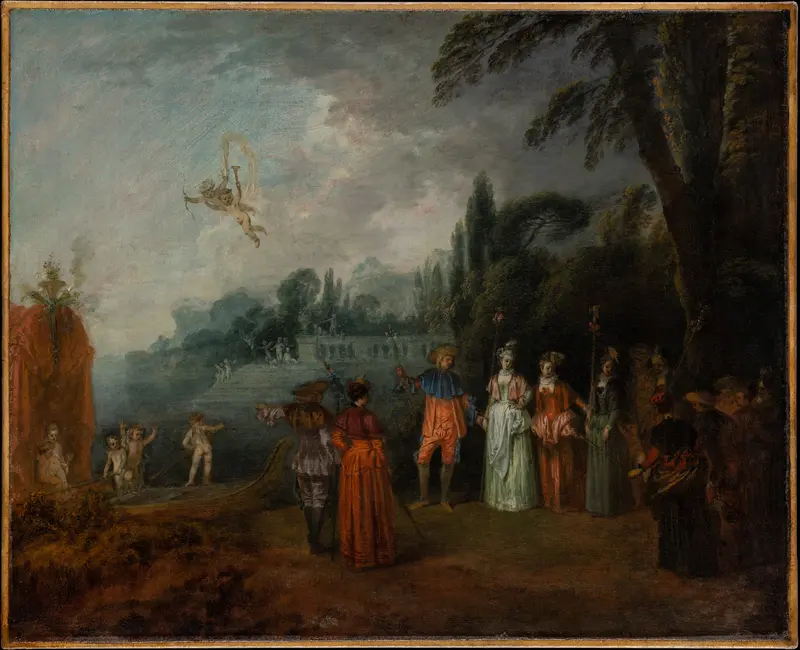
The Embarkation for Cythera
Jean-Antoine Watteau
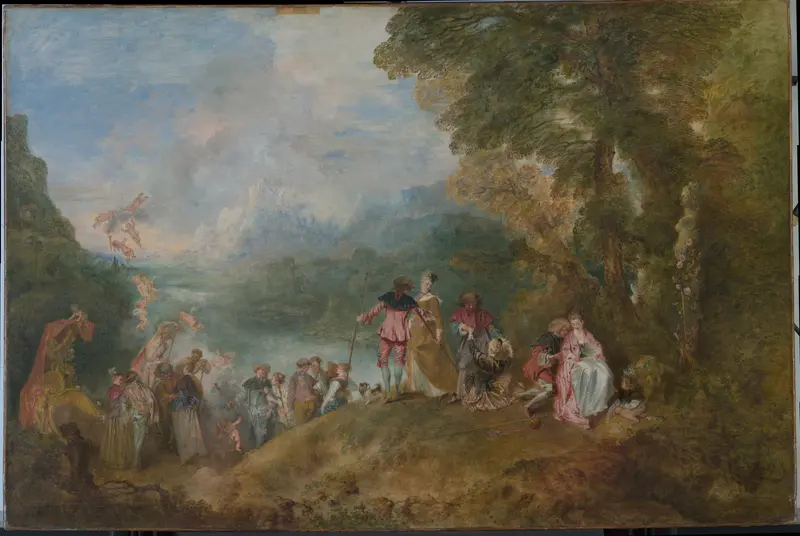
L’Embarquement pour Cythere
Jean-Antoine Watteau
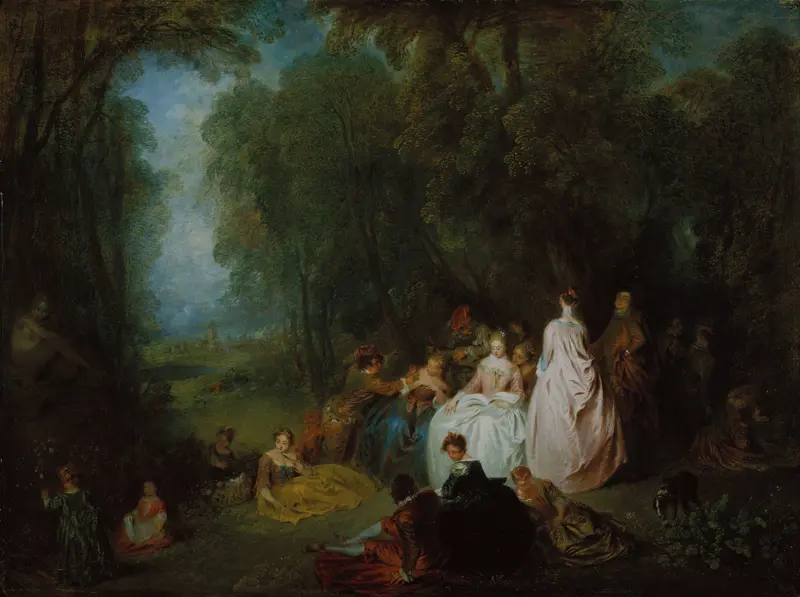
Fête champêtre (Pastoral Gathering)
Jean-Antoine Watteau
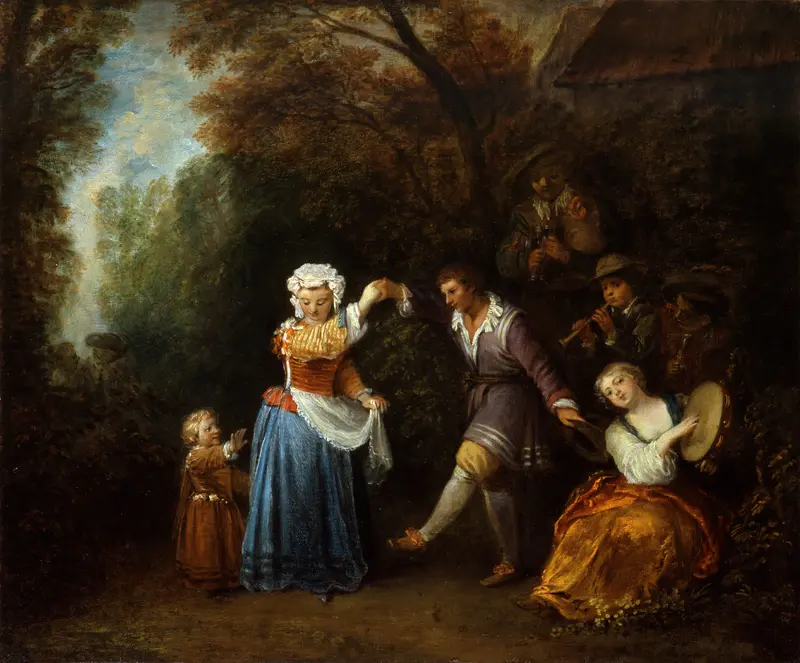
The Country Dance
Jean-Antoine Watteau

The French Comedians
Jean-Antoine Watteau
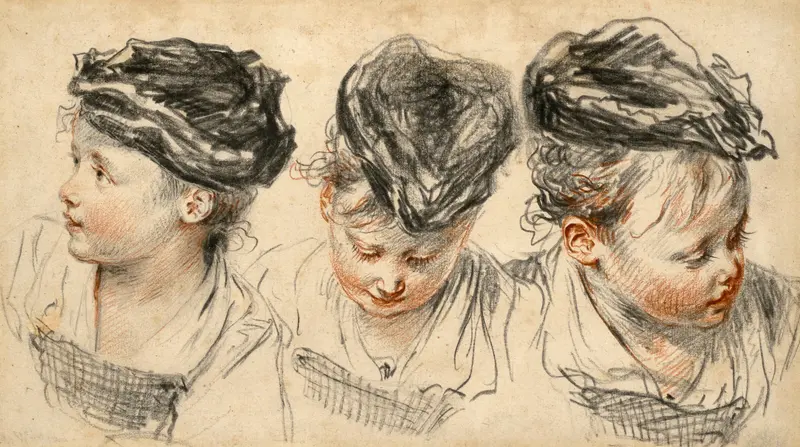
Three head studies of a girl wearing a hat
Jean-Antoine Watteau
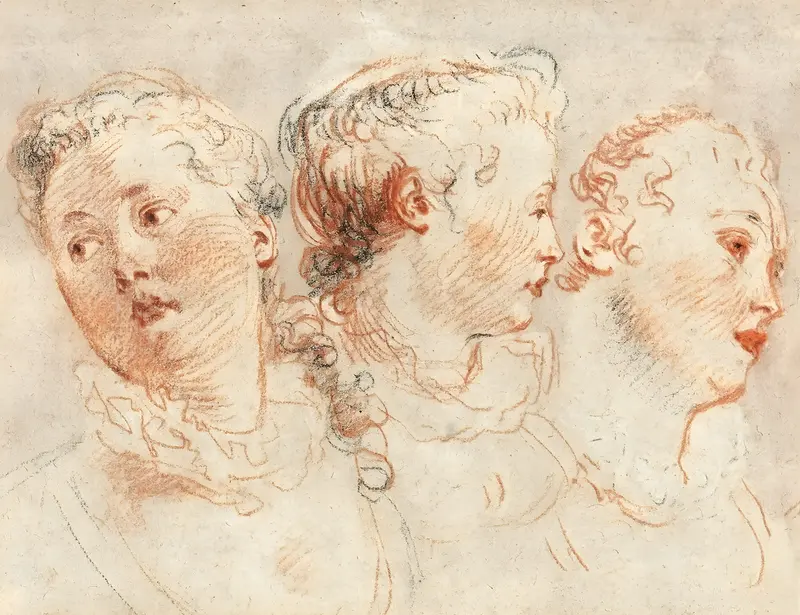
Three Studies Of The Head Of A Woman
Jean-Antoine Watteau

Portret van een dame met harlekijn
Jean-Antoine Watteau
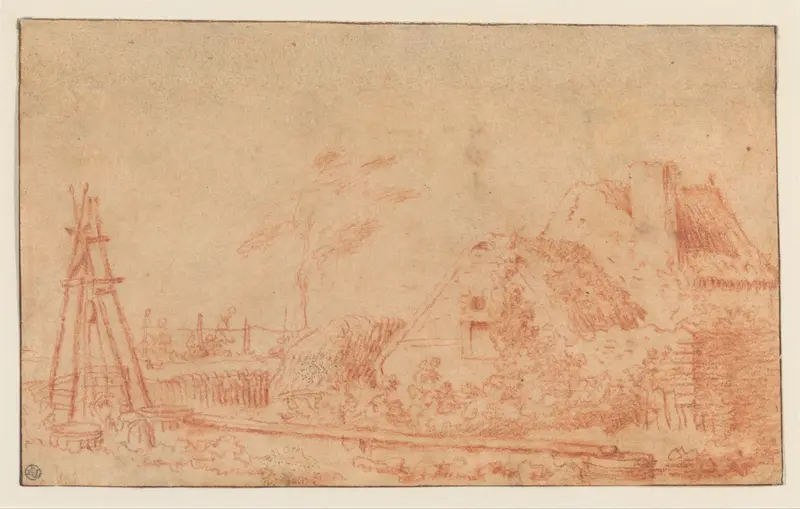
Landscape with a Cottage and Well
Jean-Antoine Watteau
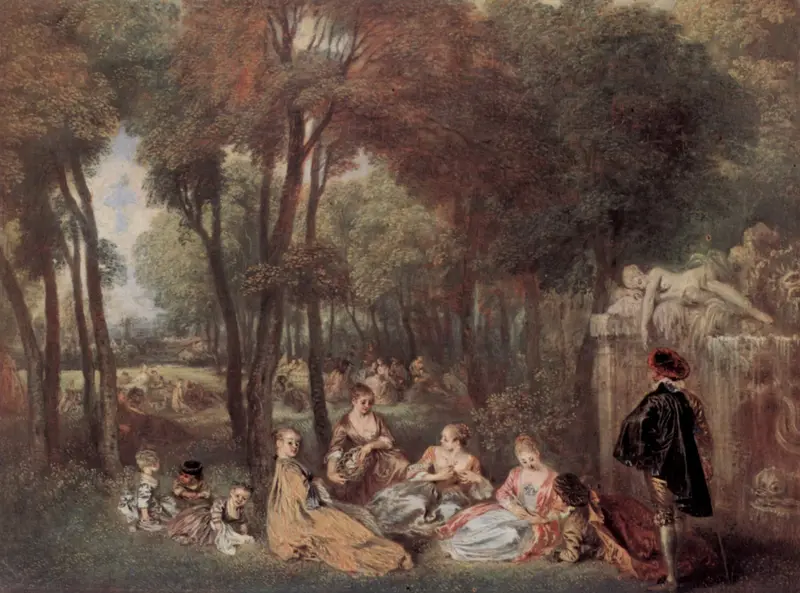
Les Champs Elisées
Jean-Antoine Watteau
More Genre Scene Art

Banquet of the Officers of the St George Civic Guard
Frans Hals

Rembrandt and Saskia in the Scene of the Prodigal Son
Rembrandt van Rijn

Bal du moulin de la Galette
Pierre-Auguste Renoir

Quadrille at the Moulin Rouge
Henri de Toulouse-Lautrec

A Burial at Ornans
Gustave Courbet

When Will You Marry?
Paul Gauguin