
Fêtes Venitiennes — History & Facts
In Fêtes Venitiennes, Jean-Antoine Watteau captures a lively gathering set against the backdrop of Venice. The painting is filled with vibrant colors, showcasing a mix of soft pastels and rich hues. Figures in elaborate costumes engage in conversation and merriment, embodying the spirit of celebration.
The setting is adorned with lush greenery and architectural elements typical of Venetian scenery. The painting is executed in oil on canvas, a popular medium during the Rococo period. Watteau's technique includes delicate brushwork that creates a sense of movement among the figures. The composition is balanced, drawing the viewer's eye across the canvas through the arrangement of the characters and the surrounding environment.
The dimensions are approximately 100 x 130 cm, making it a substantial work that invites close inspection. Jean-Antoine Watteau was a pivotal figure in the Rococo movement, known for his ability to convey emotion through scenes of leisure and festivity. Fêtes Venitiennes is particularly interesting as it reflects the artist's fascination with the culture of Venice, a city renowned for its vibrant social life. This work exemplifies the playful and decorative aspects of Rococo art, often characterized by its lighthearted themes.
Watteau's influence extended beyond his lifetime, inspiring future generations of artists in their exploration of genre scenes.
More Artworks by Jean-Antoine Watteau
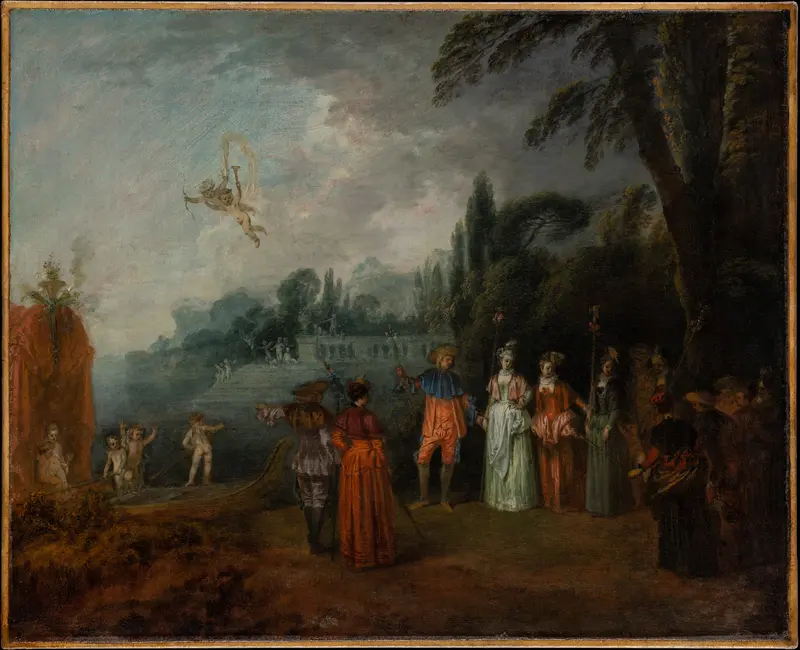
The Embarkation for Cythera
Jean-Antoine Watteau
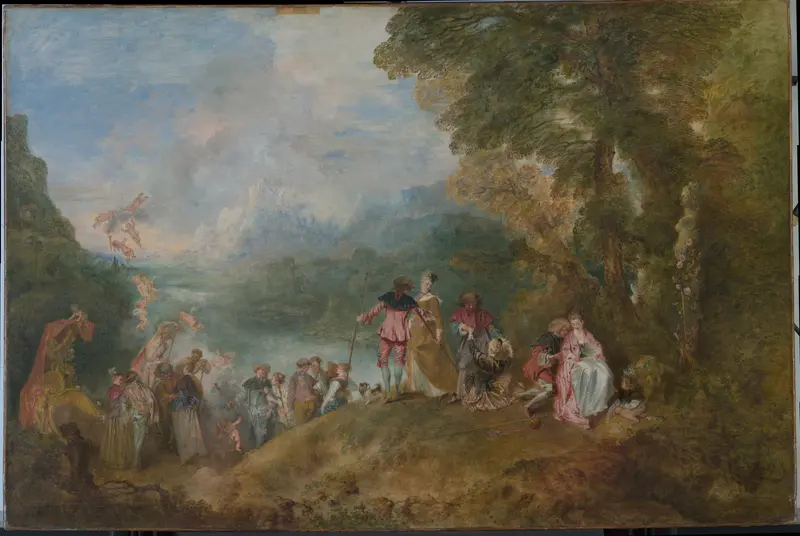
L’Embarquement pour Cythere
Jean-Antoine Watteau
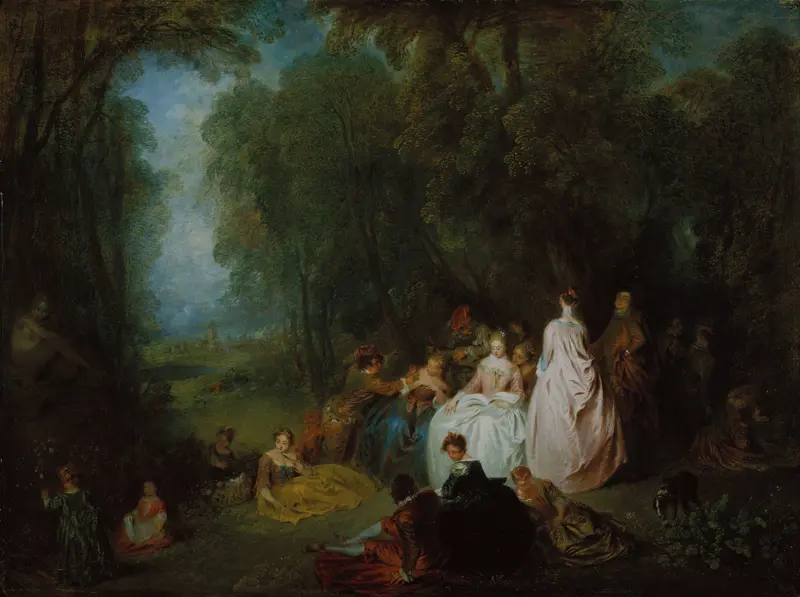
Fête champêtre (Pastoral Gathering)
Jean-Antoine Watteau
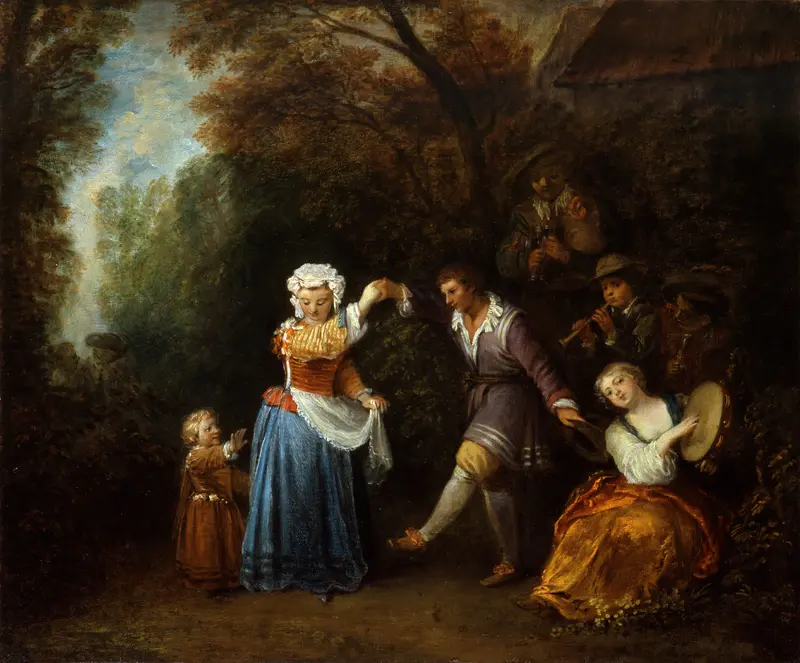
The Country Dance
Jean-Antoine Watteau

The French Comedians
Jean-Antoine Watteau
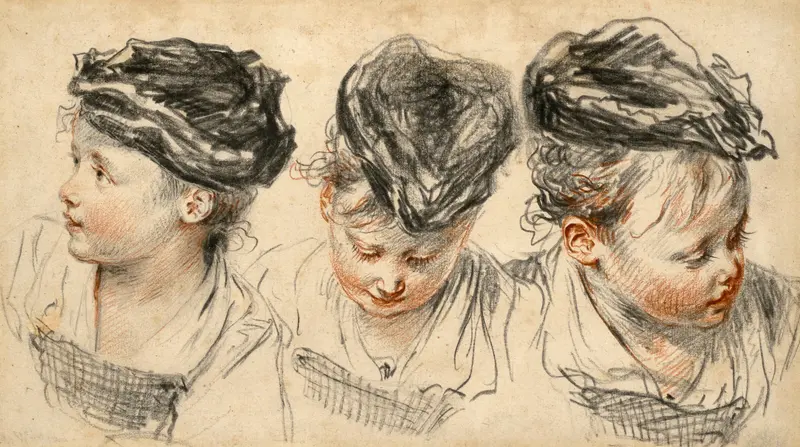
Three head studies of a girl wearing a hat
Jean-Antoine Watteau
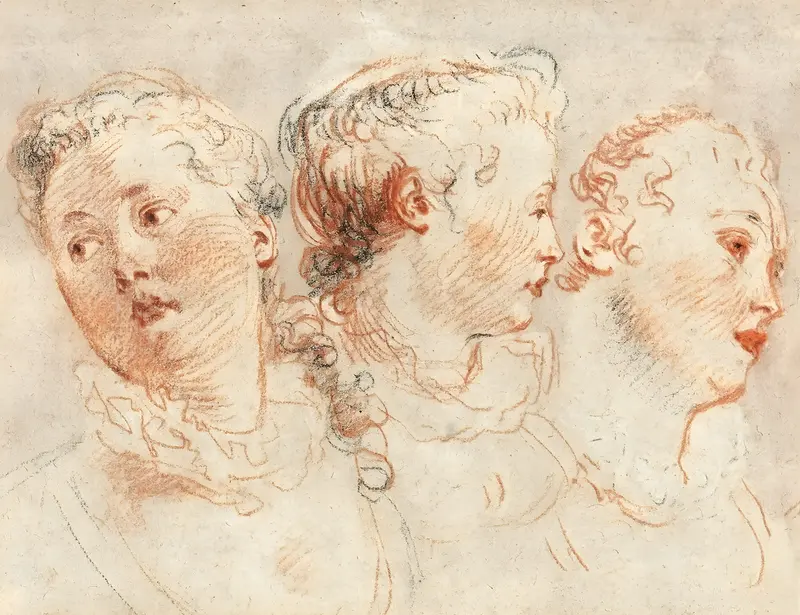
Three Studies Of The Head Of A Woman
Jean-Antoine Watteau

Portret van een dame met harlekijn
Jean-Antoine Watteau
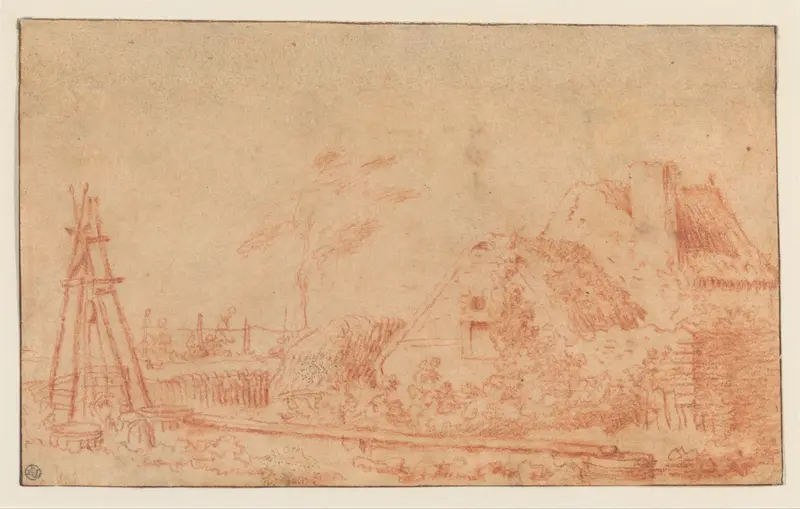
Landscape with a Cottage and Well
Jean-Antoine Watteau
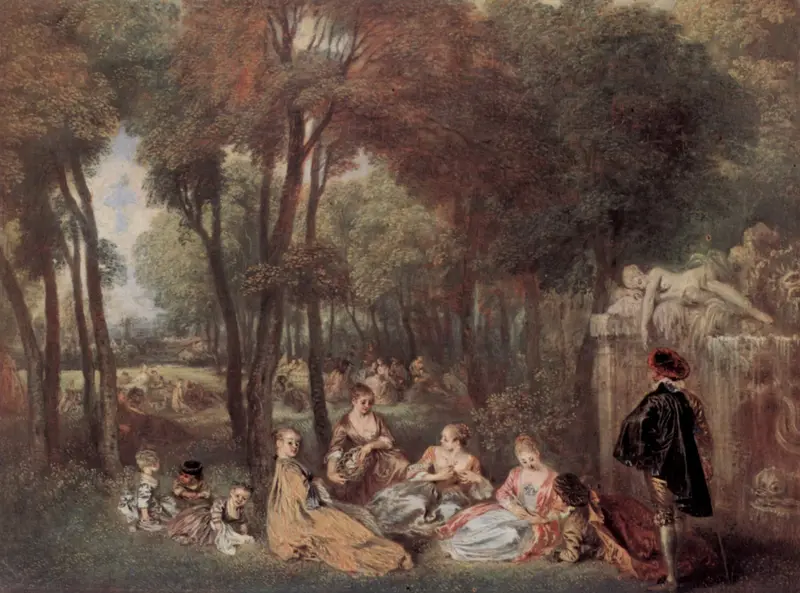
Les Champs Elisées
Jean-Antoine Watteau
More Genre Scene Art

Banquet of the Officers of the St George Civic Guard
Frans Hals

Rembrandt and Saskia in the Scene of the Prodigal Son
Rembrandt van Rijn

Bal du moulin de la Galette
Pierre-Auguste Renoir

Quadrille at the Moulin Rouge
Henri de Toulouse-Lautrec

A Burial at Ornans
Gustave Courbet

When Will You Marry?
Paul Gauguin