
Feuchter Wintertag — History & Facts
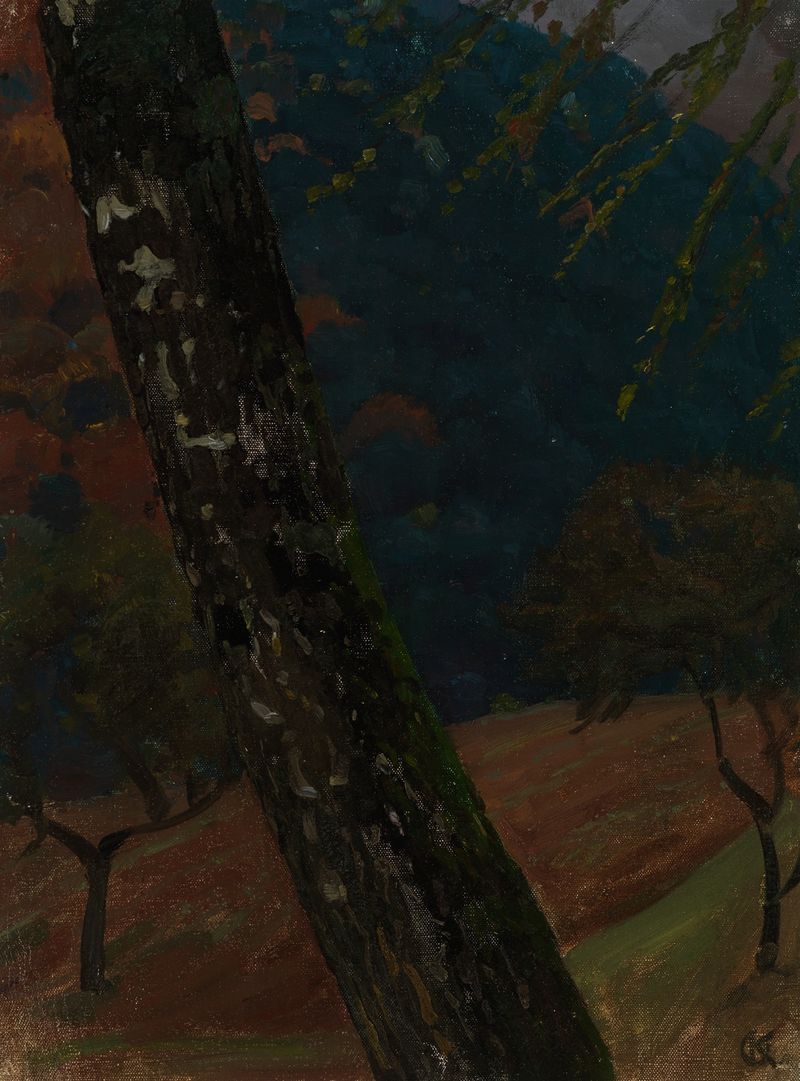
Look closely at the swirling strokes of ice-blue and muted browns; this is where the canvas breathes life into a winter's day. Focus on the gentle curves of the landscape, where the frost-kissed trees bend under the weight of their burdens, and the sky looms above, heavy with clouds that seem to melt into the horizon. The interplay of light and shadow enhances the chill in the air, inviting you to feel the biting cold yet simultaneously revel in the silent beauty of the season. Beneath the surface, the painting reveals a contrast between desolation and serenity.
The barren branches symbolize both the harshness of winter and the promise of rebirth, echoing the cycles of time. Each stroke captures fleeting moments, as if the artist were whispering a secret about the transience of life. The muted palette suggests a world held in suspended animation, where time, wrapped in winter's embrace, stands still yet is always in motion. In 1895, while Kampmann created this work, he was immersed in an environment that was experiencing a shift towards modernity in art.
Living in Germany, he was influenced by the emerging movements of Impressionism and Naturalism, which sought to depict scenes of everyday life infused with emotional resonance. This painting reflects his exploration of the passage of time, a theme that resonates with many artists during this period as they grappled with changing perspectives on nature and existence.
More Artworks by Gustav Kampmann
Browse all →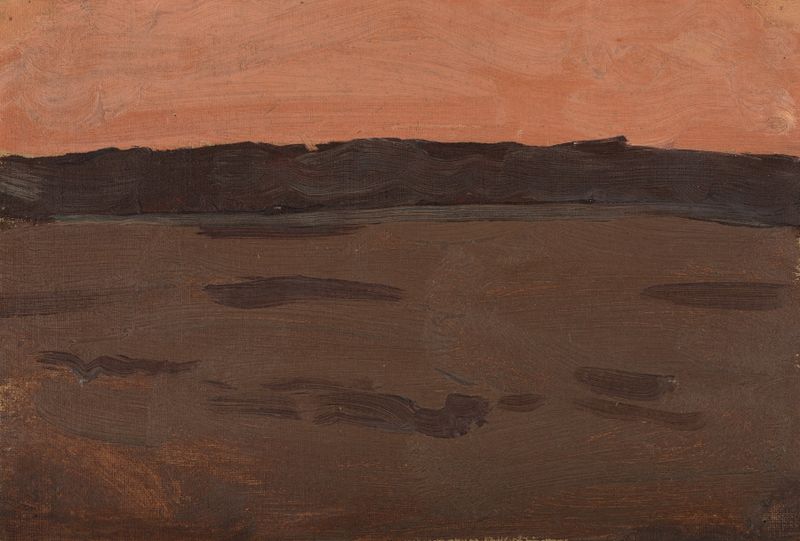
Abendstimmung
Gustav Kampmann

Eisenbahn am Abend
Gustav Kampmann

Nach Sonnenuntergang im Winter
Gustav Kampmann

Blick von der Hornisgrinde
Gustav Kampmann

Hügelige Landschaft mit Baumreihe
Gustav Kampmann
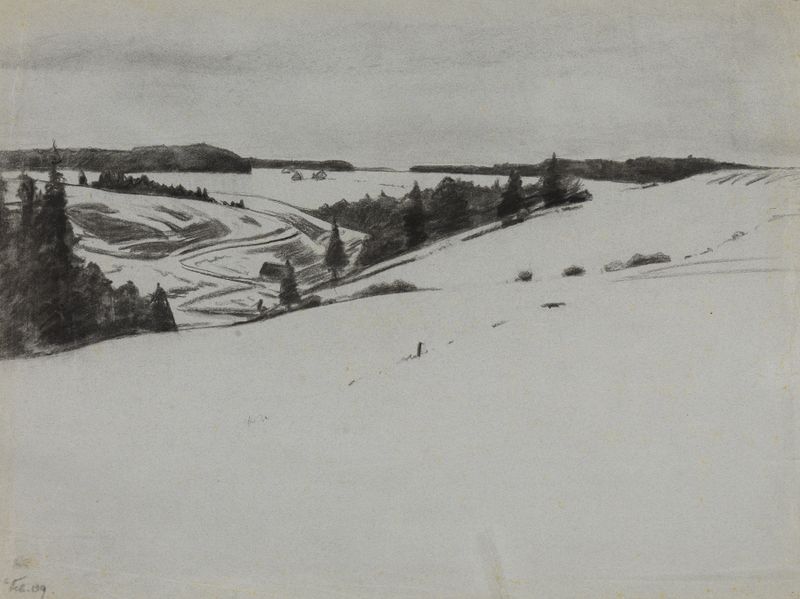
Schneelandschaft bei Königsfeld
Gustav Kampmann
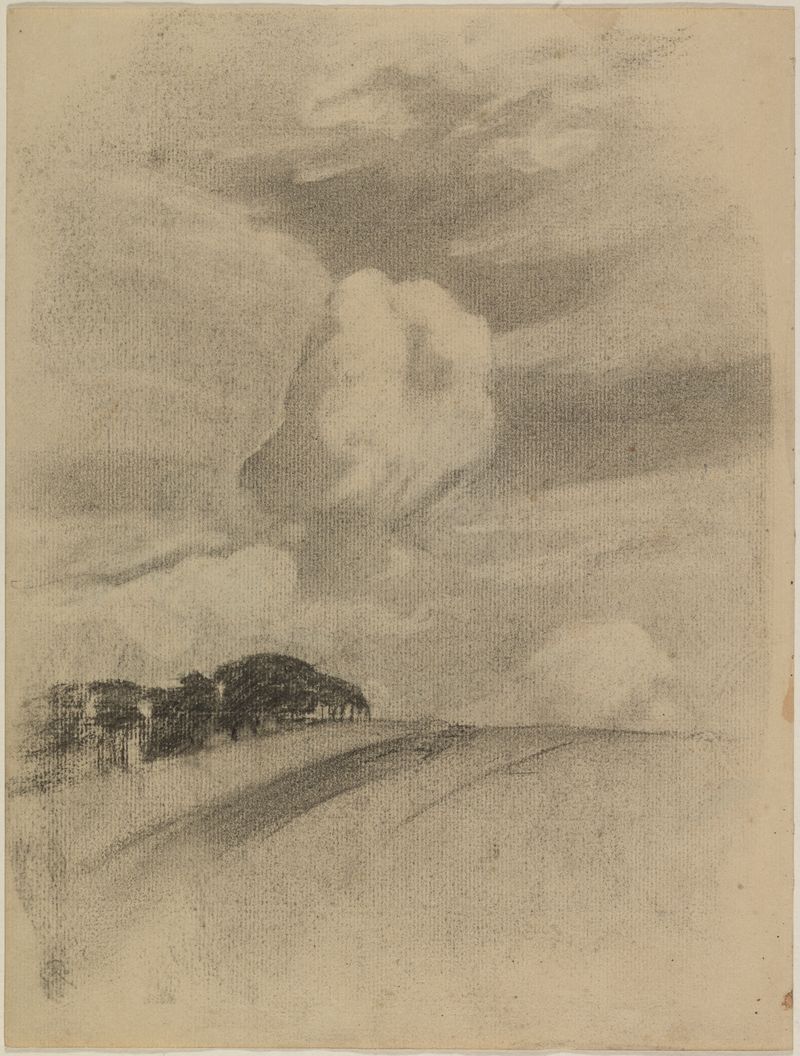
Landschaftsstudie
Gustav Kampmann
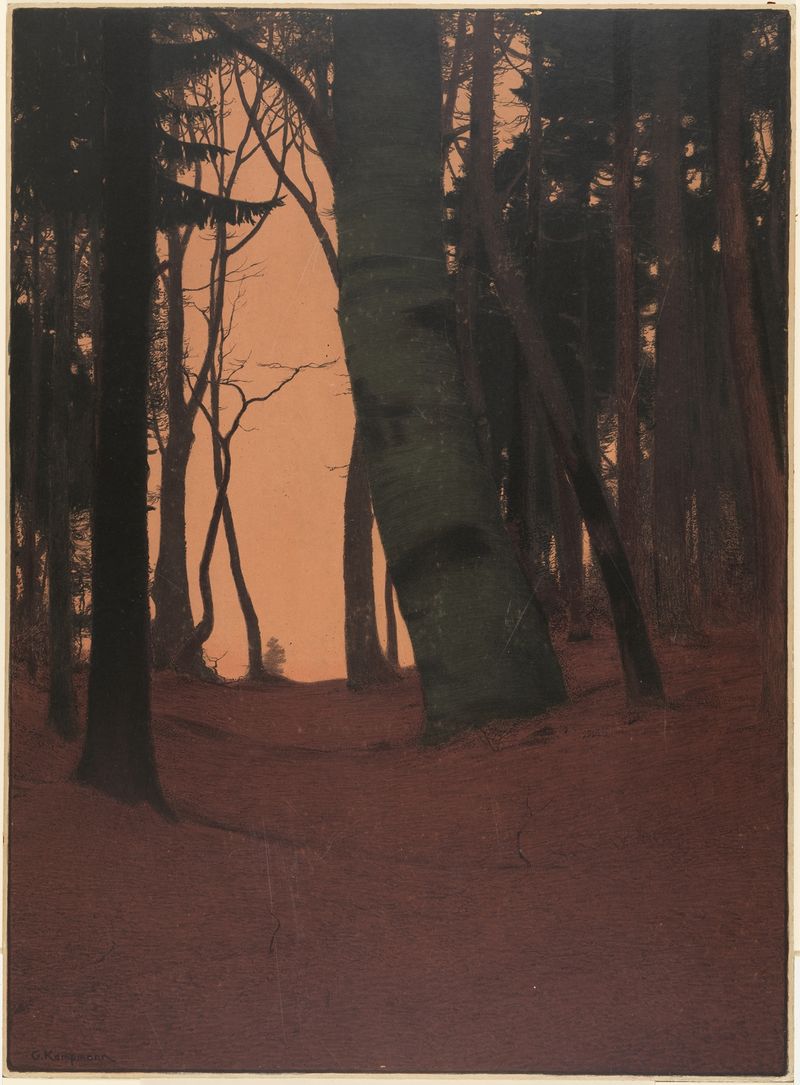
Abend im Wald
Gustav Kampmann

Drei alte Weiden bei Langenpreising
Gustav Kampmann
Baumstamm bei Obersteinbach
Gustav Kampmann





