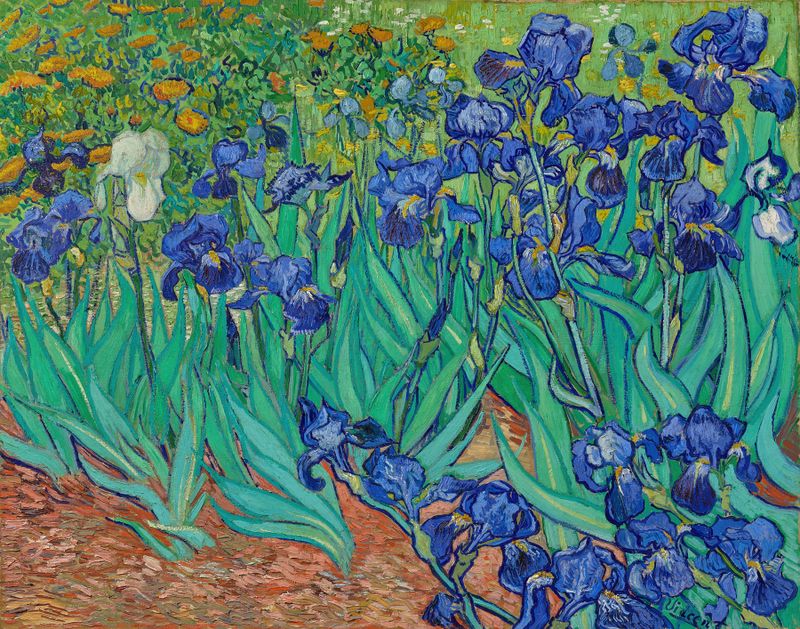
Field Of Joe Pie Weeds — History & Facts
In the heart of nature, amidst the quiet resonance of life, lies a destiny waiting to unfold—an invitation to see beyond the surface. Look closely at the intricate tapestry of soft greens and browns that envelop the canvas, leading your gaze to the delicate sway of Joe Pie weeds. Notice how the artist captures the sunlight filtering through the foliage, illuminating the wild flora in a gentle embrace. Each brushstroke breathes life into the scene, inviting the viewer to explore the interplay of color and texture that defines this serene landscape. Within this serene composition, one might sense the tension between wild beauty and the inevitability of change.
The Joe Pie weeds, resilient and unyielding, stand as symbols of nature’s quiet strength, while the soft background whispers of fleeting moments. Each element holds a narrative, a story of existence that echoes through the years, hinting at both the fragility and endurance of life. William Henry Holmes painted Field Of Joe Pie Weeds during a time of introspection in the late 19th century, influenced by the emerging American landscape movement. He was exploring the nuances of natural beauty, capturing not only the physical landscape but the emotional landscapes they evoke.
His works were a testament to the era's shift towards valuing the authenticity of nature, a reflection of a world in search of connection amidst industrial change.
More Artworks by William Henry Holmes
Browse all →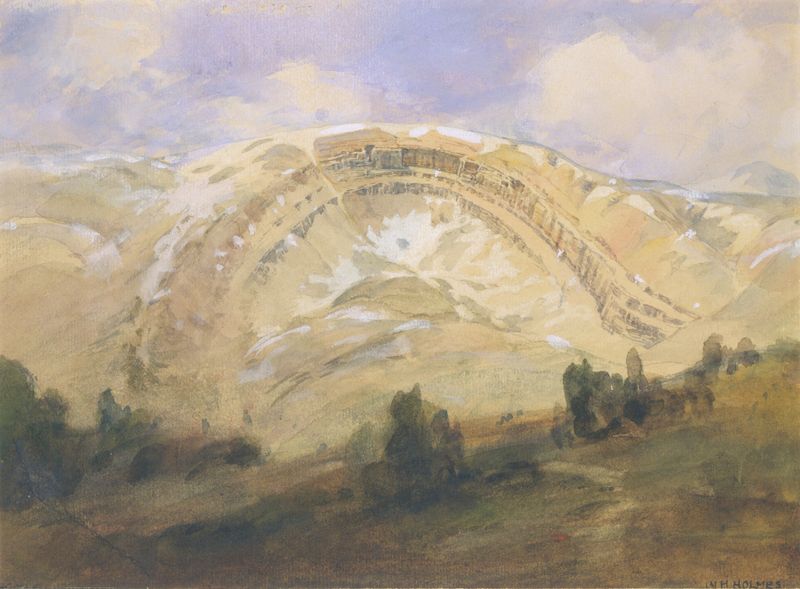
Folded Strata, A Great Geological Arch, Colorado
William Henry Holmes
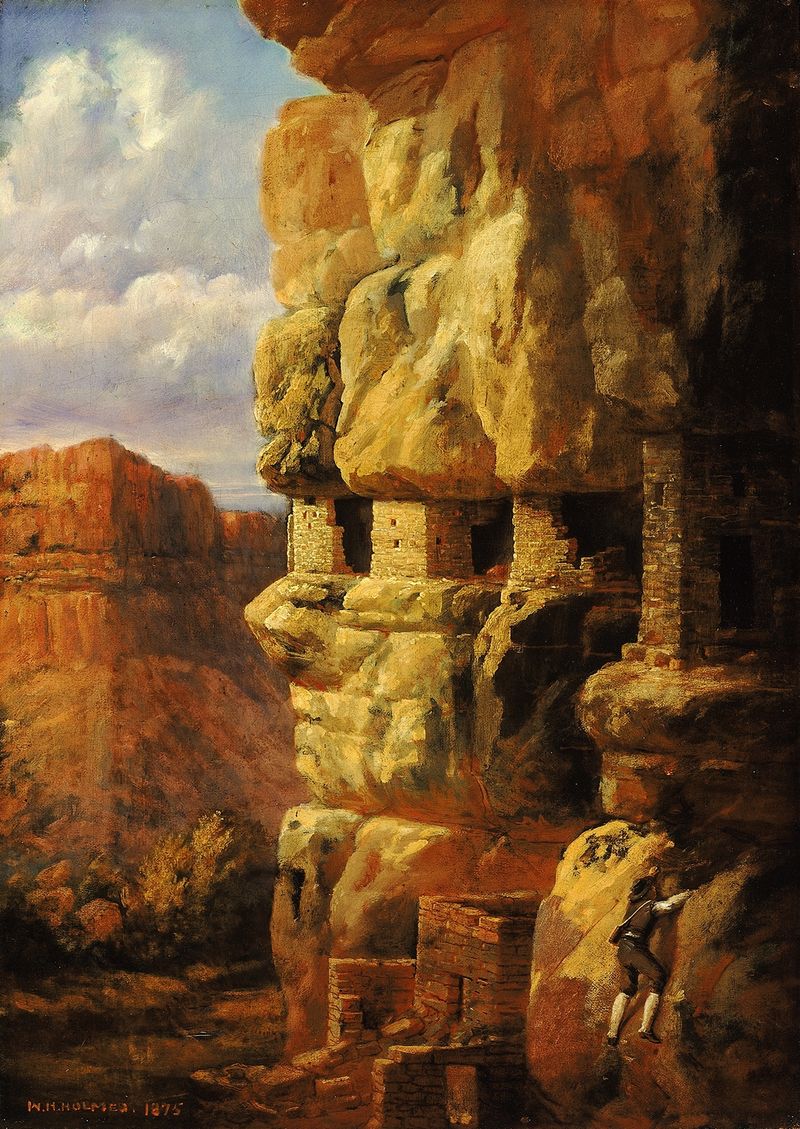
Cliff Houses On The Rio Mancos, Colorado
William Henry Holmes
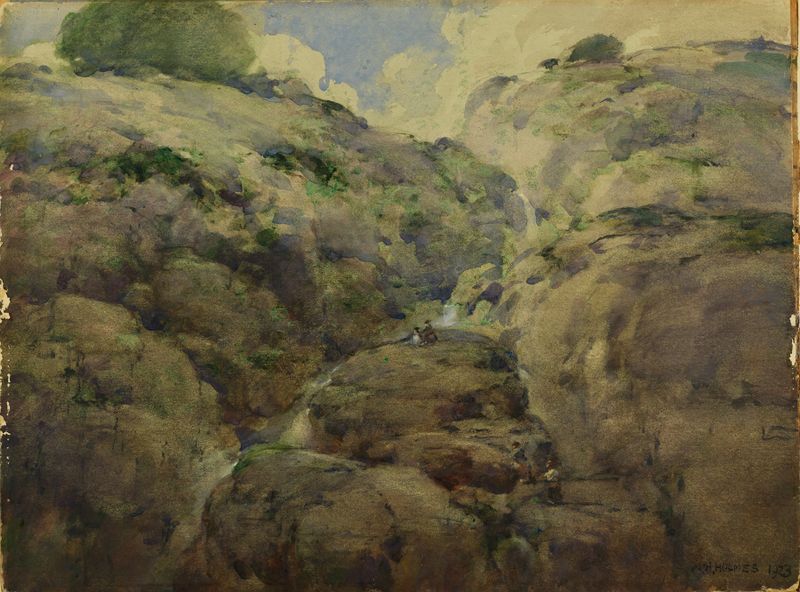
Mountain Gorge, Colorado
William Henry Holmes
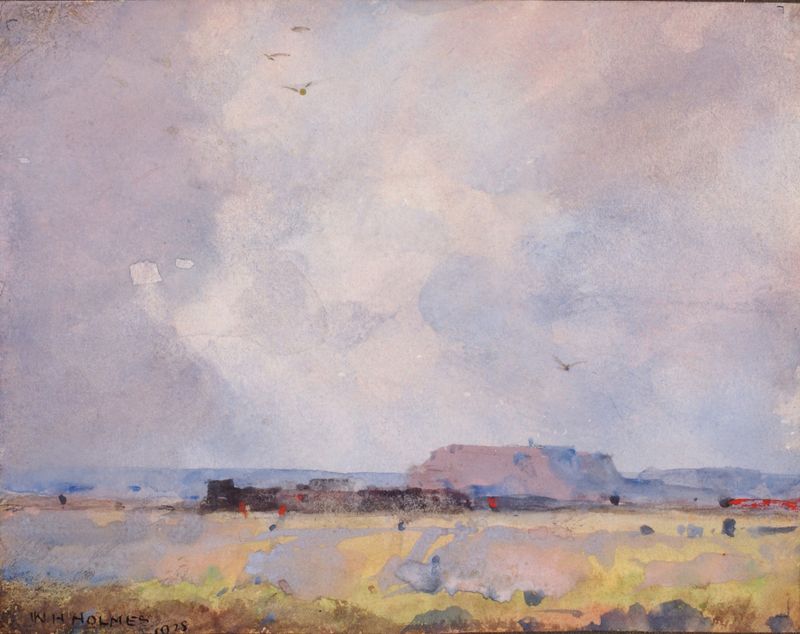
In The Plateau Country, With An Inhabited Pueblo
William Henry Holmes
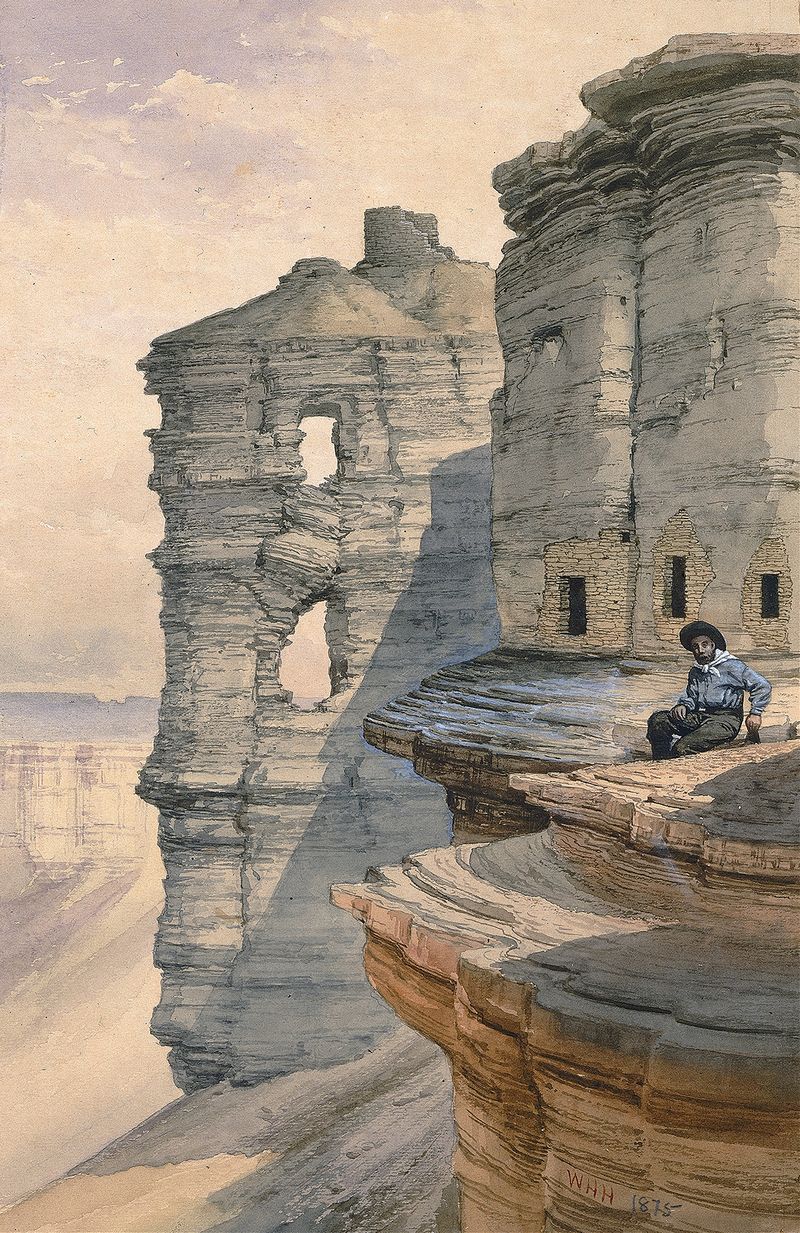
Cliff Houses on the Rio Mancos, Colorado
William Henry Holmes
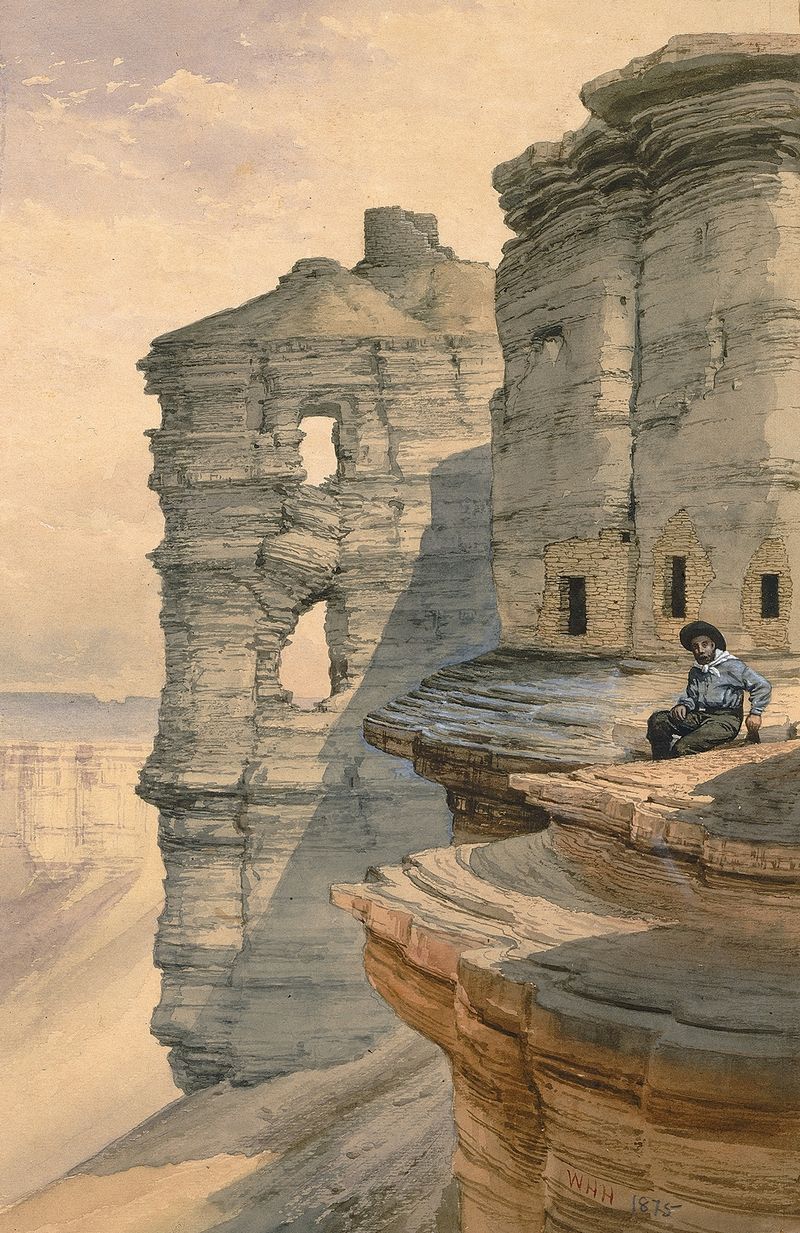
Cliff Houses On The Rio Mancos, Colorado
William Henry Holmes
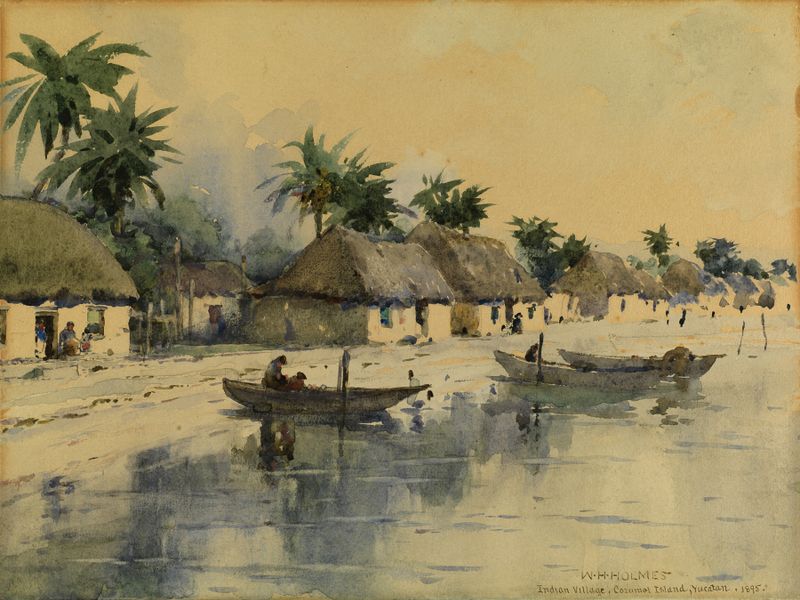
Indian Village, Cozumel Island, Yucatan
William Henry Holmes
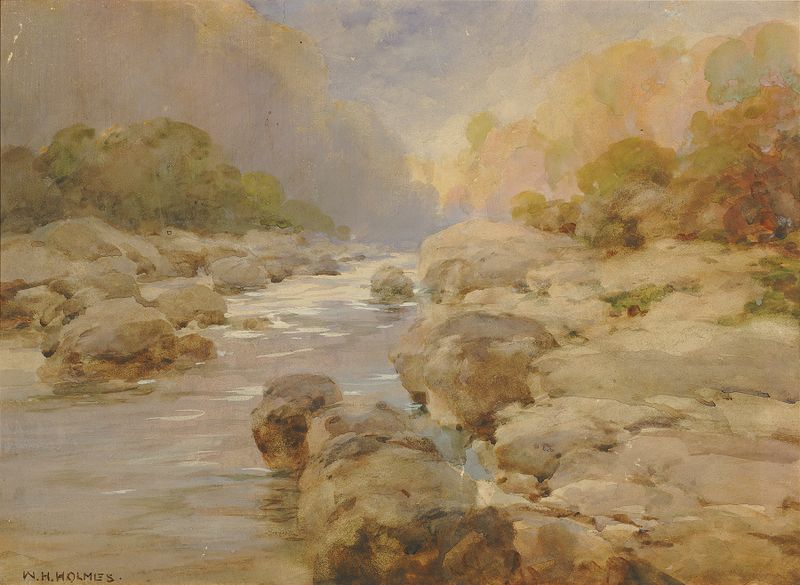
Unmodified Rock Creek, About 1910
William Henry Holmes
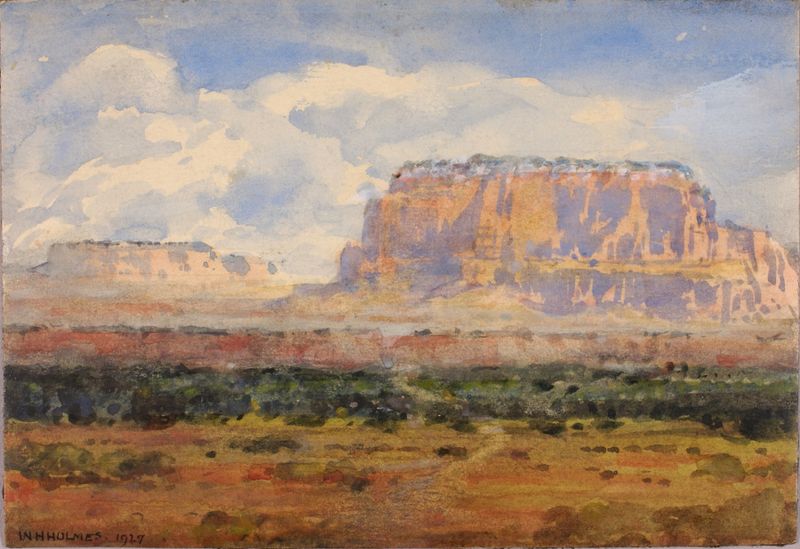
The Enchanted Mesa
William Henry Holmes
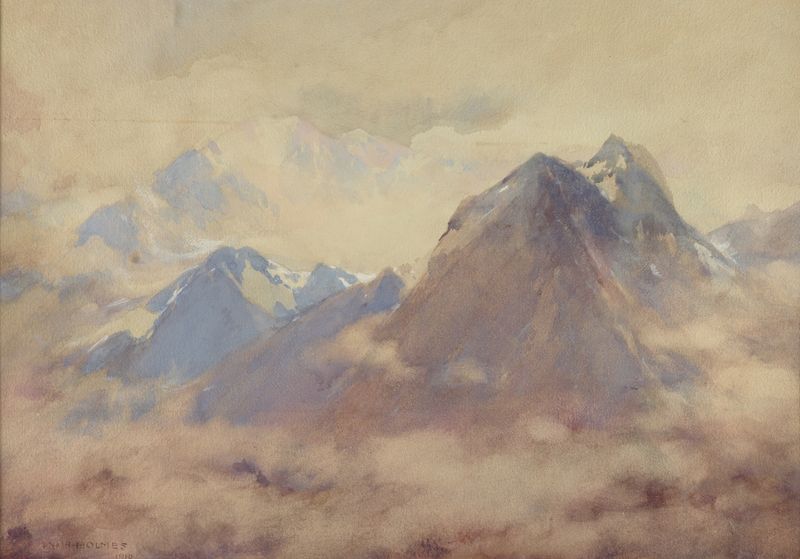
The Almighty’s Own, An Impression Of The High Andes
William Henry Holmes