Discover insights about this artwork
Fields at Bellevue — History & Facts
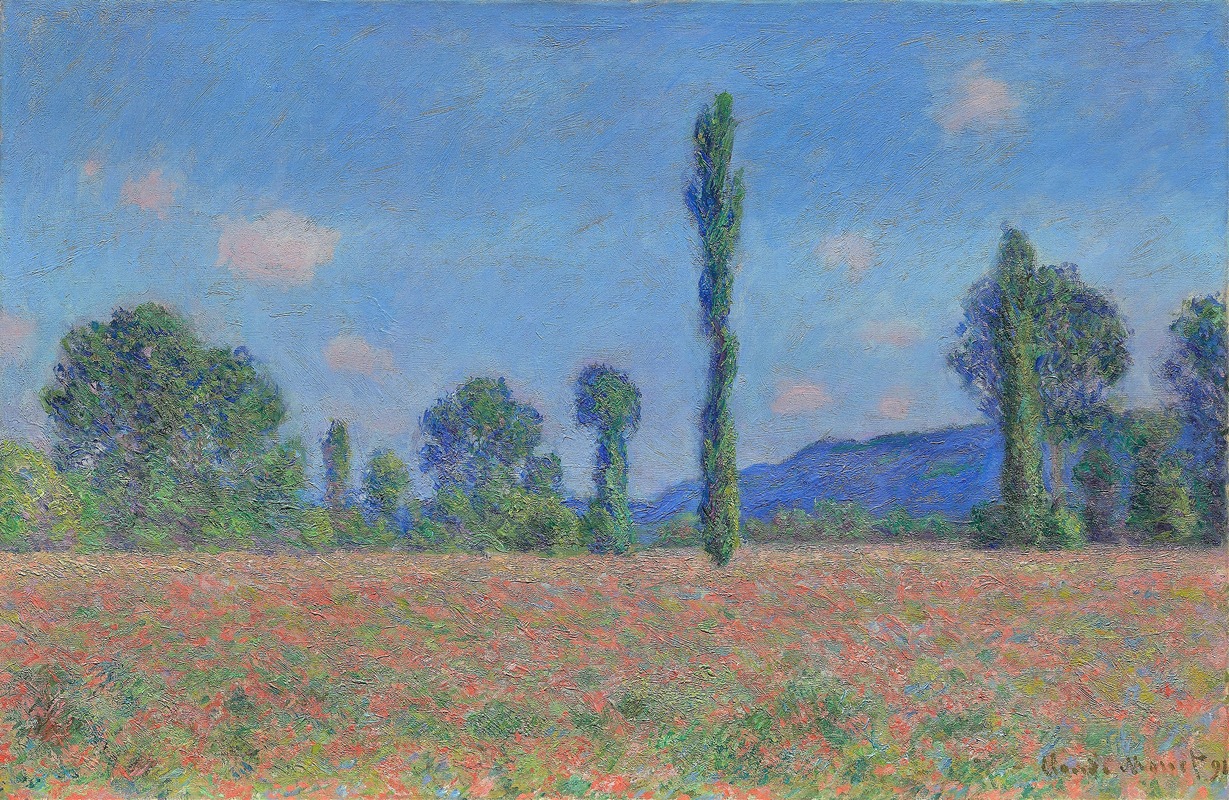
Fields at Bellevue by Paul Cézanne presents a tranquil landscape filled with rolling fields and trees. The painting is characterized by its vibrant greens and earthy tones, creating a harmonious scene. Cézanne's brushwork is visible, with thick strokes that add texture to the fields.
The sky is a soft blue, dotted with fluffy white clouds, enhancing the peaceful atmosphere of the work. The painting showcases Cézanne's unique approach to color and form, typical of the Post-Impressionism style. He employs a palette of rich greens, yellows, and browns, which blend seamlessly to depict the natural landscape. The dimensions of the artwork are approximately 65 x 81 cm, allowing for a detailed view of the scenery.
The use of oil on canvas gives the piece a depth and richness that is characteristic of Cézanne's work. Paul Cézanne was a pivotal figure in the transition from Impressionism to modern art. Fields at Bellevue is notable for its innovative use of color and form, which influenced many future artists. This painting reflects Cézanne's desire to capture the essence of nature rather than just its appearance.
Interestingly, it is part of the collection at the Musée d'Orsay, a museum dedicated to showcasing French art from the 19th and early 20th centuries.
More Artworks by Paul Cézanne
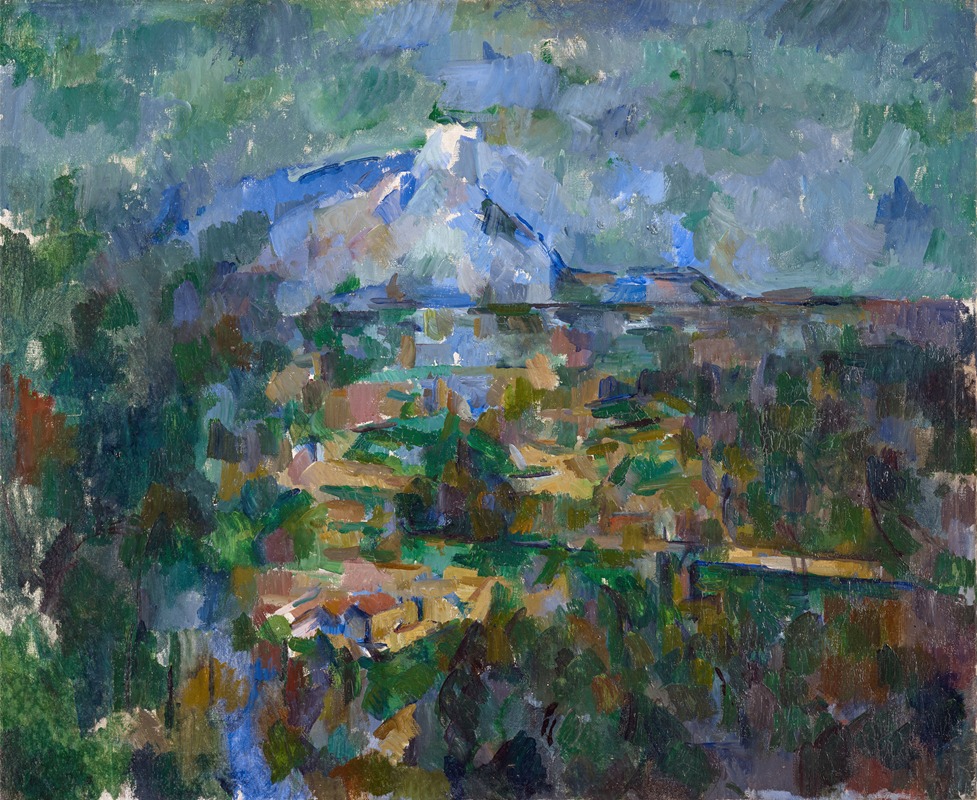
The Mont Sainte-Victoire Seen From Les Lauves
Paul Cézanne
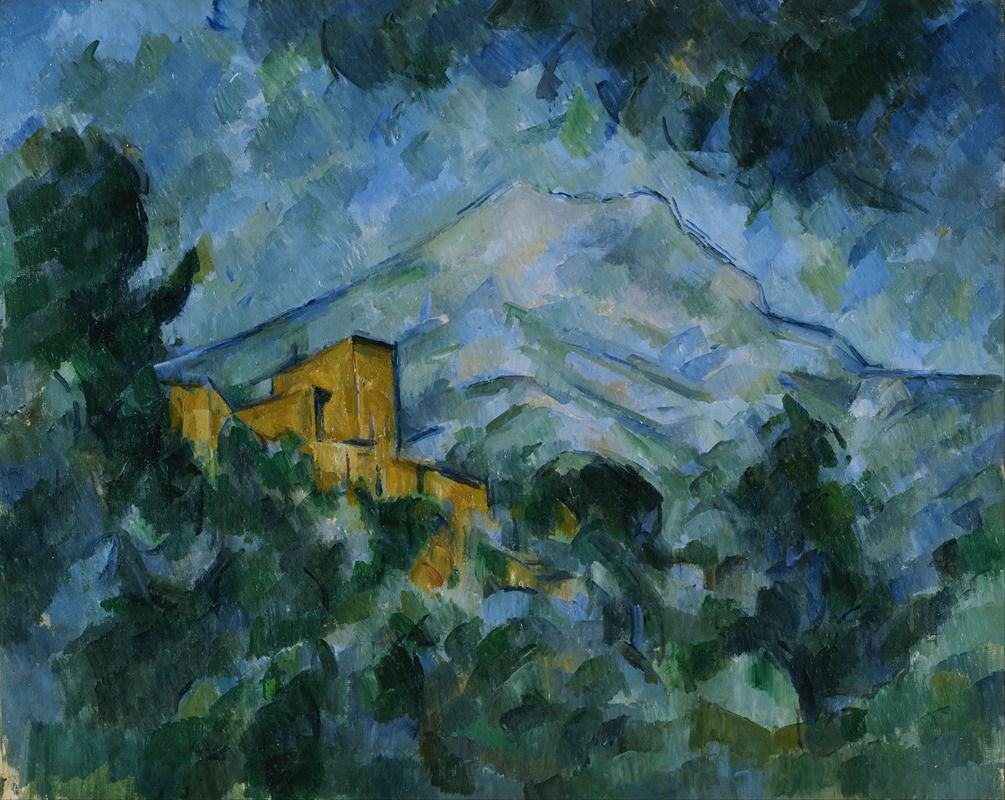
Mont Sainte-Victoire and Château Noir
Paul Cézanne
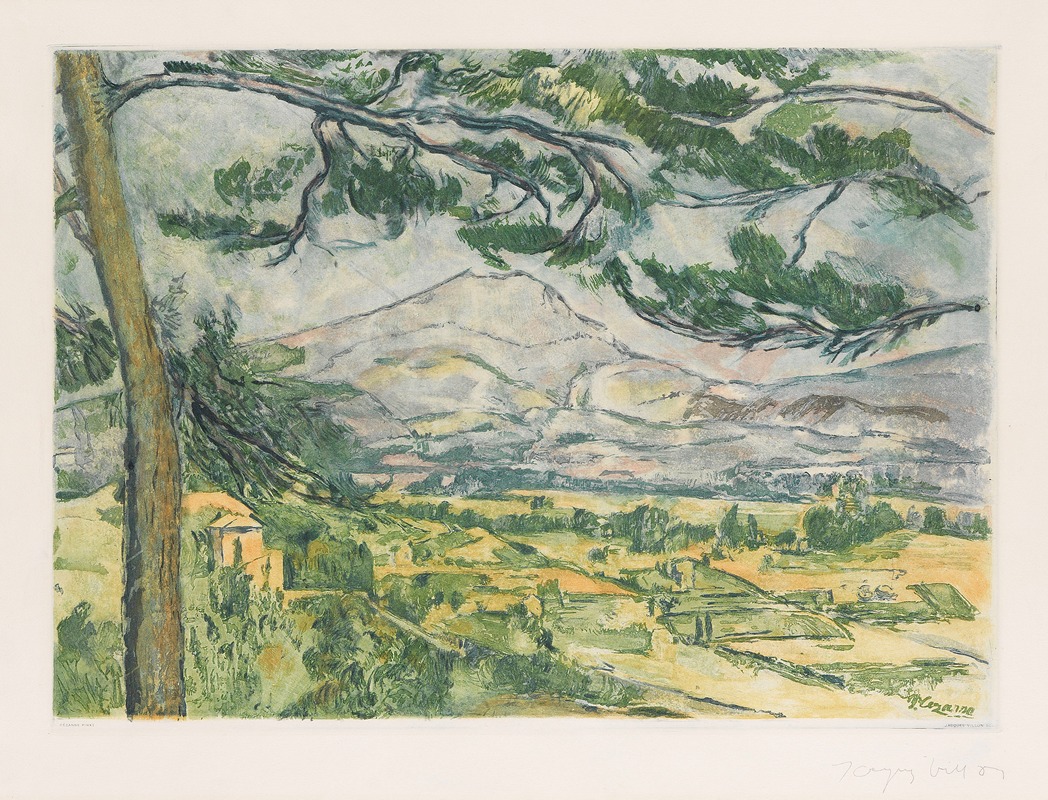
La Montagne Sainte-Victoire
Paul Cézanne
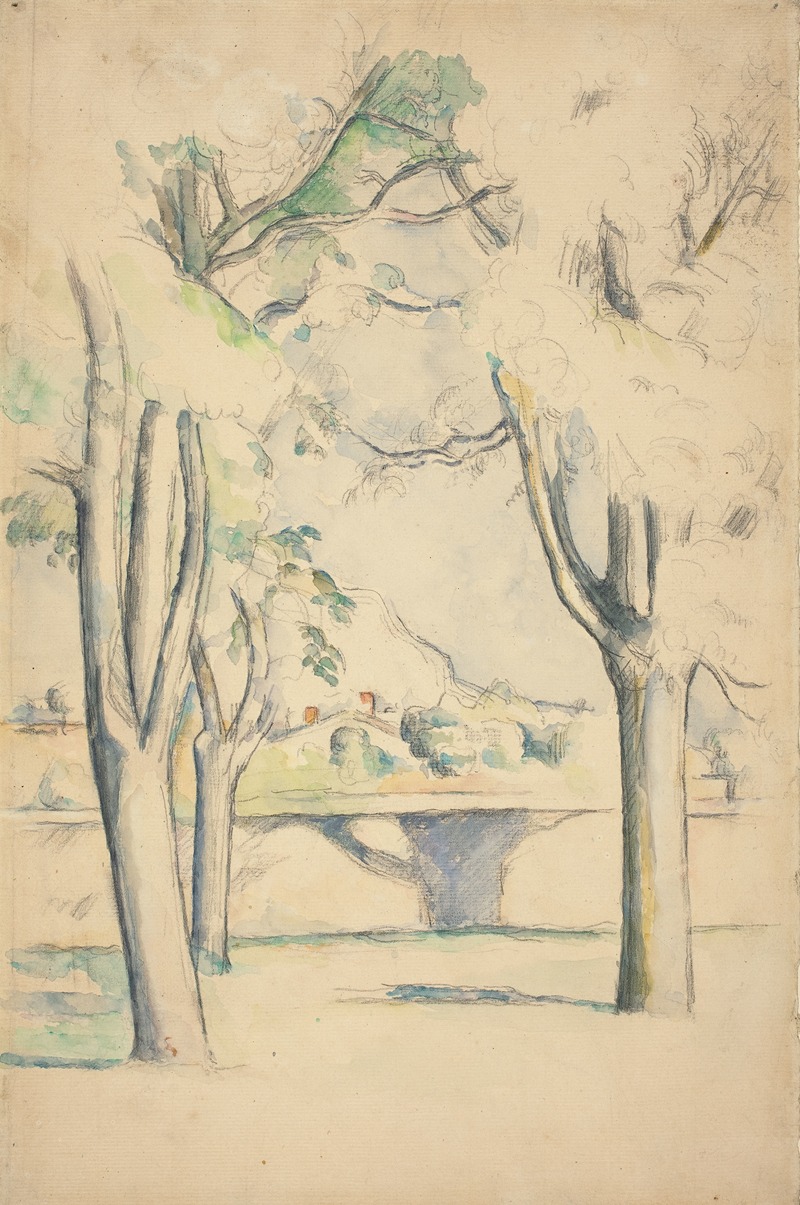
Mont Sainte-Victoire Seen beyond the Wall of the Jas de Bouffan
Paul Cézanne
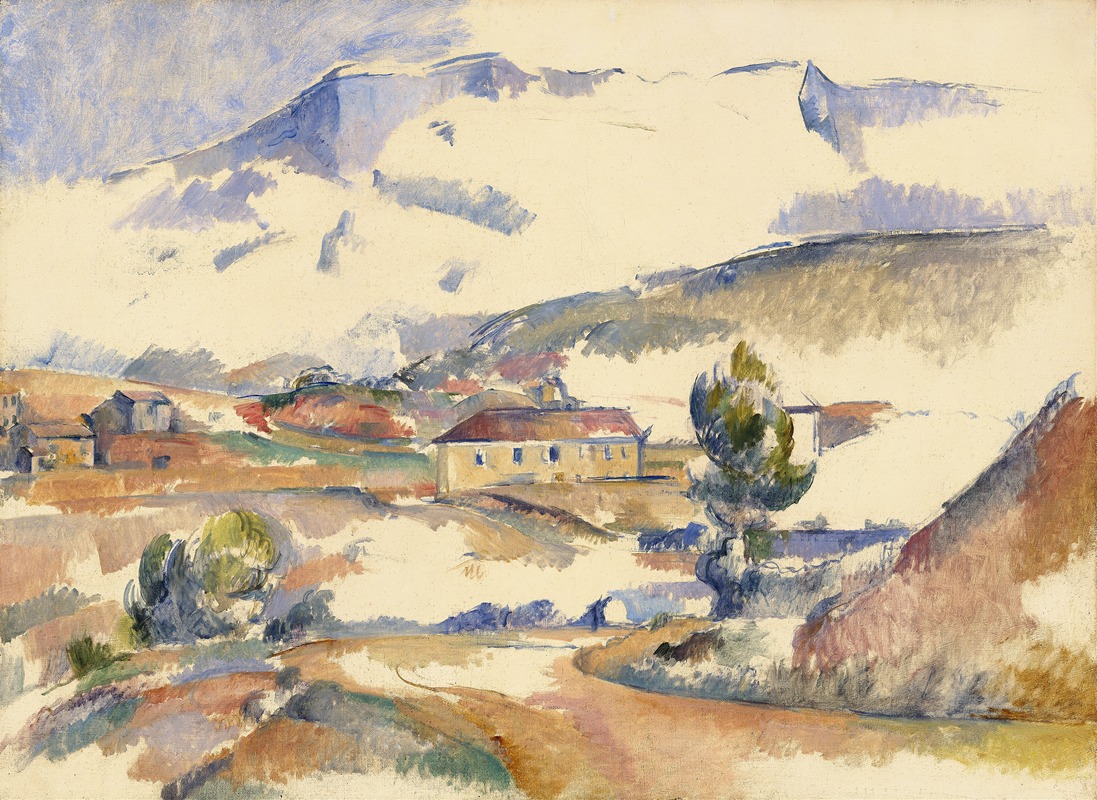
Montagne Sainte-Victoire,from near Gardanne
Paul Cézanne
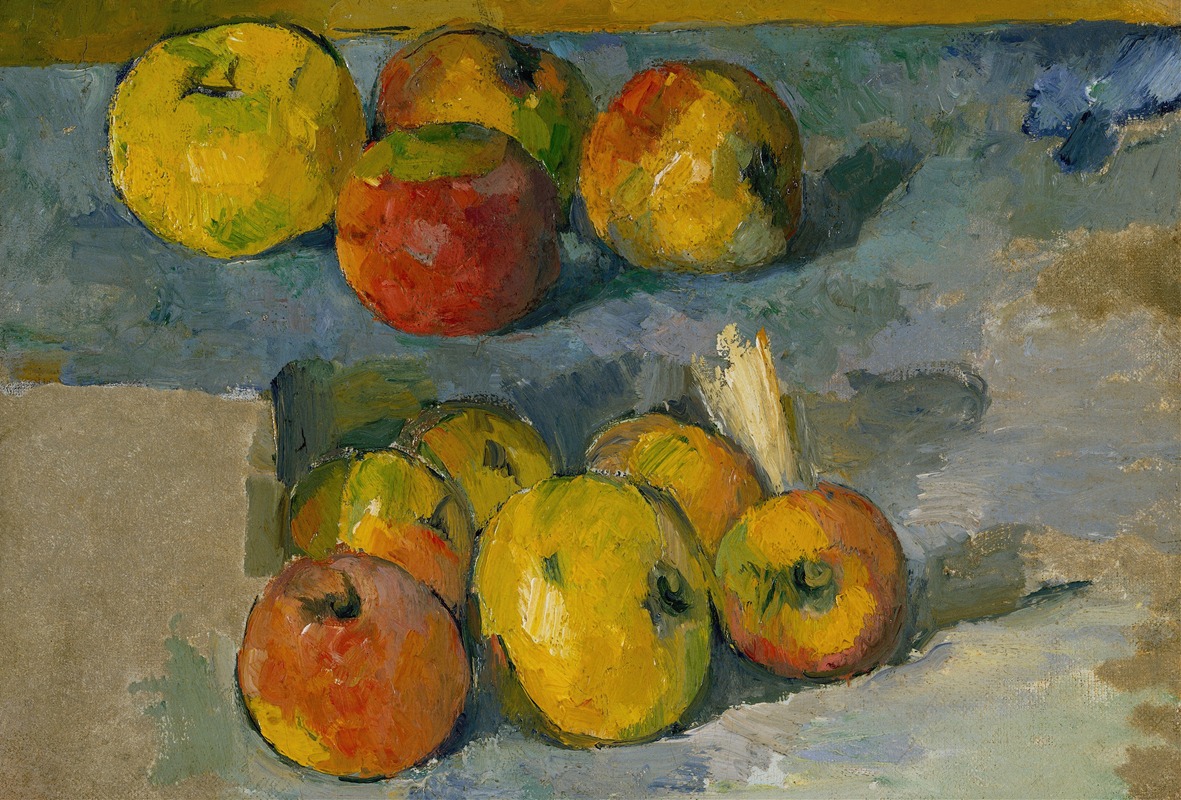
Apples
Paul Cézanne
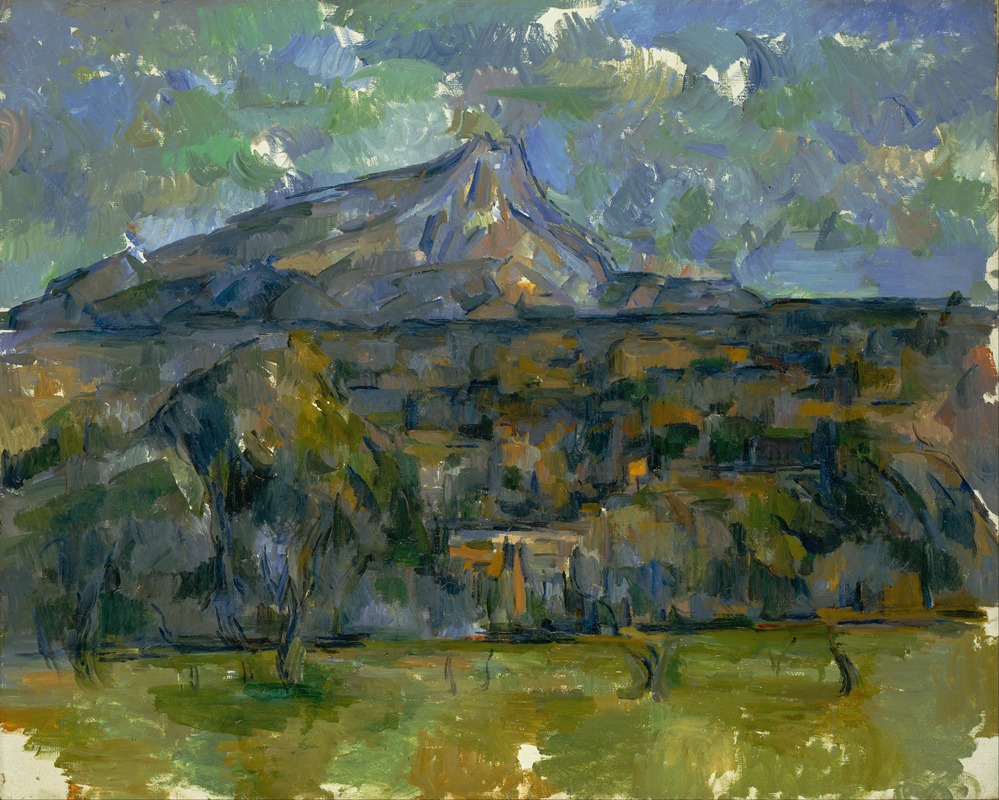
Mont Sainte-Victoire
Paul Cézanne
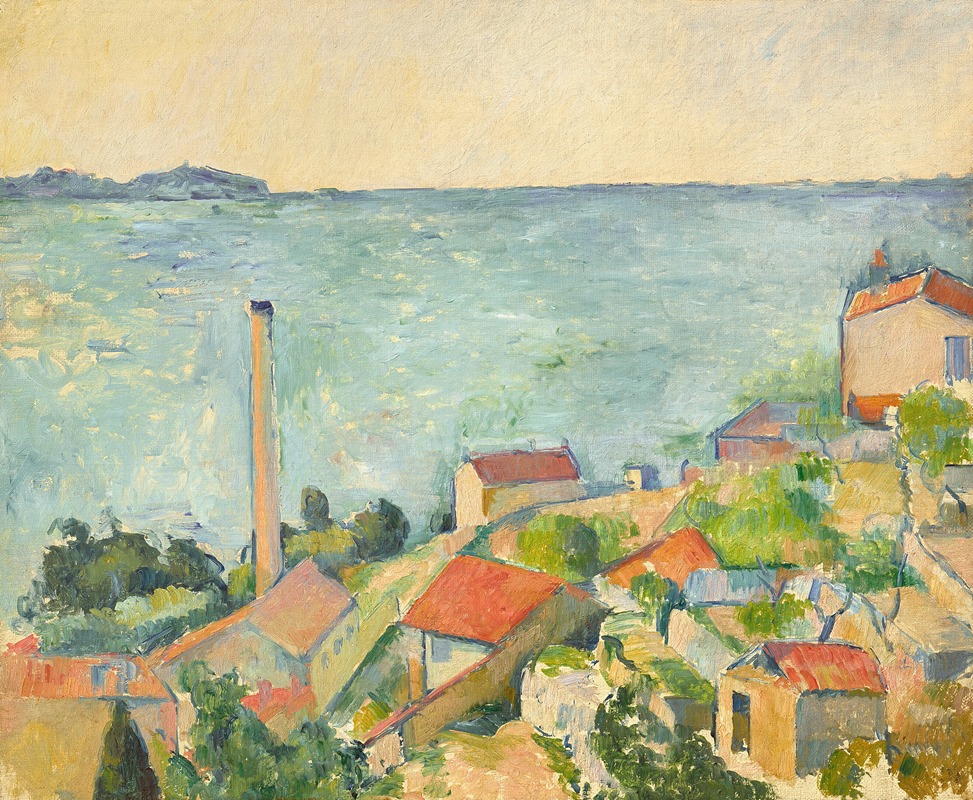
La mer à l’Estaque
Paul Cézanne
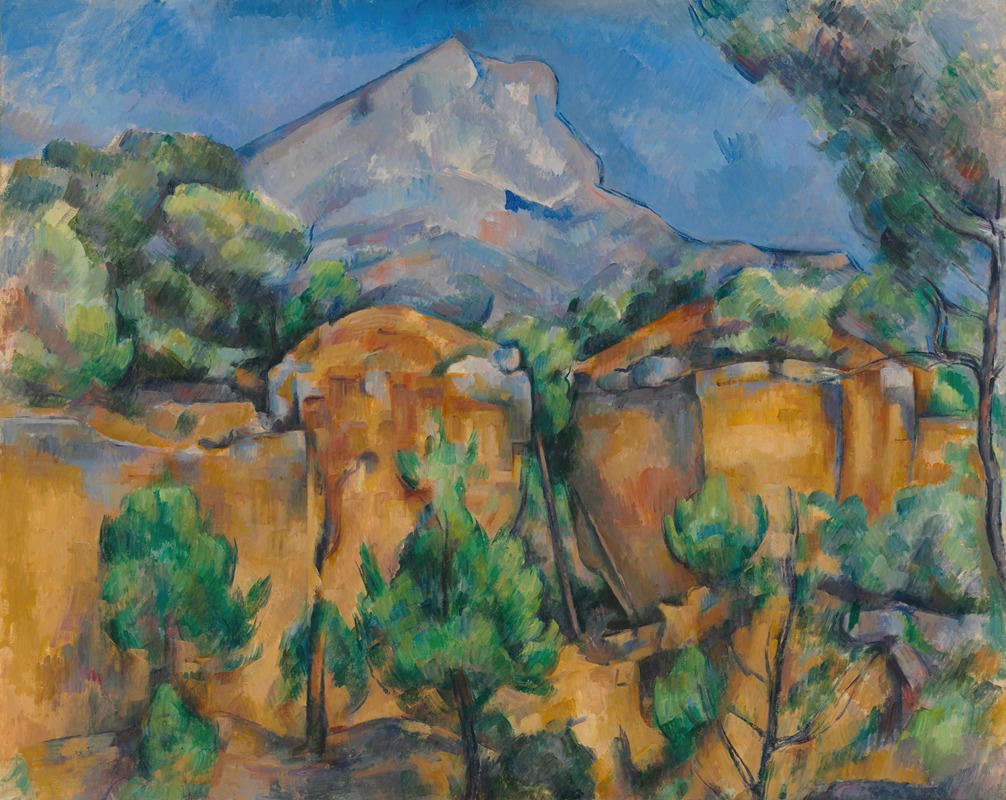
La Montagne Sainte-Victoire vue de la carrière Bibémus
Paul Cézanne
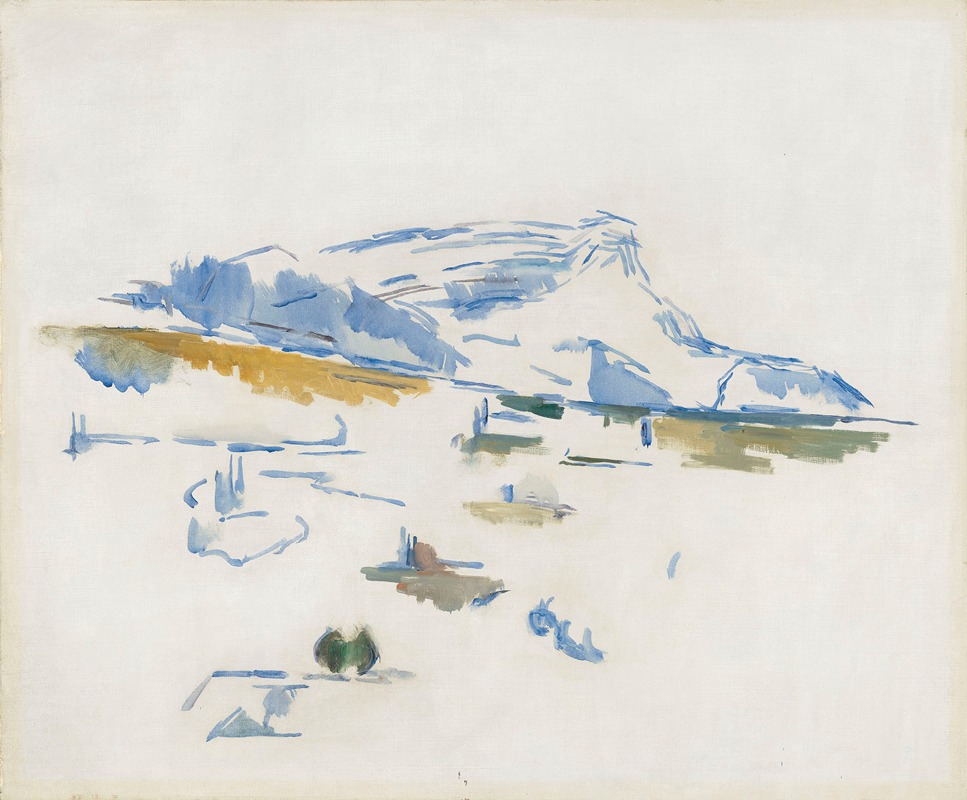
La Montagne Sainte-Victoire vue des Lauves
Paul Cézanne