
Fin du jour — History & Facts
Can beauty exist without sorrow? This question lingers in the shadows of Fin du jour, where a delicate interplay of light and darkness reveals layers of emotional complexity. Focus first on the horizon, where the day bows out in a flush of golden hues, blending seamlessly into deepening indigos. The soft brushstrokes create a wistful sky, inviting contemplation, while the foreground—an expanse of still water—reflects this ethereal moment, blurring the line between reality and dream. The composition draws the viewer's eye toward the moment of transition, where the sun's last rays dance upon the surface, hinting at something beautiful yet fleeting. Yet, beneath this serene exterior lies a tension that speaks of betrayal and loss.
The warmth of the sunset juxtaposes with the coolness of the water, echoing a profound sense of longing. Small details—a solitary figure in the distance—suggest isolation, evoking questions about connections and the heartache that often accompanies them. The juxtaposition of vibrant colors against the encroaching twilight creates an emotional landscape that resonates deeply, illustrating how beauty is often tinged with melancholy. Created in 1900, Houdard painted Fin du jour during a period of significant artistic experimentation and emotional introspection.
Living in France, he was influenced by the Symbolist movement, which sought to convey deeper truths beyond mere representation. Artists were wrestling with new ideas about perception, emotion, and the subtleties of human experience, all of which inform this poignant work.
More Artworks by Charles-Louis Houdard
Browse all →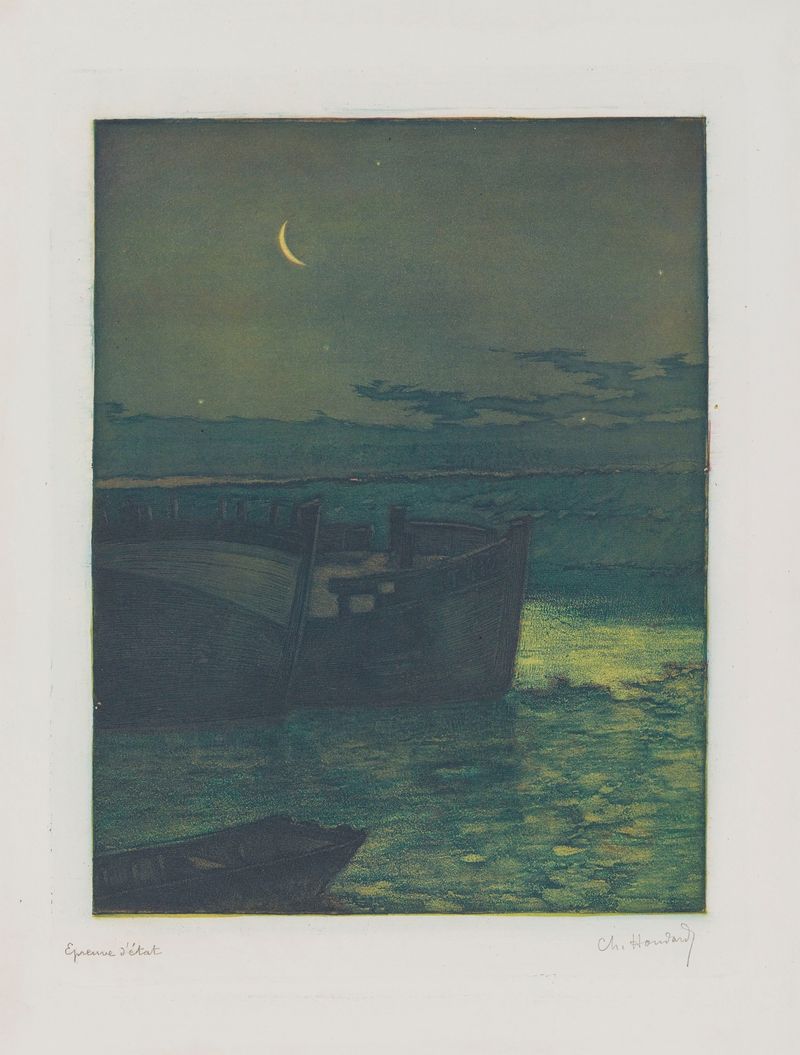
Epaves, navire échoué au clair de lune
Charles-Louis Houdard
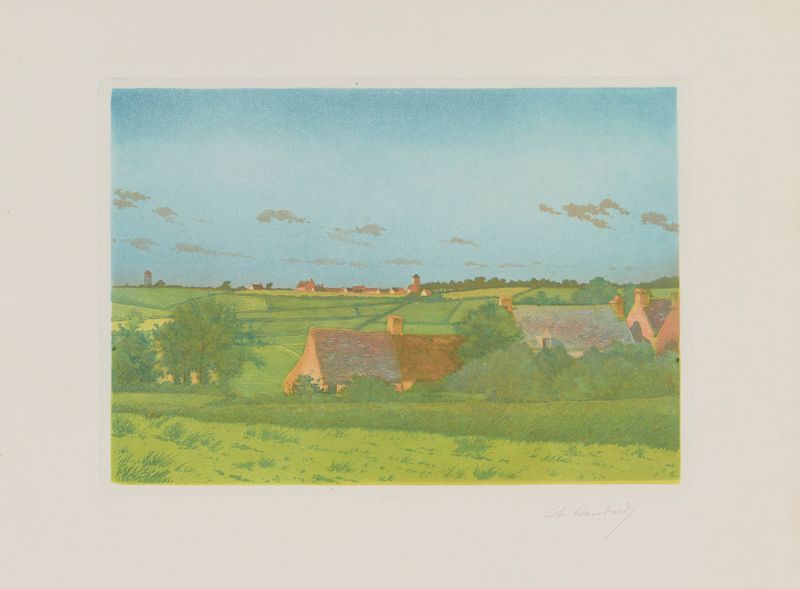
Les hauteurs de Crozon, Finistère
Charles-Louis Houdard
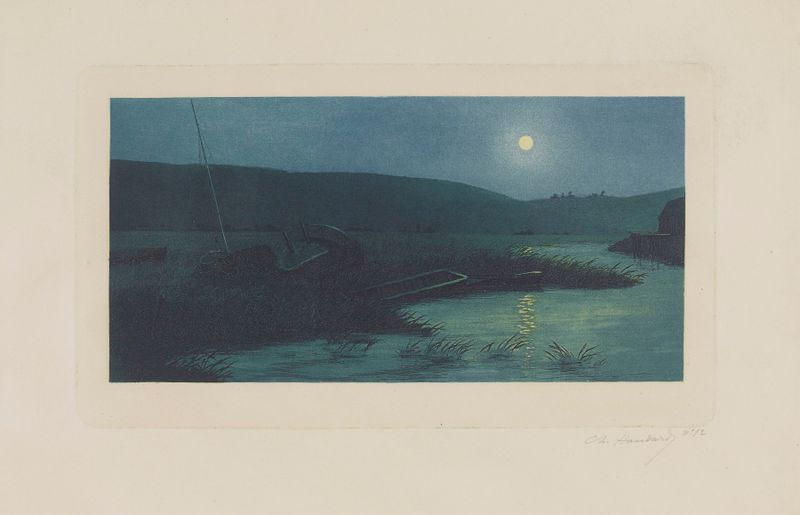
Clair de lune sur la Bresle
Charles-Louis Houdard
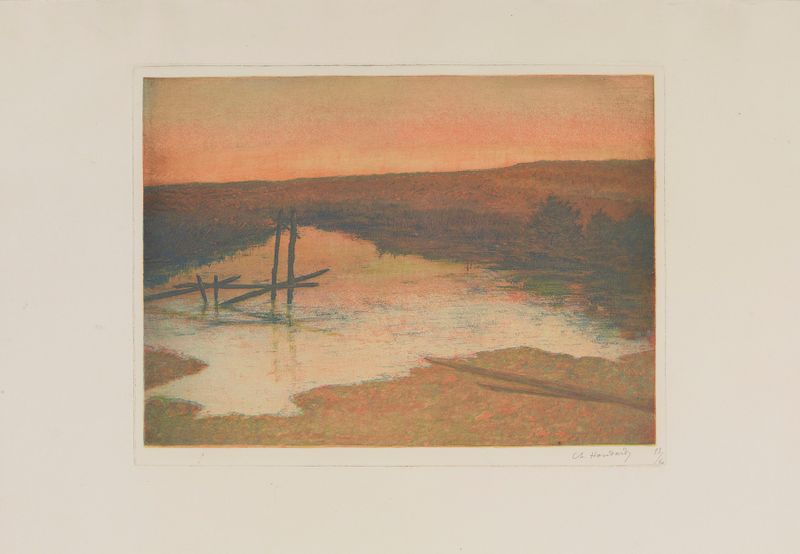
L’étang du moulin à Sémide
Charles-Louis Houdard
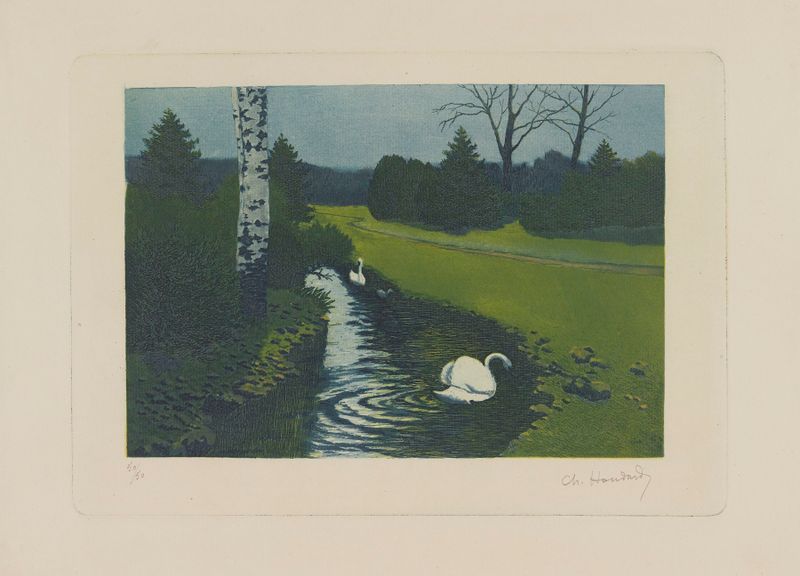
Au bois, cygnes sur un ruisseau
Charles-Louis Houdard
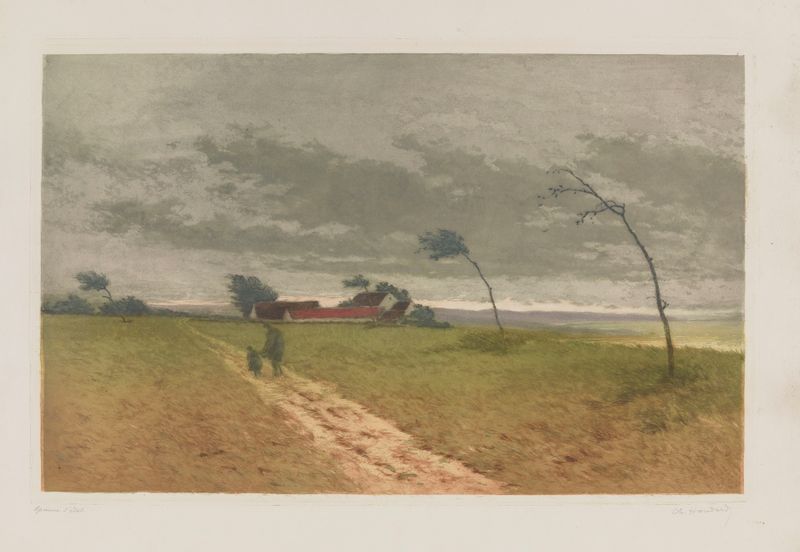
La rafale, plaine sous l’orage
Charles-Louis Houdard
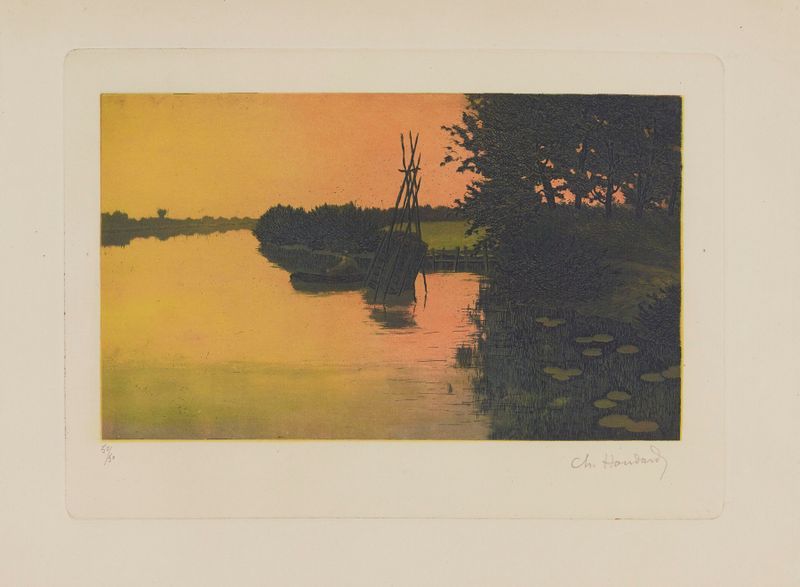
L’Oise à Précy
Charles-Louis Houdard
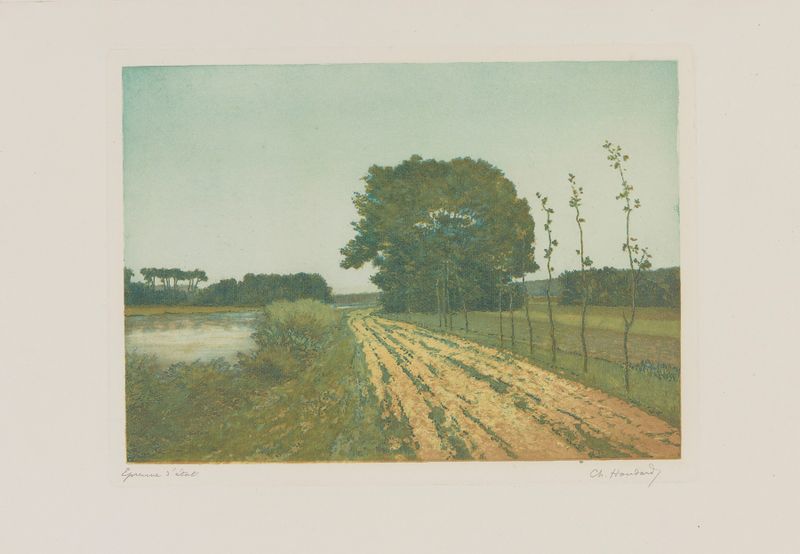
La route abandonnée
Charles-Louis Houdard
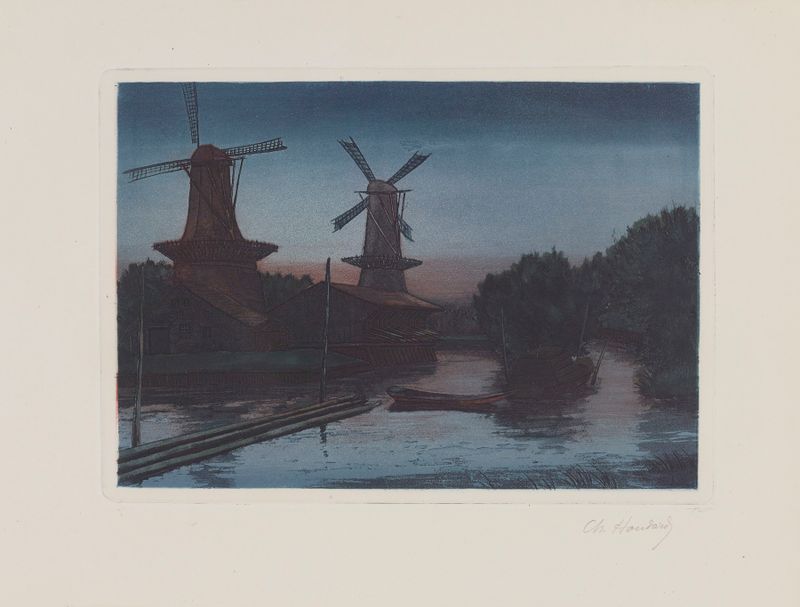
Moulins à Dordrecht
Charles-Louis Houdard
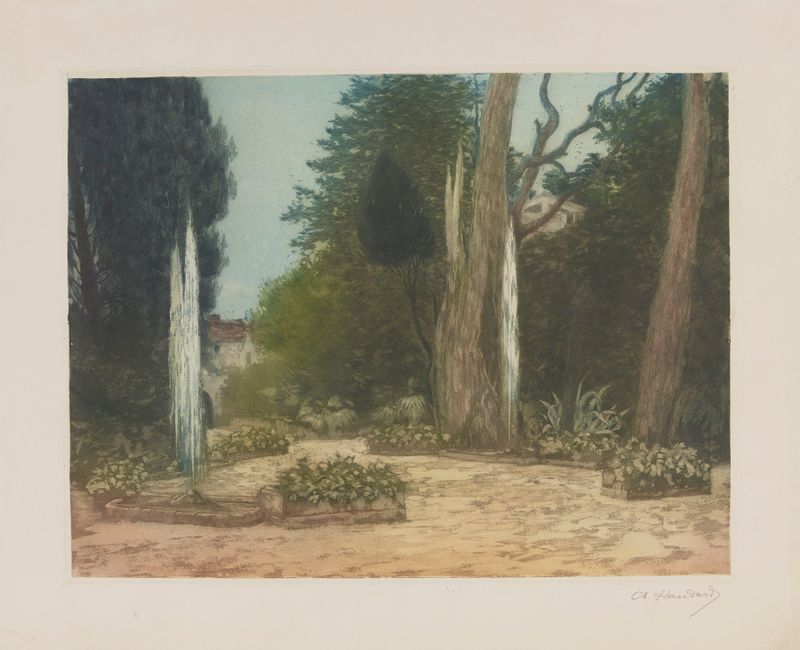
Villa d’Este, Tivoli, le rond-point
Charles-Louis Houdard





