
Fire in the Port — History & Facts
Can beauty exist without sorrow? In Fire in the Port, the turbulent scene unfurls in shades of chaos and loss, evoking transformation amid disaster. Look to the center, where the flames dance with wild abandon, their orange glow battling the deep blues of the evening sky. The stark contrast in color creates a visceral tension, pulling the viewer’s gaze into the heart of the inferno. Observe the figures on the docks, caught in a frenzied motion, their silhouettes dark against the burning backdrop, each gesture a testament to desperation and resolve.
The composition draws you in, emphasizing the chaotic harmony between destruction and the port's resilience. At first glance, the painting depicts mere devastation, yet beneath this surface lies a deeper narrative of change. The fire, while destructive, symbolizes a moment of rebirth, an opportunity for renewal within the weight of loss. The harbor, a bustling center of commerce, is enshrined in a tragic beauty that reflects the transience of life and the inevitability of change.
The careful rendering of the flames juxtaposed with the stillness of the surrounding water hints at the fragility of hope amidst chaos. Created between 1788 and 1806, during a time of social upheaval in France, Moreau was deeply influenced by the shifting tides of politics and culture. This era, marked by the cusp of the French Revolution, spurred artists to capture both the beauty and chaos of human experience. Moreau’s portrayal of the port fire stands as a poignant commentary on the transformative power of tragedy and the complex interplay of light and darkness in life.
More Artworks by Louis Gabriel Moreau
Browse all →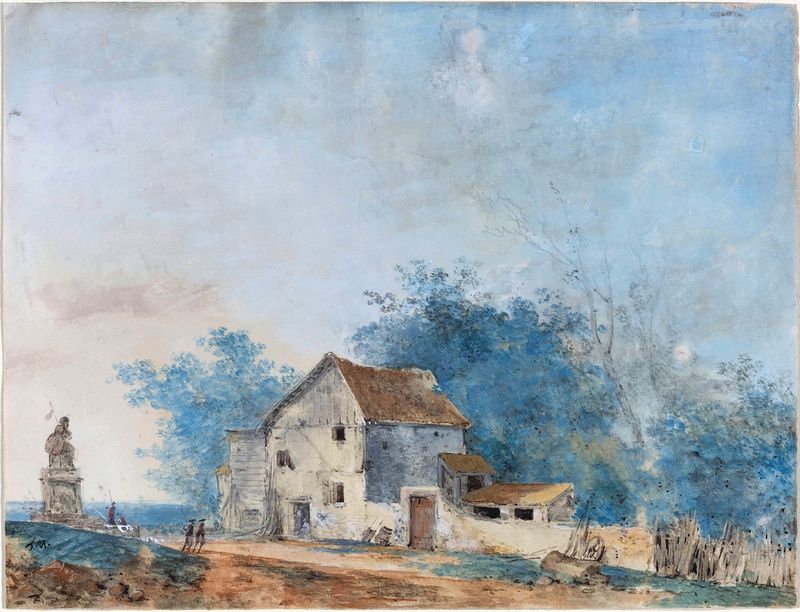
Landscape
Louis Gabriel Moreau

Italian Landscape with a Boating Party
Louis Gabriel Moreau
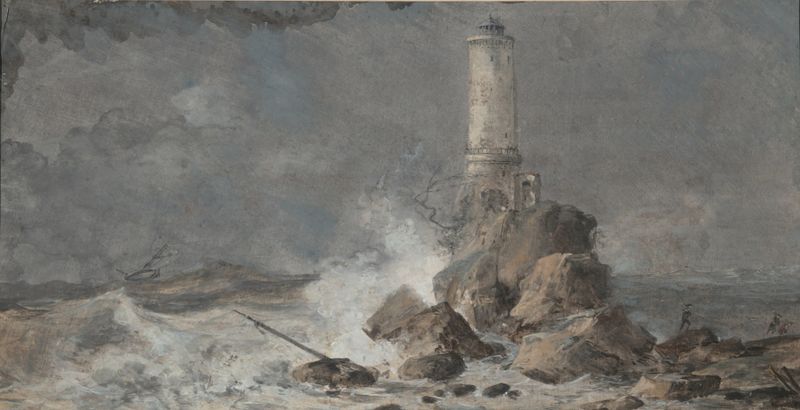
The Lighthouse [ Le Grand Phare]
Louis Gabriel Moreau

Landschaft mit zerfallenem Gehöft
Louis Gabriel Moreau

Parklandschaft mit hohen Bäumen und dem Blick auf einen Treppenanstieg im Mittelgrund
Louis Gabriel Moreau
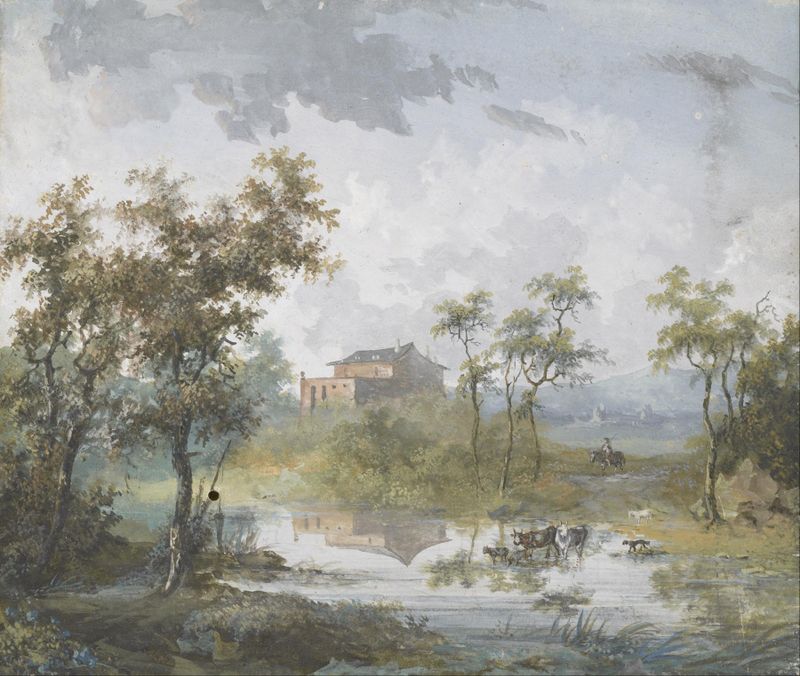
The Rustic River Ford
Louis Gabriel Moreau
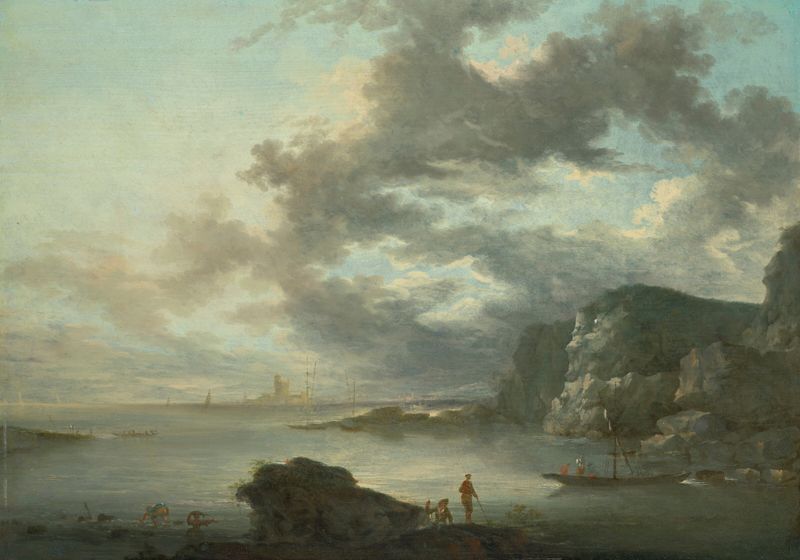
Seascape
Louis Gabriel Moreau

A river landscape with washerwomen by a mill
Louis Gabriel Moreau
Park View
Louis Gabriel Moreau
Deux vues du parc de Saint-Cloud
Louis Gabriel Moreau





