
Fisherman’s Hut–Isle of Man — History & Facts
Where does light end, and longing begin? The interplay of illumination and shadow in Fisherman’s Hut–Isle of Man evokes a deep sense of decay and nostalgia, inviting reflection on what is lost and what remains. Look to the left at the dilapidated hut, its weathered wood absorbing the waning light. Notice how the sun casts elongated shadows, enhancing the textures of the peeling paint and crumbling structure. The muted palette of grays and browns speaks to a world once vibrant, now fading.
The encroaching grasses and wildflowers frame the composition, creating a dialogue between nature and the remnants of human endeavor. Upon closer inspection, the contrasts emerge: the resilience of nature versus the fragility of man-made structures, the warmth of the fading light juxtaposed against the encroaching coldness of decay. Each brushstroke signifies a memory, a moment suspended in time, reminding us of the inevitable passage of life. The stillness of the scene hints at a lingering presence, as if the air holds whispers of fishermen long gone, forging a poignant connection with the past. Painted in 1889, during a period when Julian Alden Weir was deeply involved with the American Impressionist movement, this work reflects his interest in capturing the transient effects of light and atmosphere.
At this time, Weir was residing in Connecticut but often traveled to the Isle of Man, where he sought inspiration from the rugged landscapes and local life. The painting encapsulates a moment of personal reflection amidst a broader artistic shift toward capturing the ephemeral beauty of the natural world.
More Artworks by Julian Alden Weir
Browse all →
My Back Yard no. 1
Julian Alden Weir
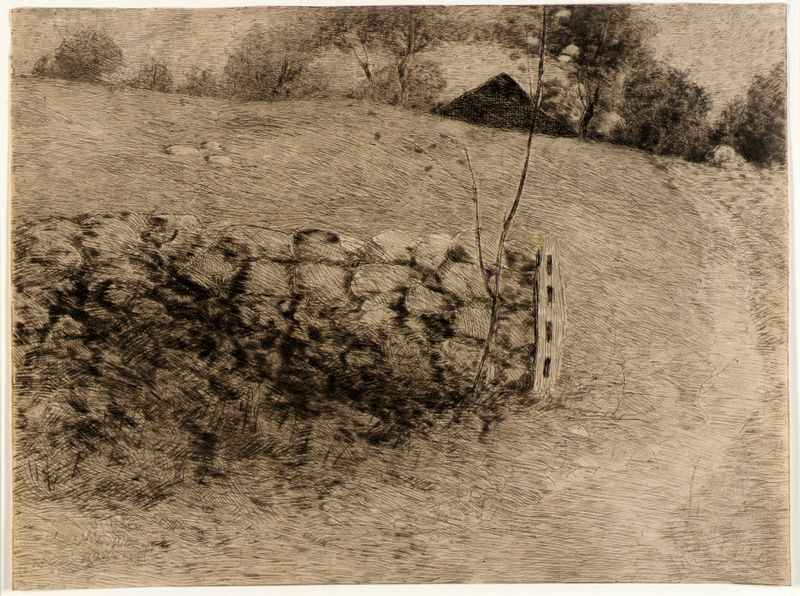
The Barn Lot
Julian Alden Weir

The Webb Farm
Julian Alden Weir
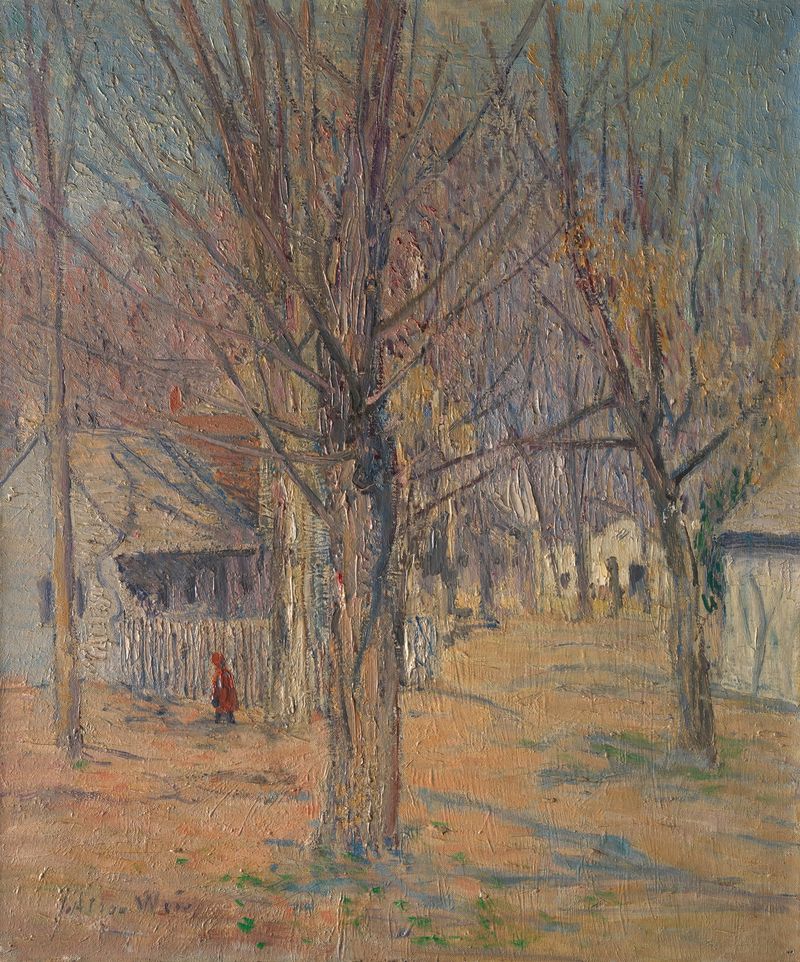
Connecticut Village (Going to School)
Julian Alden Weir

The Stone Bridge
Julian Alden Weir

The Webb Farm 2
Julian Alden Weir
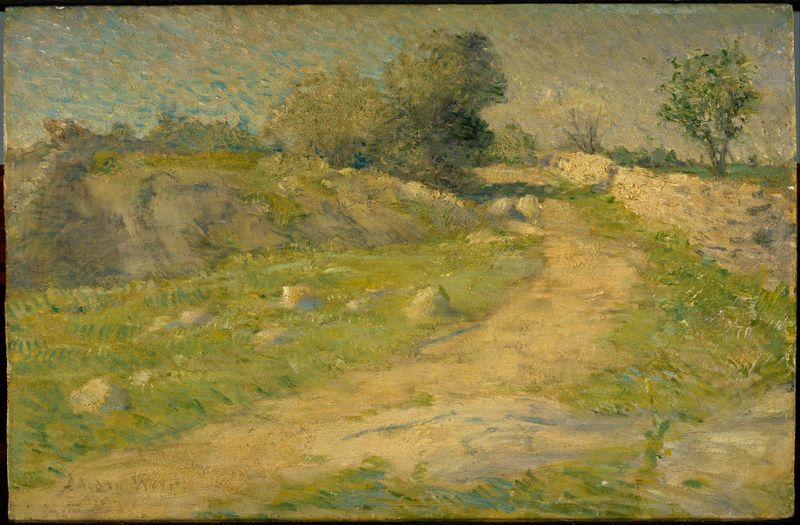
The Lane
Julian Alden Weir
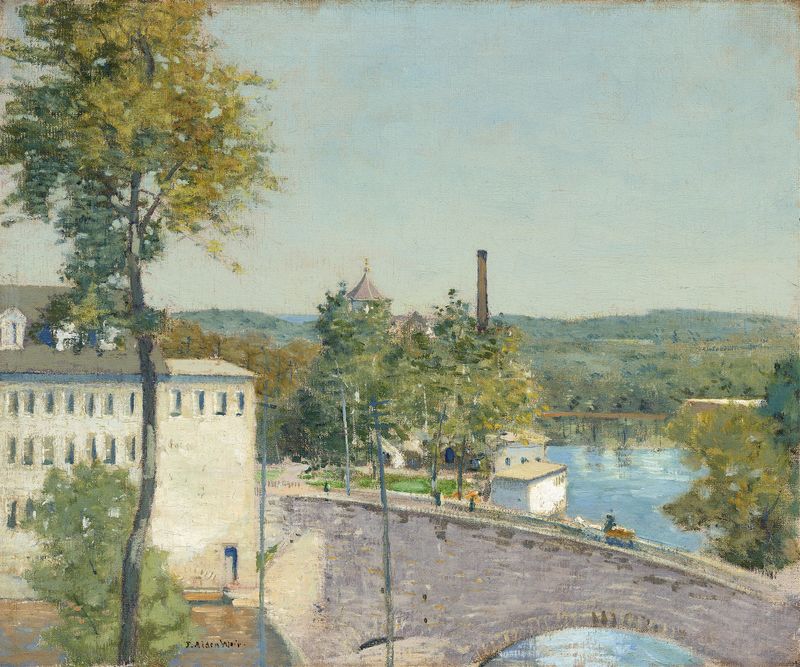
U.S. Thread Company Mills,Willimantic,Connecticut
Julian Alden Weir

Neighboring Farm
Julian Alden Weir

Coon Alley
Julian Alden Weir





