Fishermen hauling in the catch in an extensive landscape, a village beyond — History & Facts
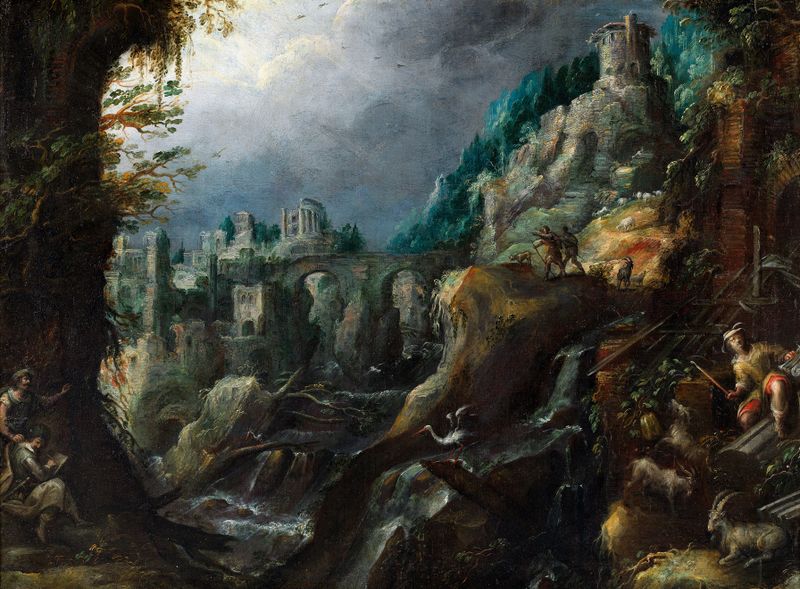
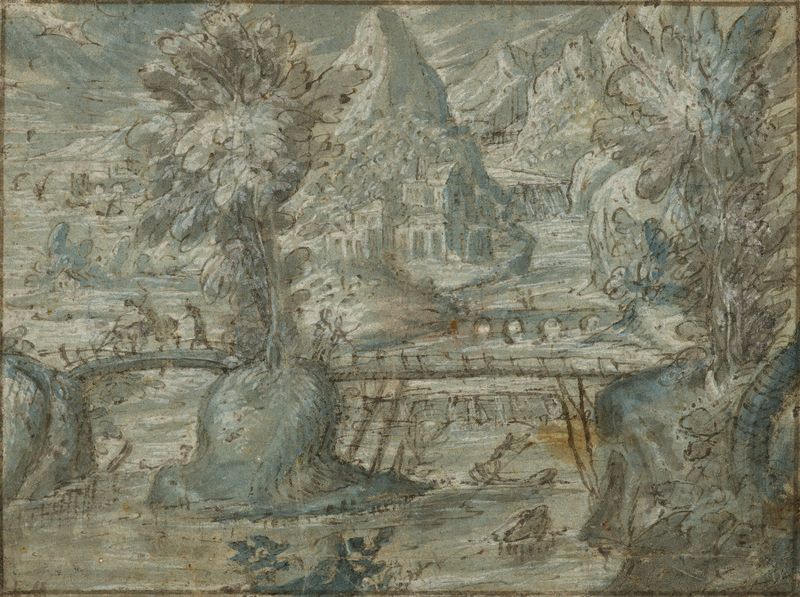
In the vast stillness of this scene, loss hangs heavy, unspoken yet palpable. It reverberates through the air, connecting the fishermen with their ancestral toil, as their hands grip the nets, laden with the weight of what was and what may never be again. Look closely at the laborers in the foreground, their bodies bent and weary, reflecting not just the physical strain of their work but a deeper emotional burden. The muted palette of earthy tones reinforces the somber mood, while a distant village shimmers quietly in the background.
The light, diffused and soft, casts long shadows that evoke a sense of time slipping away, almost as if the landscape itself mourns the fleeting moments of life. Notice the subtle contrast between the vibrant blue of the water and the subdued hues of the fishermen’s garb—the former represents abundance, while the latter symbolizes the sacrifice inherent in their trade. Each ripple of the water seems to echo with stories of loss, as the net captures not just fish, but whispers of dreams unfulfilled. The expansive landscape envelops the figures, suggesting an isolation that underscores their struggle, even amidst communal effort. Lodewijk Toeput painted this work during a period that remains unclear, indicative of the artist's elusive life.
He was active in the late 16th to early 17th centuries, navigating the artistic currents of the time, which included burgeoning realism and an increasing focus on daily life. In a world marked by the tensions of change and tradition, Toeput’s work stands as a testament to the enduring human spirit in the face of loss.