
Fjordlandskab med robåd — History & Facts
In the world of art, there exists a profound rebirth, a transformation from turmoil to tranquility that echoes the very essence of nature itself. Look to the left side of the canvas, where a gentle transition in hues reveals the serene waters of the fjord, shimmering under a tender light. The subtle greens and soft blues seamlessly blend, creating a harmonious backdrop that draws the eye. Notice how the robåd, nestled amidst the reflections, exudes a sense of peacefulness as it floats effortlessly, suggesting both solitude and companionship with nature.
The artist's deft strokes imply movement, capturing the wind’s whisper and the water's caress, inviting viewers to immerse themselves in this tranquil landscape. As you explore further, consider the contrast between the rugged mountains and the placid water. The jagged peaks rise with an imposing grandeur, yet their reflection in the calm fjord softens their presence, highlighting a dichotomy between strength and serenity. This interplay not only conveys the majestic beauty of the Norwegian landscape but also suggests a duality of emotions—perhaps a struggle within, now yielding to acceptance and peace.
The robåd serves as a metaphor for life's journey, navigating the tumultuous waves that can often lead to moments of stillness and understanding. Martinus Rørbye created Fjordlandskab med robåd between 1831 and 1832 during a period of artistic exploration and personal introspection. Living in Denmark, he was deeply influenced by the Romantic movement, which sought to connect humanity with nature's sublime power. This artwork reflects his quest for balance and serenity during a time when the world around him was grappling with rapid change and uncertainty, making it a poignant representation of rebirth amid tumult.
More Artworks by Martinus Rørbye
Browse all →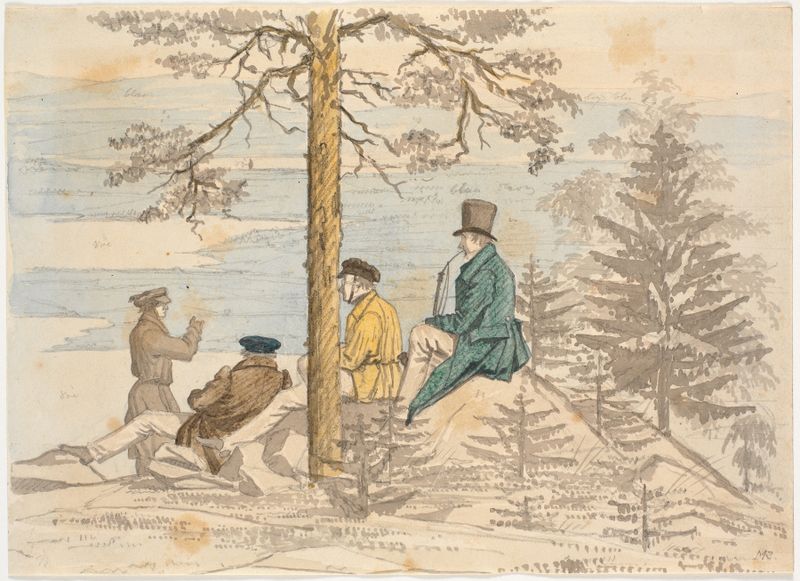
Fire mænd betragter udsigten fra Holmekollen
Martinus Rørbye
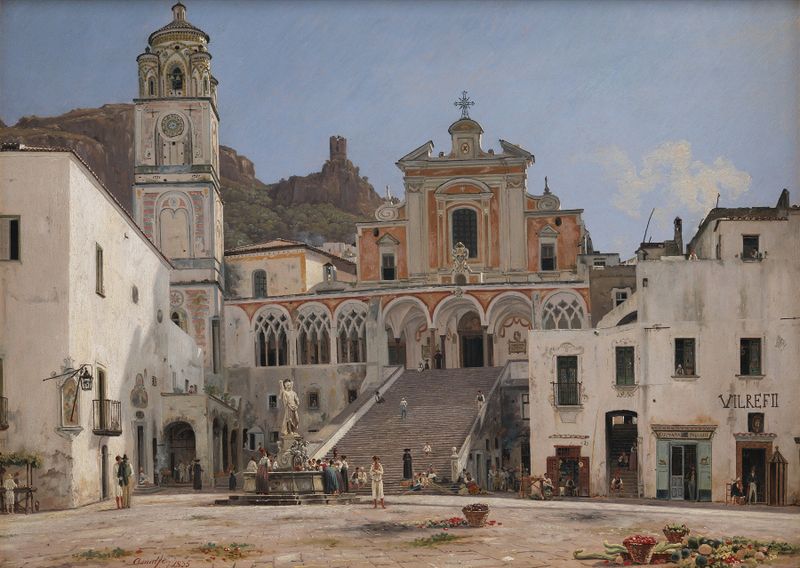
View of the Square in Amalfi
Martinus Rørbye
A Courtyard in Rome. Copy after Eckersberg
Martinus Rørbye
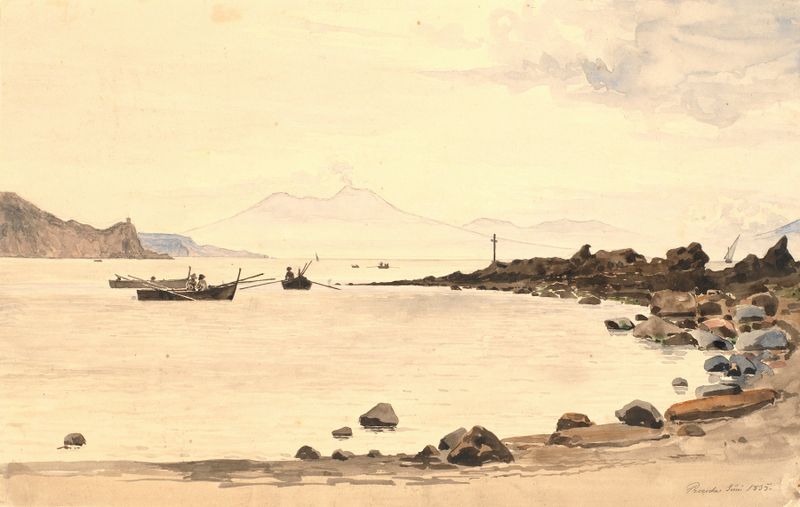
Udsigt mod Vesuv fra Procida
Martinus Rørbye
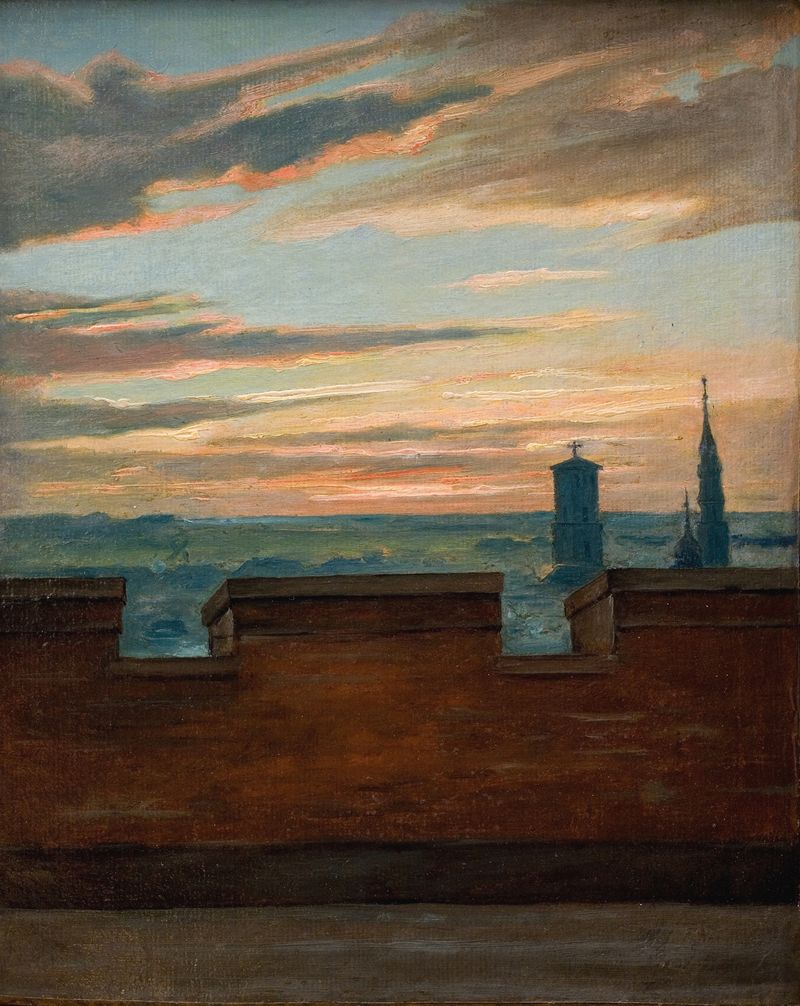
View of Copenhagen at Sunset
Martinus Rørbye
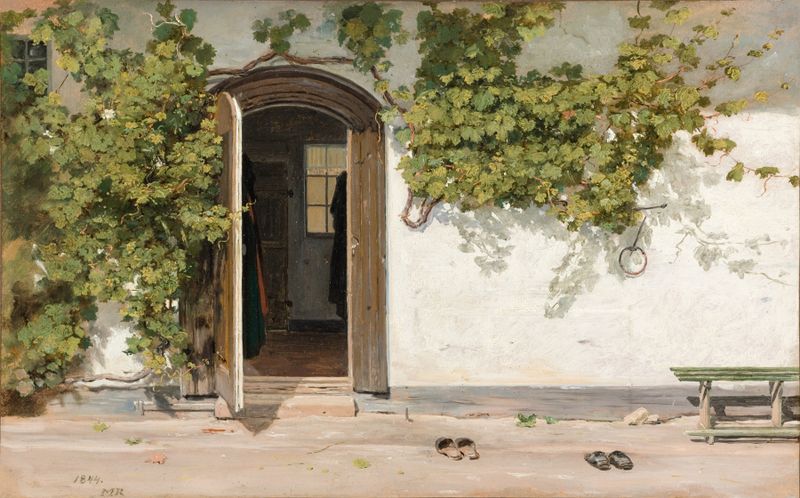
Entrance to an Inn in the Praestegarden at Hillested
Martinus Rørbye
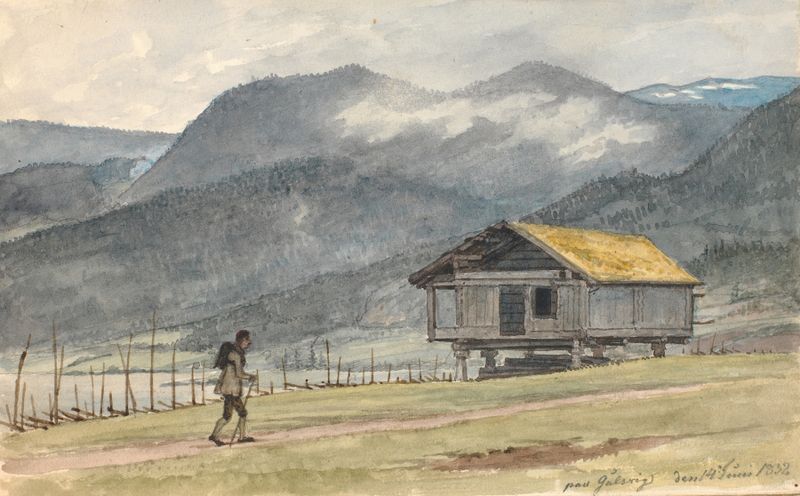
Fjeldlandskab med hytte og vandrer
Martinus Rørbye
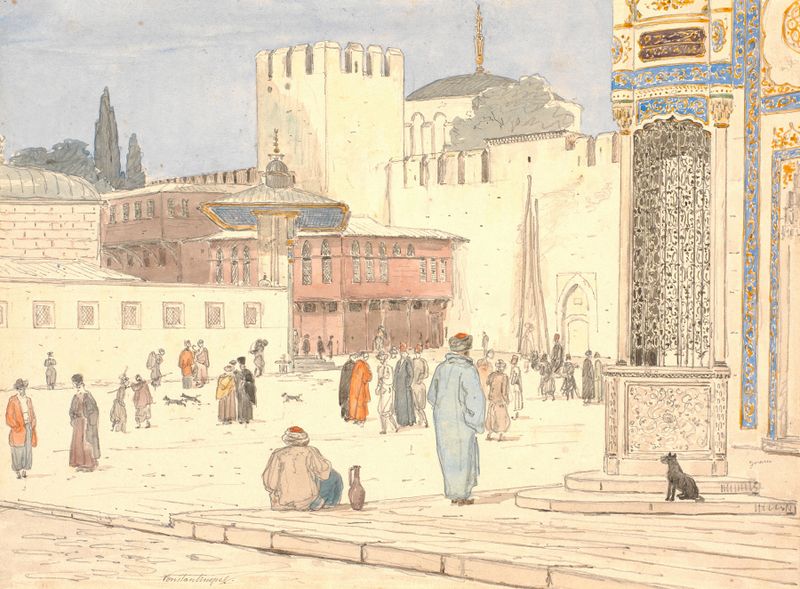
The Square in Front of Bab-i-Hümayan in Constantinople
Martinus Rørbye
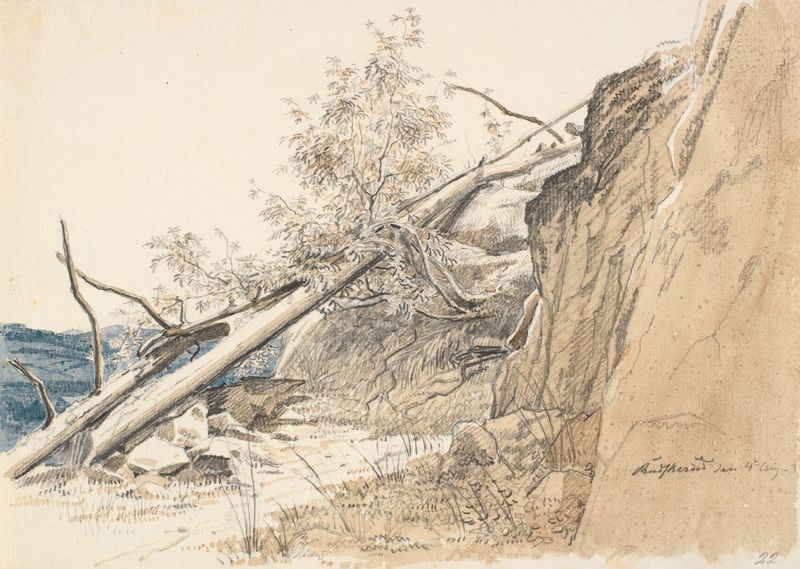
Tree Trunk Leaning Against a Rock. Norway
Martinus Rørbye
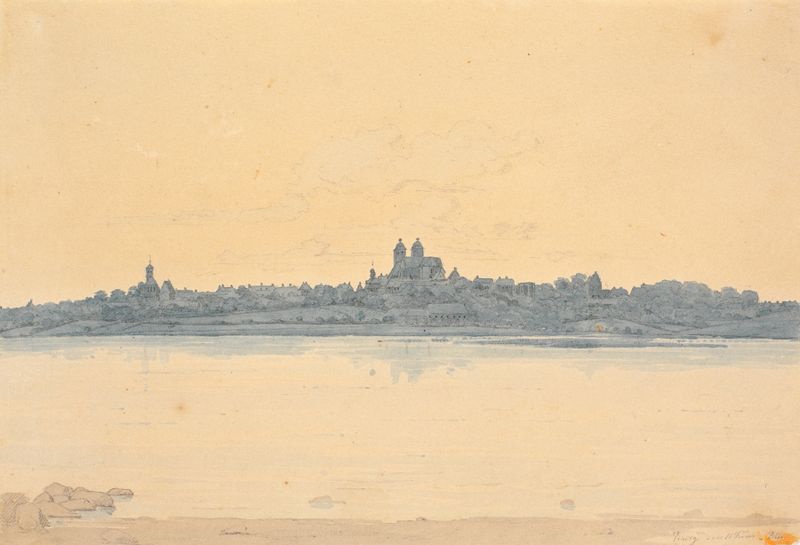
Viborg Seen from Asmild Klosterhave near Søndersø
Martinus Rørbye





