Flowery Meadow — History & Facts
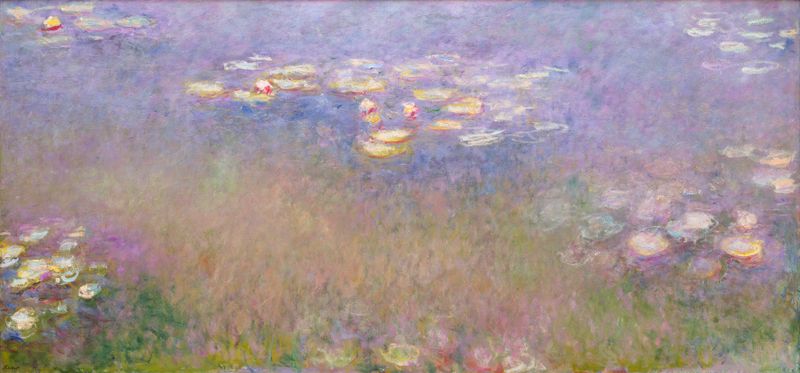
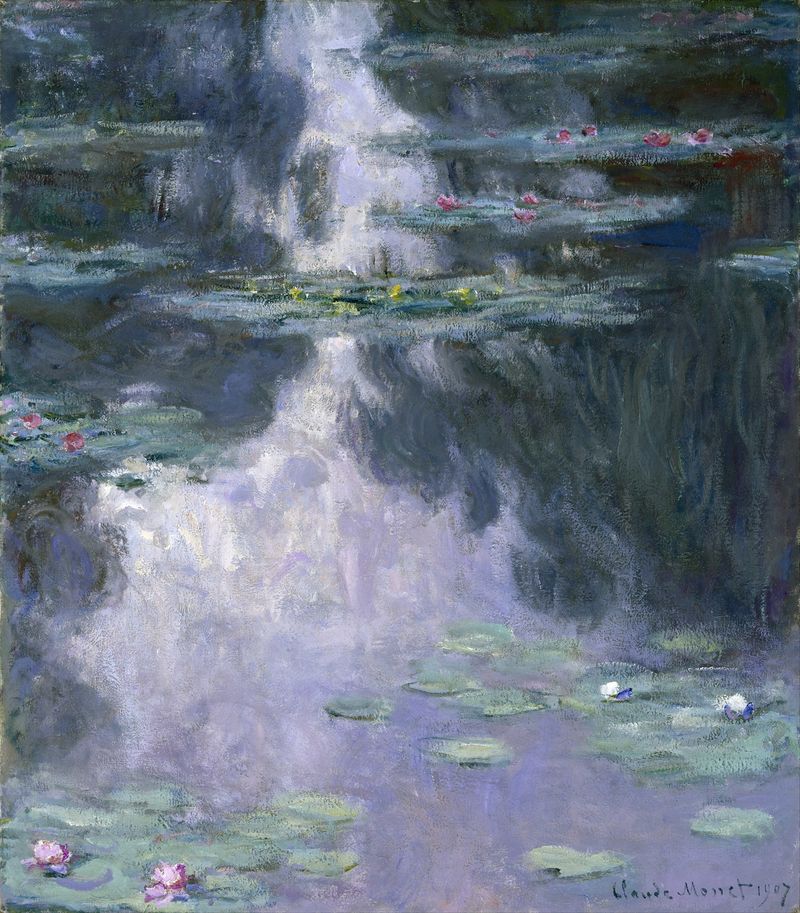
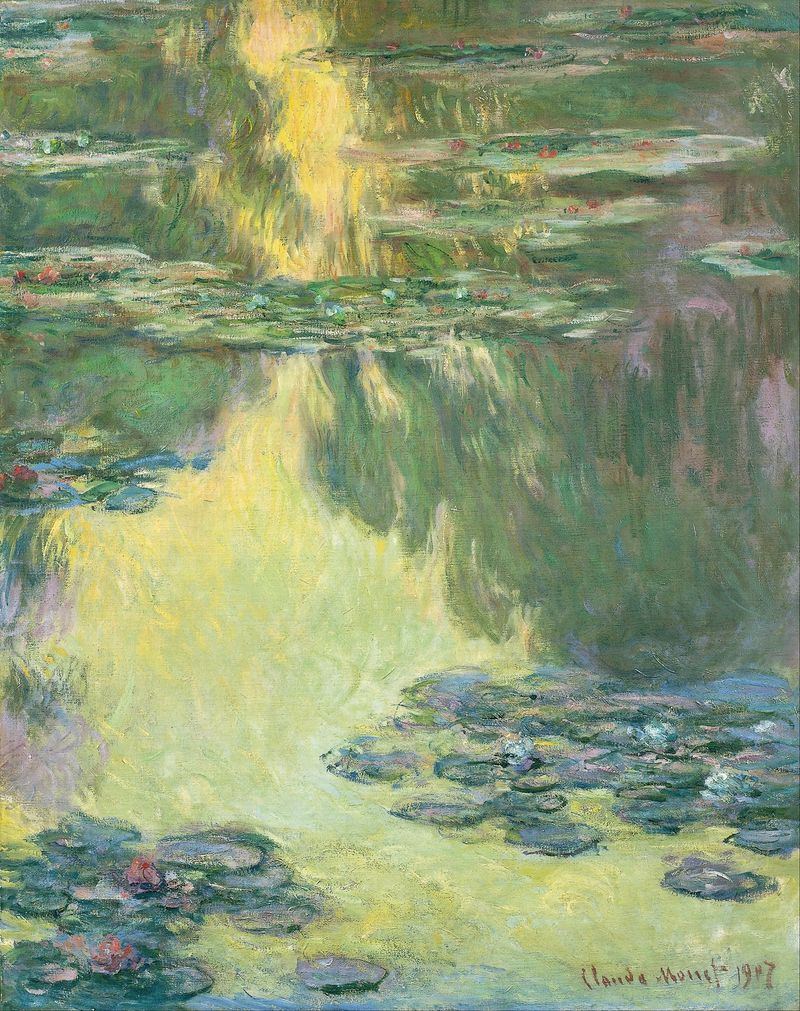
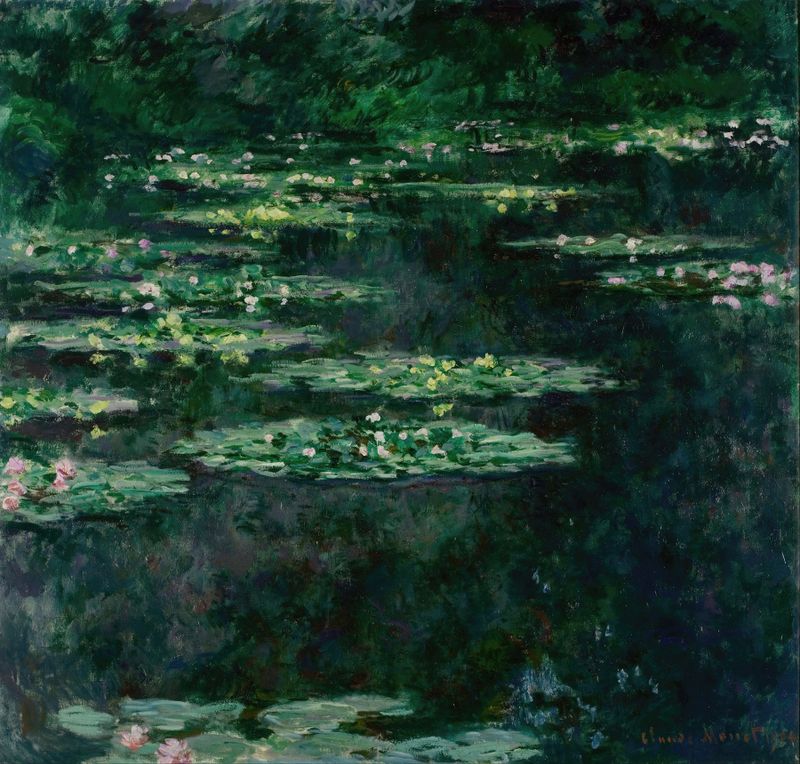
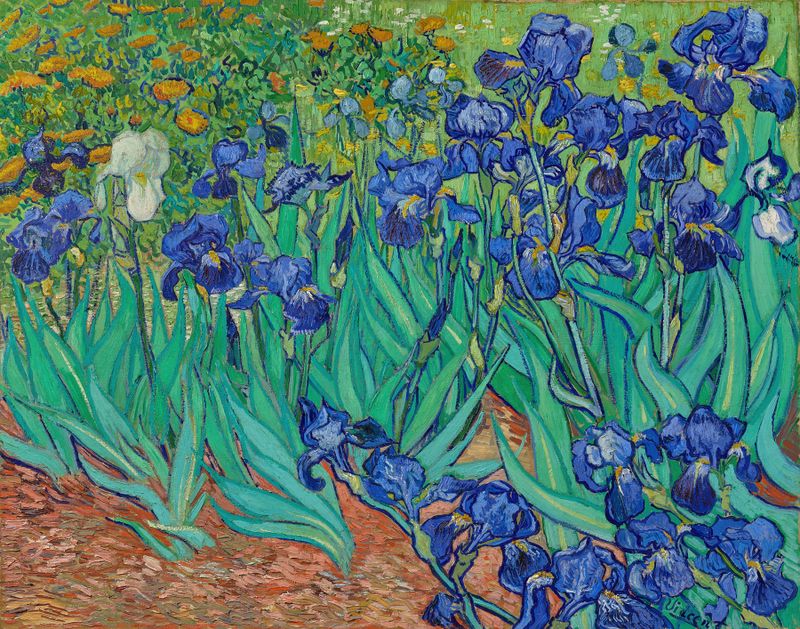
When did color learn to lie? In a world where hues dance and deceive, the essence of truth often gets lost amidst the vibrant chaos of nature's palette. Look to the center of the canvas, where a riot of wildflowers bursts forth, their petals unfurling in a dazzling array of colors. Notice how the artist employs bold brushstrokes to give life to each blossom, creating movement that feels almost three-dimensional. The play of light against the flowers suggests a breeze, inviting the viewer to feel the warmth of the sun filtering through the leaves.
The painter's choice of soft greens in the background cradles the scene, allowing the floral explosion to resonate with emotional intensity. Delve deeper into the subtle contrasts within this piece. The cheerful colors of the flowers juxtapose with the more subdued tones of the landscape, hinting at the fleeting nature of beauty and life's impermanence. The lushness of the meadow evokes a sense of peacefulness, yet the intensity of the colors raises questions about authenticity—do these idealized blooms reflect nature’s true state, or do they mask the harsher realities of the world? In this delicate balance lies a rich tapestry of meaning, urging viewers to reflect on their own perceptions of truth. In 1910, the artist created this work amidst a burgeoning interest in American landscapes and the natural world, influenced by the broader artistic movements of Impressionism and Post-Impressionism.
Living in a period marked by rapid change in art and society, he sought to capture the sublime beauty of untouched nature, striving to convey both truth and illusion through his vibrant palette and intricate compositions.
More Artworks by William Henry Holmes
Browse all →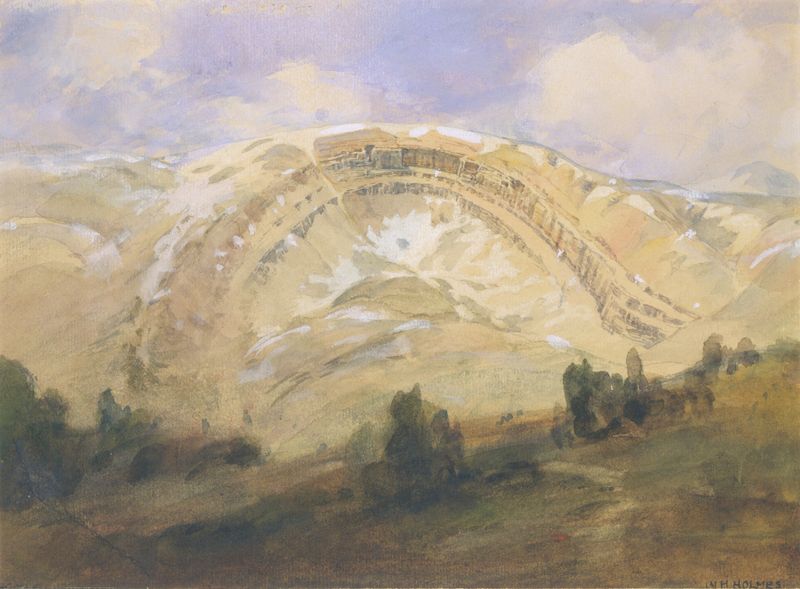
Folded Strata, A Great Geological Arch, Colorado
William Henry Holmes
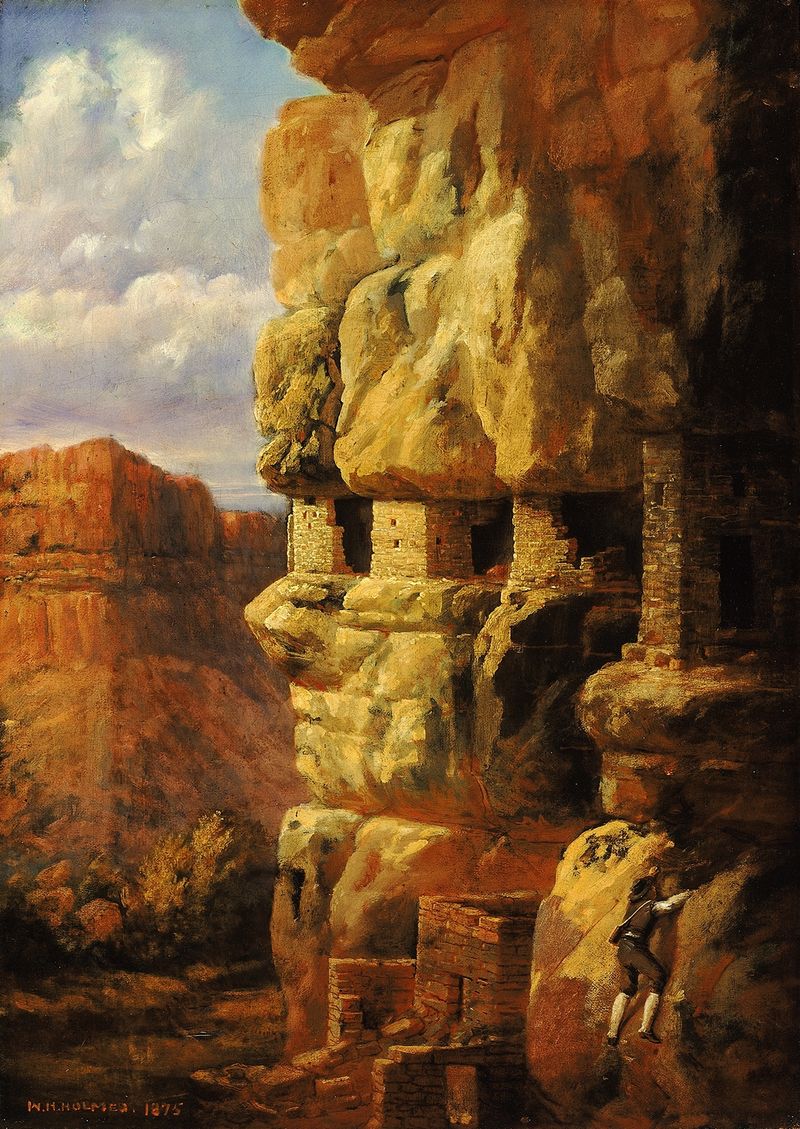
Cliff Houses On The Rio Mancos, Colorado
William Henry Holmes
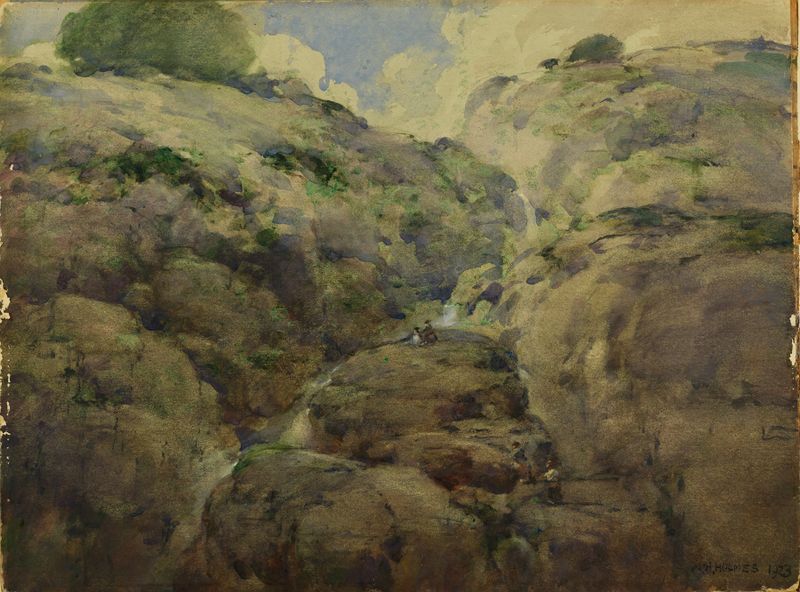
Mountain Gorge, Colorado
William Henry Holmes
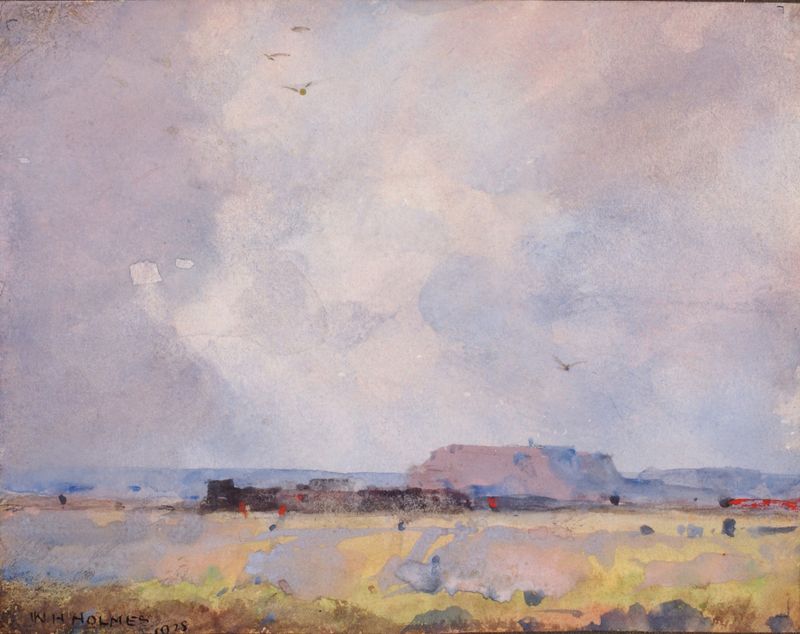
In The Plateau Country, With An Inhabited Pueblo
William Henry Holmes
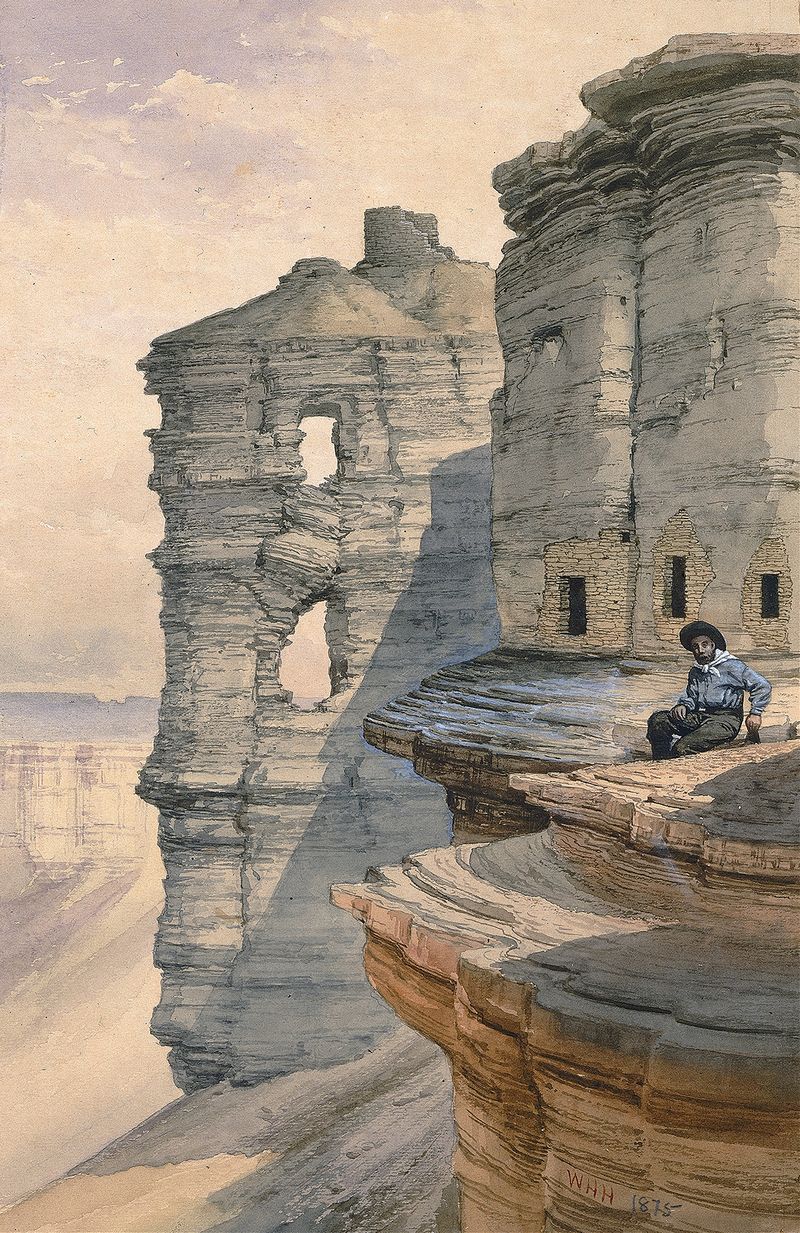
Cliff Houses on the Rio Mancos, Colorado
William Henry Holmes
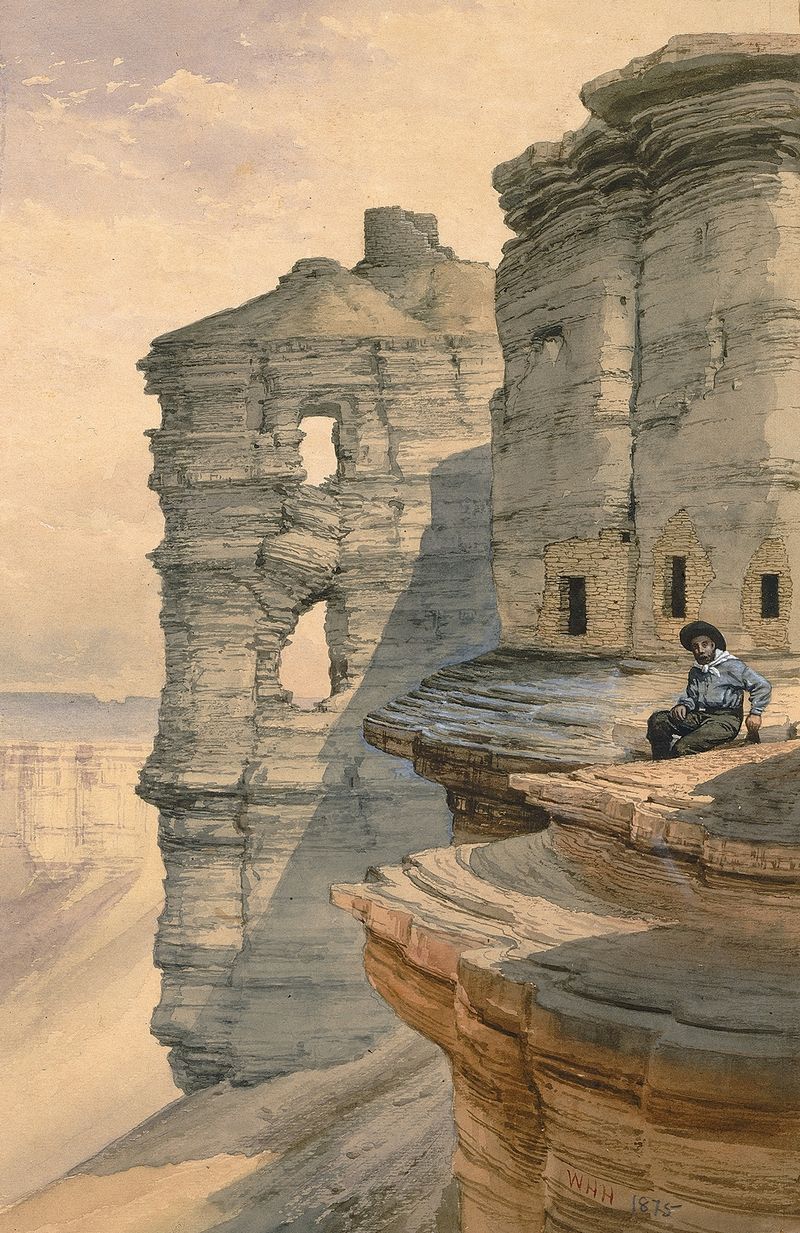
Cliff Houses On The Rio Mancos, Colorado
William Henry Holmes
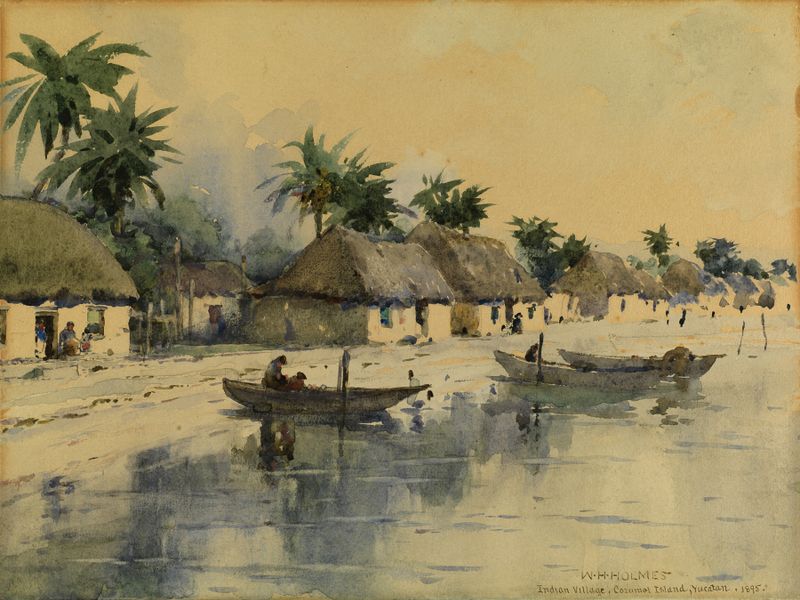
Indian Village, Cozumel Island, Yucatan
William Henry Holmes
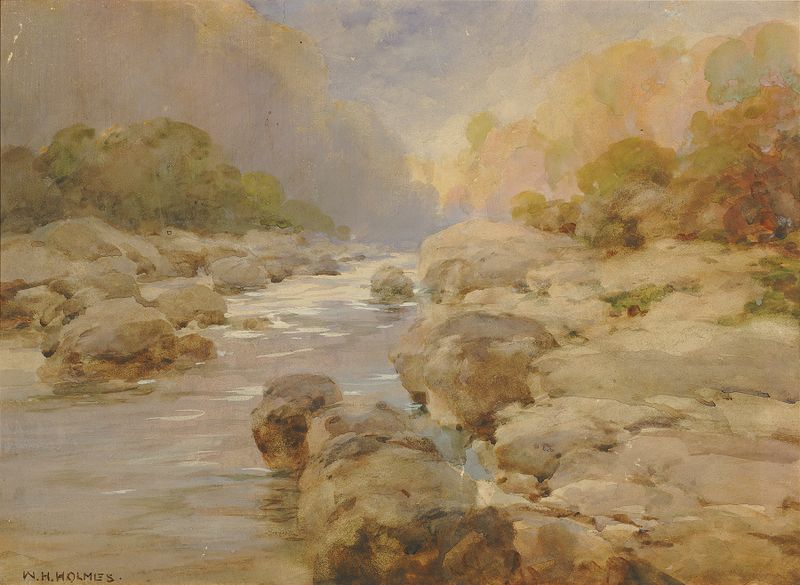
Unmodified Rock Creek, About 1910
William Henry Holmes
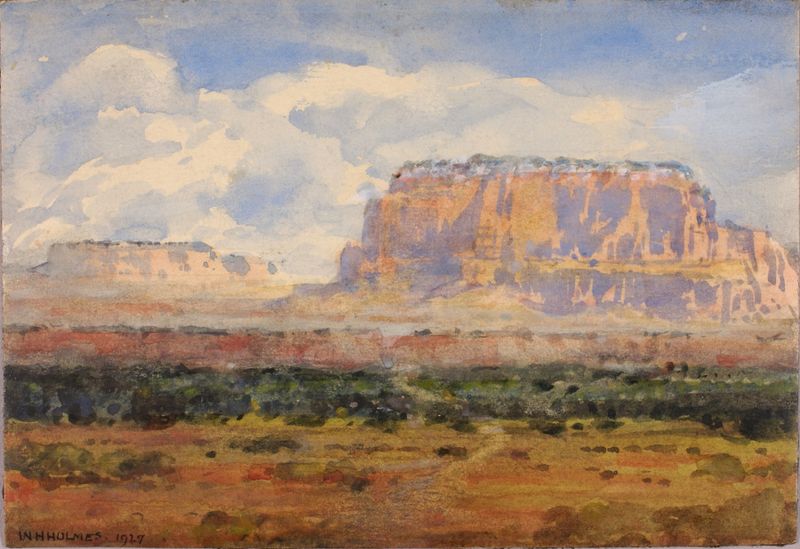
The Enchanted Mesa
William Henry Holmes
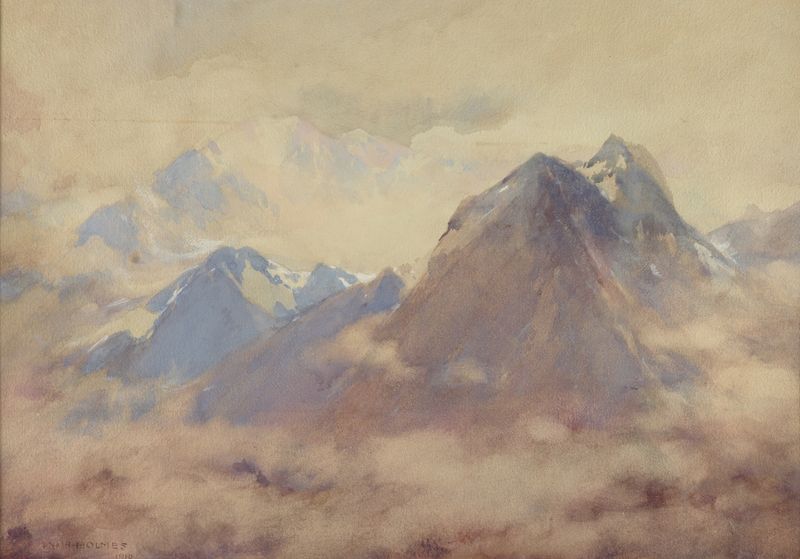
The Almighty’s Own, An Impression Of The High Andes
William Henry Holmes