Fontaine dans un jardin de Rome — History & Facts
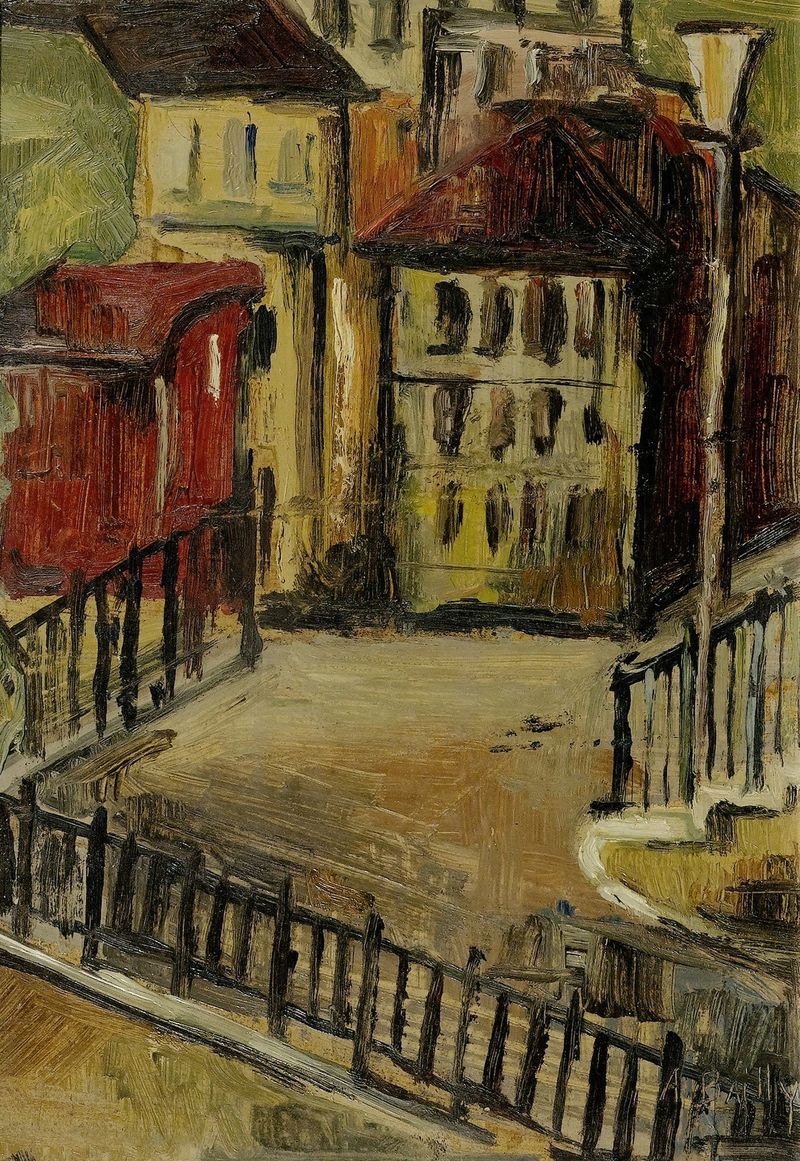
What if beauty was never meant to be finished? In Fontaine dans un jardin de Rome, the essence of an eternal moment is captured, inviting the viewer to ponder the fleeting nature of aesthetic pleasure. Look to the center of the canvas, where the fountain stands as a serene focal point, its water cascading in hypnotic rhythms. Surrounding it, vibrant blooms burst with color, harmonizing with the soft greens of the garden. Observing the interplay of light, you can feel the warmth of the Roman sun, casting gentle shadows that dance across the textured surfaces, while the artist’s bold brushstrokes create a sense of movement that draws you deeper into this idyllic scene. Delve into the details, and the contrasts within the painting emerge: the dynamic between the stillness of the fountain and the lively flora speaks to the balance of tranquility and chaos.
Each petal and leaf, rendered in rich hues, contrasts against the cool, fluidity of the water, suggesting the coexistence of ephemeral beauty and enduring grace. This duality reflects the complexity of life itself, where moments of calm are often interwoven with vibrant energy. Alice Bailly painted this work during the early 20th century, a time when she was deeply engaged in the avant-garde movements in Paris. As a key figure in the early modernist scene, she explored the intersections of color and form.
The world was experiencing significant upheavals, yet within the tranquility of a Roman garden, Bailly encapsulated a refuge—a moment of beauty that stands timeless against the backdrop of change.