
Fontainebleau; Oak Trees at Bas-Bréau — History & Facts
Is this a mirror — or a memory? In the serene embrace of nature, we find ourselves wandering through a landscape that seems to suspend time, inviting quiet reflection on the fleeting nature of existence. Look to the left at the grand oak trees, their gnarled branches reaching outward like ancient hands, encircled by a soft haze of morning light. Notice how the painter captures the interplay of shadow and illumination, effectively drawing the eye to the lush greens and earthy browns that dominate the canvas. The delicate brushwork conveys a sense of immediacy, while the calm water reflects the trees with such clarity that it blurs the line between reality and dream. Within this tranquil scene lies an undercurrent of tension.
The juxtaposition of vibrant life and the stillness of the water hints at mortality, suggesting that beauty exists alongside its inevitable decay. The trees, steadfast witnesses to time's passage, embody resilience, while the gentle ripples in the water remind us of life's transience. This harmony between permanence and impermanence resonates deeply, inviting contemplation of our own fleeting moments. In 1832, during a period of personal and artistic exploration, the painter created this work while immersed in the picturesque landscape of the Forest of Fontainebleau, a favored retreat for artists.
At this time, Corot was developing his unique approach to plein air painting, marrying realism with a poetic sense of atmosphere. This painting reflects not only his evolving style but also the Romantic movement’s preoccupation with nature and introspection, capturing the essence of a moment that speaks to the heart.
More Artworks by Jean-Baptiste-Camille Corot
Browse all →
View of Genoa
Jean-Baptiste-Camille Corot
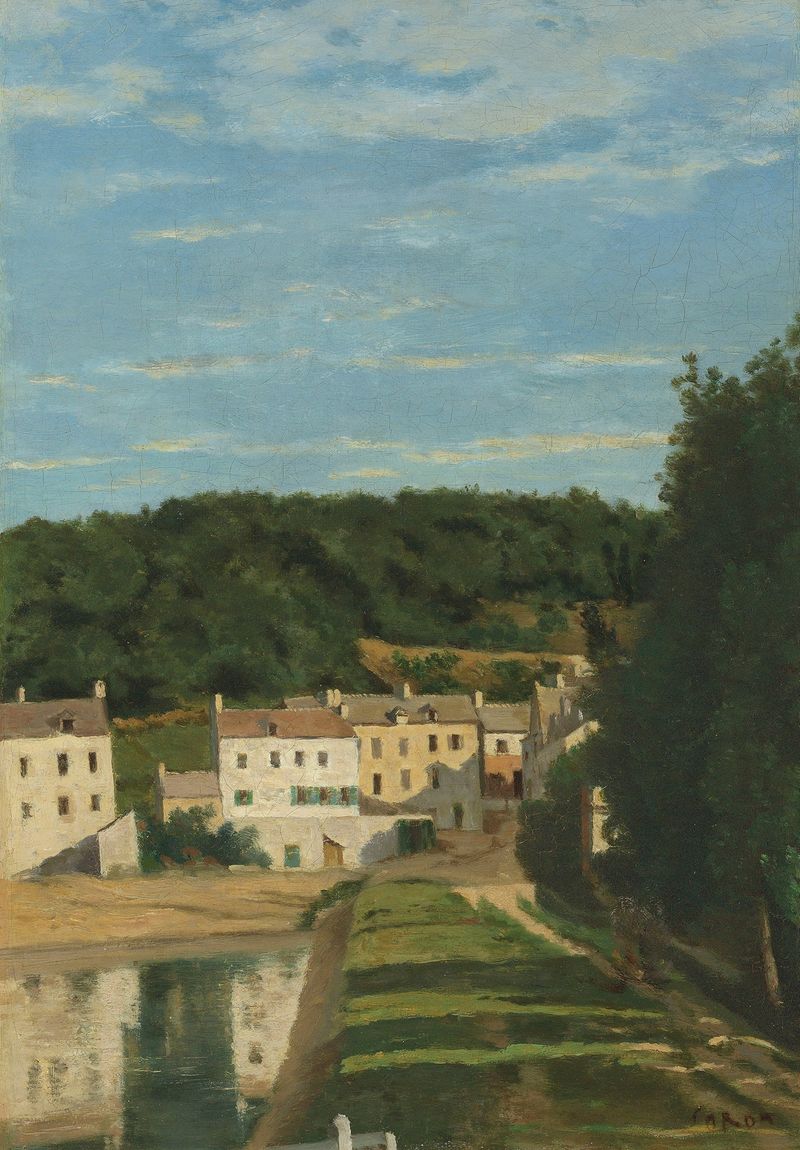
Les Maisons Cabassud À Ville D’avray
Jean-Baptiste-Camille Corot

La solitude. Souvenir de Vigen (Limousin)
Jean-Baptiste-Camille Corot
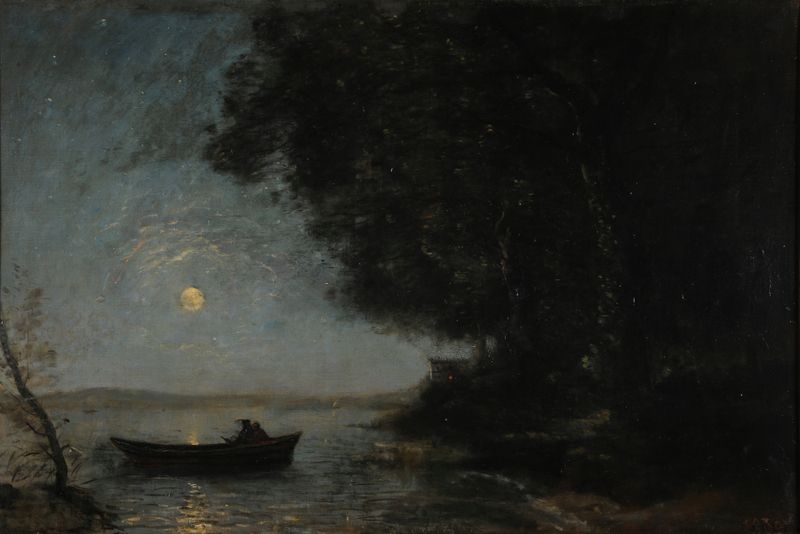
Le lac ; effet de nuit
Jean-Baptiste-Camille Corot
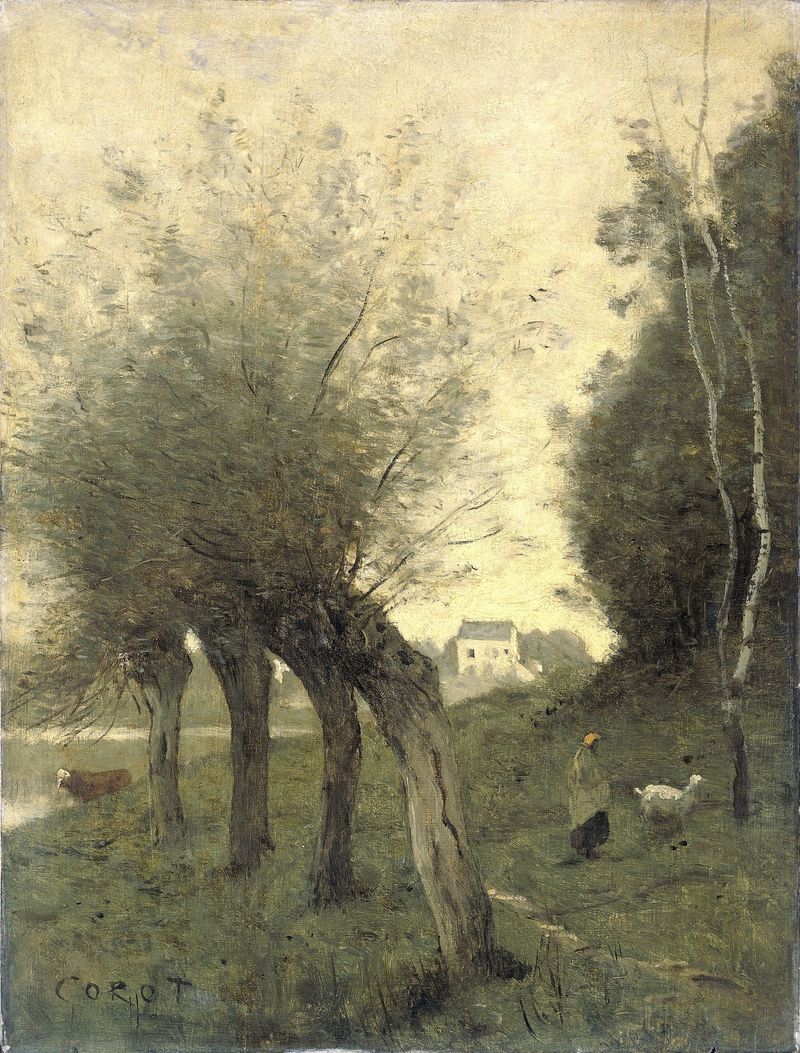
Landscape with Pollard Willows
Jean-Baptiste-Camille Corot
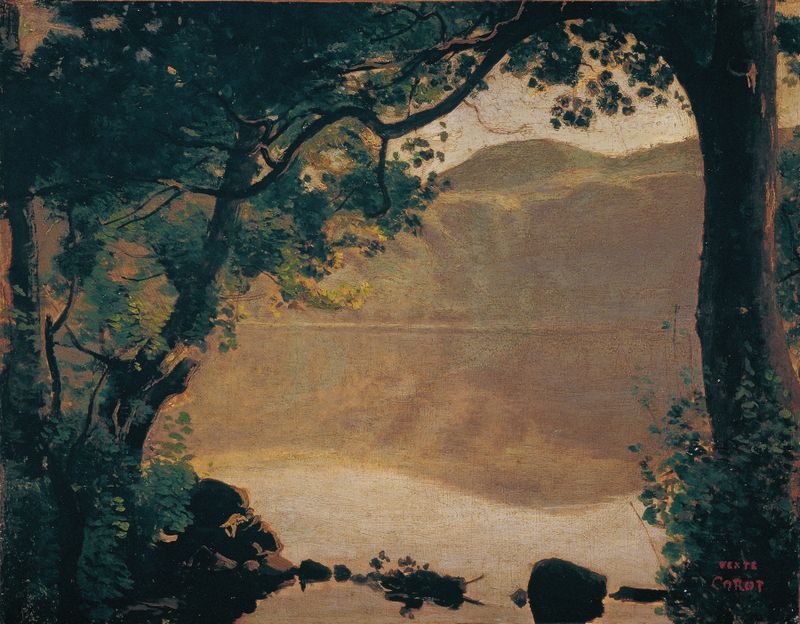
Der Nemisee
Jean-Baptiste-Camille Corot
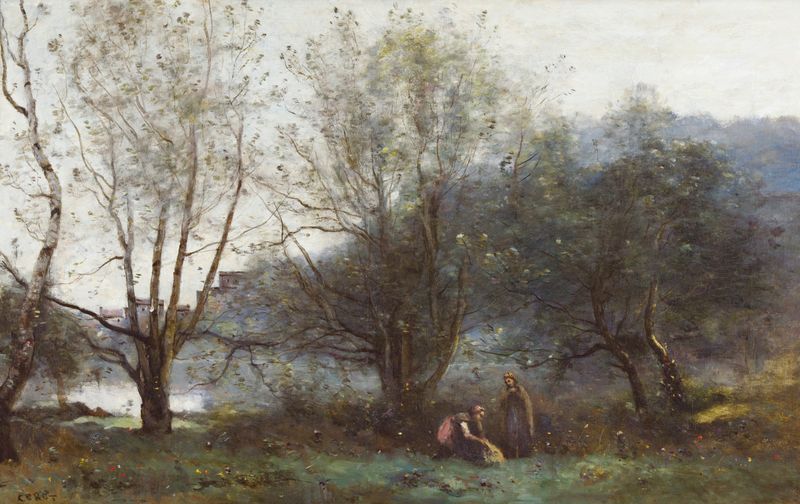
Les Étangs De Ville D’avray
Jean-Baptiste-Camille Corot
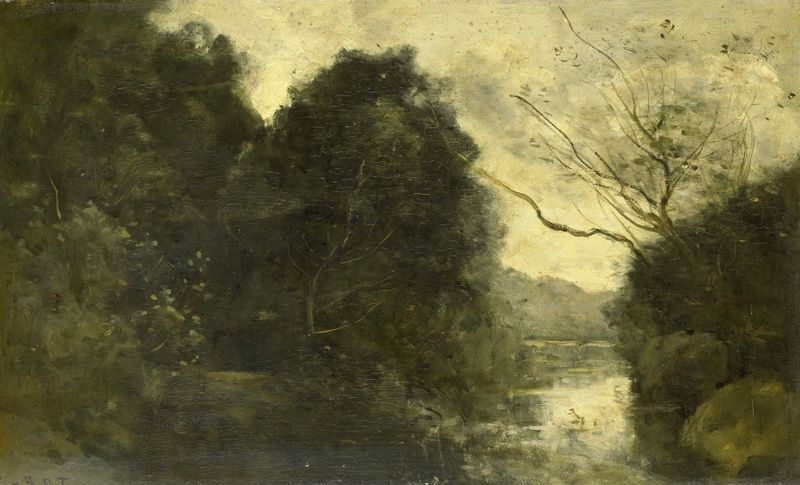
Pond in the Woods
Jean-Baptiste-Camille Corot
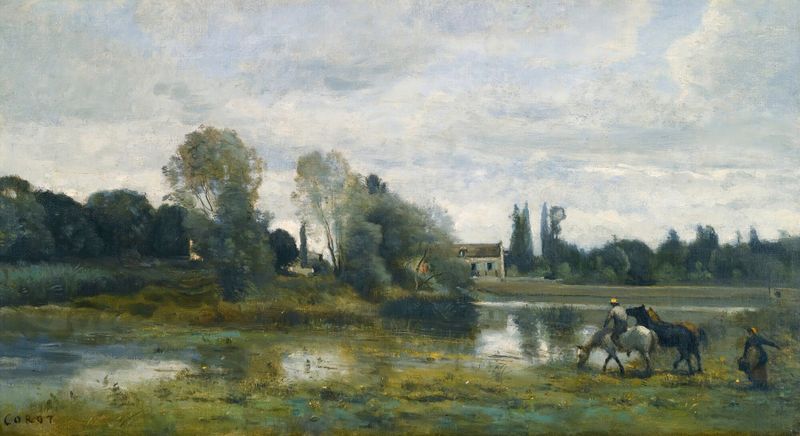
Ville D’avray; L’abreuvoir Des Chevaux
Jean-Baptiste-Camille Corot
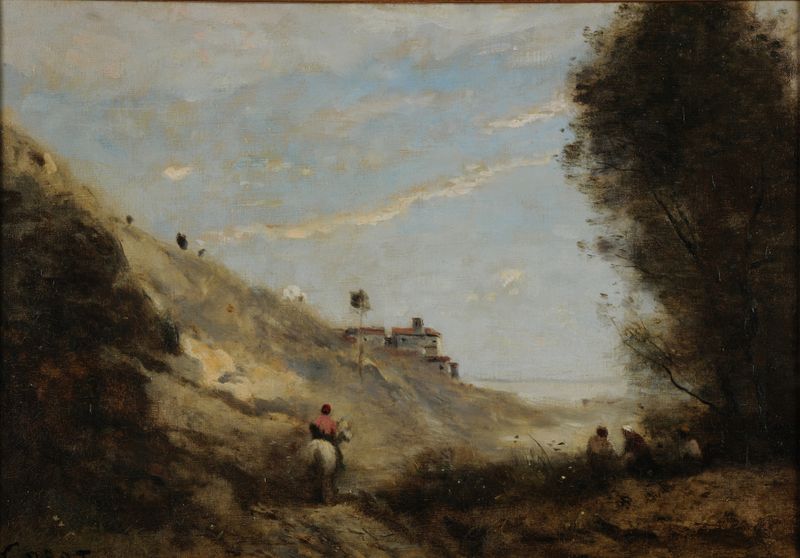
Le vallon au cavalier
Jean-Baptiste-Camille Corot





