
Fonthill Abbey, Wiltshire — History & Facts
Who listens when art speaks of silence? In Fonthill Abbey, the interplay of light and shadow beckons a deeper understanding of the unseen. Look to the upper left, where the sun’s rays break through the dark, looming clouds, illuminating the crumbling edifice of the abbey. The juxtaposition of the lightest whites against the muted browns and greens calls attention to the grandeur that once was. Notice how the brush strokes create a sense of movement, swirling the atmosphere around the solemn structure, as if the air itself is filled with whispers of history.
The composition is intentionally asymmetrical, guiding the eye through the landscape, encouraging a sense of exploration beyond the mere ruins. Yet it is the shadow that speaks most profoundly in this work. The depth of the dark areas contrasts with the brightness and serves as a symbol of decay and time’s relentless passage. Turner captures a moment suspended between nostalgia and desolation, highlighting the tension between nature’s beauty and humanity’s impermanence.
Look closely at the surrounding trees; their twisted branches reach out as if mourning the abbey’s lost glory, creating an emotional resonance that transcends the visual. This painting emerged during a transformative time for the artist, who was grappling with the effects of industrialization on the English landscape. Created likely in the 1820s, it reflects Turner's growing interest in capturing the transient effects of light and atmosphere, while also conveying a sense of ruin that echoes the concerns of an era marked by rapid change and loss.
More Artworks by Joseph Mallord William Turner
Browse all →
Dort or Dordrecht- The Dort Packet-Boat from Rotterdam Becalmed
Joseph Mallord William Turner
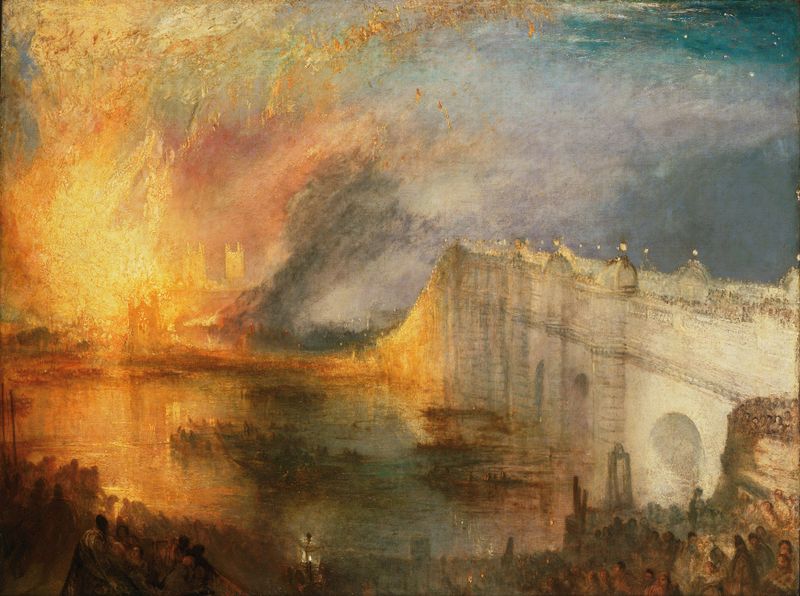
The Burning of the Houses of Lords and Commons, October 16, 1834
Joseph Mallord William Turner
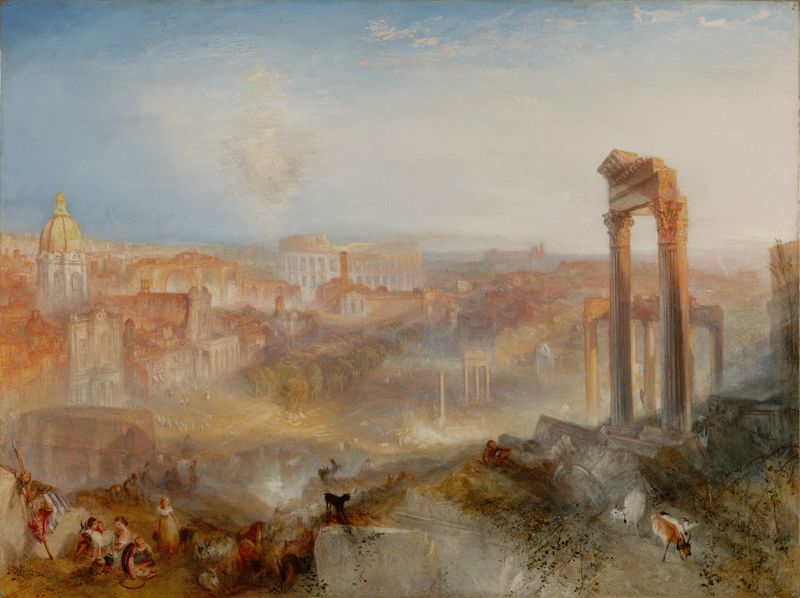
Modern Rome – Campo Vaccino
Joseph Mallord William Turner
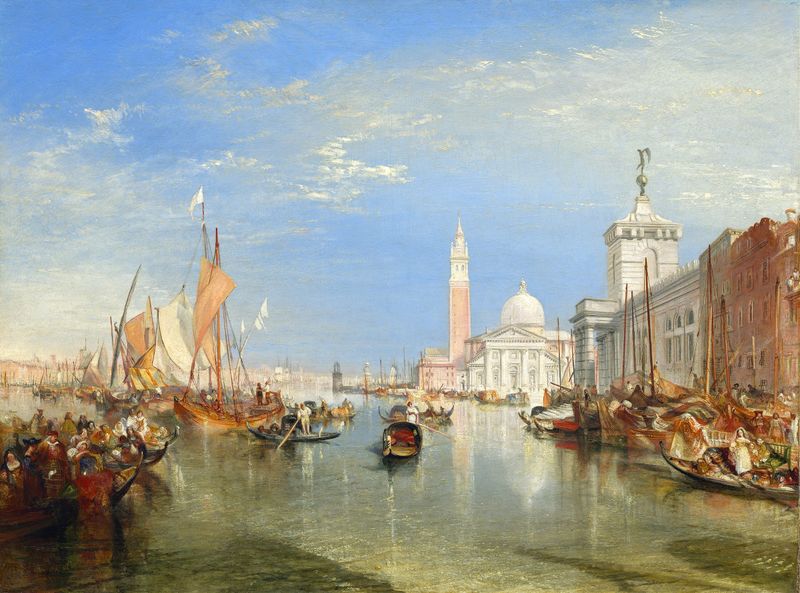
Venice – The Dogana and San Giorgio Maggiore
Joseph Mallord William Turner

The Burning of the Houses of Lords and Commons, 16 October 1834
Joseph Mallord William Turner
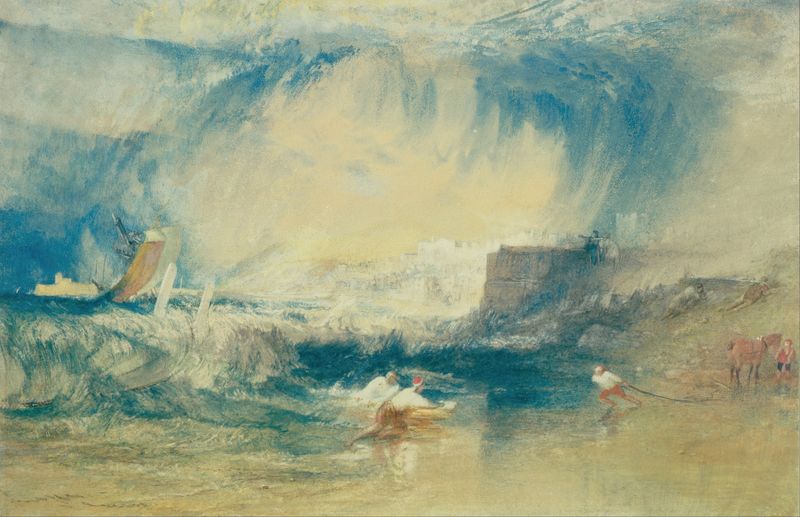
Lyme Regis, Dorsetshire, England
Joseph Mallord William Turner
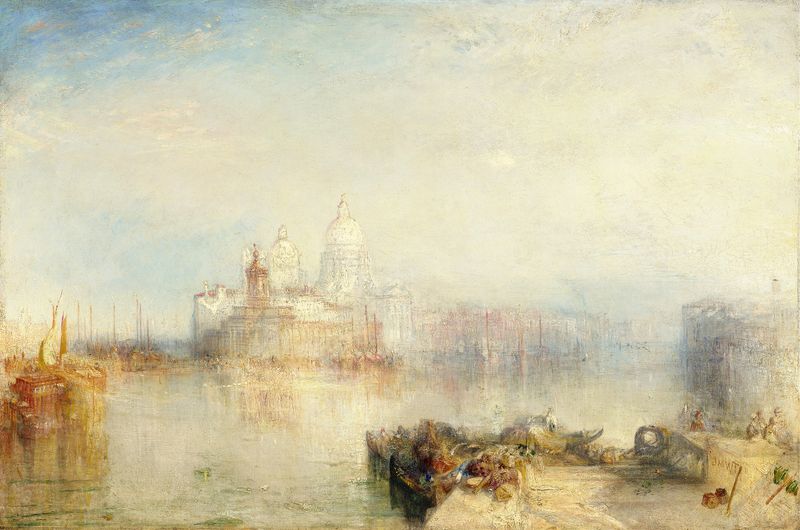
The Dogana and Santa Maria della Salute, Venice
Joseph Mallord William Turner
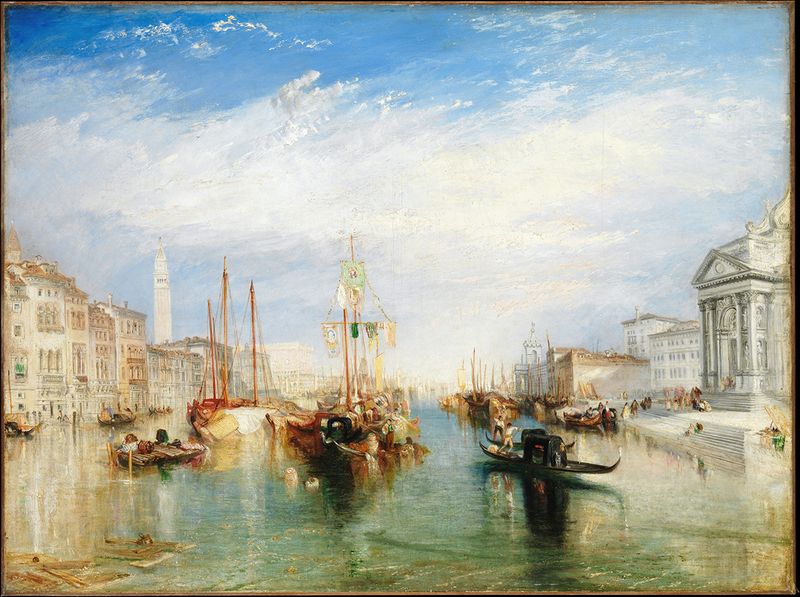
Venice, from the Porch of Madonna della Salute
Joseph Mallord William Turner
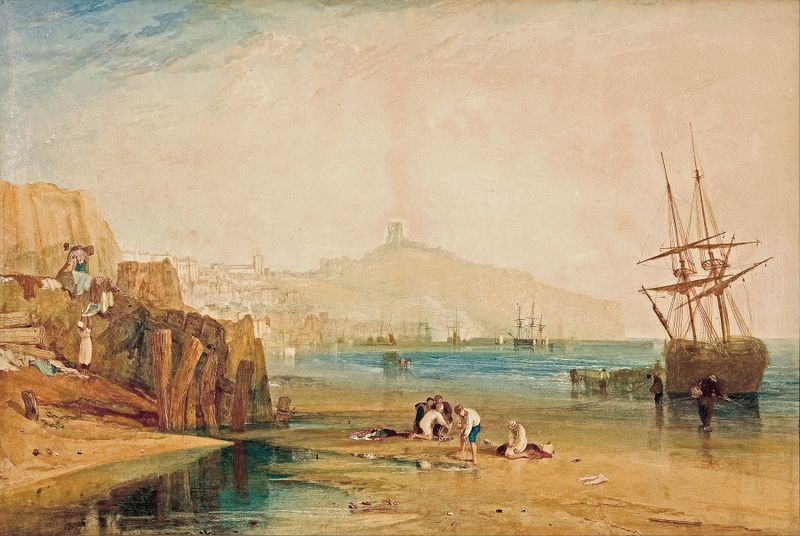
Scarborough town and castle; morning; boys catching crabs
Joseph Mallord William Turner
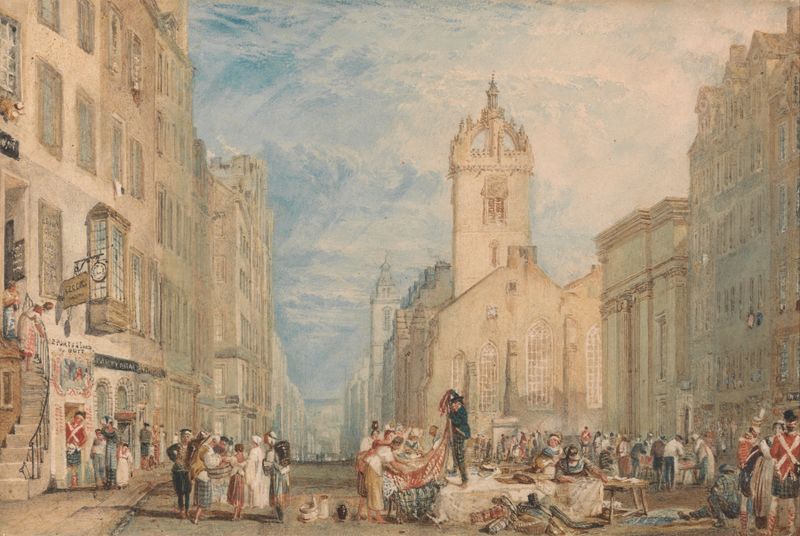
High Street, Edinburgh
Joseph Mallord William Turner
More Architecture Art
Browse all →
The statue of Liberty
Frédéric Auguste Bartholdi

View of Houses in Delft, Known as ‘The Little Street’
Johannes Vermeer

View of Houses in Delft, Known as ‘The Little Street’
Johannes Vermeer

The Cathedral in Rouen. The portal, Grey Weather
Claude Monet

The yellow house
Vincent van Gogh

The Church in Auvers-sur-Oise, View from the Chevet
Vincent van Gogh