
Fontpédrouse en Pyrénées — History & Facts
What if silence could speak through light? In Fontpédrouse en Pyrénées, it does so with a haunting clarity, evoking an unsettling presence amidst the serene beauty of the landscape. The painting captures the tension between tranquility and an unarticulated fear, suggesting that peace can often be disquieting. Look to the foreground, where soft brush strokes delineate the undulating hills and the delicate play of light dapples the terrain. The muted greens and browns of the land converge into a vivid sky, where clouds gather, hinting at the storm brewing just beyond the horizon.
Notice how the light, almost tangible, brings an ethereal quality to the scene, yet casts long shadows that evoke a sense of foreboding. The composition invites the viewer's eye to explore the depth of the mountains, drawing one into the heart of this seemingly tranquil moment. Hidden within the beauty lies a contrast between the serene landscape and the encroaching darkness of the clouds. The interplay of light and shadow can be seen as a metaphor for fear lurking beneath the surface of calmness, suggesting a fragile balance between nature's majesty and its potential for wrath.
The delicate details of the brushwork encapsulate the moment's beauty while simultaneously whispering of the fragility of human existence against the backdrop of nature's power. Hermann Lismann created this evocative piece in 1928, a time when Europe was emerging from the turmoil of World War I yet bracing for the impending storm of the Great Depression. Living in Paris, Lismann was part of a vibrant art scene, influenced by the shifting dynamics of society and the interplay of light and shadow in both life and art. His work captured not just landscapes, but the profound emotions and fears that quietly pervaded the era.
More Artworks by Hermann Lismann
Browse all →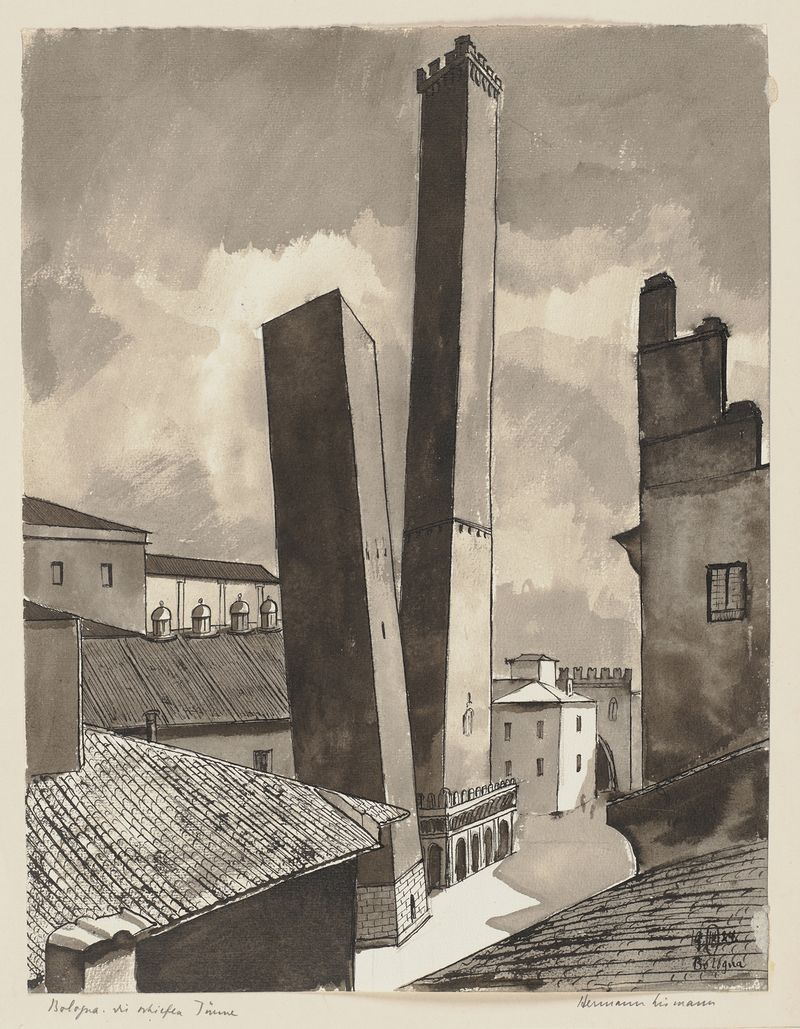
Die beiden Türme Garisenda und Asinelli in Bologna
Hermann Lismann
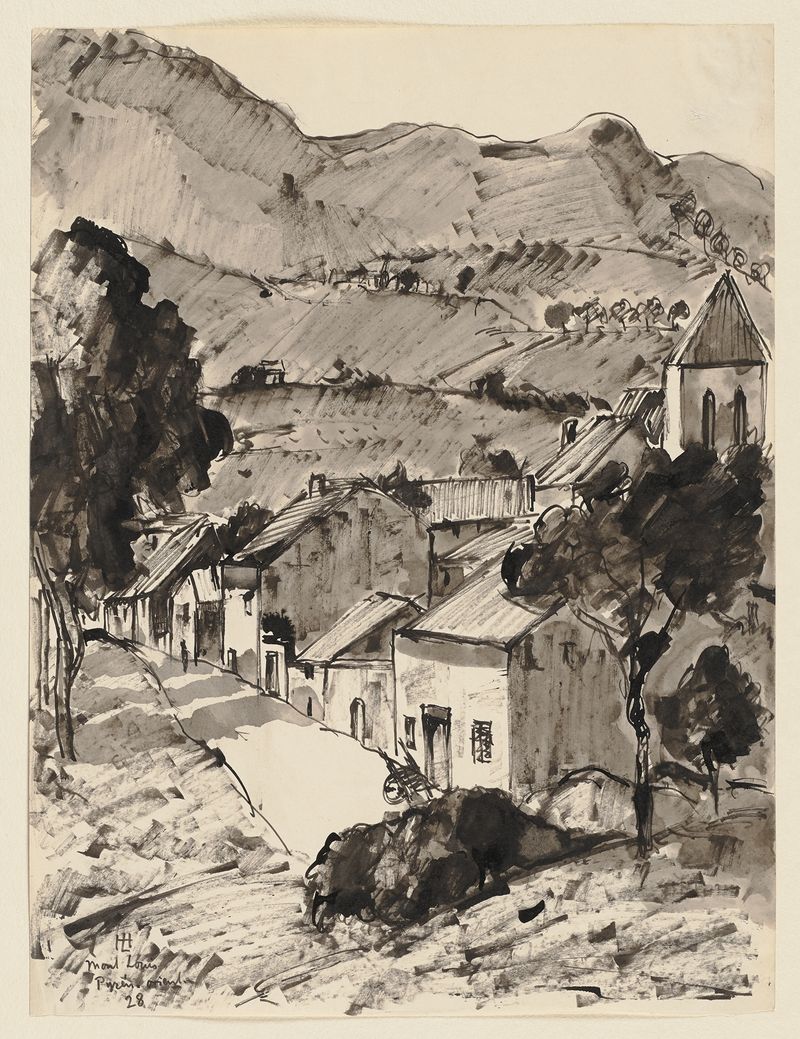
Mont-Louis
Hermann Lismann
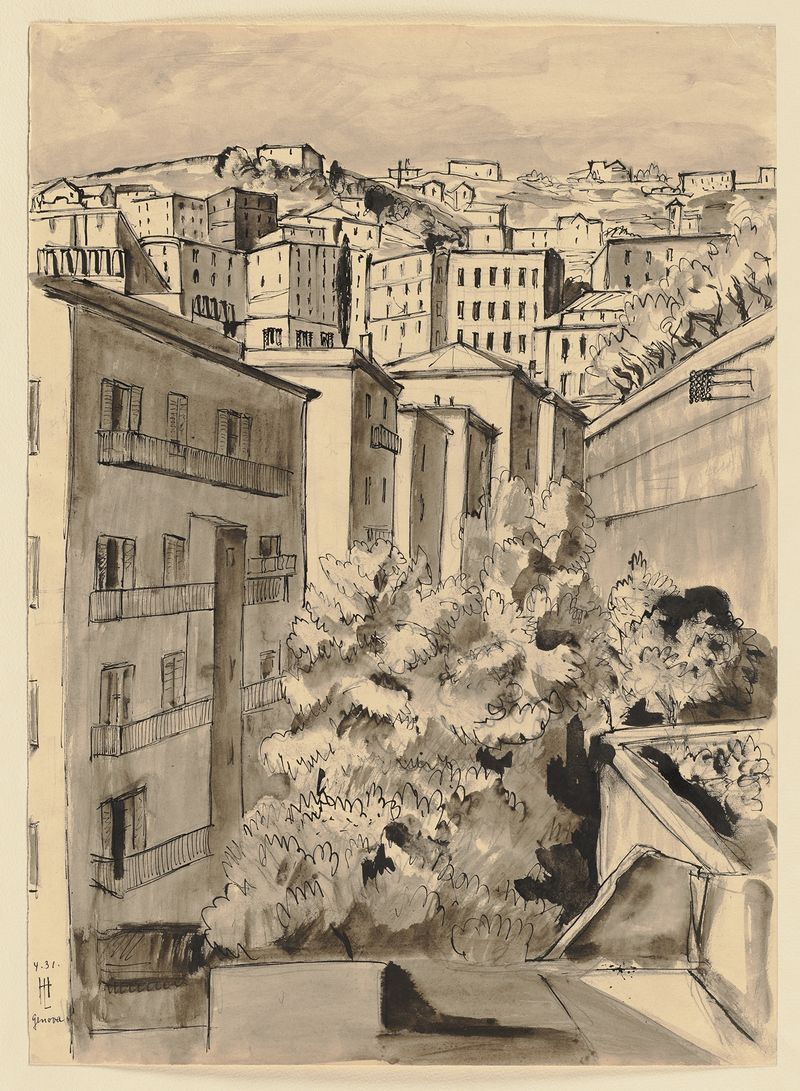
View of Genoa
Hermann Lismann
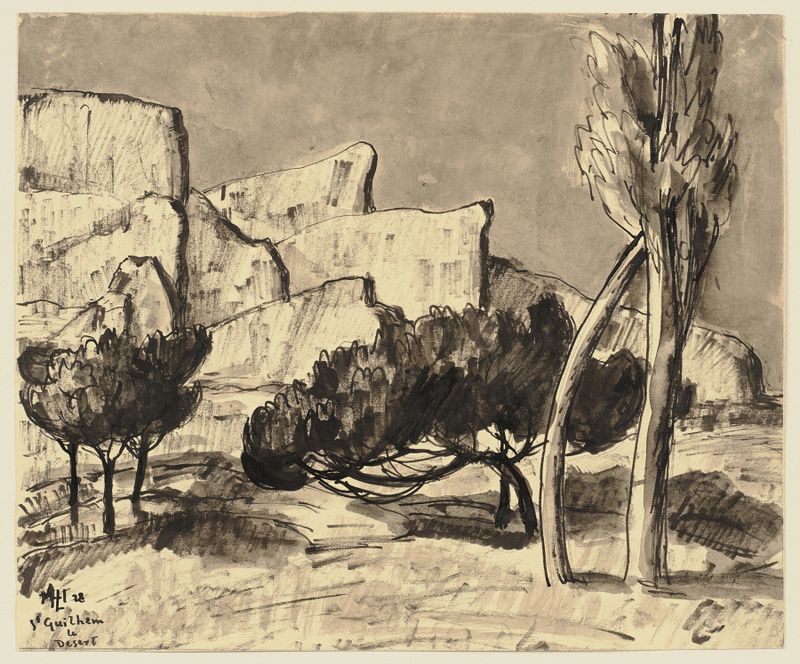
Saint-Guilhem-le-Désert
Hermann Lismann
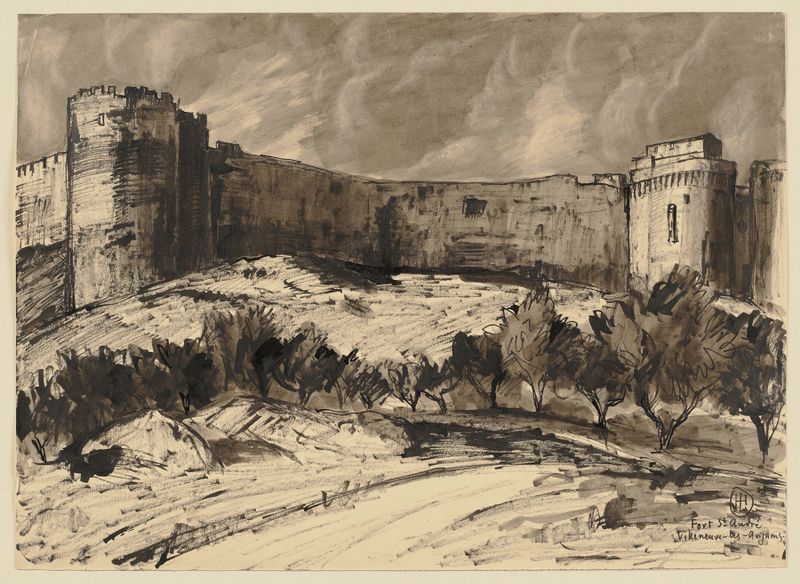
Fort Saint-André in Villeneuve-les-Avignon
Hermann Lismann
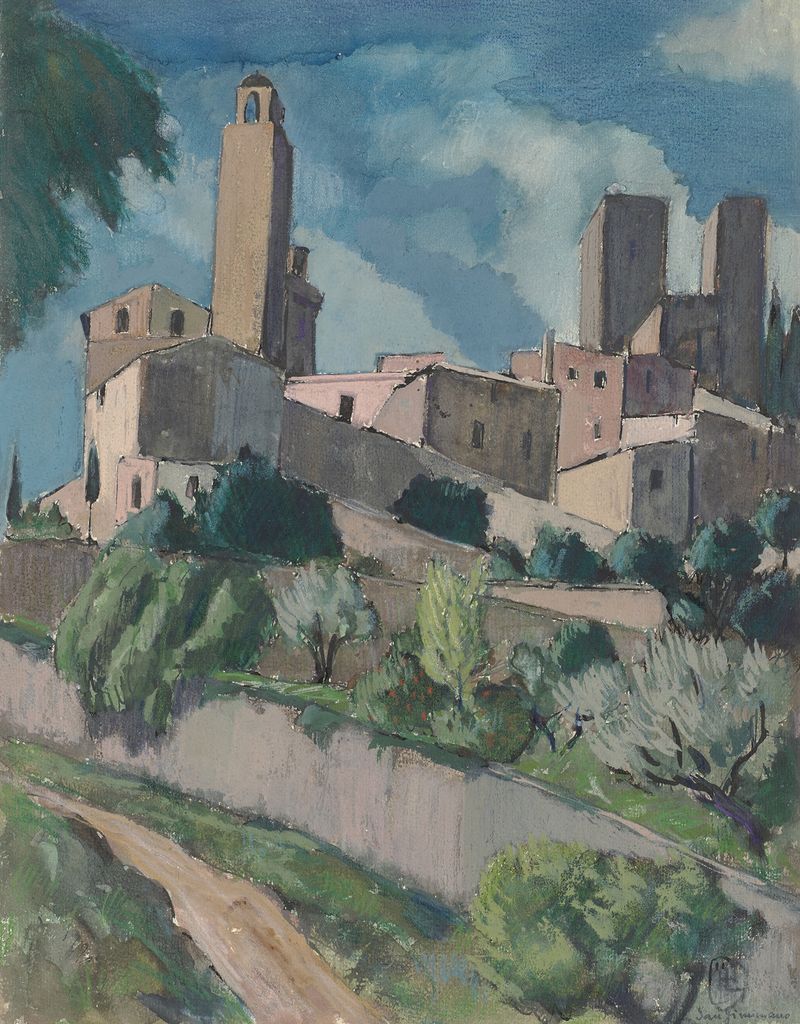
San Gimignano
Hermann Lismann
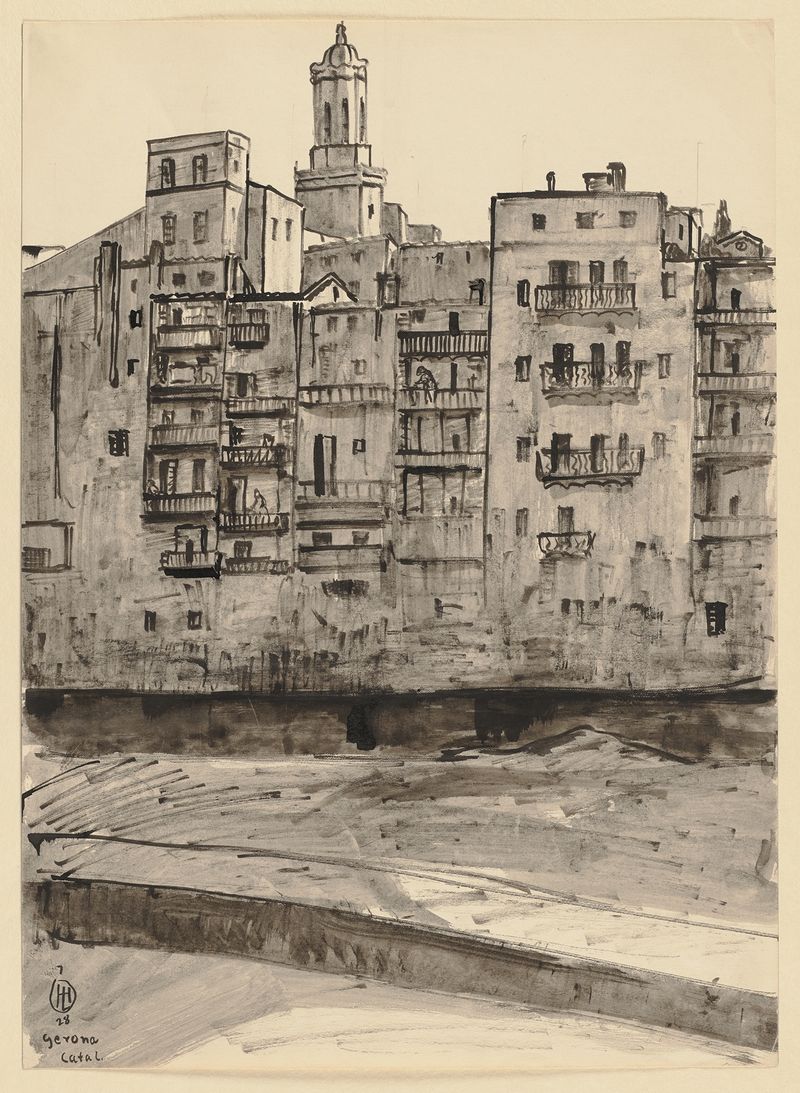
Girona vom Fluss aus gesehen, im Hintergrund der Turm der Kathedrale
Hermann Lismann
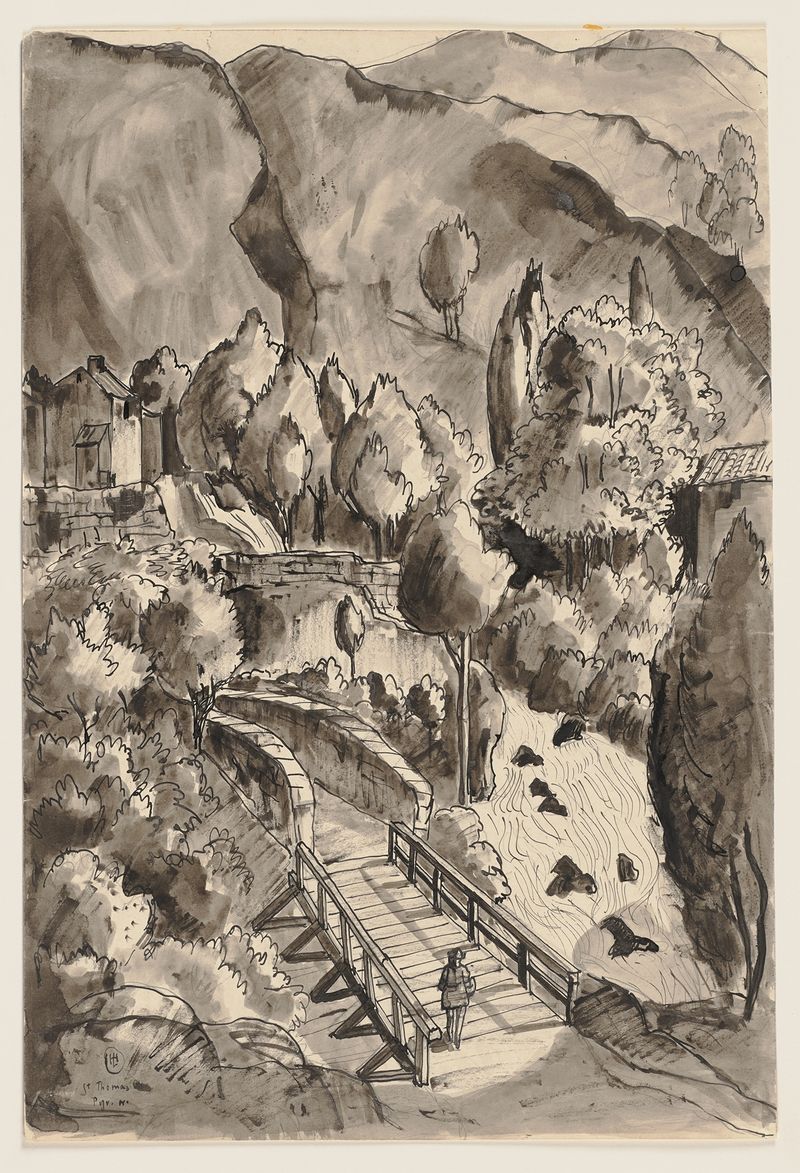
Saint Thomas, Pyrénées
Hermann Lismann
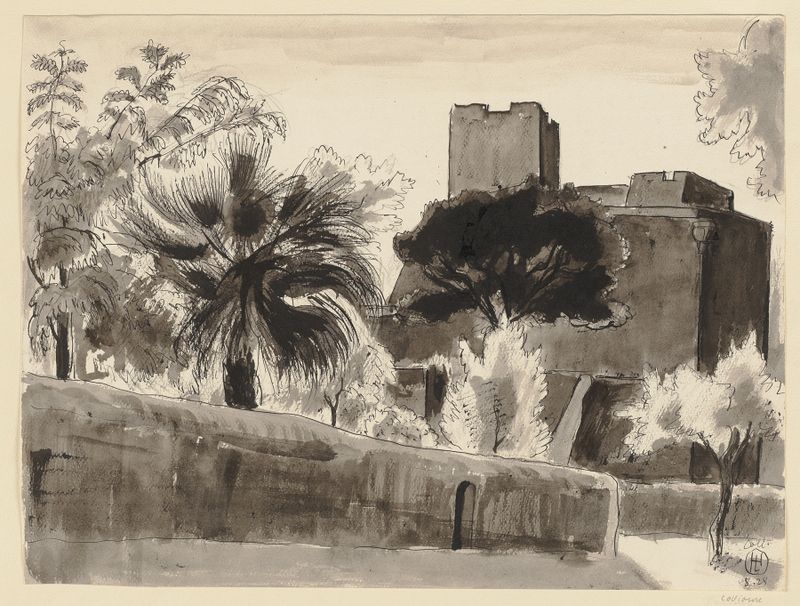
Collioure
Hermann Lismann
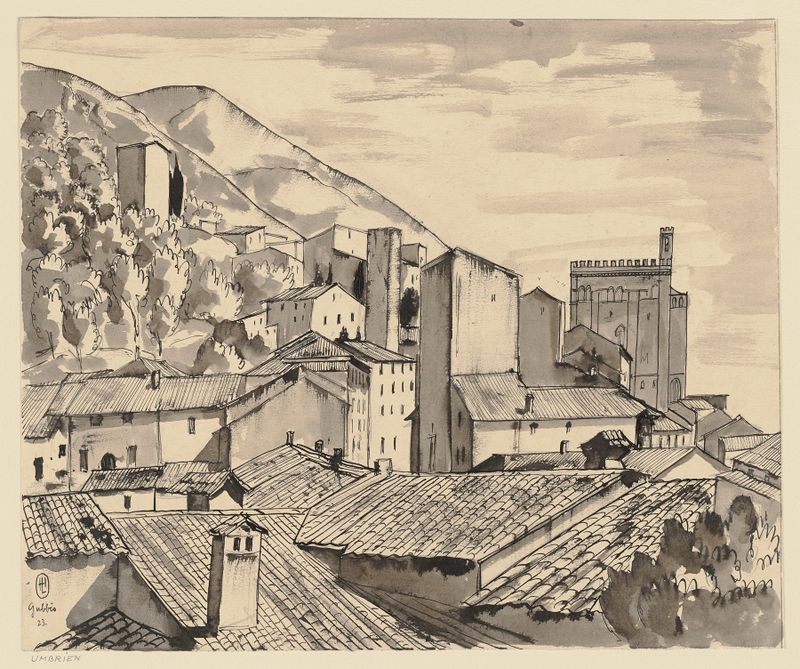
Gubbio
Hermann Lismann





