
San Gimignano — History & Facts
In the stillness of Hermann Lismann's work, madness lurks beneath the surface, whispering truths too potent to voice. The eerie tranquility of this painting beckons viewers to confront the unspoken chaos that often dwells within serene facades. Look to the far left, where the tall, slender towers of San Gimignano rise sharply against a muted sky. The meticulous brushstrokes create a textured surface, evoking a sense of both grandeur and isolation.
Notice how the ochre tones dominate, contrasting strikingly with the deep blues and grays that envelop the scene, communicating unease beneath the picturesque beauty. The composition feels both balanced and unsettling, guiding your gaze upward, as if urging you to question the stability of the very structures depicted. In the delicate interplay of light and shadow, one can sense a tension between the beauty of the architecture and the spectral quality of the landscape. The geometric precision of the towers speaks to mankind’s ambition, yet the vacant streets suggest an emptiness that breeds insanity—an echo of dreams unfulfilled.
It is in this juxtaposition that Lismann reveals the madness of ambition, captured in the stillness of a deserted town, where the weight of silence is palpable. Created in 1922, this piece reflects a pivotal moment in Lismann's career while he resided in Germany, amidst the tumult of post-World War I Europe. Art movements were grappling with the psychological aftermath of the war, and Lismann's contemplative approach reveals a quest for stability in the chaotic world around him. It is a time when artists sought to represent not just the external, but the fragile and tumultuous nature of the human psyche.
More Artworks by Hermann Lismann
Browse all →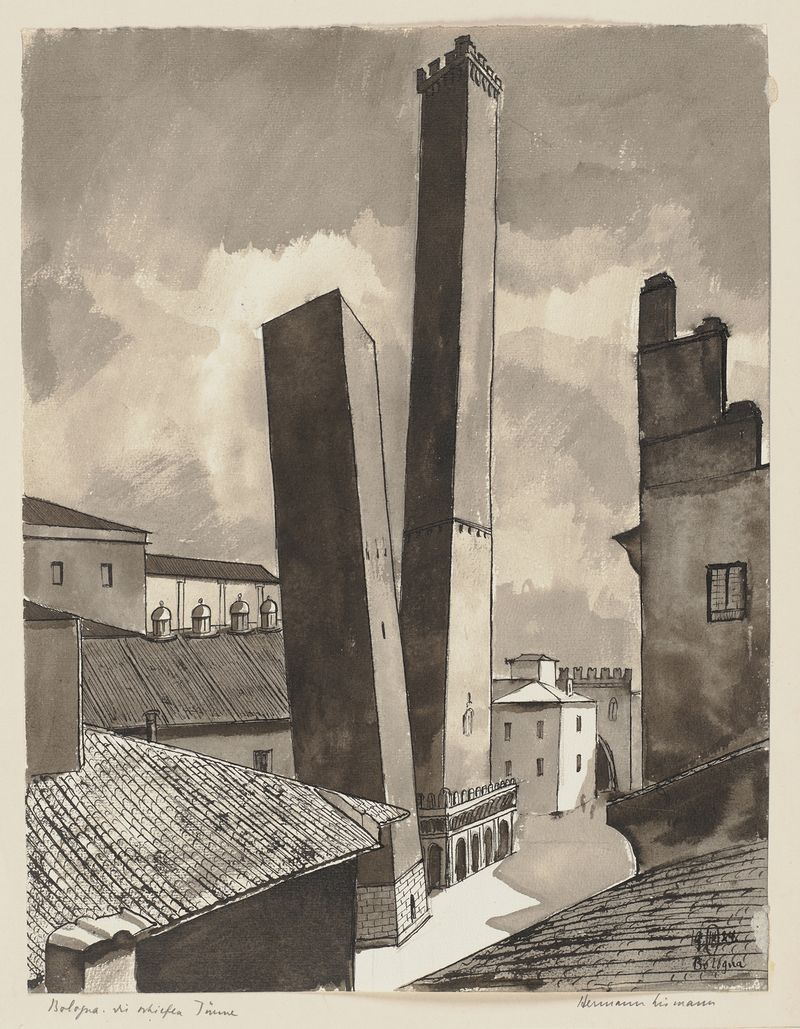
Die beiden Türme Garisenda und Asinelli in Bologna
Hermann Lismann
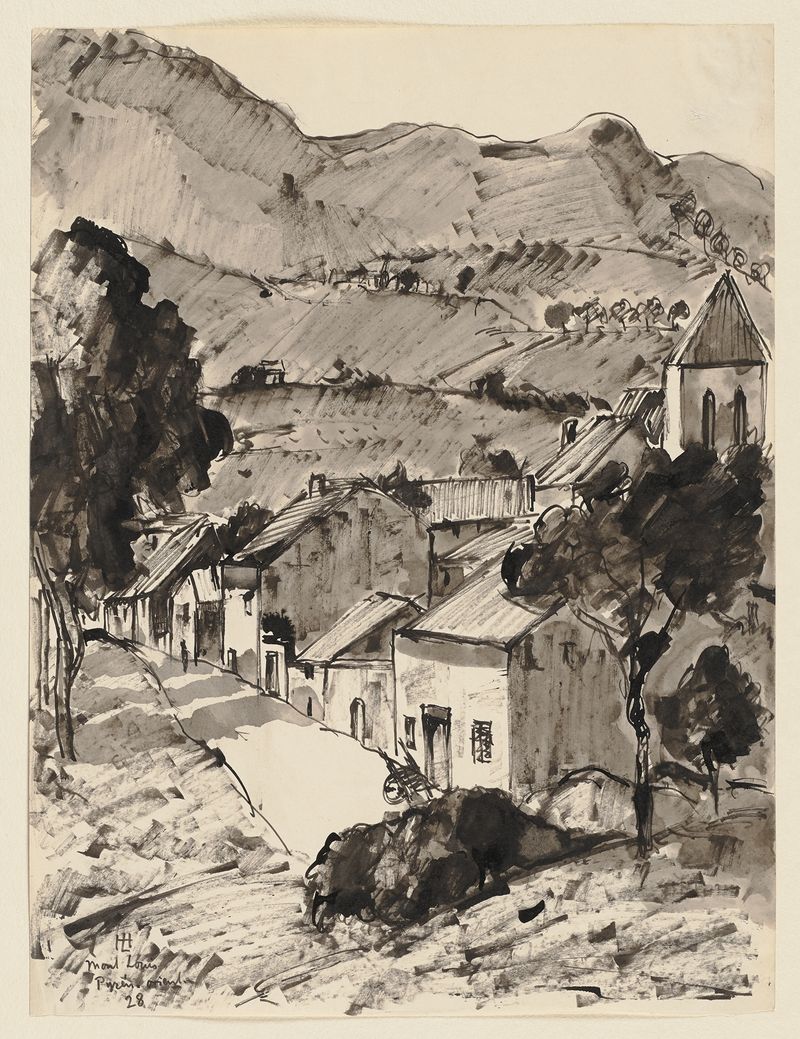
Mont-Louis
Hermann Lismann
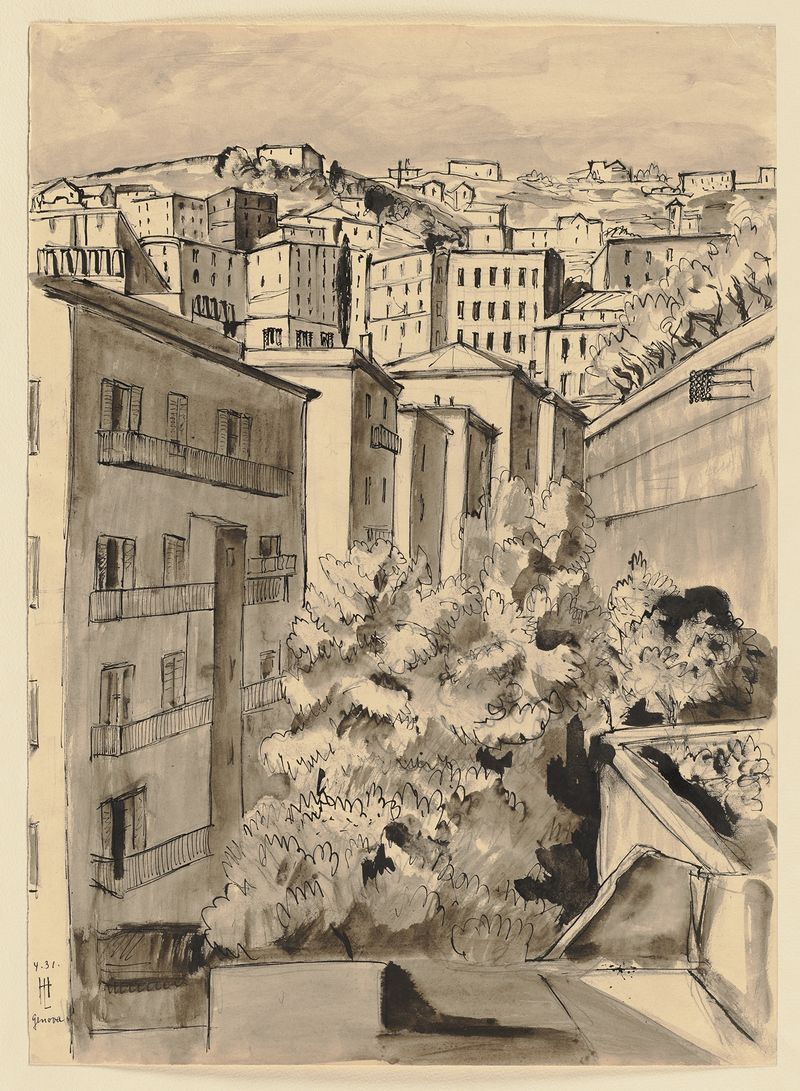
View of Genoa
Hermann Lismann
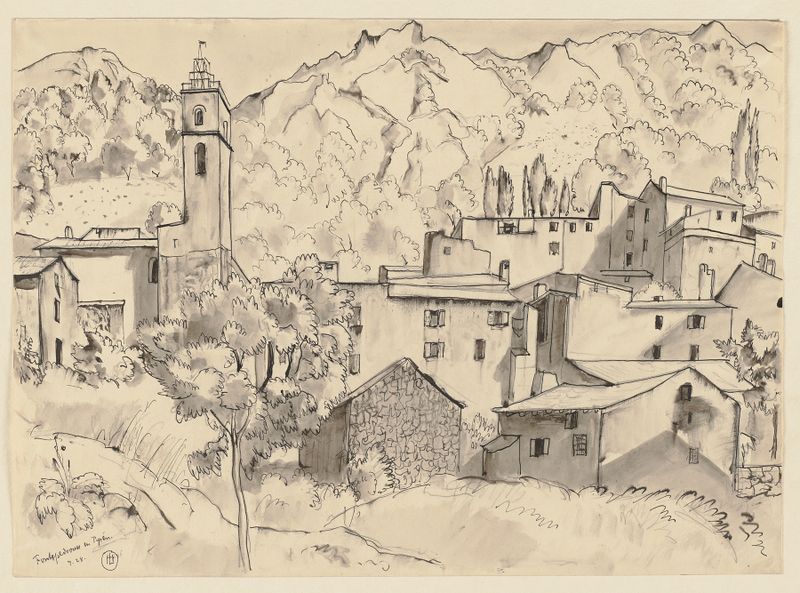
Fontpédrouse en Pyrénées
Hermann Lismann
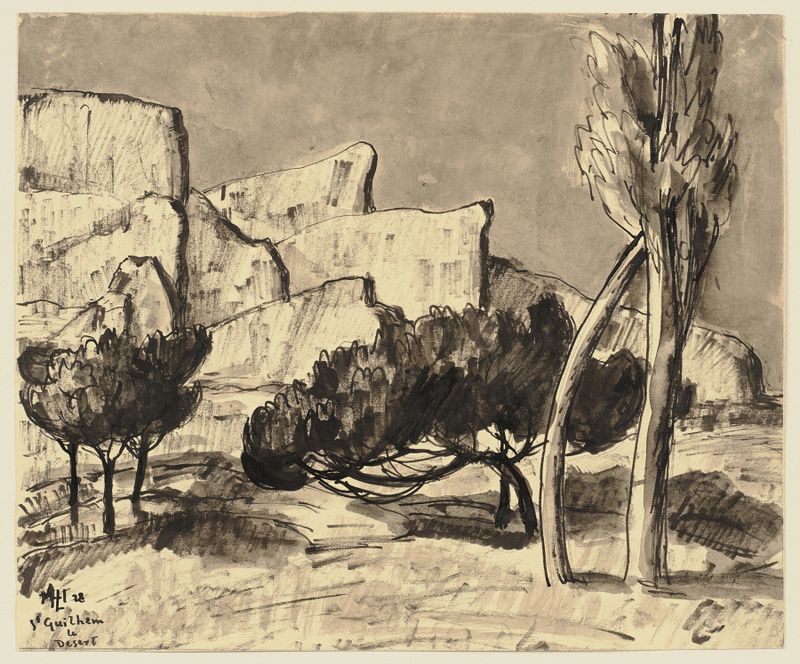
Saint-Guilhem-le-Désert
Hermann Lismann
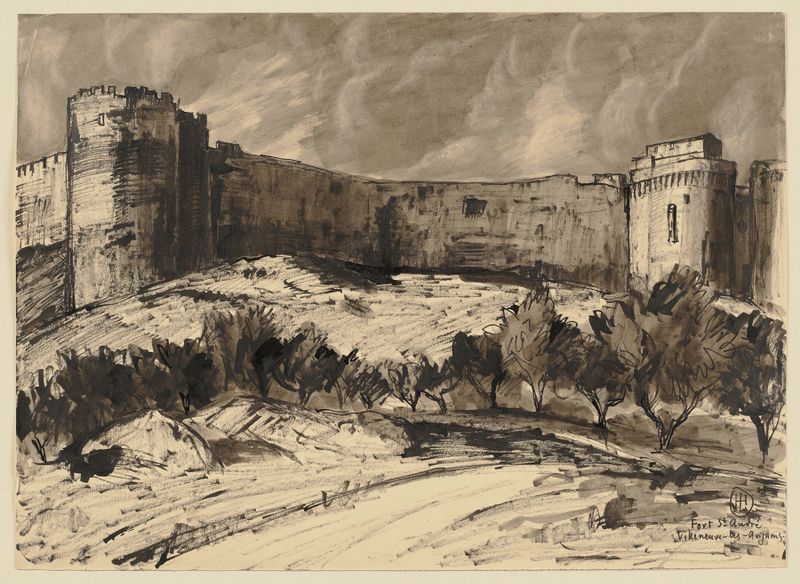
Fort Saint-André in Villeneuve-les-Avignon
Hermann Lismann
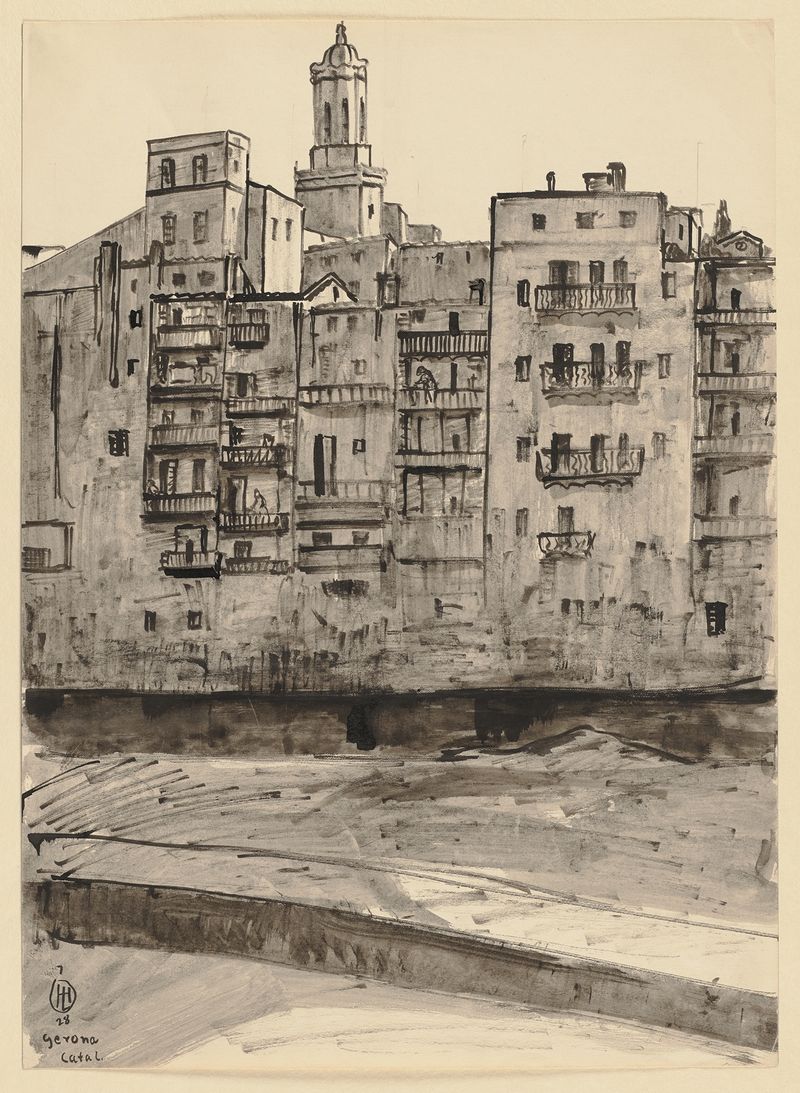
Girona vom Fluss aus gesehen, im Hintergrund der Turm der Kathedrale
Hermann Lismann
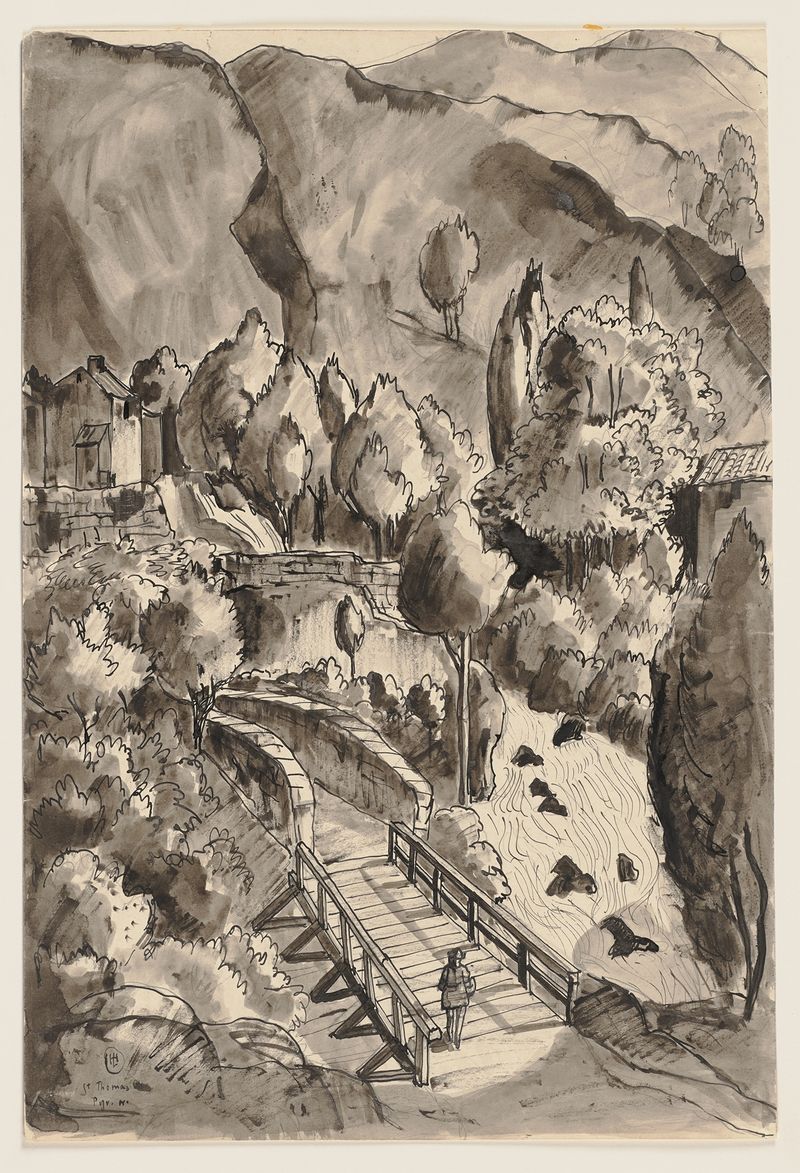
Saint Thomas, Pyrénées
Hermann Lismann
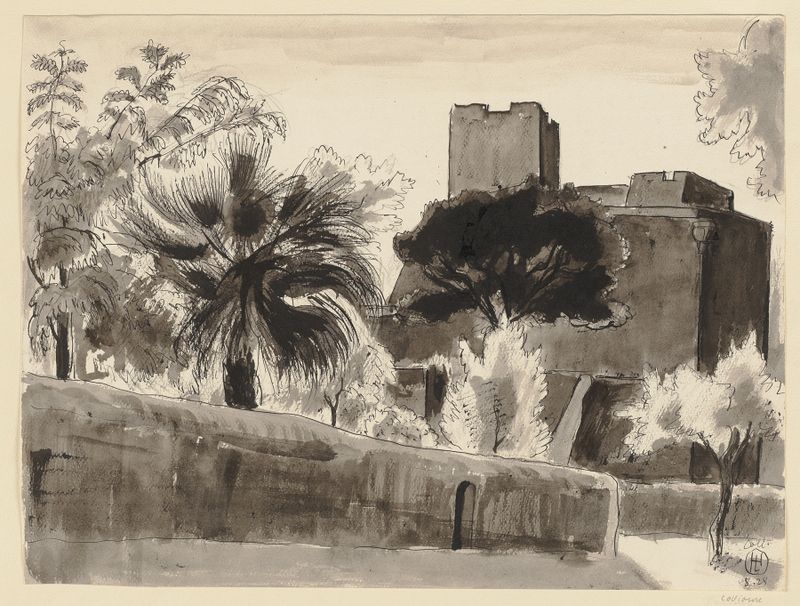
Collioure
Hermann Lismann
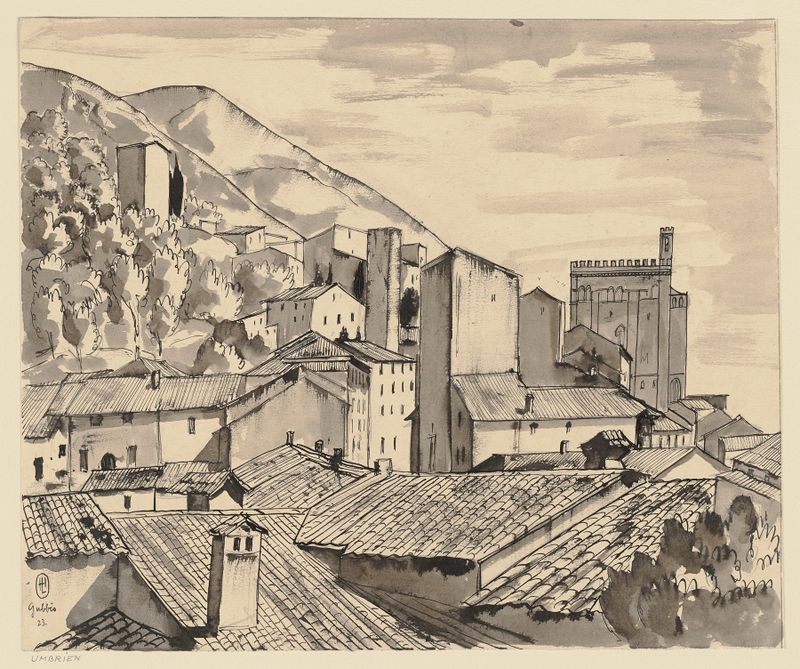
Gubbio
Hermann Lismann





