
Mont-Louis — History & Facts
In Mont-Louis, the complexity of betrayal unfolds beneath the gilded surface of a serene landscape, inviting a deeper contemplation of longing and loss. Look to the center of the canvas, where the village nestles against the majestic mountains. The delicate brushstrokes evoke a sense of tranquility, yet the vibrant hues of ochre and emerald are tinged with an underlying tension. Notice how the sunlight filters through the clouds, casting golden glimmers on the rooftops, as if illuminating hidden truths lurking just beneath the idyllic facade. Beneath the picturesque scenery lies a narrative of duality.
The seemingly peaceful village may represent a façade, masking the emotional turmoil of its inhabitants. The juxtaposition of light and shadow captures the essence of betrayal—an unsettling reminder that even the most beautiful moments can hold a darker reality. The mountains, towering and indifferent, serve as a metaphor for the weight of unspoken secrets that threaten to overshadow the serene landscape. In 1928, Hermann Lismann painted Mont-Louis during a period marked by personal introspection and societal changes in Europe.
This era was characterized by post-war disillusionment, and Lismann's work reflects the ambivalence of beauty against a backdrop of unease. As he sought to create harmony in his art, he was also grappling with complex emotional narratives, making this piece both a personal expression and a commentary on the world around him.
More Artworks by Hermann Lismann
Browse all →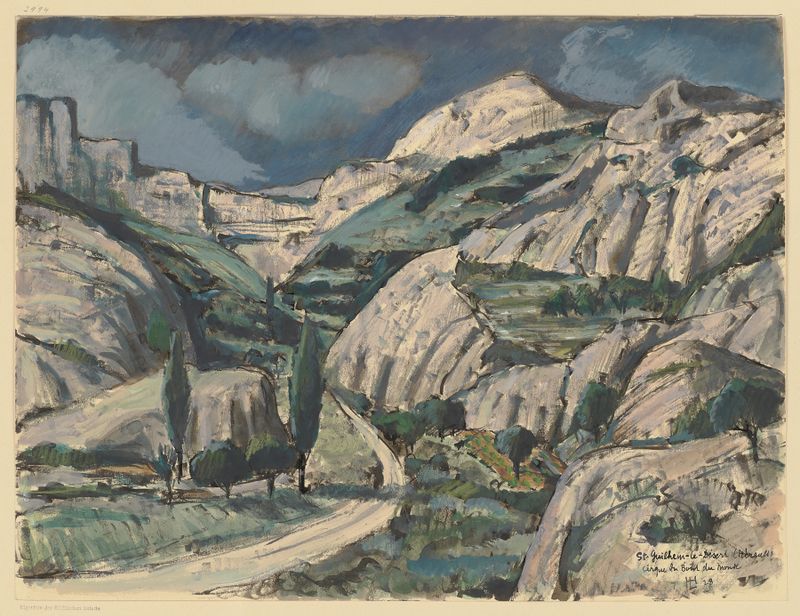
St.-Guilhem-le-Désert (Hérault), cirque du Bout du Monde
Hermann Lismann
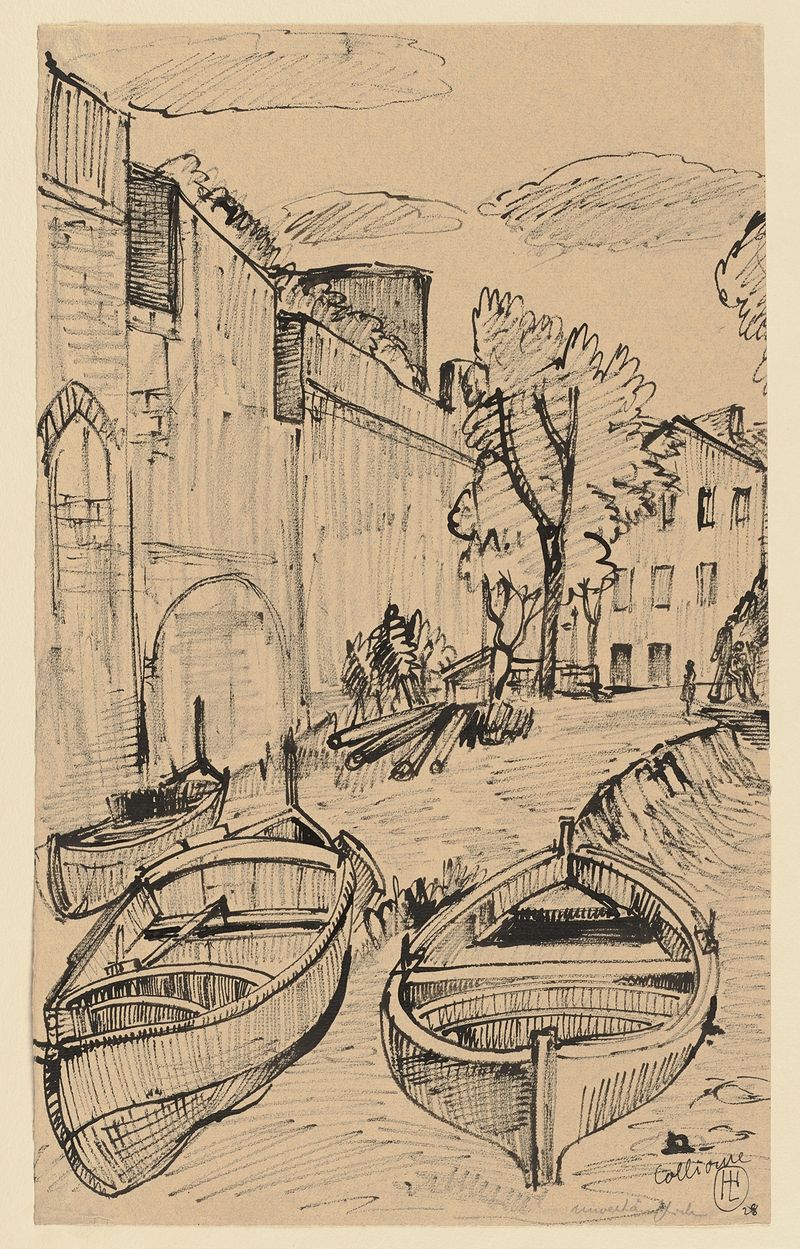
Zwei Boote im Hafen von Collioure
Hermann Lismann
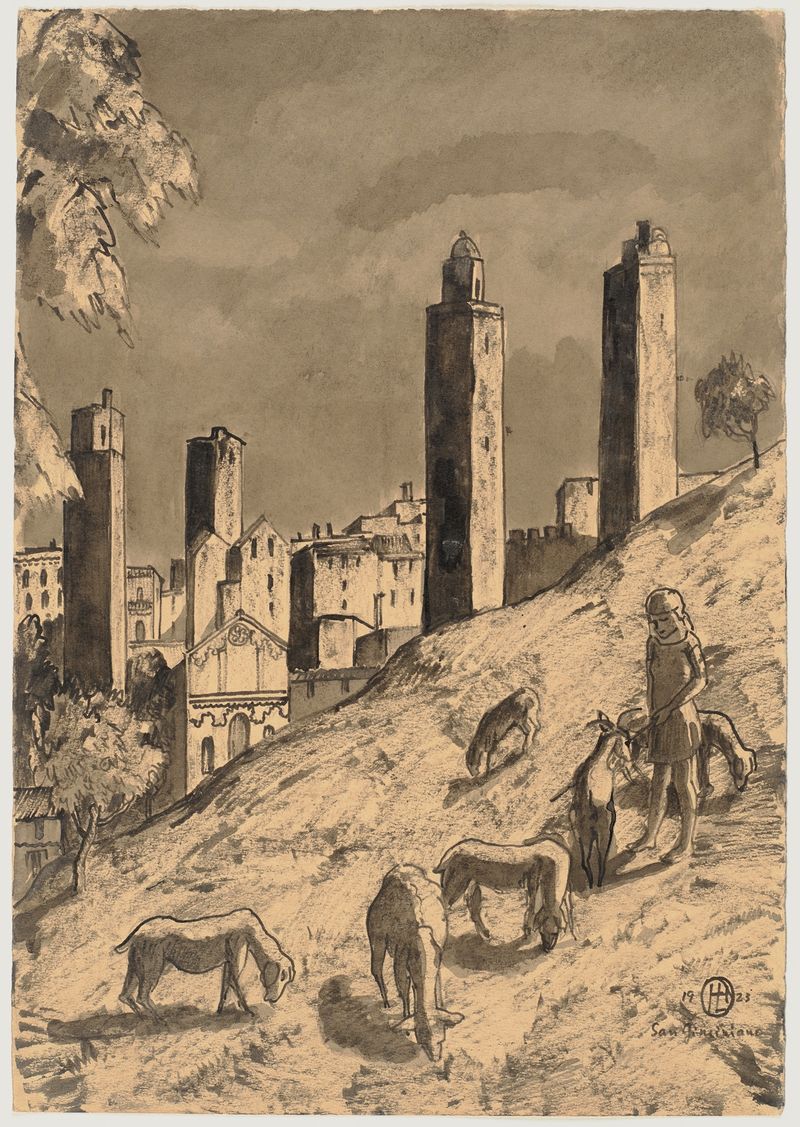
San Gimignano
Hermann Lismann
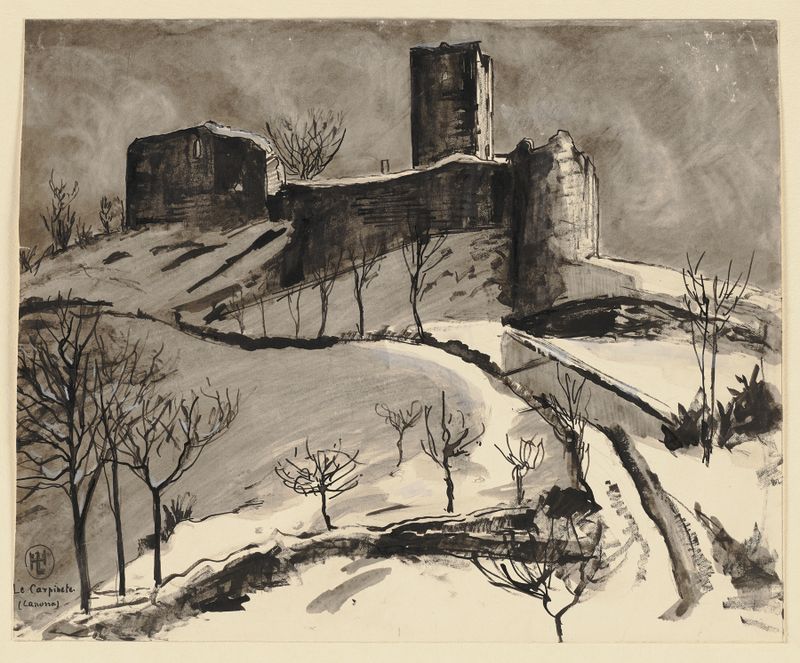
Carpineti castle near Canossa
Hermann Lismann
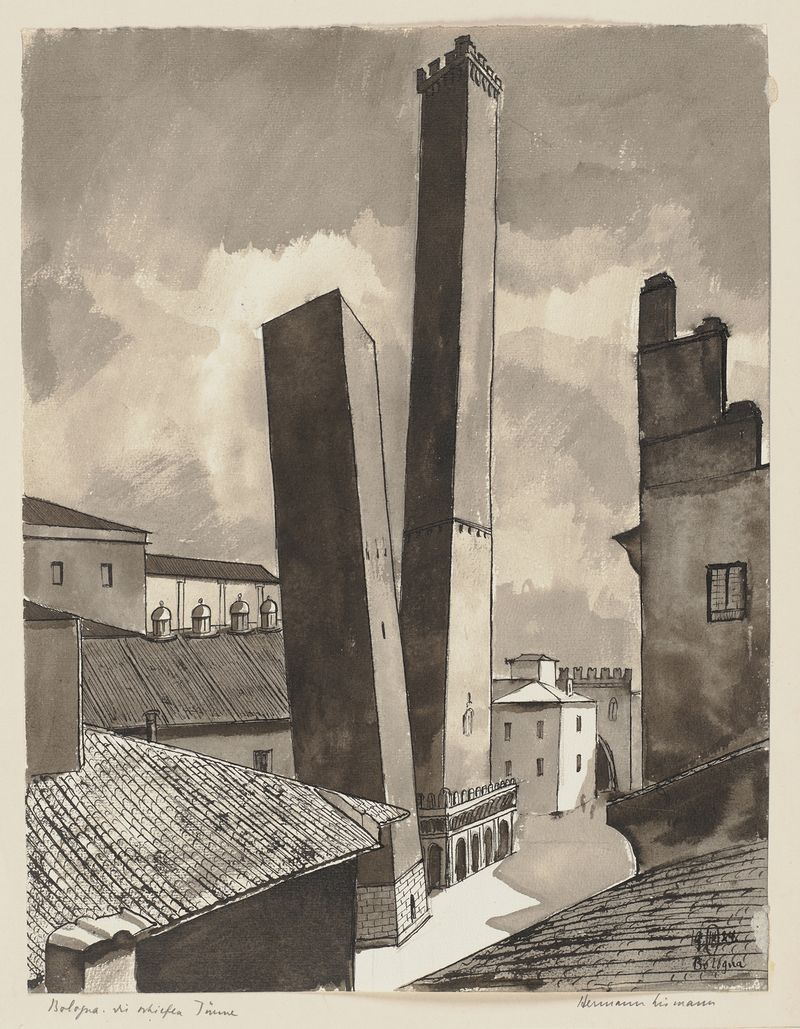
Die beiden Türme Garisenda und Asinelli in Bologna
Hermann Lismann
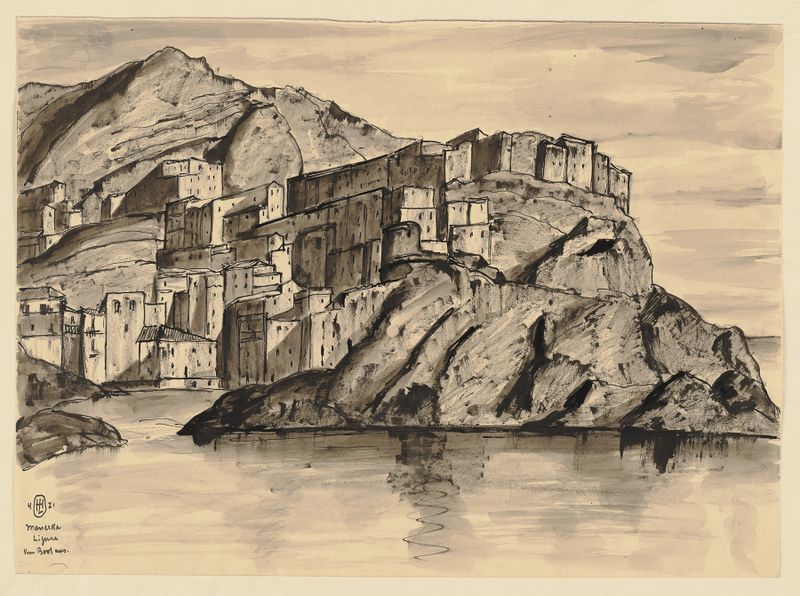
Manarola Liguria vom Boot aus
Hermann Lismann
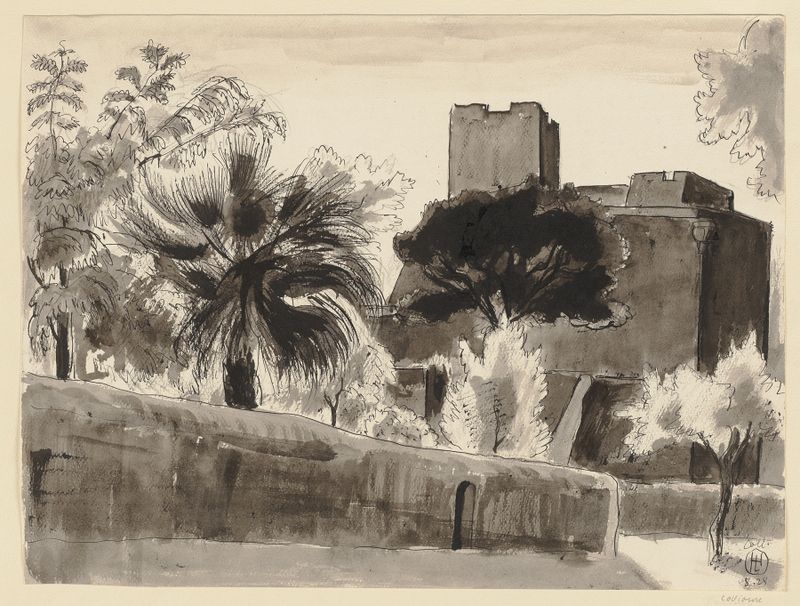
Collioure
Hermann Lismann
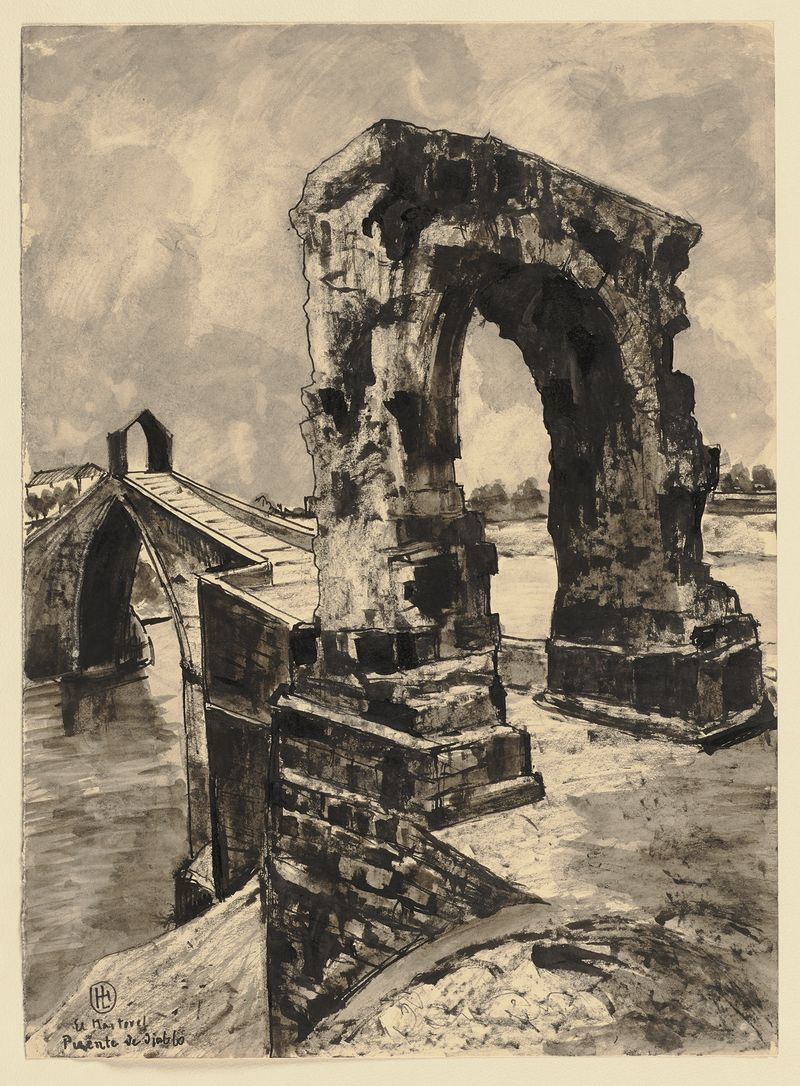
Der Pont del Diable in Martorell
Hermann Lismann
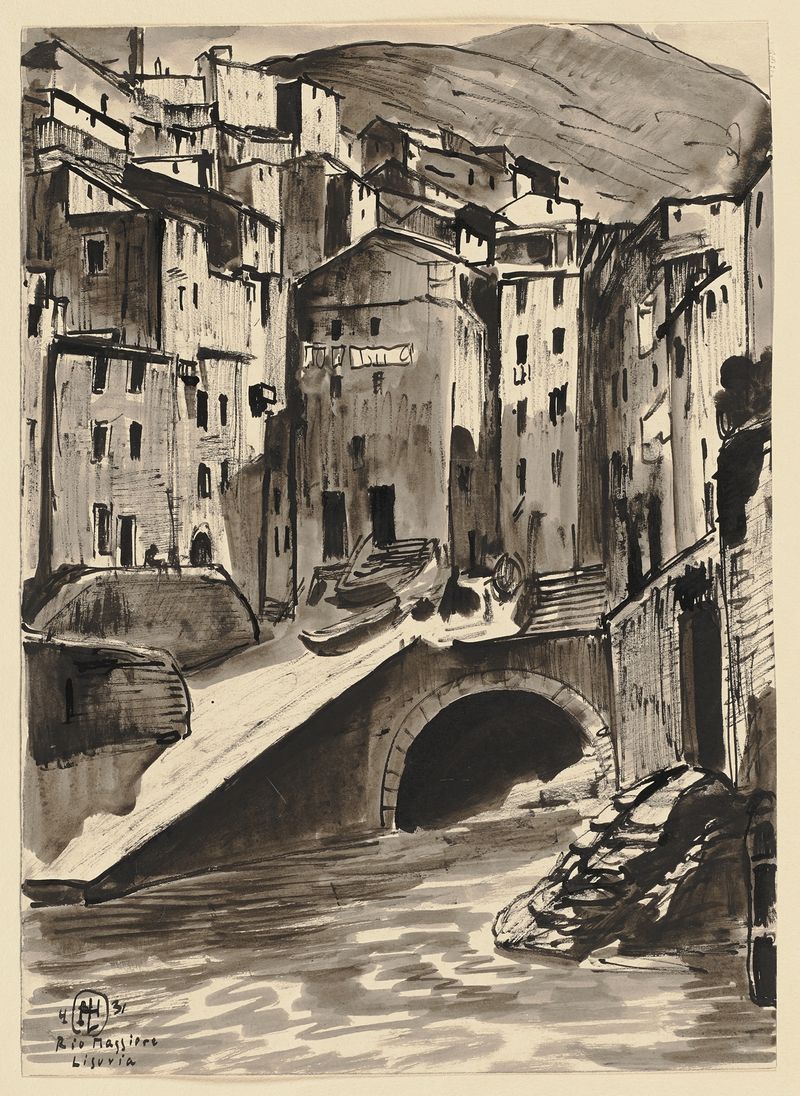
Riomaggiore
Hermann Lismann
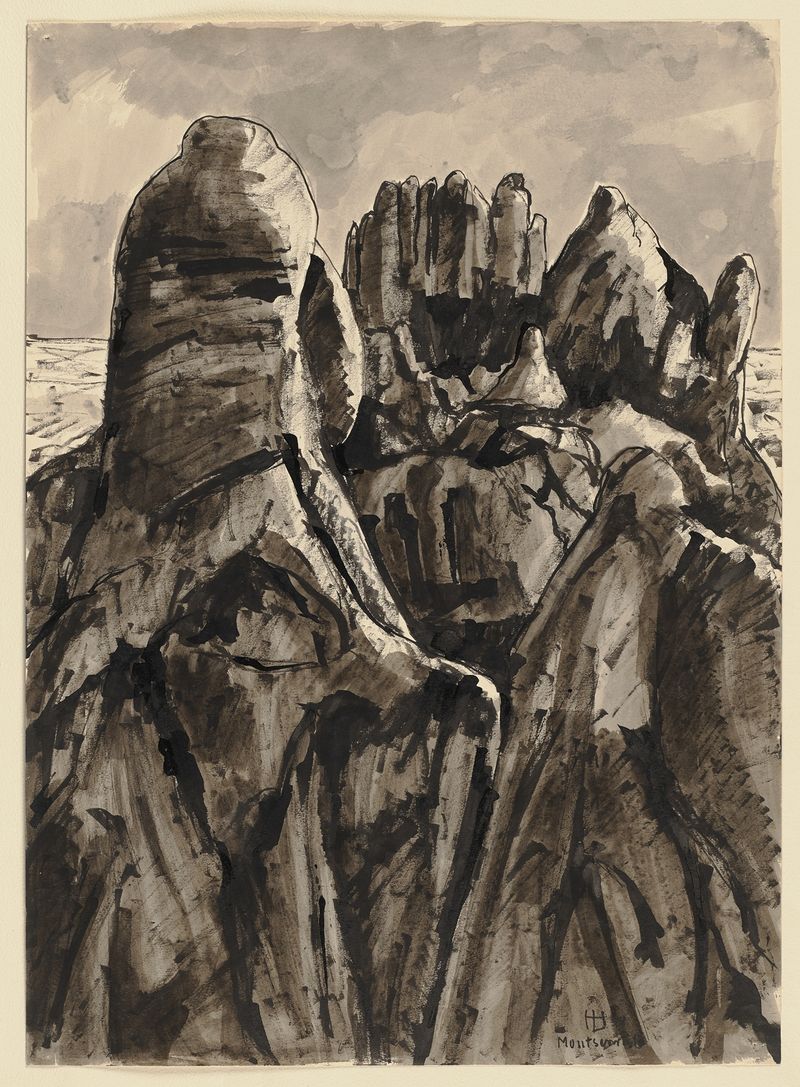
Montserrat
Hermann Lismann





