Discover insights about this artwork
Footpath in the Woods — History & Facts
In Footpath in the Woods, Paul Cézanne captures a tranquil scene of a winding path through a dense forest. The colors are rich and varied, with deep greens and browns dominating the landscape. Light filters through the trees, creating dappled shadows on the ground.
The painting evokes a sense of calm and connection to nature. Cézanne employs a technique of brushstrokes that are both loose and deliberate, characteristic of his Post-Impressionist style. The composition is balanced, with the path leading the viewer's eye into the depths of the forest. The use of color and form reflects Cézanne's interest in structure and perspective.
This work exemplifies his departure from traditional representation towards a more personal expression. Paul Cézanne is often regarded as a bridge between Impressionism and modern art. Created in the 1890s, Footpath in the Woods reflects his fascination with nature and the way light interacts with the environment. An interesting fact about this painting is that it showcases Cézanne's evolving style, where he began to simplify forms and emphasize geometric shapes.
This work is part of the collection at the Musee d'Orsay in Paris.
More Artworks by Paul Cézanne
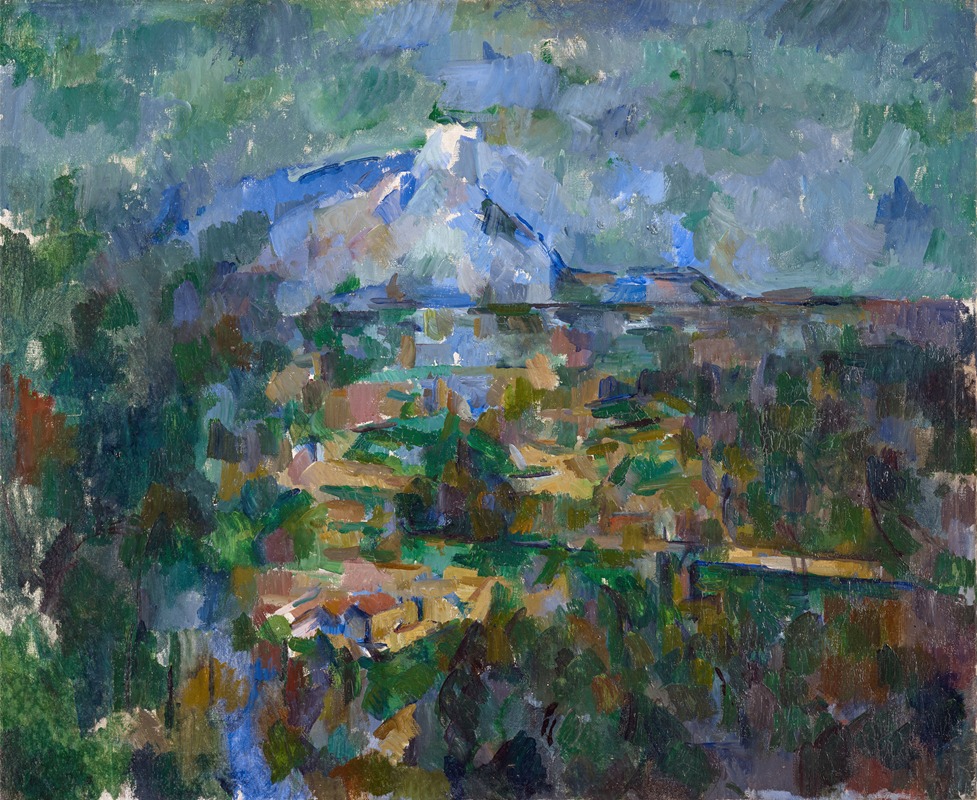
The Mont Sainte-Victoire Seen From Les Lauves
Paul Cézanne
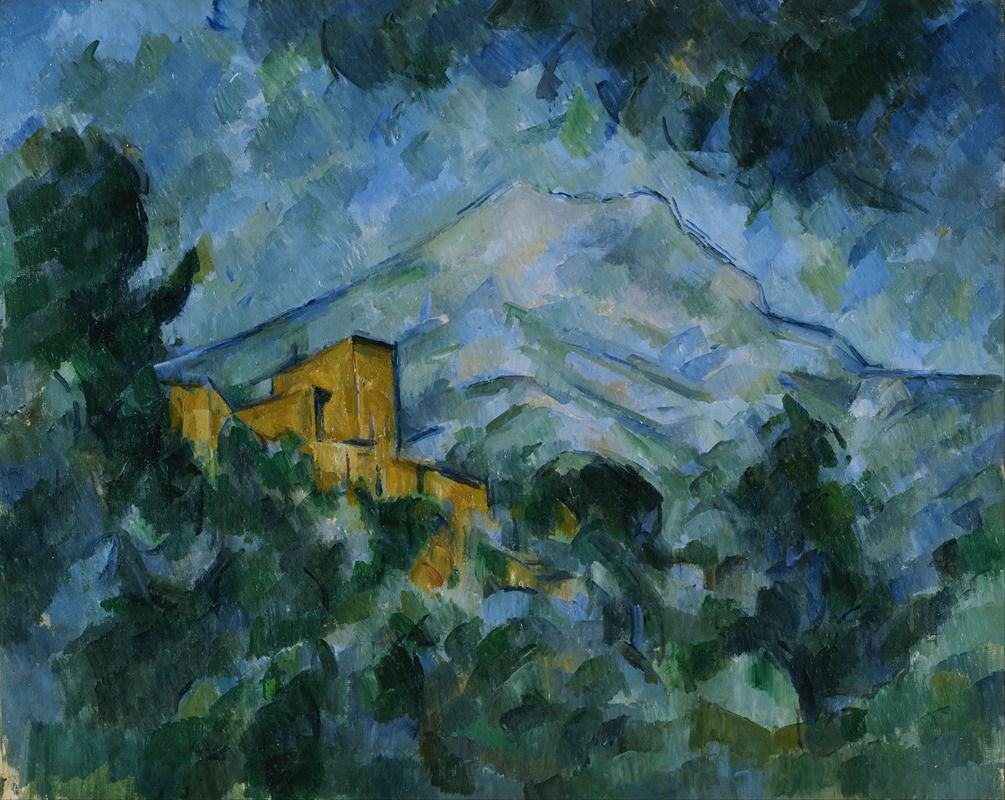
Mont Sainte-Victoire and Château Noir
Paul Cézanne
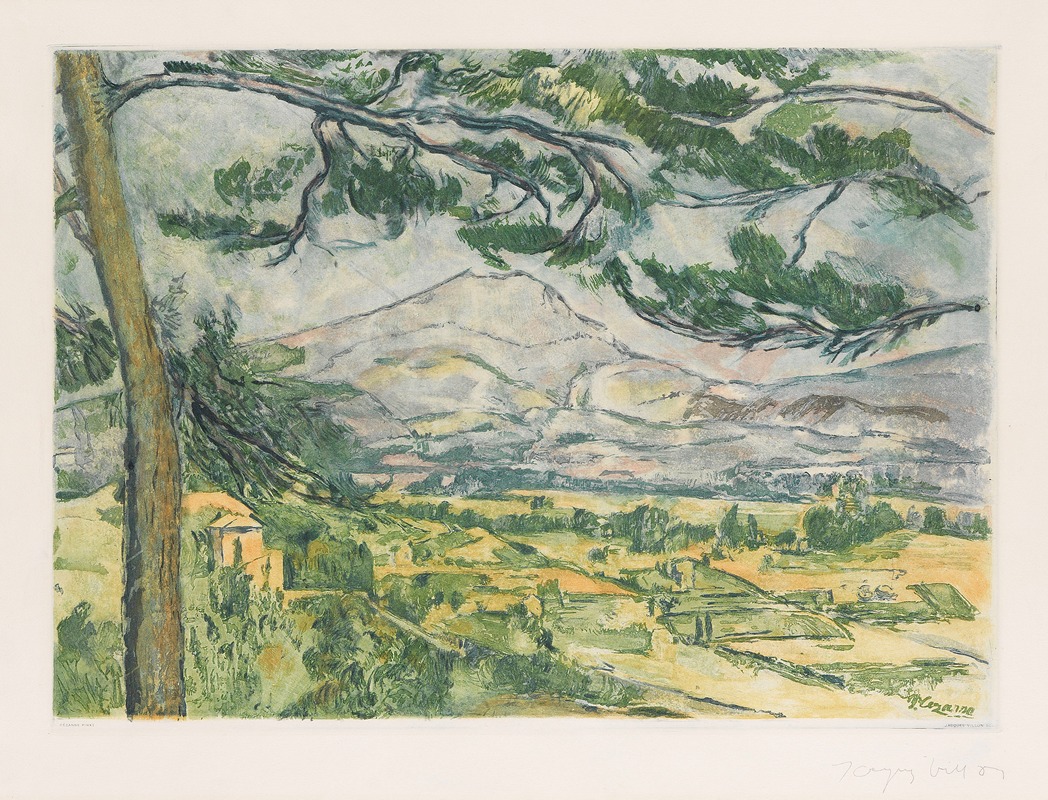
La Montagne Sainte-Victoire
Paul Cézanne
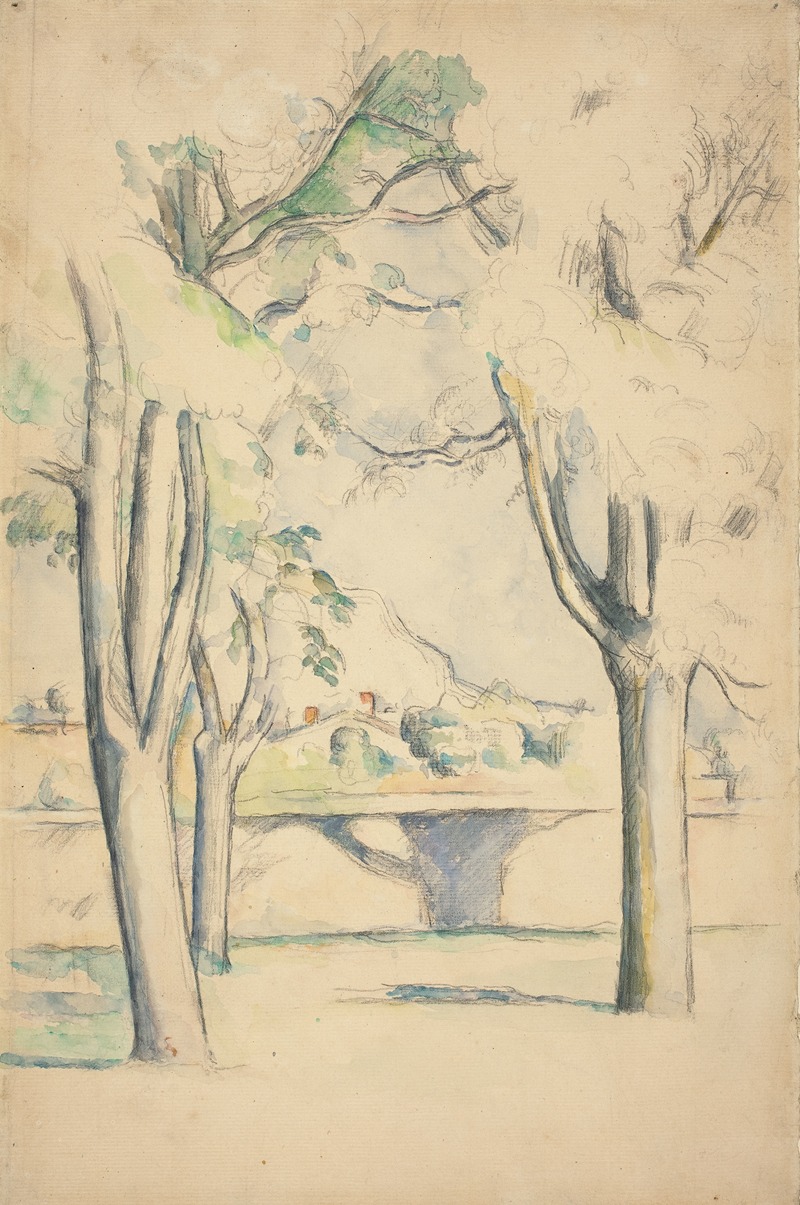
Mont Sainte-Victoire Seen beyond the Wall of the Jas de Bouffan
Paul Cézanne
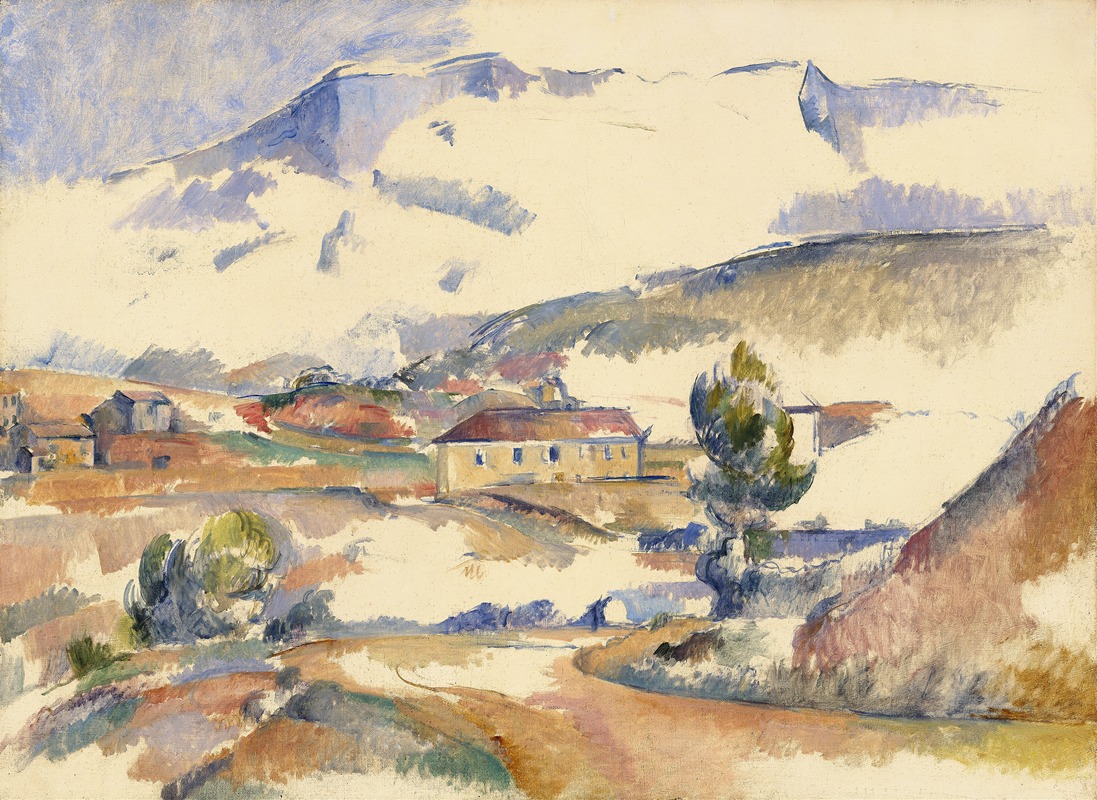
Montagne Sainte-Victoire,from near Gardanne
Paul Cézanne
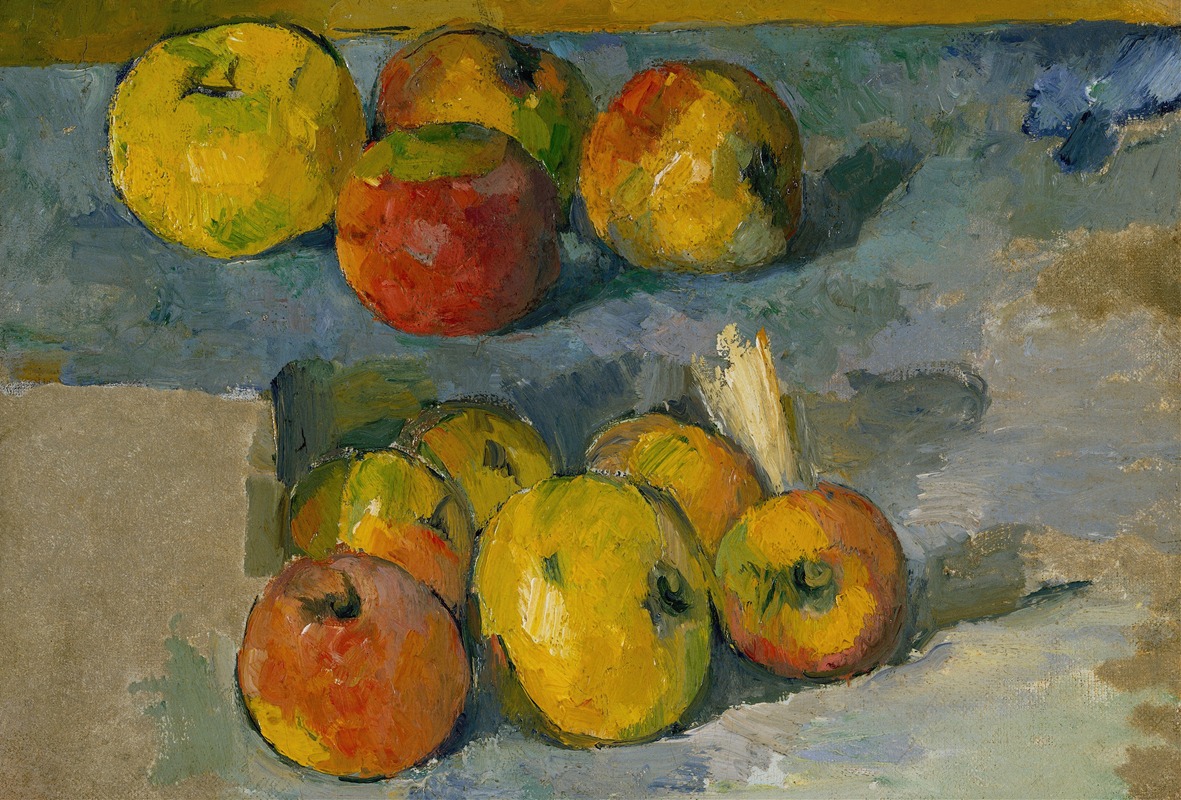
Apples
Paul Cézanne
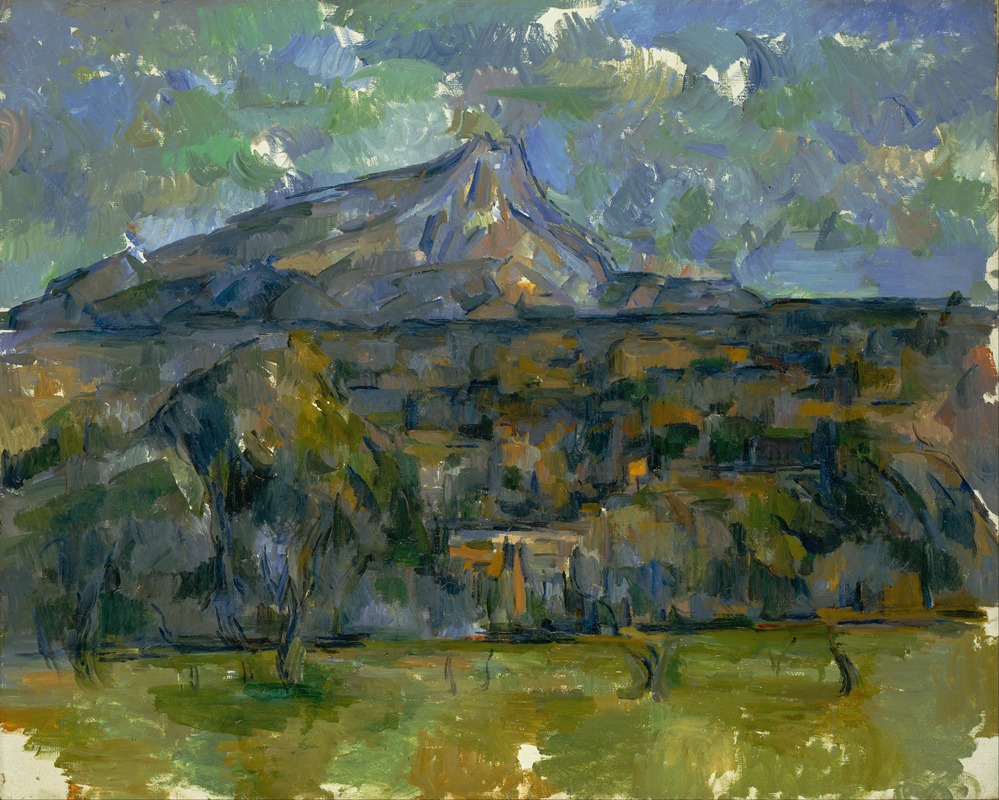
Mont Sainte-Victoire
Paul Cézanne
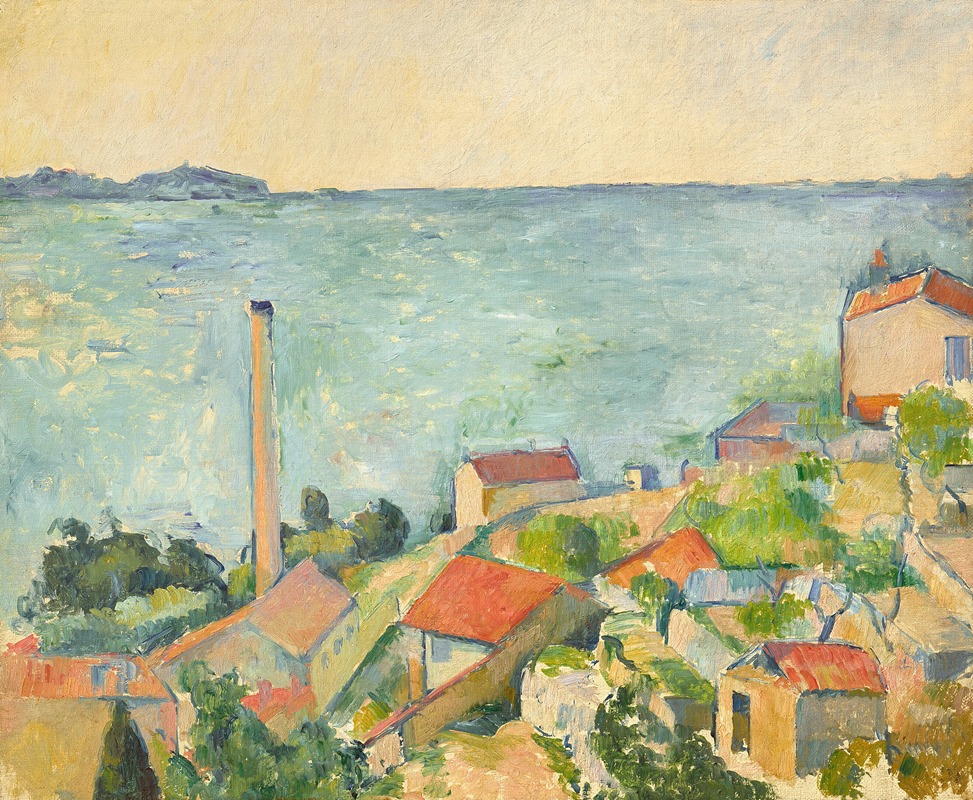
La mer à l’Estaque
Paul Cézanne
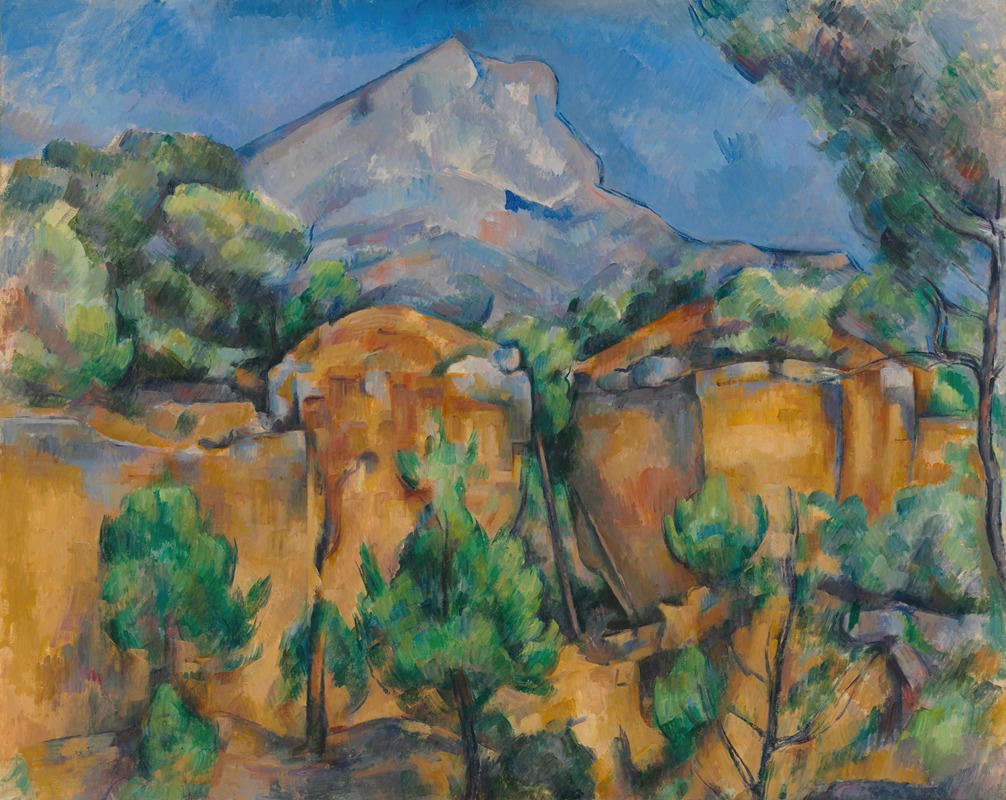
La Montagne Sainte-Victoire vue de la carrière Bibémus
Paul Cézanne
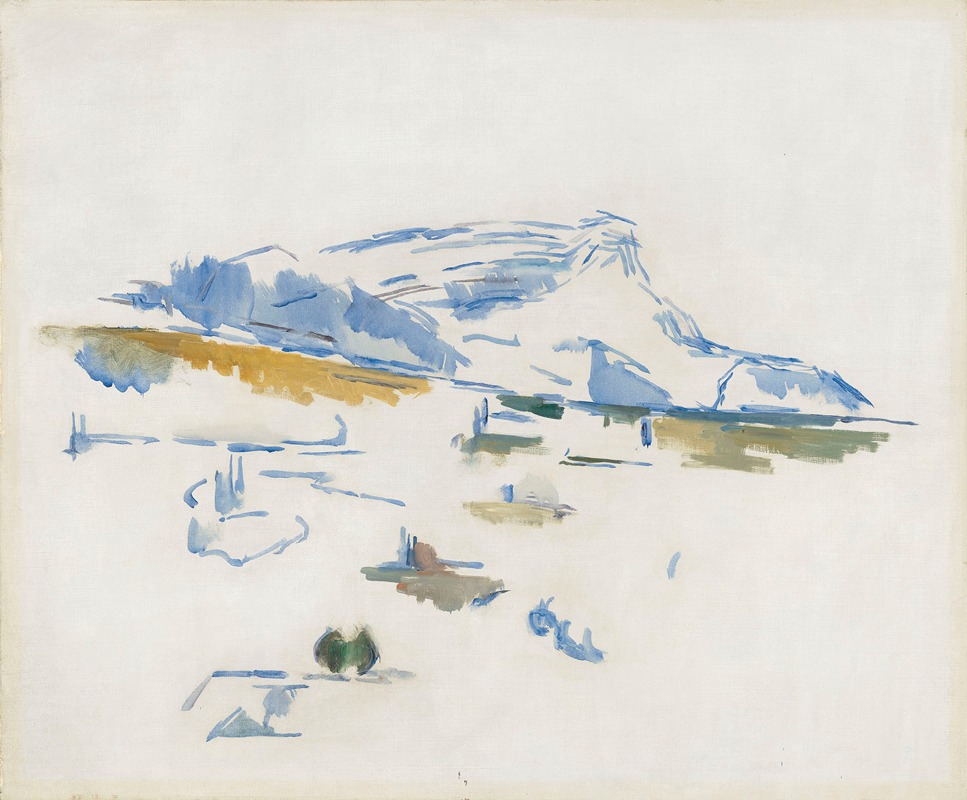
La Montagne Sainte-Victoire vue des Lauves
Paul Cézanne