
Forest Scene — History & Facts
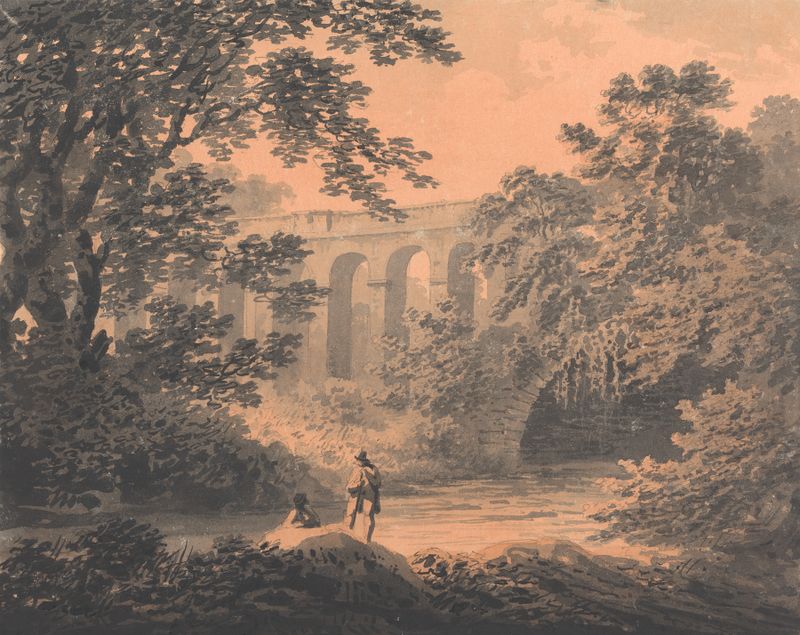
Can paint confess what words never could? The whispers of nostalgia linger in the dappled sunlight filtering through the thick canopies, beckoning memories of long-forgotten walks in nature’s embrace. Look to the left at the towering trees, their trunks etched with rich browns that speak of age and resilience. The light trickles down, illuminating patches of lush green ferns at the base, creating a harmonious interplay between shadow and light. Notice how the gentle strokes of the brush capture the delicate movement of leaves swaying in the breeze, inviting the viewer to step into this tranquil woodland setting. Delve deeper into the mood of this artwork, where the contrast between the vibrant greens and muted earth tones evokes both serenity and an undercurrent of melancholy.
Each tree stands as a sentinel of time, witnessing both joy and sorrow—remnants of lives intertwined with nature. The absence of human figures amplifies this emotion, suggesting the solitude found within the forest, yet echoing the presence of those who once wandered there. In 1771, the artist created this piece during a period of burgeoning interest in the picturesque. Living in England, Gilpin was influenced by the Romantic movement’s celebration of nature, which rekindled a connection to the landscapes that surrounded him.
This work reflects his philosophical musings on the beauty of the natural world, encapsulating both the innocence of youth and the ache of longing for what has been lost.
More Artworks by William Gilpin
Browse all →
Bridgnorth Bridge, Shropshire
William Gilpin
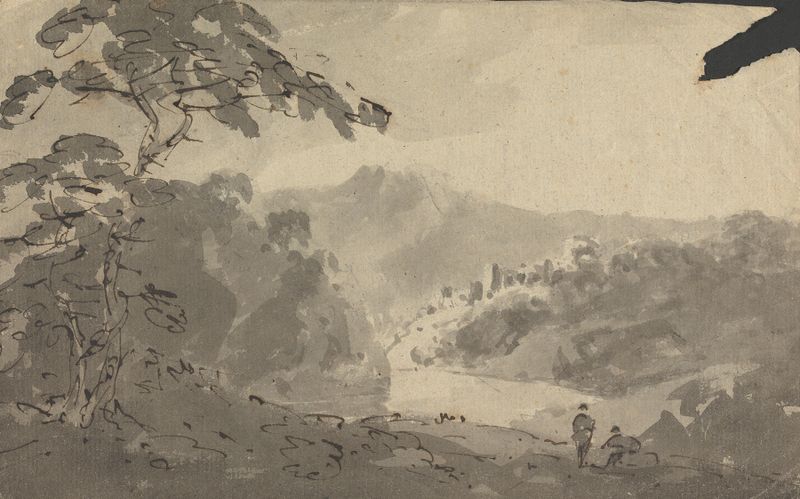
Two Men Looking Into Landscape with Castle, River and Mountain Scene
William Gilpin
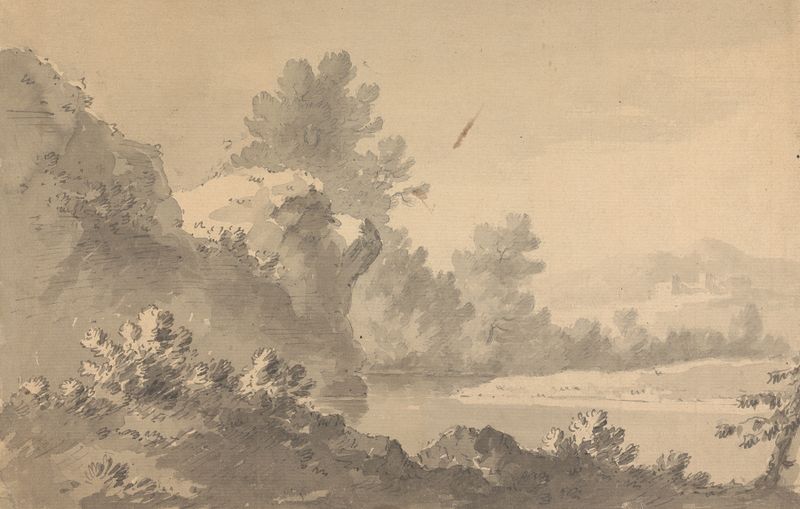
River Landscape with Castle in the Distance
William Gilpin
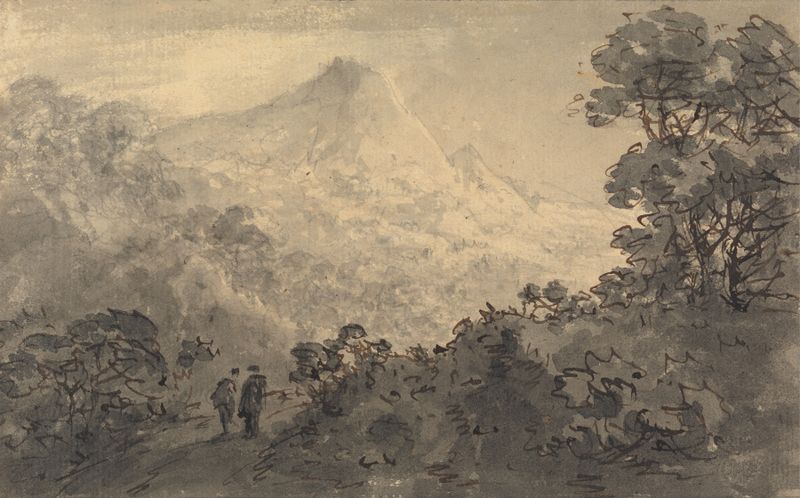
Snowdon
William Gilpin

Hilly Landscape
William Gilpin
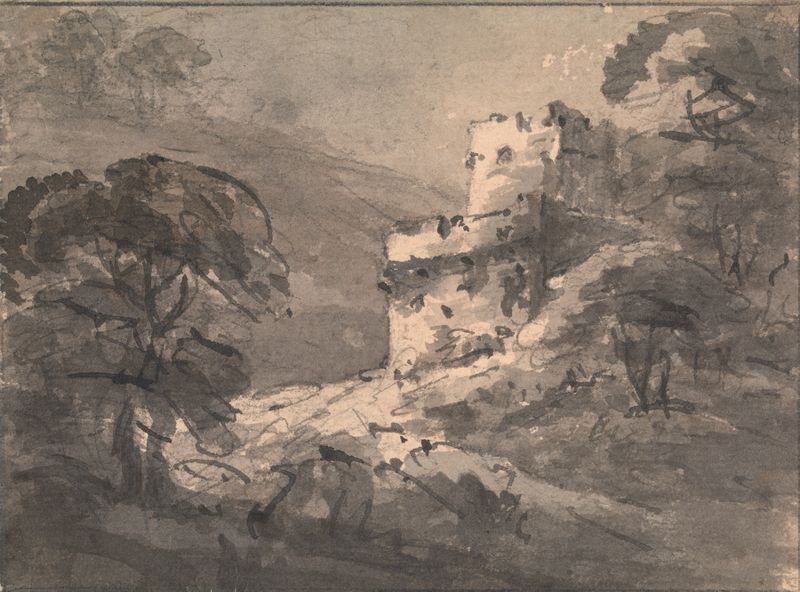
Landscape with a Ruined Castle on the Right
William Gilpin

Mountainous Landscape with Trees – High Crags to the Right
William Gilpin

View of Castle Ruin
William Gilpin
Bridge on the Malton Road from York
William Gilpin

Landscape with Two Trees and Castle
William Gilpin





