Forår i haven — History & Facts
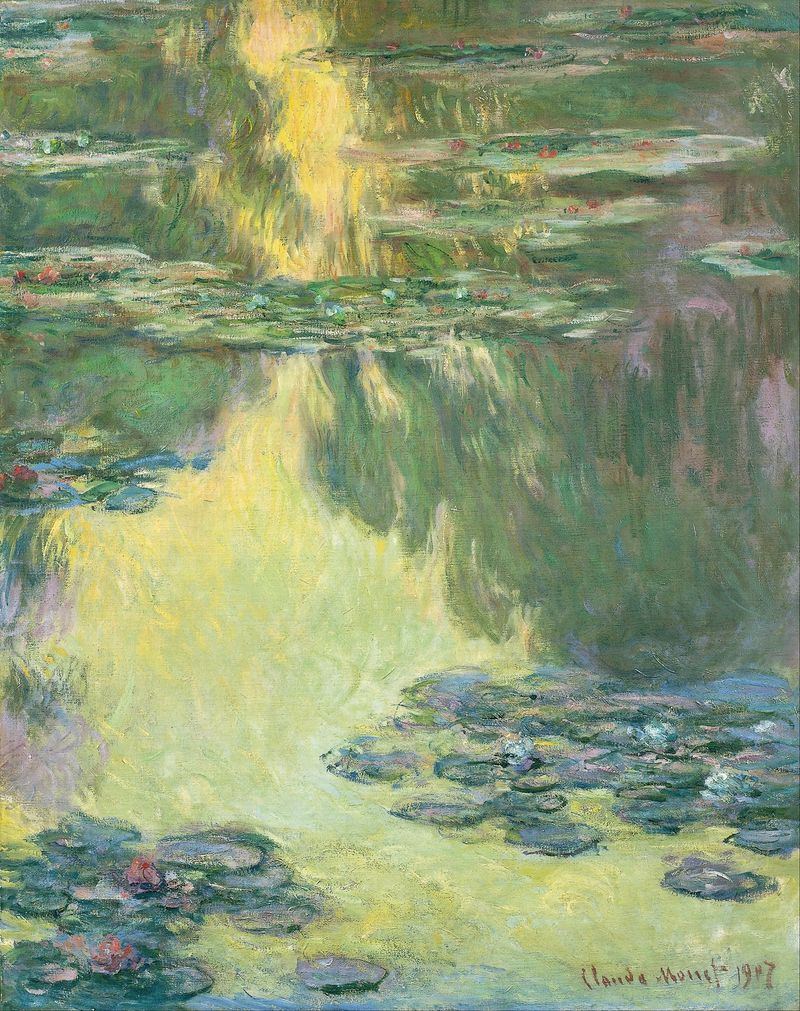
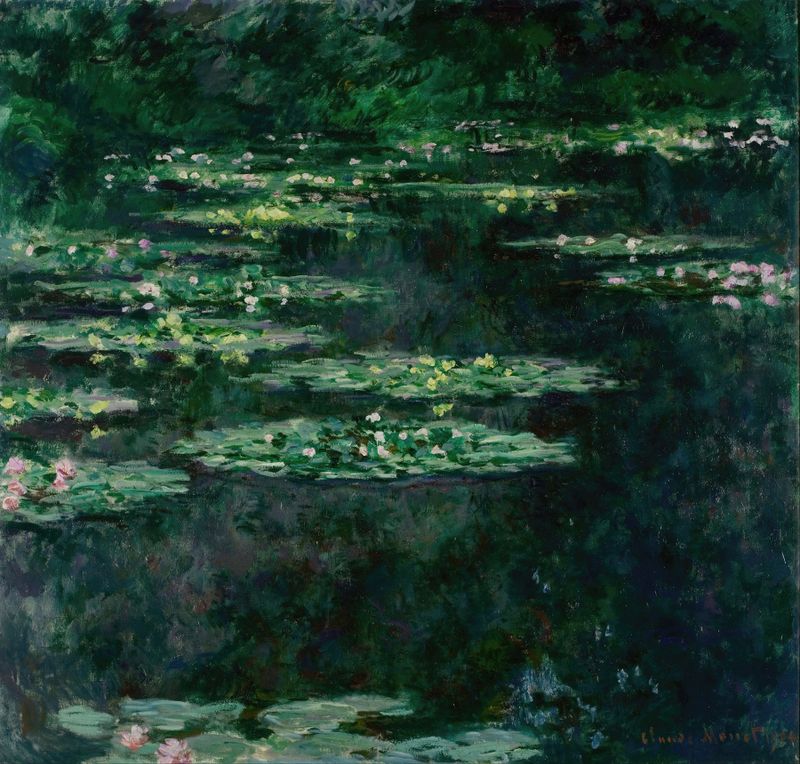
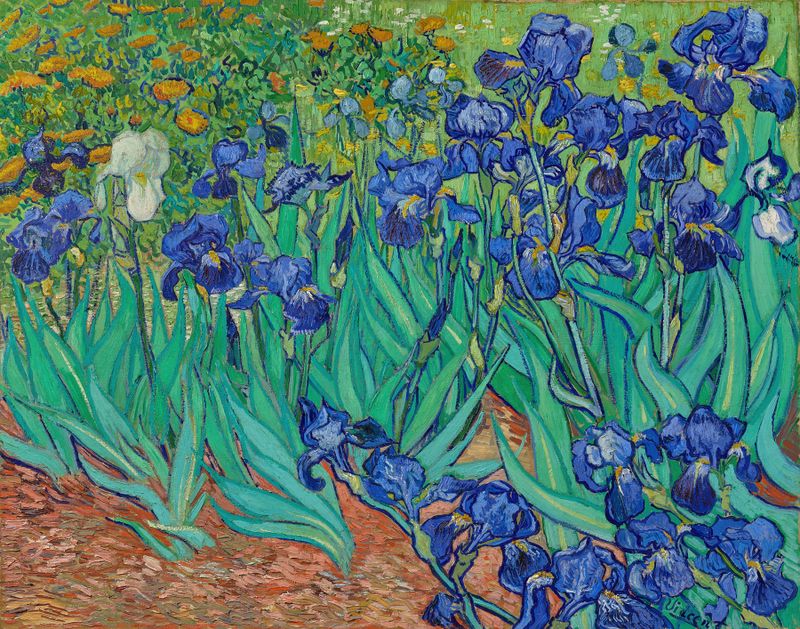
In the delicate chaos of life, the remnants of violence linger beneath the surface, waiting to be unearthed. Look closely at the vibrant blossoms that seem to dance under the caress of a gentle spring breeze. The palette is a symphony of soft pastels, yet their cheerful hues subtly mask an underlying tension. Notice how the artist employs bold, swirling strokes around the edges, creating a sense of movement that contradicts the serene scene.
It invites the viewer to delve deeper, to question the tranquility that the garden initially suggests. As the colors blossom, shadows emerge—dark undertones that suggest a struggle hidden within beauty. The juxtaposition of light and darkness evokes a sense of fragility, hinting at the violent storms that once swept through the landscape, now replaced by the calm of spring. Each flower, though radiant, carries a whisper of the past, echoing the turbulent emotions entwined in the vibrancy of life.
It's a reminder that beauty can exist in the aftermath of chaos, a fragile peace resting on the edge of memory. Created in the early 1930s, this work reflects Karl Schou's exploration of post-war sentiments in Denmark, where he grappled with themes of renewal amidst the residual scars of conflict. The artist sought to reconcile the beauty of nature with the darker aspects of human experience, a reflection of both his personal struggles and the broader societal shifts of the time.