
Forêt de Fontainebleau – Au plateau brûlé — History & Facts
Could beauty survive in a century of chaos? This question lingers as one gazes upon the serene landscape painted by a master of memory. Look to the left at the gentle undulations of the hills, where the soft greens of foliage intermingle with the earthy browns of the underbrush. Notice how the light filters through the trees, casting dappled shadows that dance across the canvas. The composition invites the eye to travel upwards, towards the delicate wisps of clouds that cradle the horizon, where the sky meets the embrace of land.
Corot’s brushwork, with its fluid strokes, evokes the gentle caress of a breeze, lending an ethereal quality to the scene. Within the tranquil beauty lies an undercurrent of tension. The starkness of the burned plateau reminds us of nature's fragility, a silent testament to destruction amidst beauty. The interplay of vibrant colors against the charred remnants suggests renewal and decay, embodying the duality of existence.
This landscape is more than mere scenery; it embodies a struggle between memory and reality, a place where the past is both haunting and hopeful. Created during an era when the Impressionist movement was beginning to gain momentum, the artist painted this piece at a time when his personal explorations of nature deepened. Although the exact date remains unknown, it reflects a moment in the late 19th century when Corot was revisiting the landscapes of his youth. His works from this period signaled a palpable shift in the art world—one that sought to capture not only the physical world but also the emotional resonance of memory within it.
More Artworks by Jean-Baptiste-Camille Corot
Browse all →
View of Genoa
Jean-Baptiste-Camille Corot
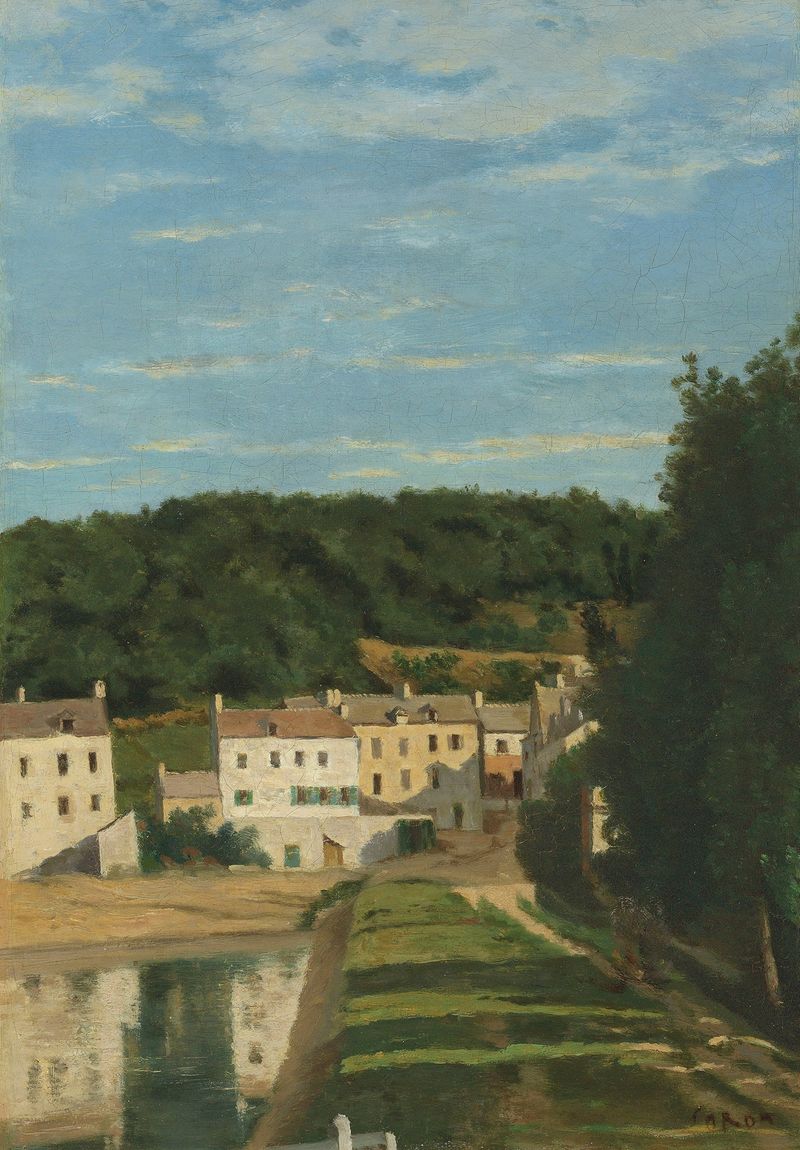
Les Maisons Cabassud À Ville D’avray
Jean-Baptiste-Camille Corot

La solitude. Souvenir de Vigen (Limousin)
Jean-Baptiste-Camille Corot
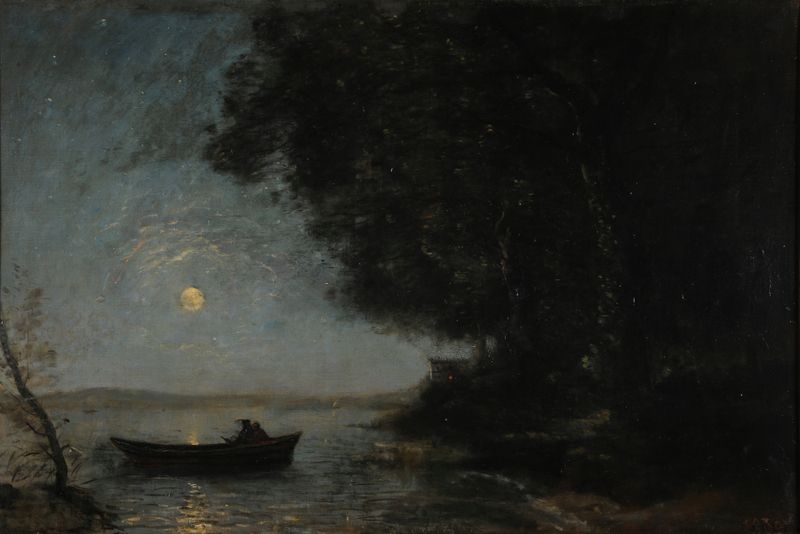
Le lac ; effet de nuit
Jean-Baptiste-Camille Corot
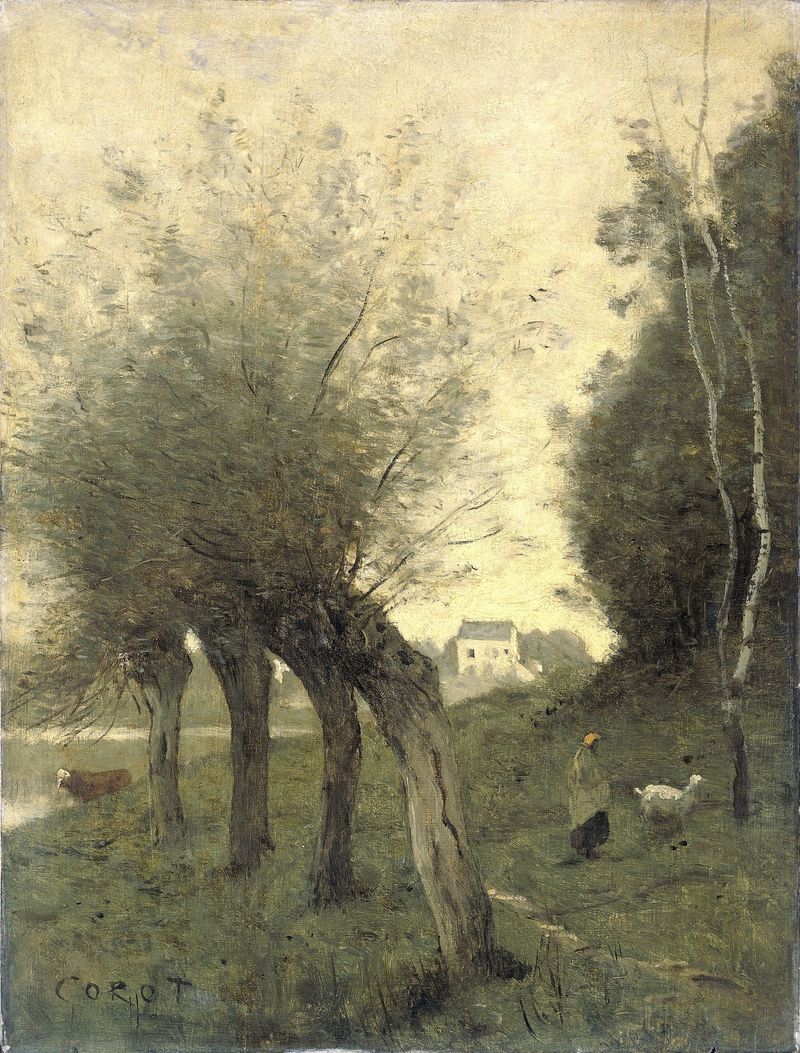
Landscape with Pollard Willows
Jean-Baptiste-Camille Corot
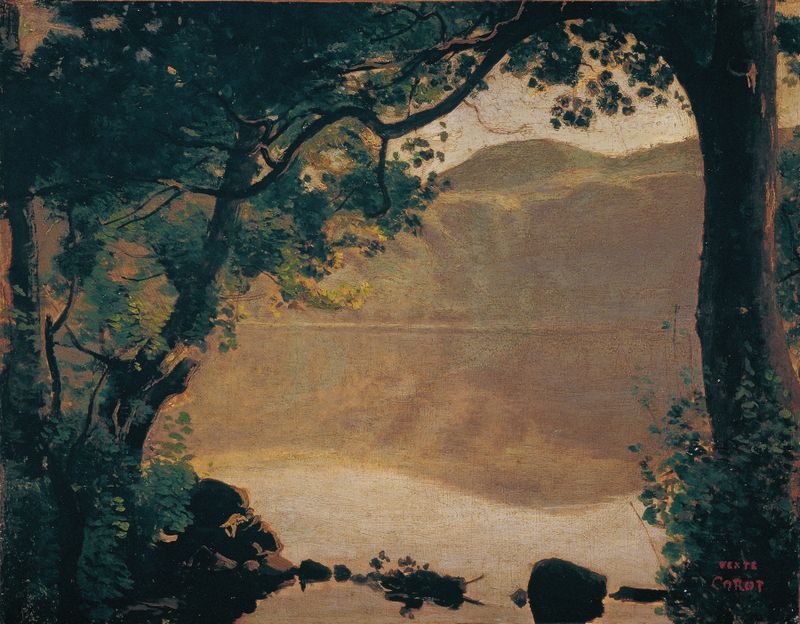
Der Nemisee
Jean-Baptiste-Camille Corot
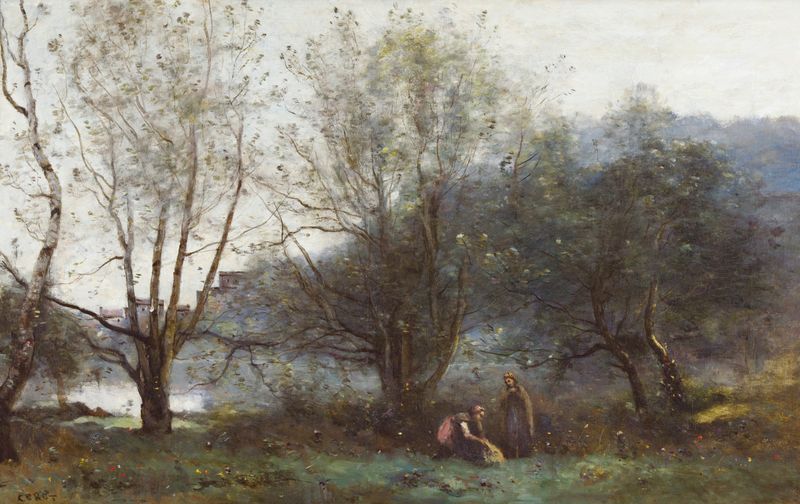
Les Étangs De Ville D’avray
Jean-Baptiste-Camille Corot
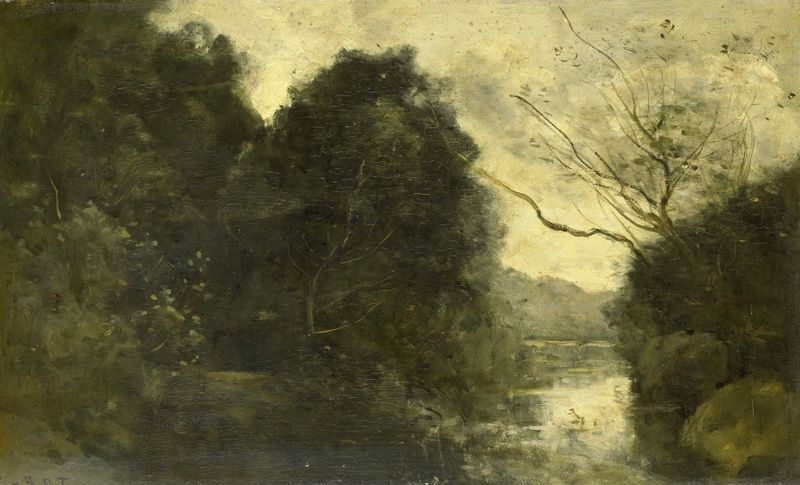
Pond in the Woods
Jean-Baptiste-Camille Corot
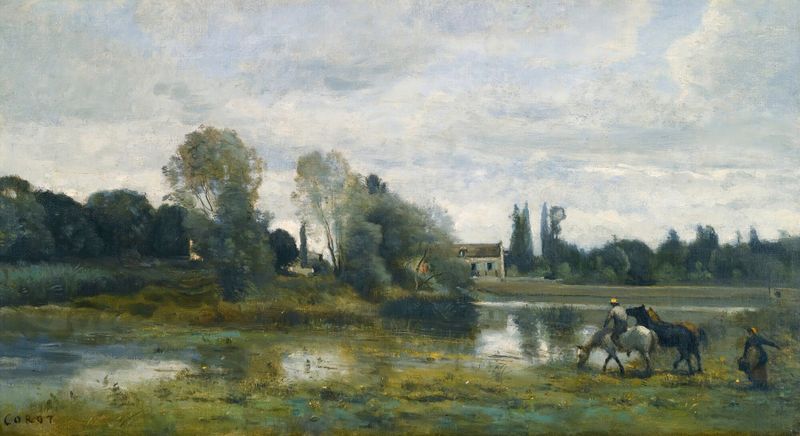
Ville D’avray; L’abreuvoir Des Chevaux
Jean-Baptiste-Camille Corot
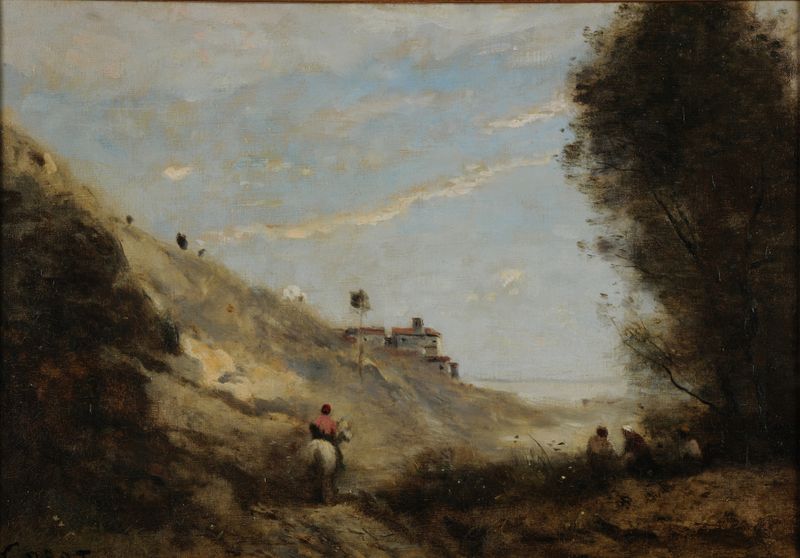
Le vallon au cavalier
Jean-Baptiste-Camille Corot





