Fort mit dem Brotvogt — History & Facts
The figure at the heart of Fort mit dem Brotvogt commands attention, looming large in a cloak of stark white and a jarring red collar, clutching loaves of bread as if guarding them from the world. His face, shaded beneath a broad-brimmed hat, is set in a grimace that hints at both authority and exclusion. The bold text above and below him—urgent, declarative—frames the entire image as a call to action, the date and the emphatic “NEIN” anchoring the poster in a moment of public decision.
The smaller figures at the margins, rendered in muted tones, appear wary or resentful, their postures reinforcing the sense of social tension. The palette is limited but forceful, with the red acting as a visual alarm, drawing the eye to the heart of the message. Created in 1926, this work by Emil Cardinaux belongs to the world of early twentieth-century political posters, when graphic art became a weapon in the battle for public opinion. In Switzerland and across Europe, artists like Cardinaux were commissioned to sway voters on urgent social questions—here, the debate over bread monopolies and state control of food.
Such posters were designed for immediate impact, blending caricature, symbolism, and bold typography to turn complex issues into unforgettable images. History has kept few traces of the individual campaigns behind these posters, but their visual language remains strikingly modern. The longer you look, the more the bread, the cloak, and the faces become not just props, but arguments in a public square.
More Artworks by Emil Cardinaux
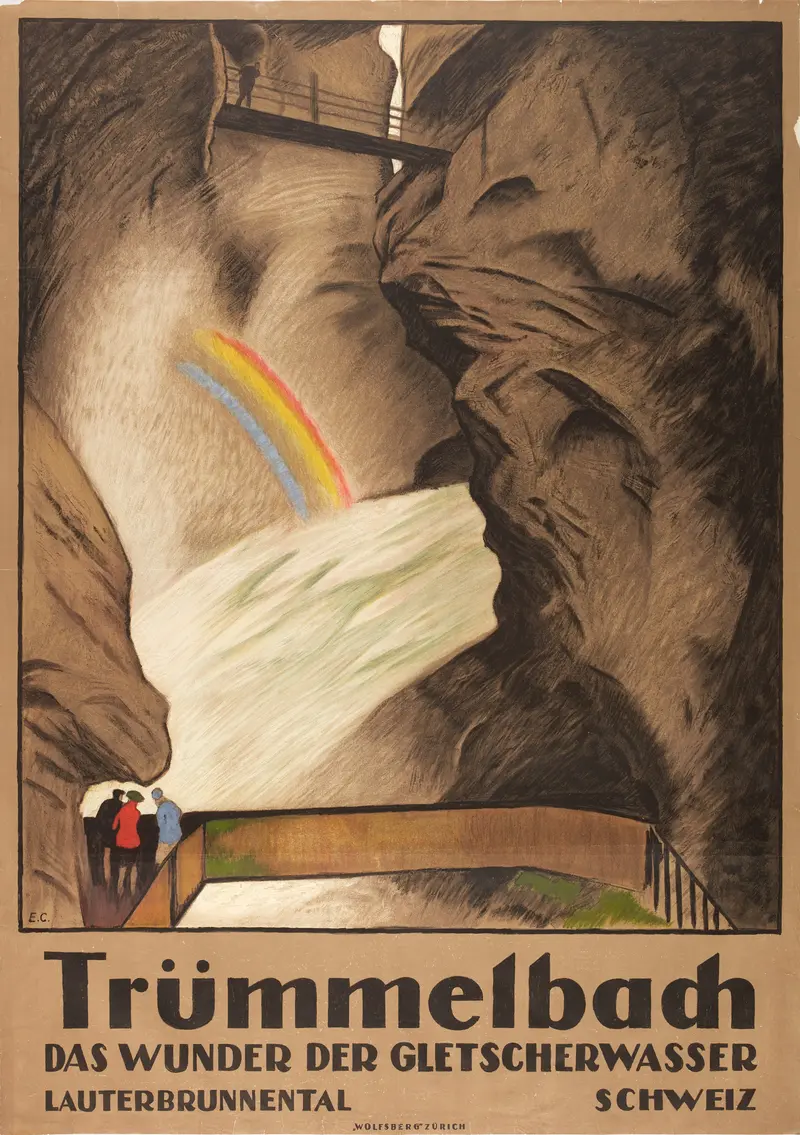
Trümmelbach
Emil Cardinaux
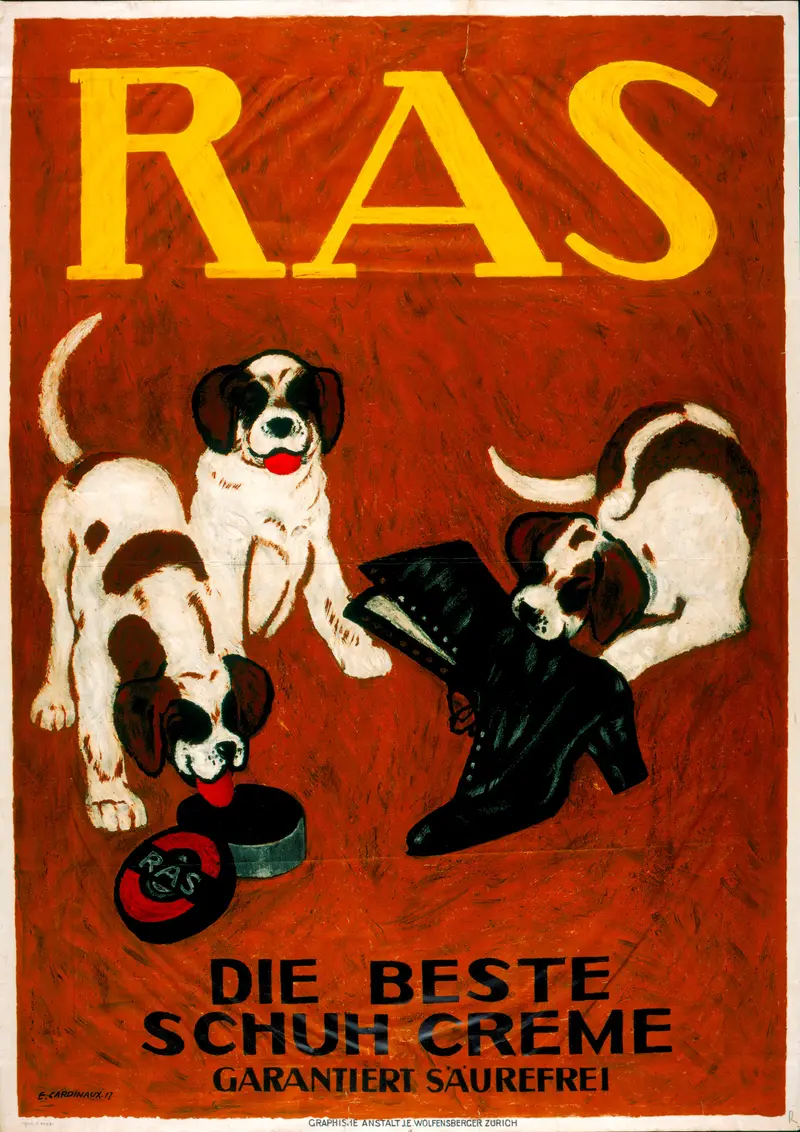
RAS, die beste Schuhcrème
Emil Cardinaux
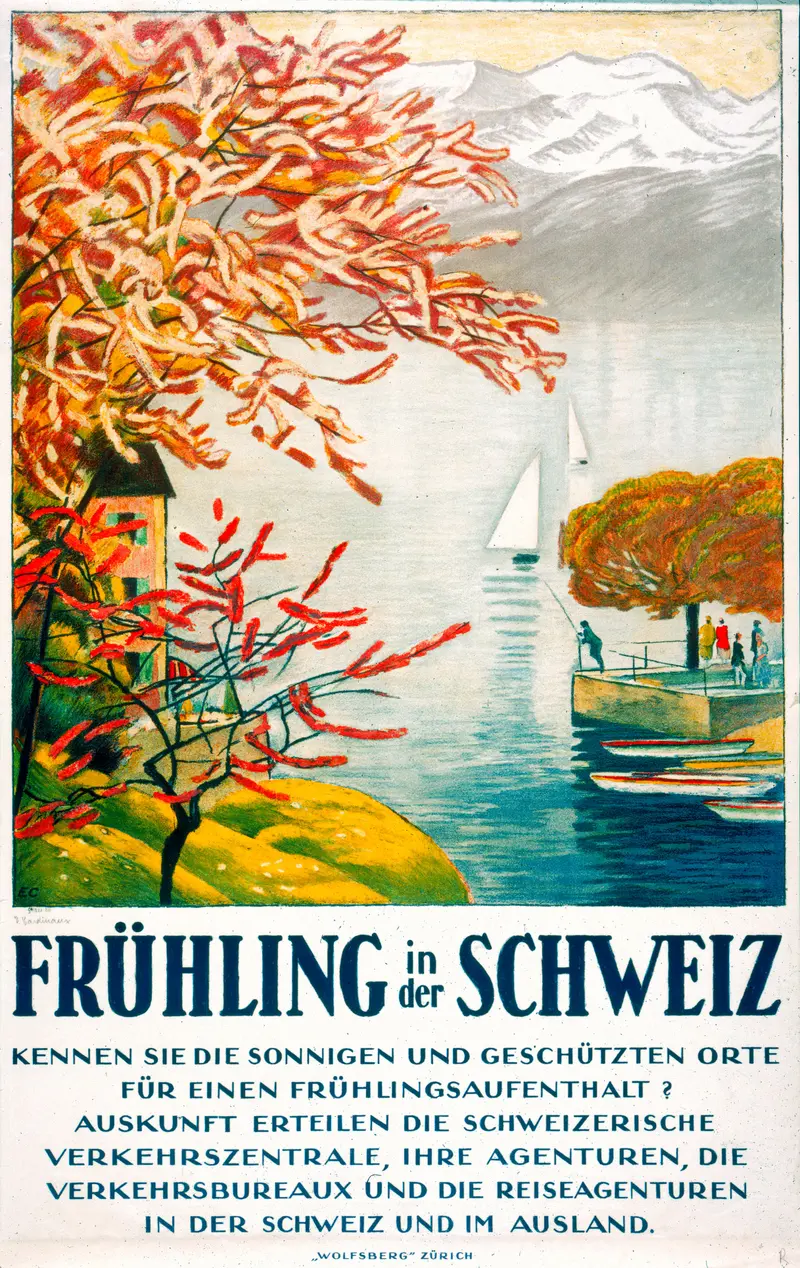
Frühling in der Schweiz
Emil Cardinaux
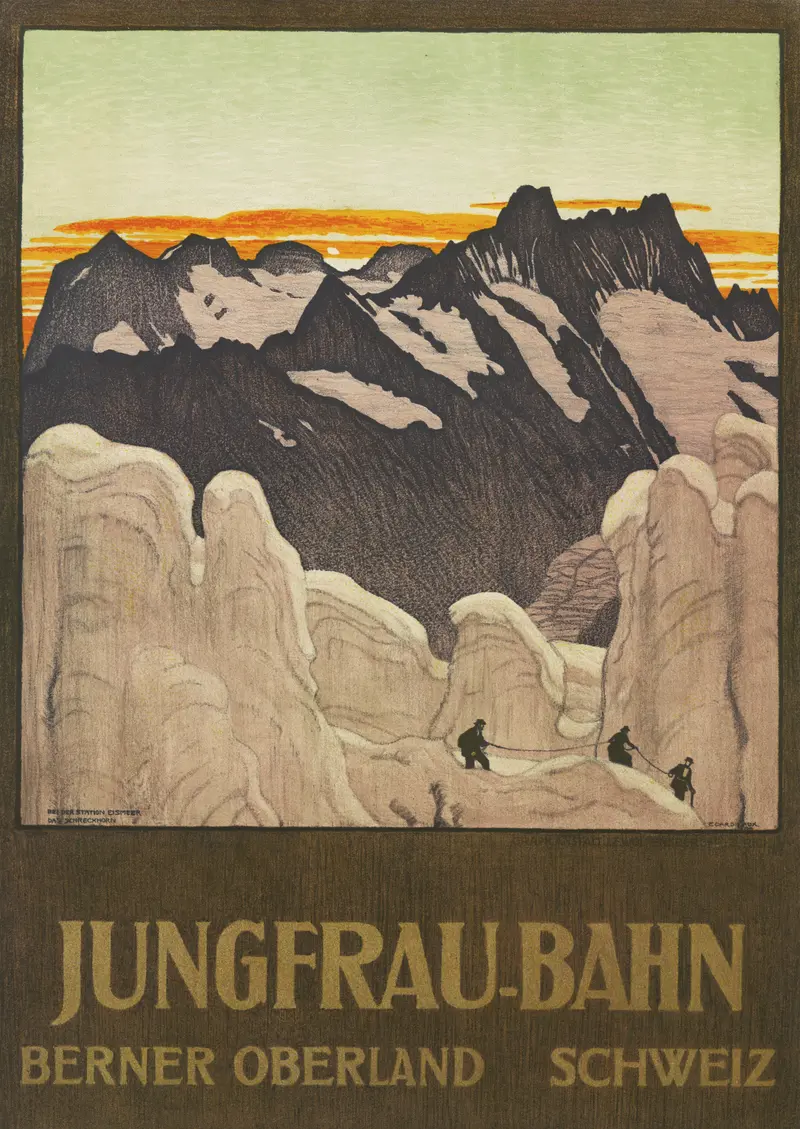
Jungfrau-Bahn, Berner Oberland
Emil Cardinaux
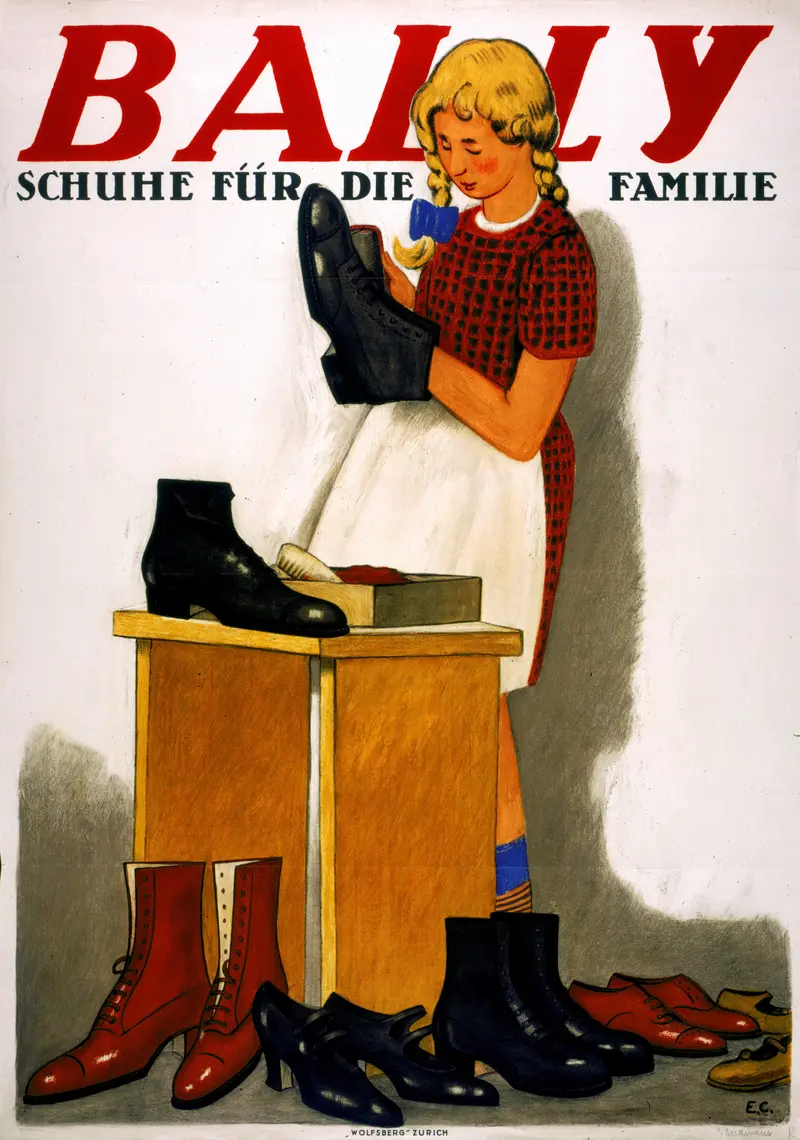
Bally – Schuhe für die Familie
Emil Cardinaux

Winter in Switzerland
Emil Cardinaux
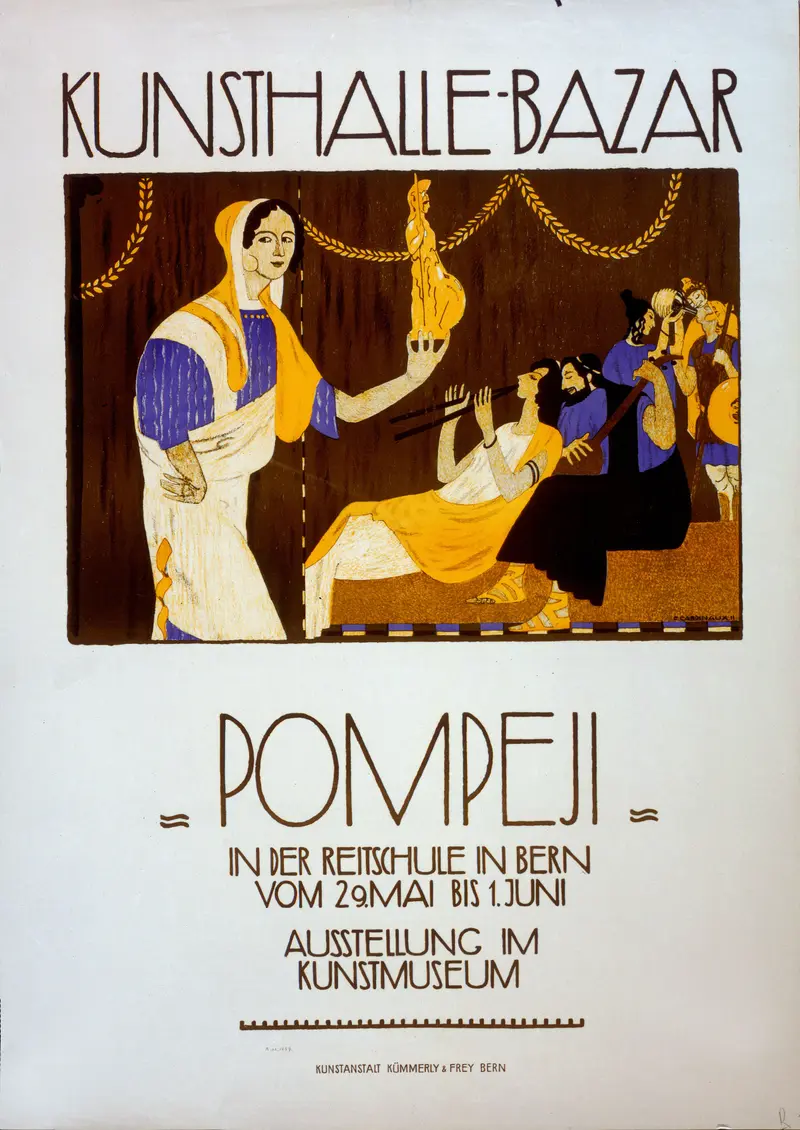
Kunsthalle-Bazar Pompeji, Bern 1911
Emil Cardinaux
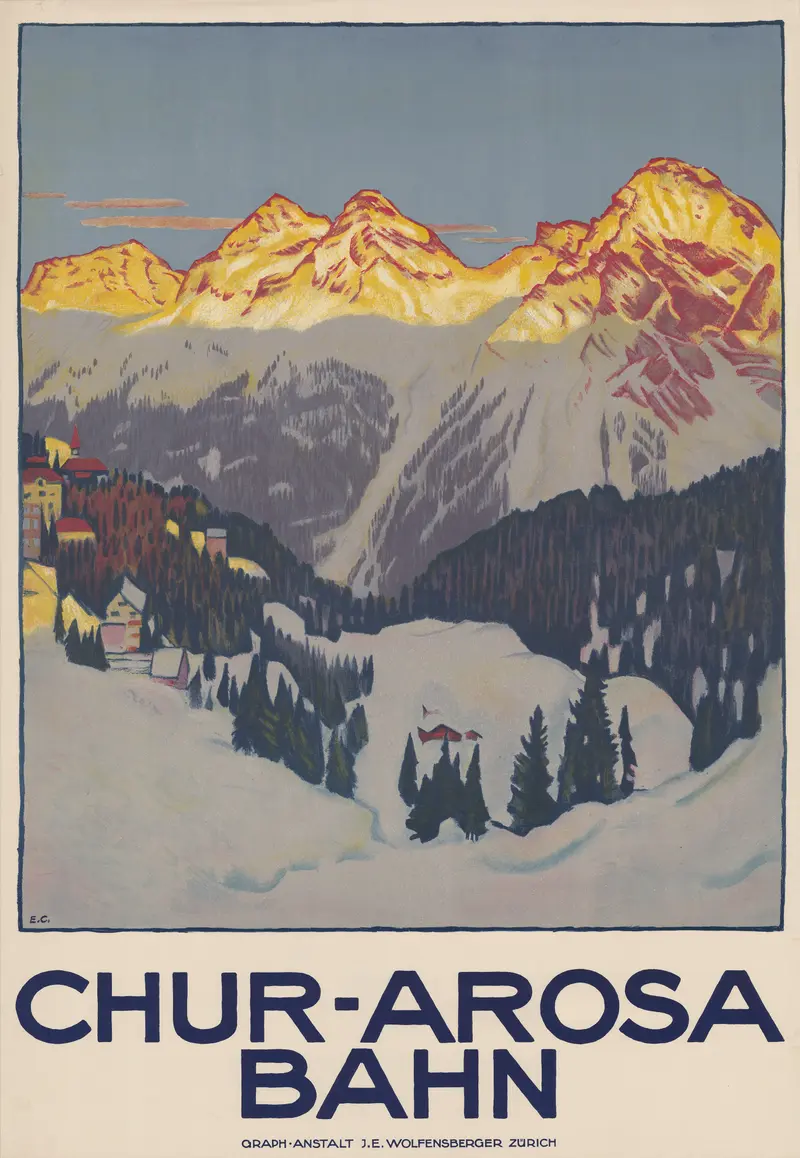
Chur-Arosa-Bahn
Emil Cardinaux
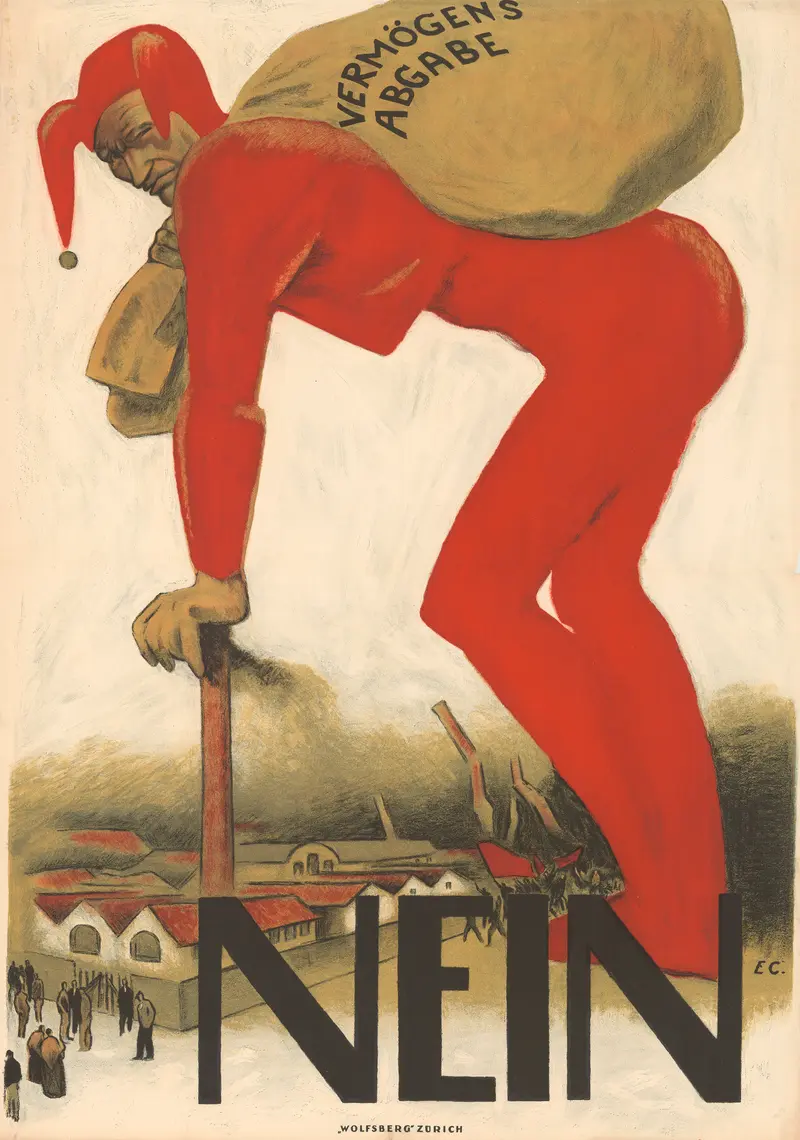
Vermögensabgabe – Nein
Emil Cardinaux
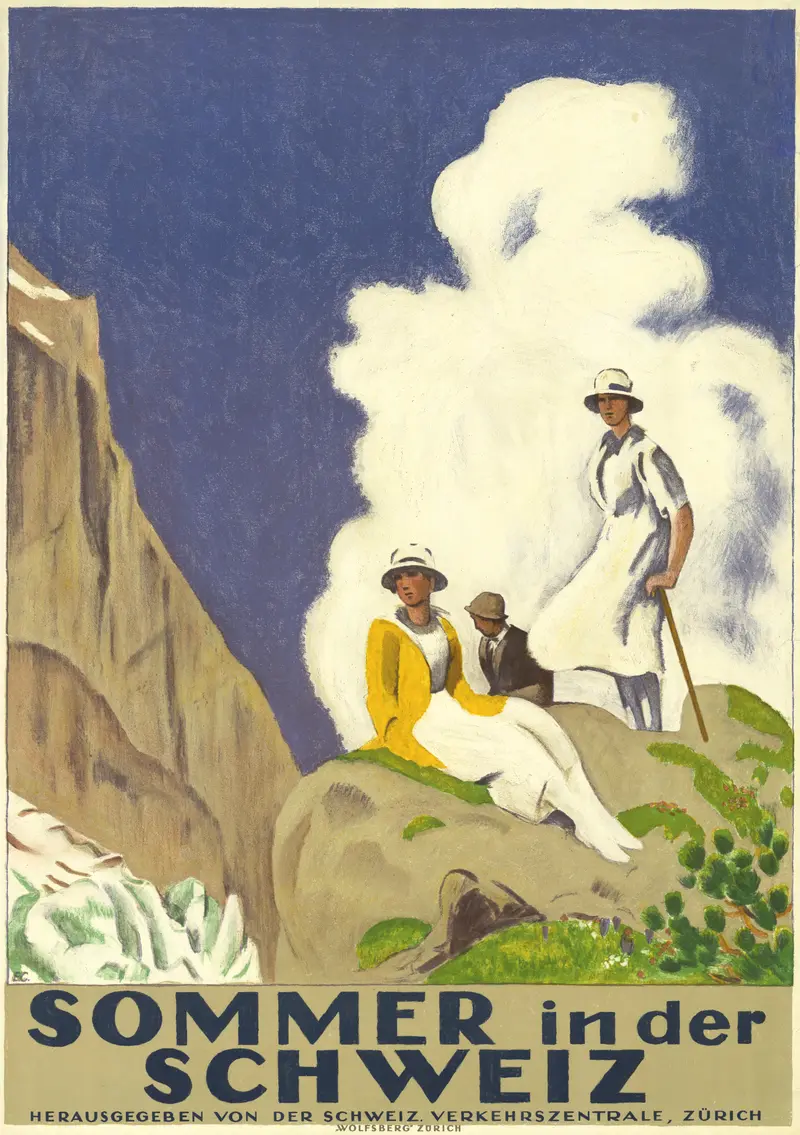
Sommer in der Schweiz
Emil Cardinaux