Fortuna — History & Facts
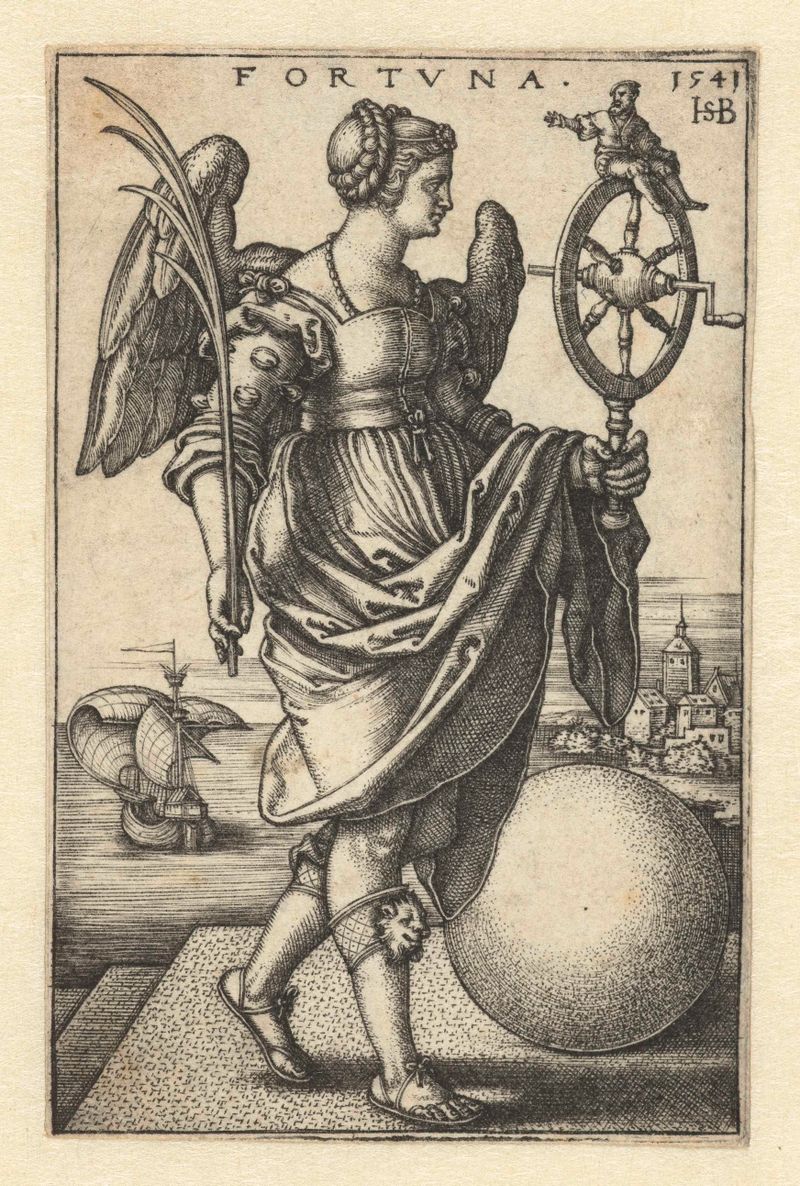
In its stillness, Fortuna embodies the silent gravity of fate, inviting us to ponder the moments that shift the course of our lives. This intricate work captures more than mere imagery; it encapsulates the weight of fortune's hand, poised to shape destinies in a world caught in quiet tension. Look to the center of the composition, where Fortuna herself stands, draped in flowing garments that echo the gentle curves of the surrounding landscape. Her serene expression contrasts with the swirling clouds behind her, hinting at unseen forces at play.
The muted earth tones combined with soft shades of gold suggest a balance between hope and despair. Notice how the light gently caresses the edges of her figure, creating a halo effect that draws the eye, while the shadows deepen the sense of introspection in this moment suspended in time. Upon closer inspection, the symbols nestled within the painting reveal deeper narratives. The wheel at her feet, spinning yet still, reflects the cyclical nature of fortune — ever-changing yet constant.
The subtle placement of the small figures in the background whispers of lives affected by her influence, their postures a mix of reverence and fear. These contrasts between light and dark, movement and stillness, reflect the ambiguous nature of luck itself, reminding us of the delicate balance between control and surrender. Created in 1541, this work emerged during the Northern Renaissance, a period of burgeoning exploration and philosophical inquiry. Beham, a key figure of the Nuremberg school, crafted Fortuna against a backdrop of societal change, where the humanist ideals were reshaping art and thought.
At this time, he was deeply engaged in printmaking, yet this painting reveals his mastery of capturing complex themes in visual form, reflecting both personal and communal apprehensions about fate and fortune.
More Artworks by Hans Sebald Beham
Browse all →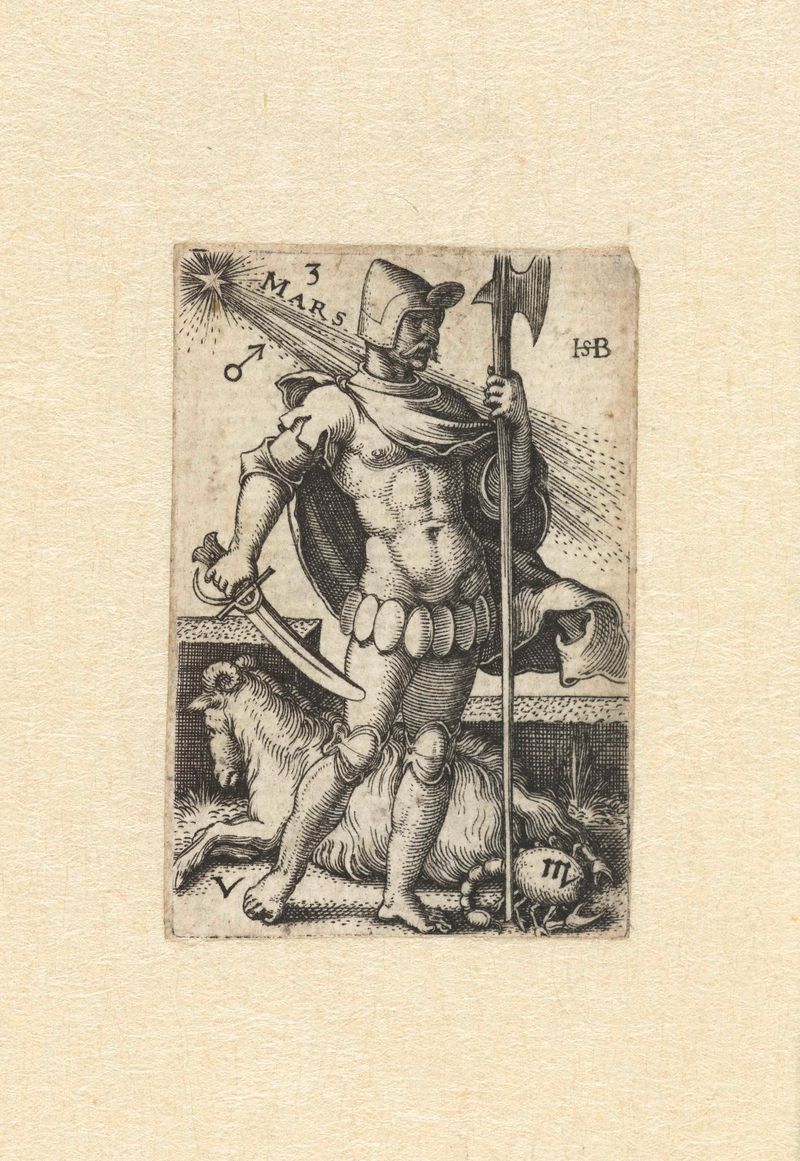
Mars met sterrenbeelden Ram en Schorpioen
Hans Sebald Beham

Achilles in gevecht met Hector
Hans Sebald Beham
Fortuna
Hans Sebald Beham

Hercules worstelt met Antaeus
Hans Sebald Beham

Twee muzikanten met schalmey en doedelzak
Hans Sebald Beham

Voorzichtigheid (Prudentia)
Hans Sebald Beham

Hercules in gevecht met de Trojanen
Hans Sebald Beham
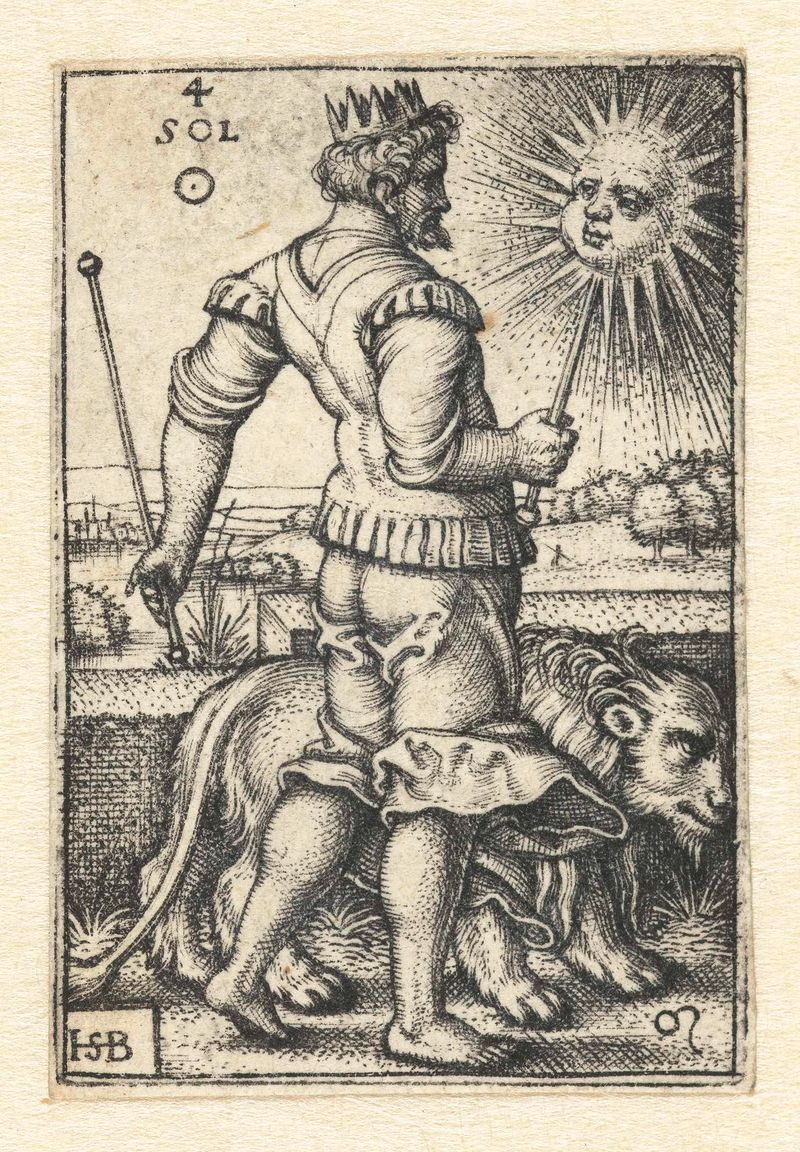
Apollo (Sol) met sterrenbeeld Leeuw
Hans Sebald Beham
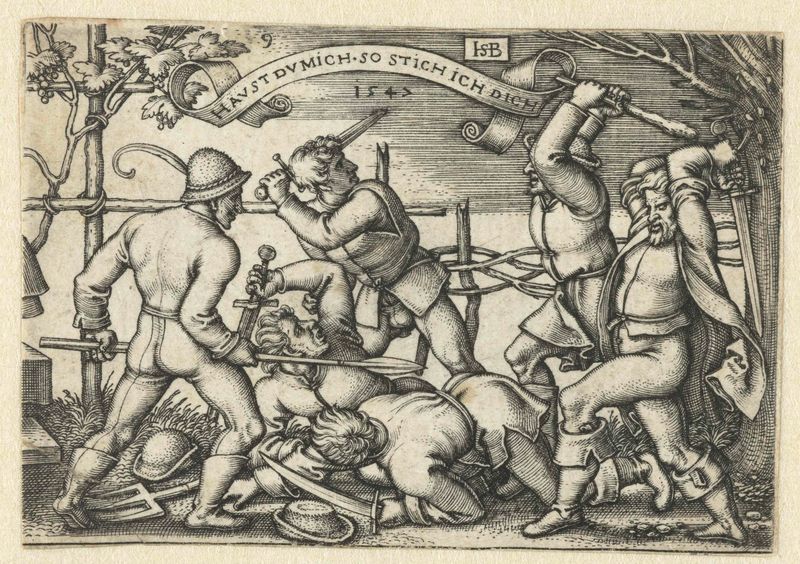
Vechtende boeren met zwaarden
Hans Sebald Beham
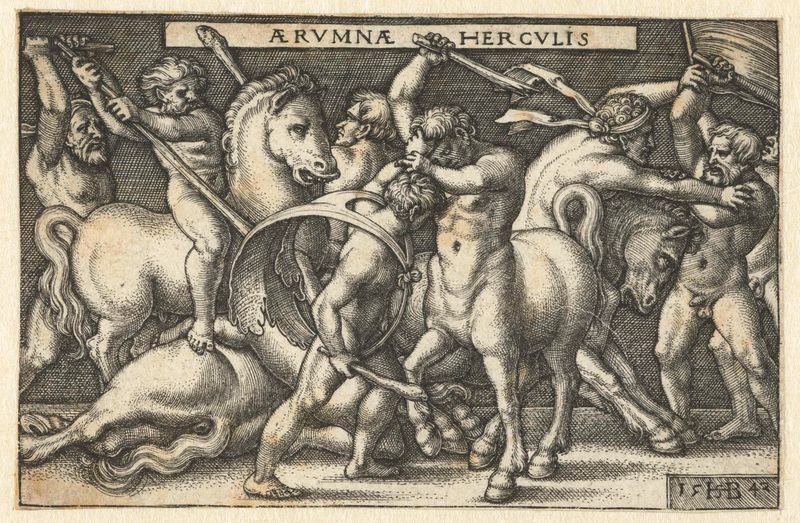
Hercules in gevecht met centaurs
Hans Sebald Beham