
Foul by God: River Landscape with Anglers Fishing From a Weir — History & Facts
Who listens when art speaks of silence? In Foul by God: River Landscape with Anglers Fishing From a Weir, the stillness of the scene resonates with an underlying tension that whispers the fragility of life. Focus on the foreground where two anglers stand on the weir, their figures almost swallowed by nature’s grandeur. Notice how Turner’s loose brushwork evokes the rippling water, blending vibrant greens and muted browns, while soft blues envelop the sky. The light, diffused yet intentional, bathes the scene, creating a tranquil atmosphere that belies the lurking shadows of mortality in the backdrop.
As the eye follows the river’s serpentine path, it becomes a metaphor for the passage of time, gently guiding us through moments of reflection and stillness. The contrast between the fishermen’s serene activity and the turbulent waters surrounding them speaks volumes. The weir, a man-made structure, represents human intervention in nature, yet here it stands precariously, hinting at the inevitability of decay. Look closer at the birds that hover in the distance; they symbolize freedom and the transient nature of existence, contrasting sharply with the anglers’ stillness and their engagement in a timeless pursuit.
The painting compels viewers to confront our own vulnerabilities in the face of nature’s grandeur and the relentless march of time. In 1830, Joseph Mallord William Turner was honing his mastery of landscape painting, navigating through personal struggles and the evolving art world. He was increasingly drawn to themes of nature’s power and humanity’s place within it, amidst the backdrop of industrial changes sweeping through England. This work reflects his deep introspection during a period marked by both innovation and a longing for the pastoral past, revealing a quiet contemplation of mortality amid the beauty of the natural world.
More Artworks by Joseph Mallord William Turner
Browse all →
Dort or Dordrecht- The Dort Packet-Boat from Rotterdam Becalmed
Joseph Mallord William Turner
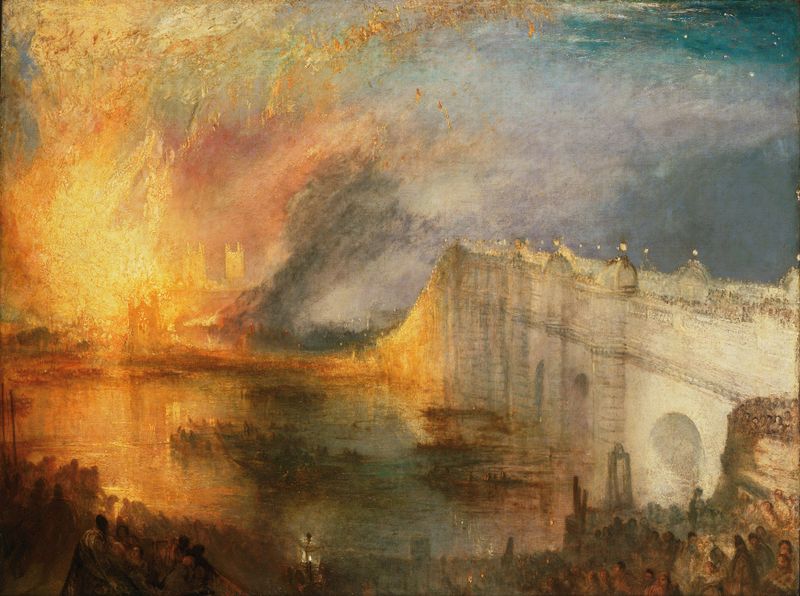
The Burning of the Houses of Lords and Commons, October 16, 1834
Joseph Mallord William Turner
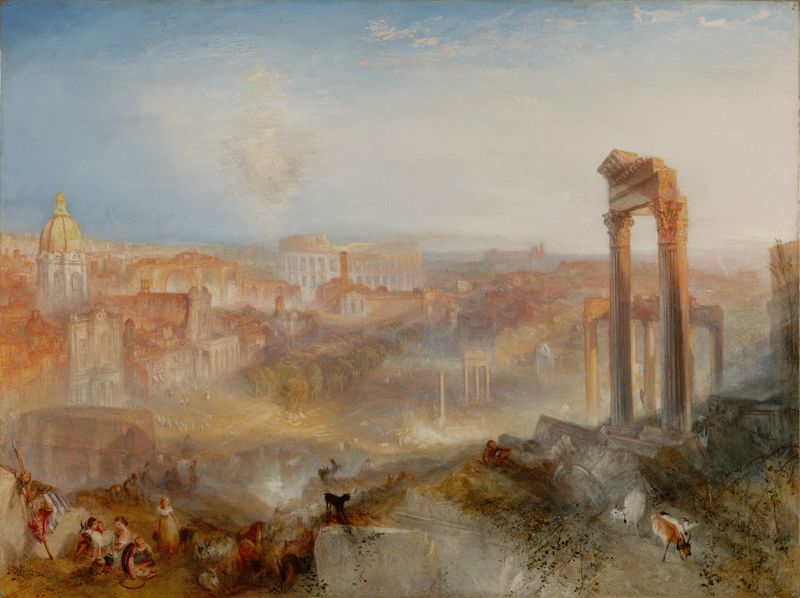
Modern Rome – Campo Vaccino
Joseph Mallord William Turner
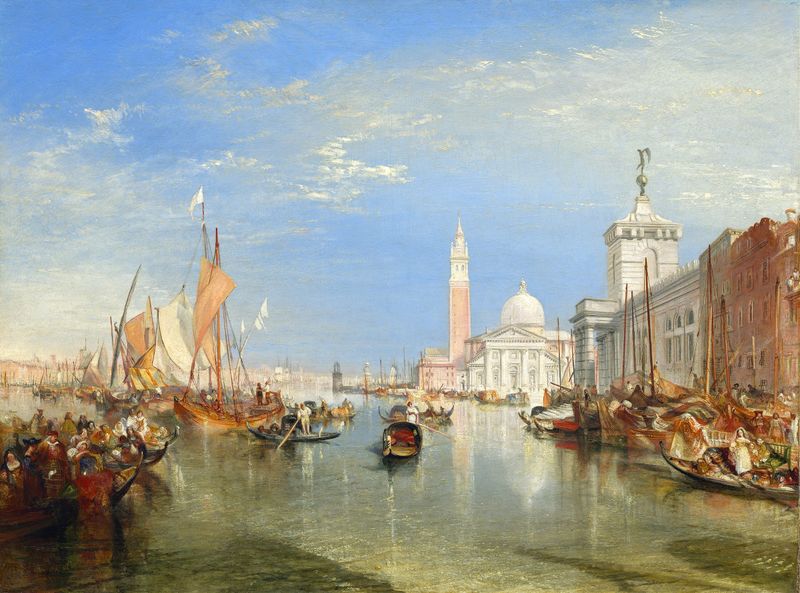
Venice – The Dogana and San Giorgio Maggiore
Joseph Mallord William Turner

The Burning of the Houses of Lords and Commons, 16 October 1834
Joseph Mallord William Turner
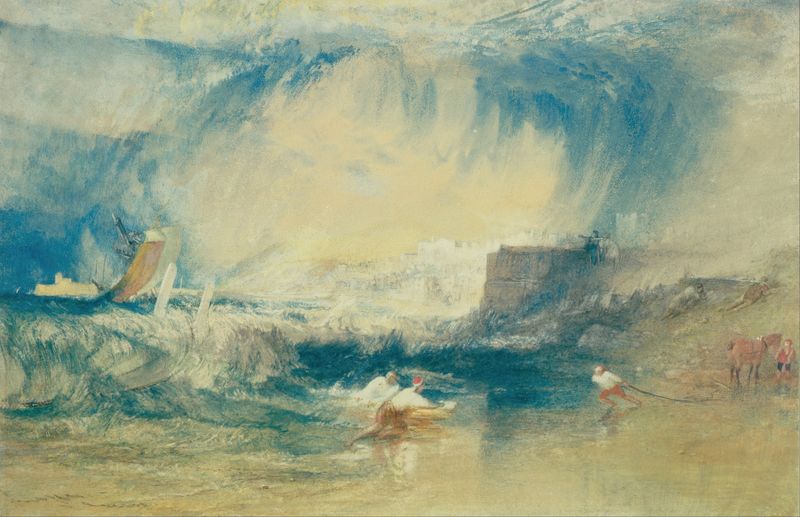
Lyme Regis, Dorsetshire, England
Joseph Mallord William Turner
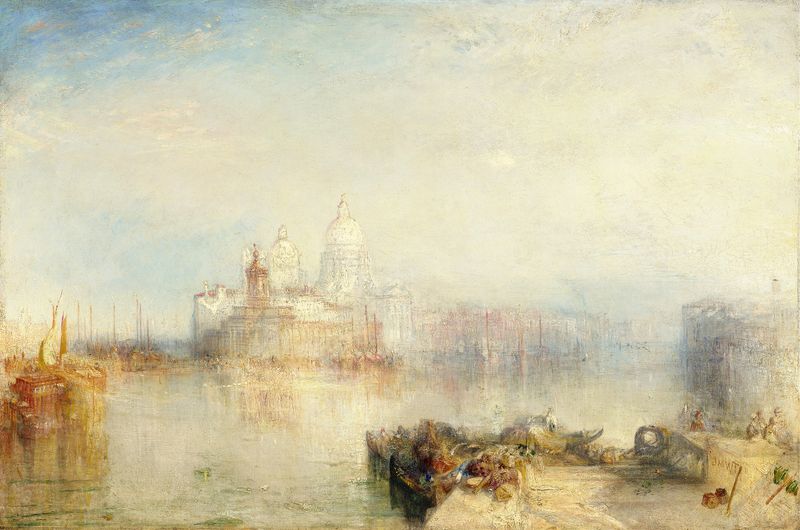
The Dogana and Santa Maria della Salute, Venice
Joseph Mallord William Turner
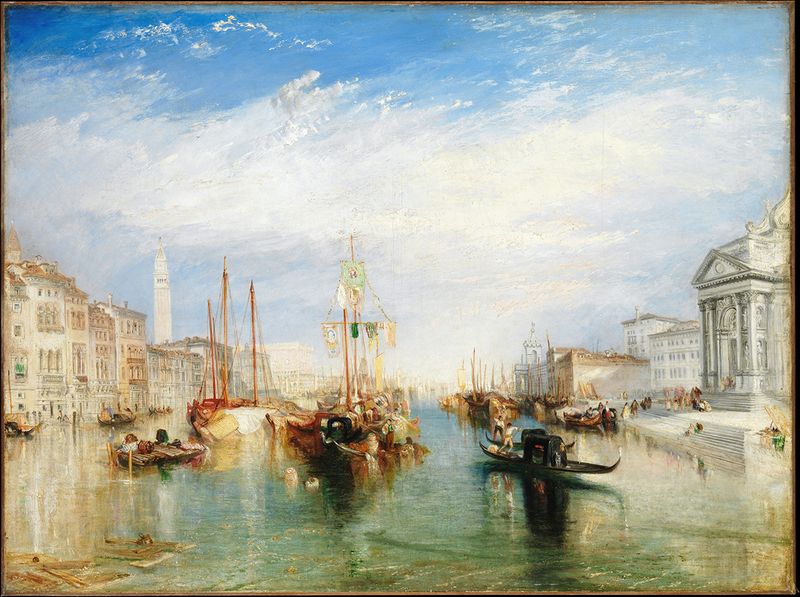
Venice, from the Porch of Madonna della Salute
Joseph Mallord William Turner
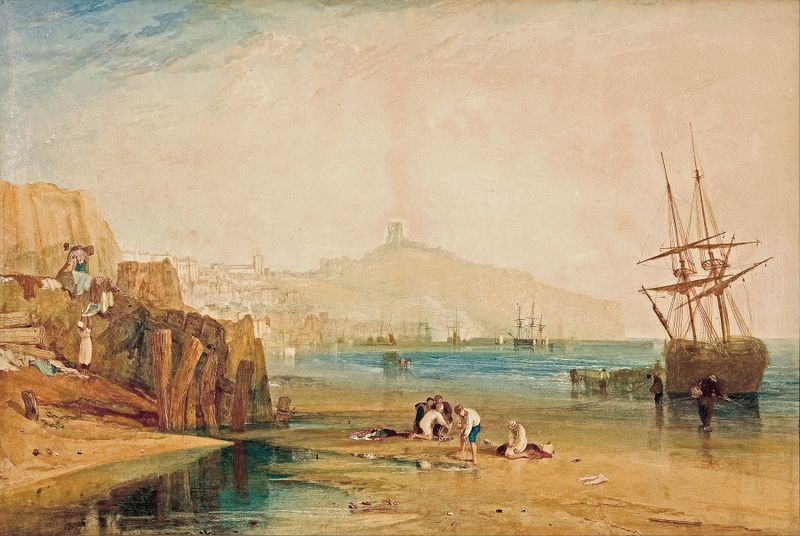
Scarborough town and castle; morning; boys catching crabs
Joseph Mallord William Turner
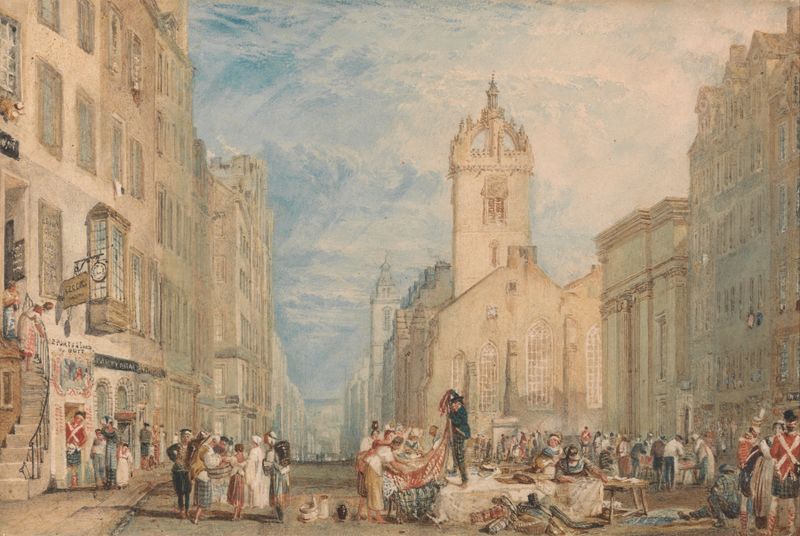
High Street, Edinburgh
Joseph Mallord William Turner





