
Fragment from a frieze — History & Facts
Who listens when art speaks of silence? In the hushed whispers of stone, the essence of betrayal unfurls, echoing through time and memory. Look closely at the intricate details carved into the ancient surface. The texture of the frieze demands attention, with weathered lines tracing stories that blend into one another. Notice how the light plays upon the contours, accentuating the figures' expressions—some joyfully engaged, while others seem shadowed by secrets.
Each character is engaged in a dance of emotion, the composition carefully balanced yet fraught with tension, drawing the viewer into a silent narrative. The frieze captures an intricate tapestry of human relationships, hinting at the complexities of loyalty and treachery. Look at the downturned gaze of one figure, conveying a profound sense of disillusionment, while another appears oblivious, caught in the warmth of camaraderie. These contrasts reveal the delicate interplay between appearance and reality, suggesting that what lies beneath the surface is often more telling than outward gestures.
Here, betrayal is not loud; it lingers in the unspoken, a ghost haunting the cheerful facade. Created between 1350 and 1400, this fragment emerges from a time when the unknown artist navigated a world rich in political and social upheaval. In this era, fragmented narratives were common, reflecting the uncertainties of life. The artist may have sought to capture the fragility of human bonds, using stone to immortalize emotions that were often fleeting and transient, giving voice to the silent betrayals that weave through existence.
More Artworks by Unknown Artist
Browse all →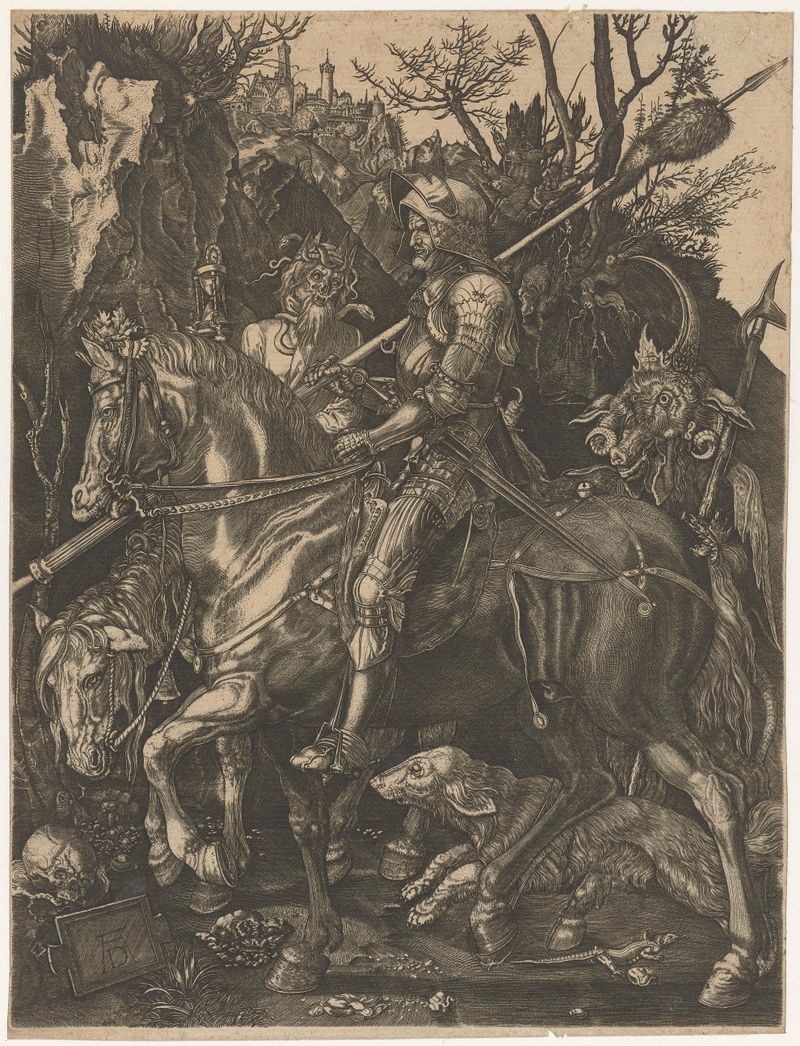
Ridder, Dood en Duivel
Unknown Artist
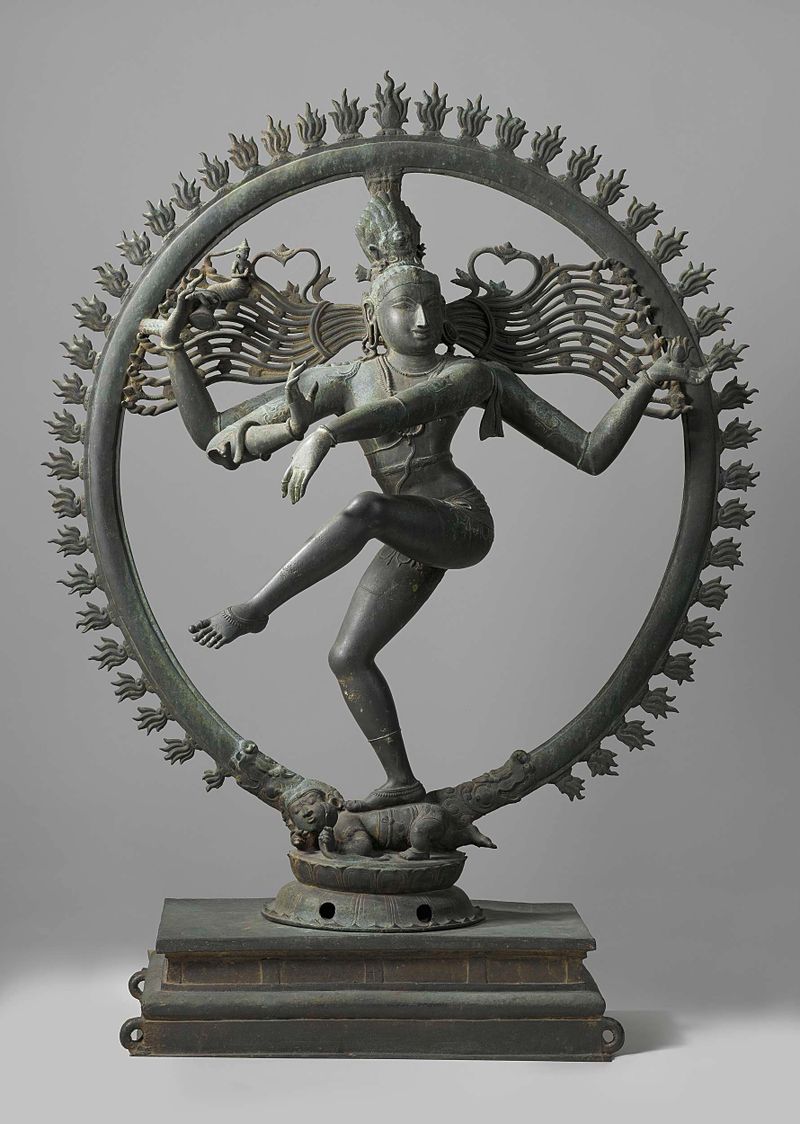
Shiva Nataraja
Unknown Artist
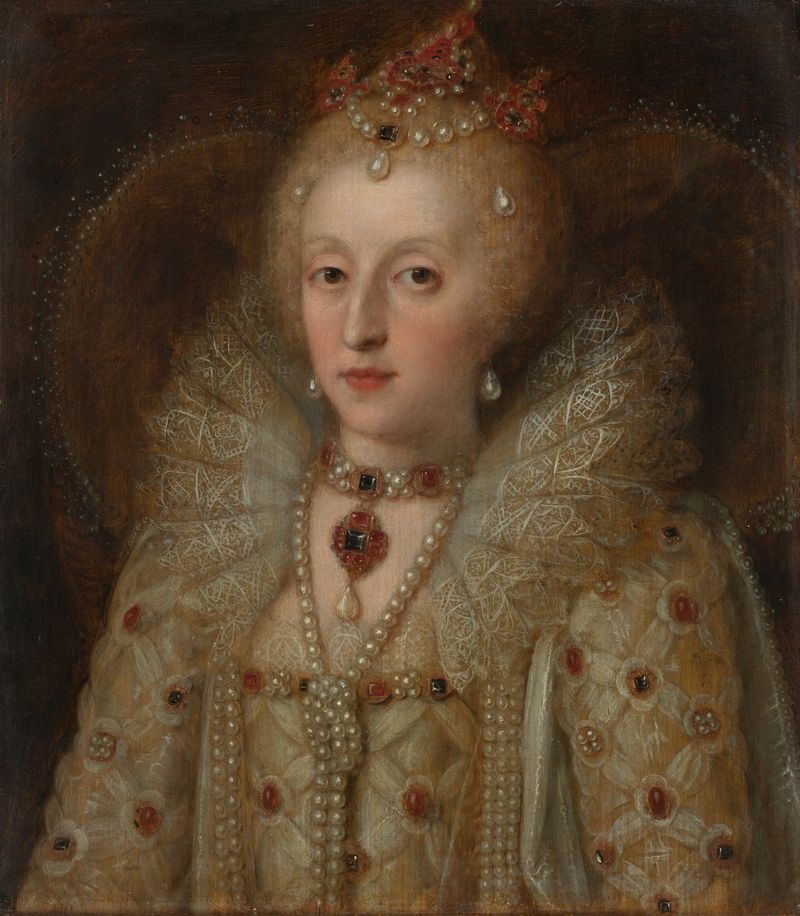
Portrait of Elizabeth I, Queen of England
Unknown Artist
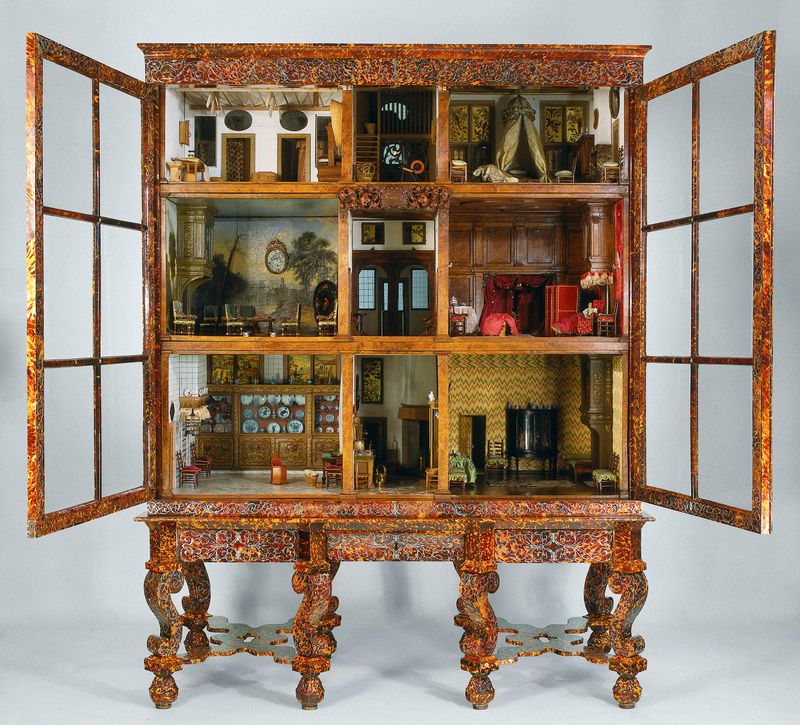
Dolls’ house of Petronella Oortman
Unknown Artist
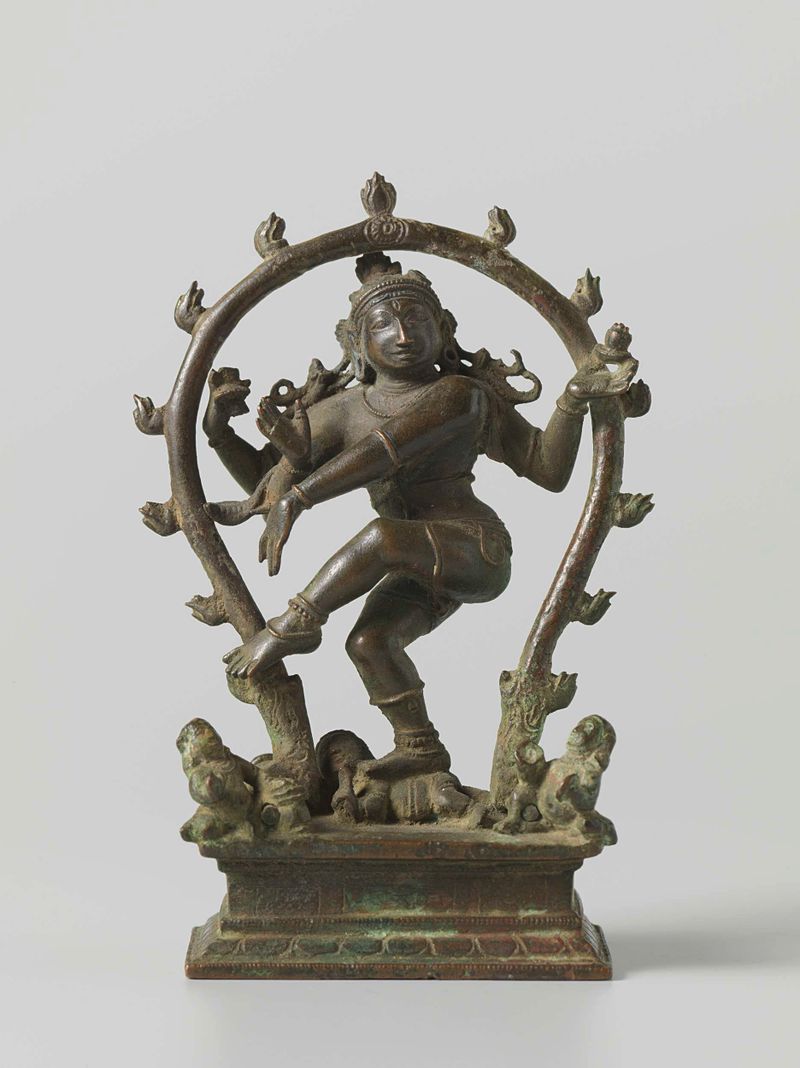
Shiva Nataraja
Unknown Artist

The Tale of Genji
Unknown Artist

The Tale of Genji
Unknown Artist

Cong
Unknown Artist
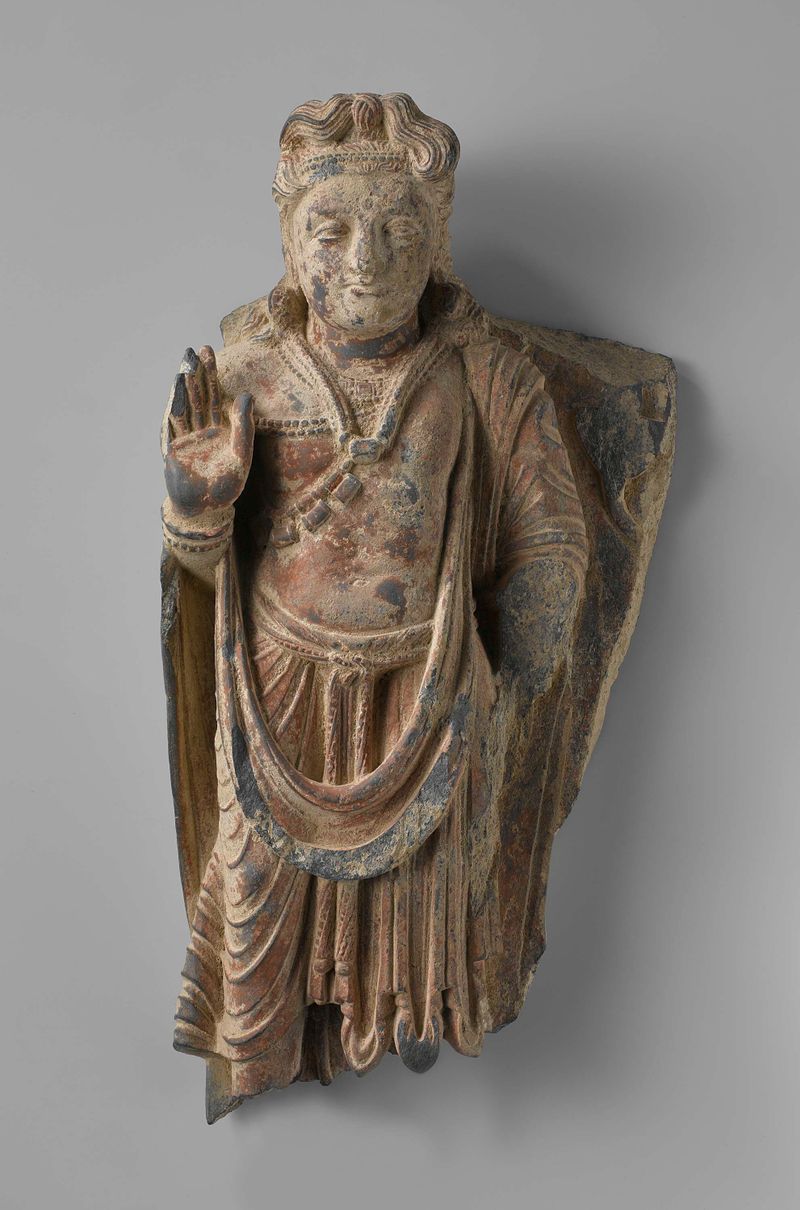
The bodhisattva Maitreya
Unknown Artist

Teabowl with a 'hare's fur' glaze
Unknown Artist





