Fragment van een zijden satijnbrokaat — History & Analysis
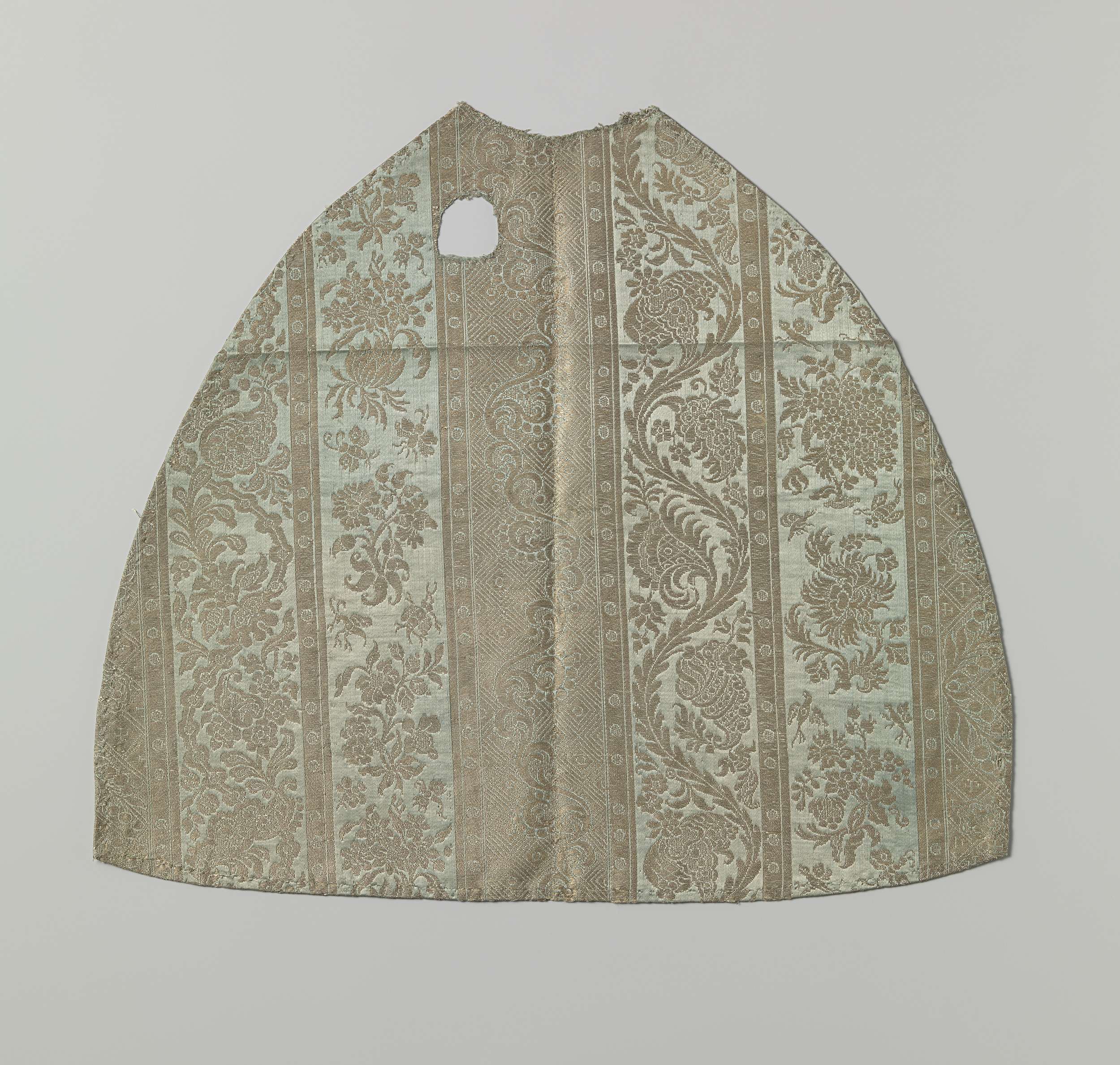
Can paint confess what words never could? In the delicate weave of Fragment van een zijden satijnbrokaat, a silent yearning reveals itself, whispering the unspoken desires of a time long past. Look closely at the intricate patterns etched into the fabric, where each thread dances in shades of deep emerald and soft gold. Notice how the delicate brushstrokes mimic the luscious textures of satin, inviting you to reach out and touch the elegance.
The composition is a harmonious interplay of colors, capturing both the light and the eye, as your gaze is drawn to the motifs that evoke a sense of opulence and nostalgia. Beneath the sumptuous surface lies a deeper tension: the contrast between beauty and fragility. The exquisite details, while mesmerizing, are remnants of a fleeting era, hinting at the impermanence of desire itself. Each flourish and twist of the design seems to carry longing — a yearning for a forgotten narrative that pulses just beneath the surface.
This fragment speaks not only to adornment but also to the essence of aspiration and the ephemeral nature of beauty. Created between 1750 and 1800, this piece reflects a period rich in both artistic and societal transformation. The artist, whose identity remains a mystery, was part of a culture enamored by the luxury textiles that decorated the homes and lives of the affluent. During this time, craftsmanship was revered, and textiles became symbols of status and personal expression, marking a moment in history where artistry intertwined seamlessly with everyday life.