Freeman Flower — History & Facts
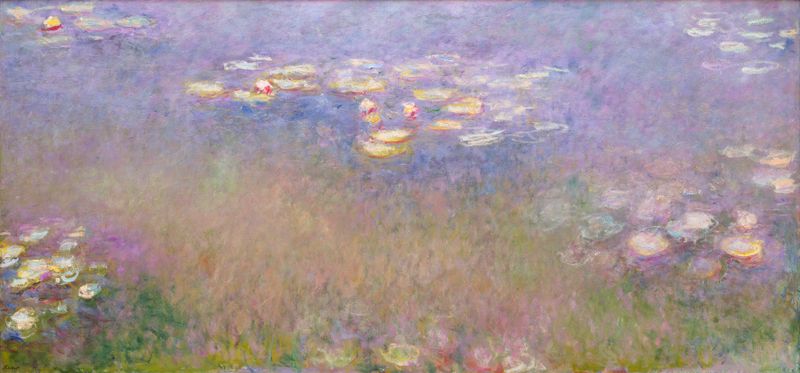
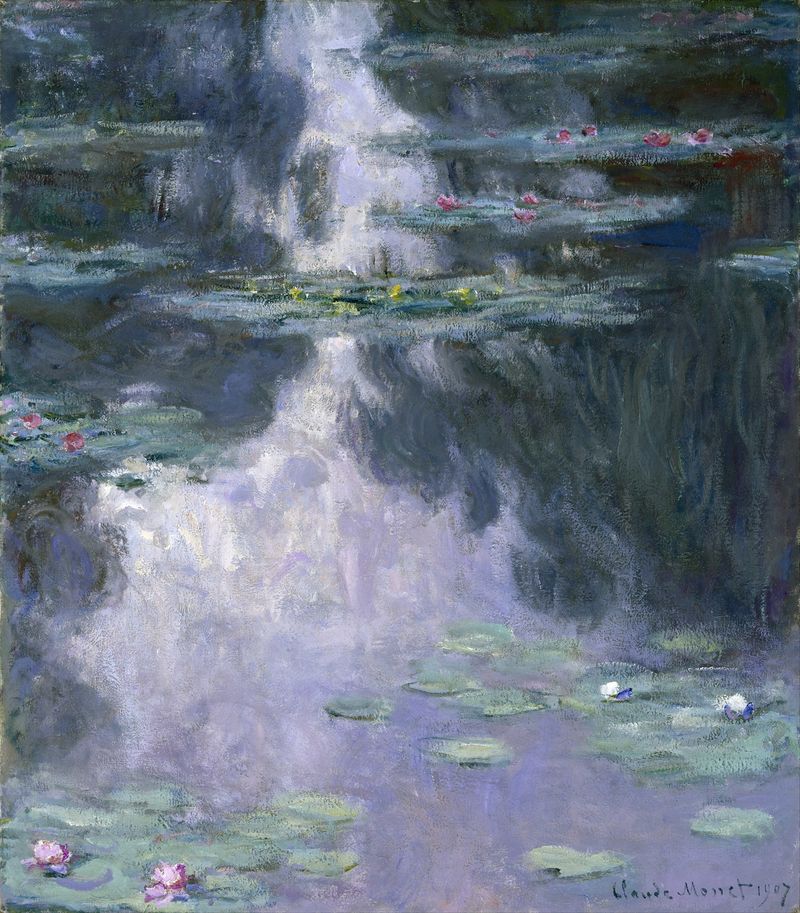
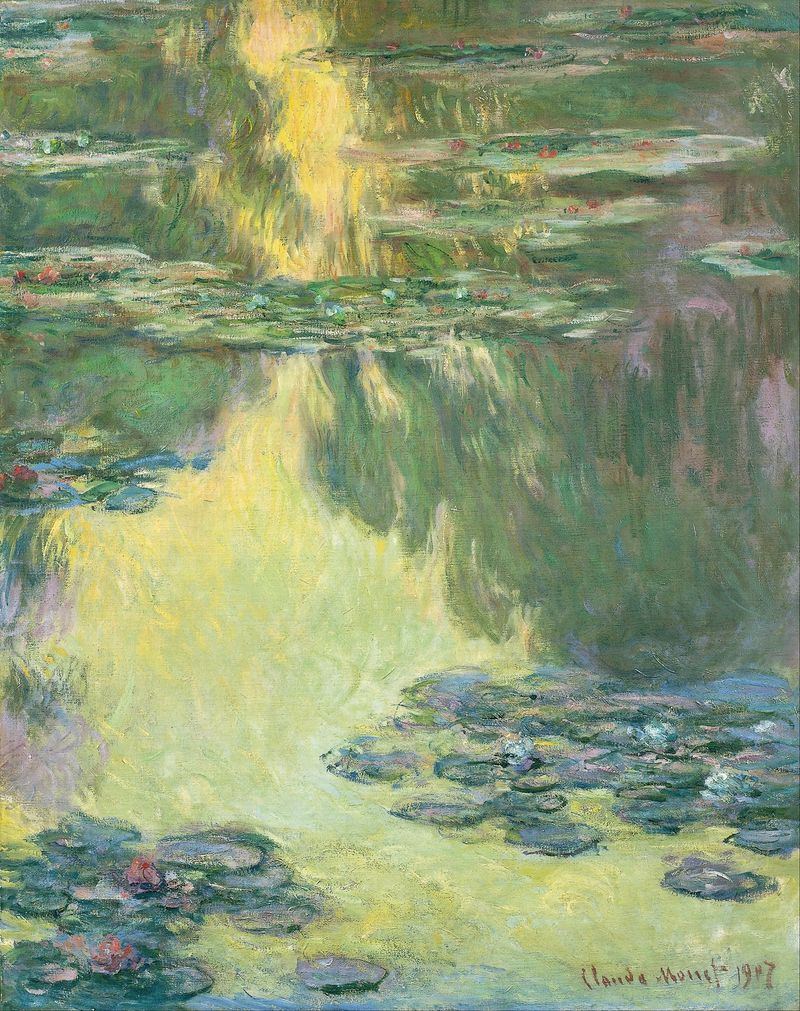
Can paint confess what words never could? In the exquisite balance captured within Freeman Flower, the viewer is invited to contemplate the intricate relationship between nature and humanity, where the duality of fragility and strength emerges. Look to the right at the delicate petals unfolding in a cascade of soft pinks and whites, their tender beauty contrasting against the rough, earthy hues of the background. The subtle interplay of light creates a luminous quality, illuminating each curve and contour as if the flower breathes. The artist's precise brushwork reveals a mastery of detail, inviting the viewer to trace the contours and highlights that breathe life into this fragile subject. Delve deeper into the piece, and you’ll discover a tension between the vivacity of the bloom and the muted tones surrounding it, reflecting the transient nature of beauty.
The flower stands resilient, yet its fleeting existence evokes a poignant reminder of mortality and the passage of time. This gentle juxtaposition extends beyond the canvas, suggesting an inner dialogue on the balance of life’s pleasures and its inevitable sorrows. In 1747, Joseph Highmore painted Freeman Flower during a period rich in artistic exploration in England, where the transition from Baroque to a more naturalistic style was underway. Highmore, primarily known for his portraiture, sought to elevate still life as a legitimate subject, revealing a remarkable sensitivity to the nuances of life and nature.
This work signifies a pivotal moment in his artistic journey, reflecting both personal and broader cultural shifts in the appreciation of nature’s beauty.