Mrs. Freeman Flower — History & Facts
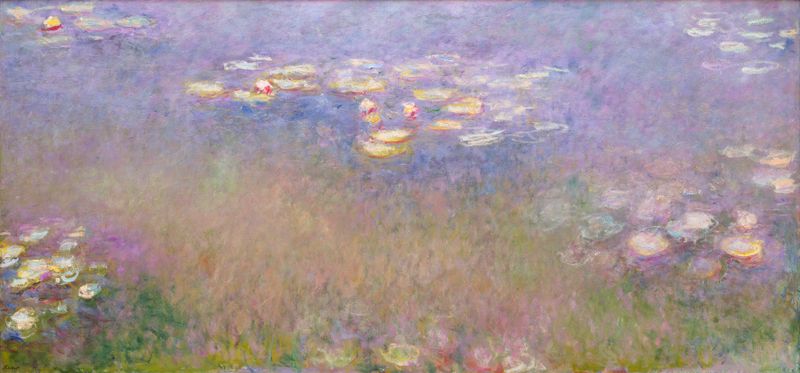
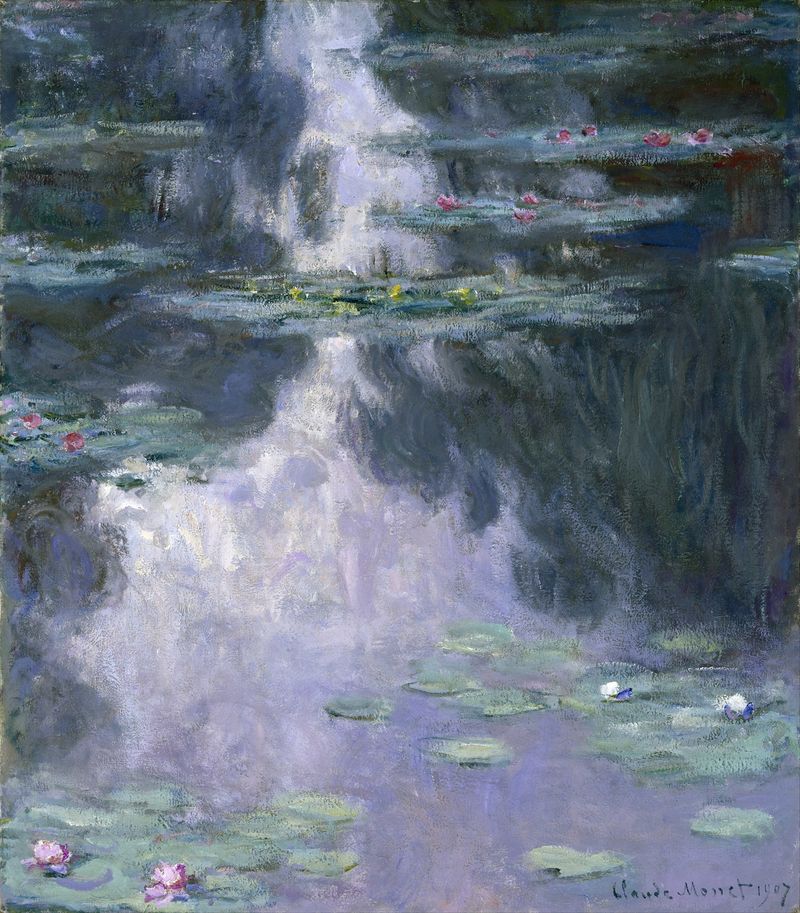
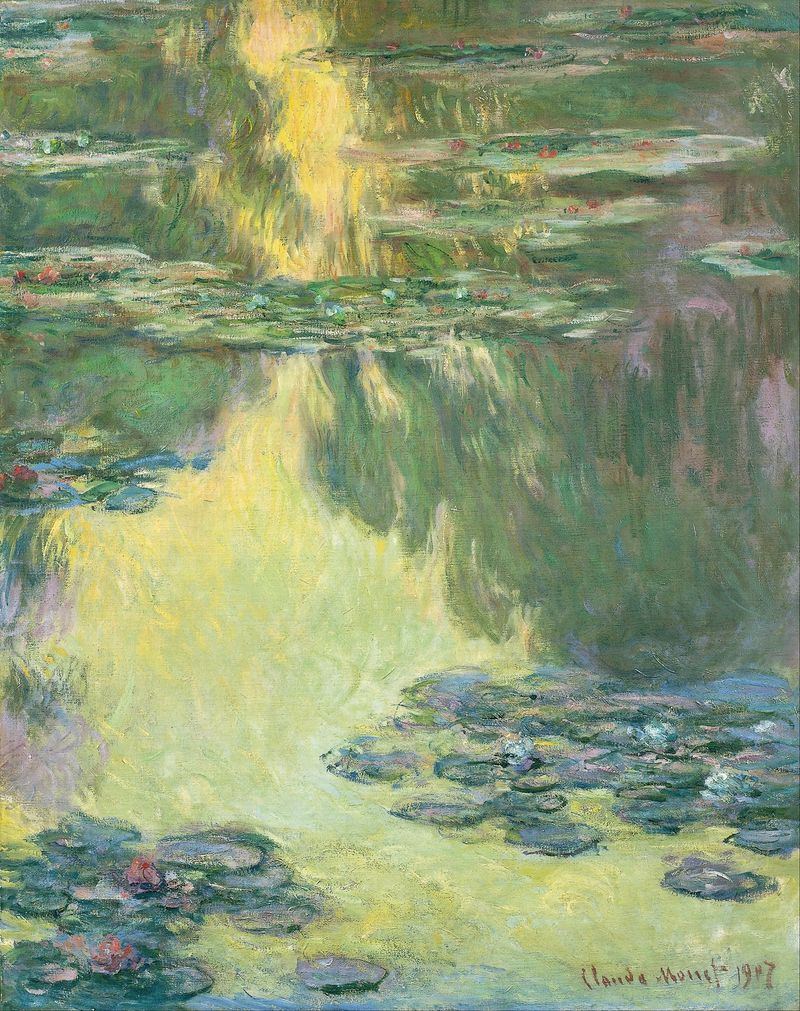
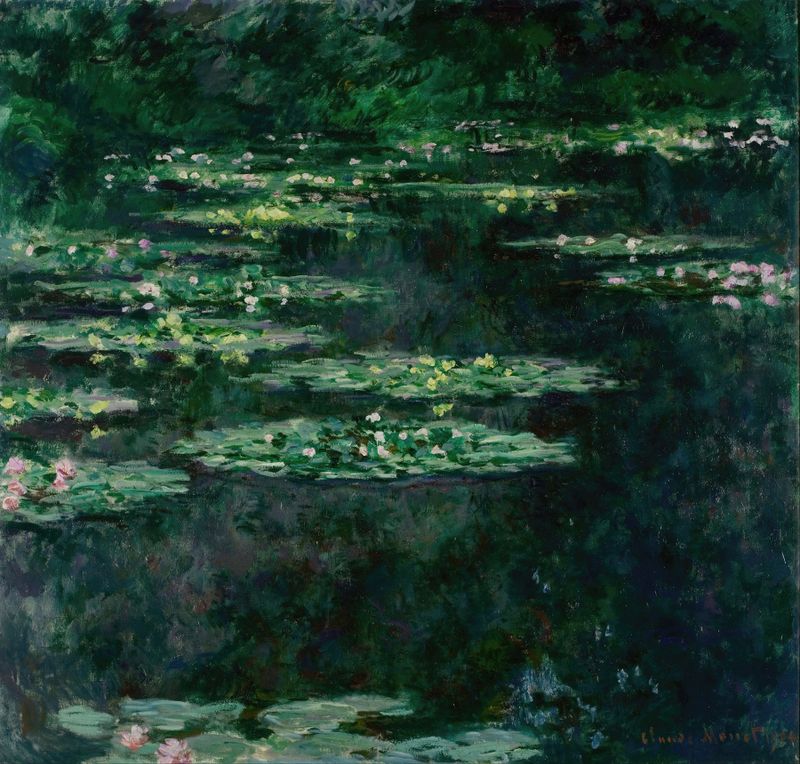
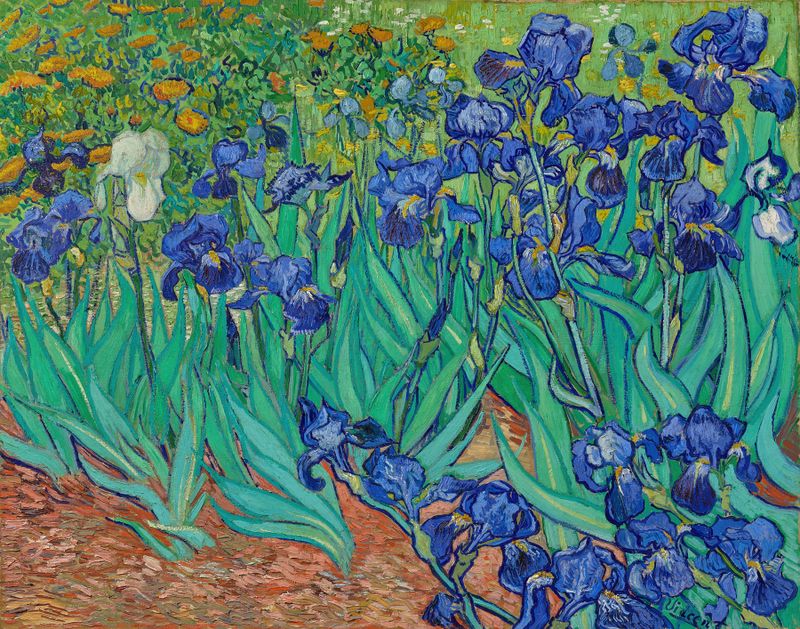
In Mrs. Freeman Flower, the stillness of the moment betrays a deeper longing that stretches beyond the confines of the canvas. Each petal and leaf speaks of a beauty that yearns to be touched, a fleeting connection captured in paint that transcends time. Begin your exploration by directing your gaze to the graceful arrangement of flowers, which occupy the focal point of the composition.
Notice how the vibrant hues of reds, pinks, and whites shimmer against the subtle greens of the leaves, creating a visual symphony that draws you in. The delicate brushwork allows the petals to appear almost lifelike, offering an invitation to appreciate their beauty. Pay particular attention to the soft interplay of light cascading upon the blooms, illuminating their textures and enhancing the sense of depth within the piece. Beneath the apparent beauty lies a contrast between fragility and permanence.
Each flower, while resplendent, carries with it the inevitability of decay, symbolizing the fleeting nature of beauty and the human experience. The arrangement suggests a moment captured in time, yet it is imbued with a sense of longing, as if the artist yearns for a connection that transcends the ephemeral nature of the blooms. This tension invites the viewer to reflect on their own experiences of beauty, loss, and the desire for permanence in an ever-changing world. In 1747, Joseph Highmore created this work during a vibrant period of artistic exploration in London.
He was immersed in the growing appreciation for still-life painting, which began to gain prominence in the English art scene. Highmore's meticulous attention to detail and the emotional resonance of his subjects reflected both personal and societal shifts of the time, emblematic of an artist at the crossroads of tradition and innovation.