
Frühling — History & Facts
Who listens when art speaks of silence? In Frühling, an ethereal hush envelops the canvas, inviting contemplation of both presence and absence within the realm of spring. Look to the center where verdant greens and soft pastels converge, suggesting a lush landscape on the brink of awakening. The delicate brushwork captures the gentle unfurling of flowers, while the muted light bathes the scene, creating an atmosphere that feels both intimate and expansive. Notice how the composition draws the eye toward the horizon, where the interplay of light and shadow evokes a sense of anticipation, as if nature itself holds its breath. Yet within this serene beauty lies an emotional tension.
The vibrant blossoms contrast with the subtle void around them, hinting at the fragility of life. This juxtaposition speaks to the fleeting nature of spring; the promise of renewal is shadowed by the inevitability of decline. The artists' choice to portray such a still moment encourages a deeper reflection on the cycles of existence and the silent stories that bloom just beneath the surface. In 1886, Theodor Von Hörmann painted Frühling during a period marked by a growing interest in Impressionism and the exploration of natural themes.
Living in Vienna, he was part of an artistic community that sought to capture the essence of their surroundings, while also grappling with the transformative changes of the era. This work represents not only a celebration of spring but also an introspection into the void from which beauty emerges.
More Artworks by Theodor Von Hörmann
Browse all →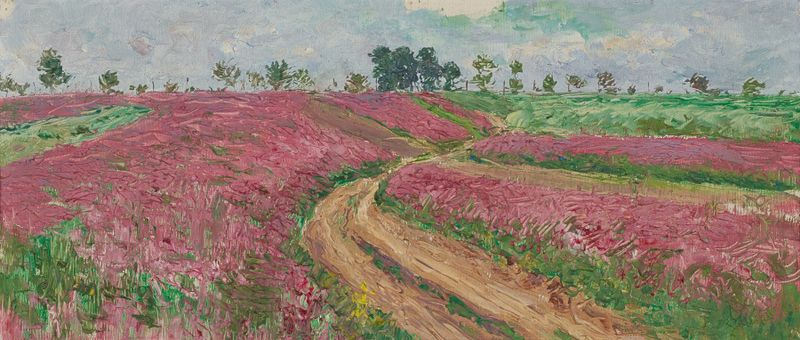
Esparsettenfeld Bei Znaim Ii
Theodor Von Hörmann

Blick Auf Paris
Theodor Von Hörmann

A Watering Place in Kis Bagh
Theodor Von Hörmann

Auf Der Ligethi Puszta
Theodor Von Hörmann
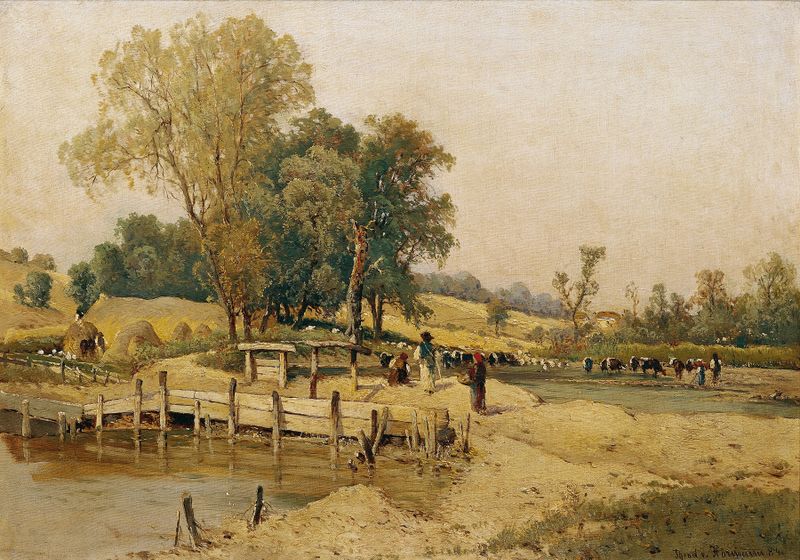
Ungarische Landschaft Mit Viehtränke
Theodor Von Hörmann
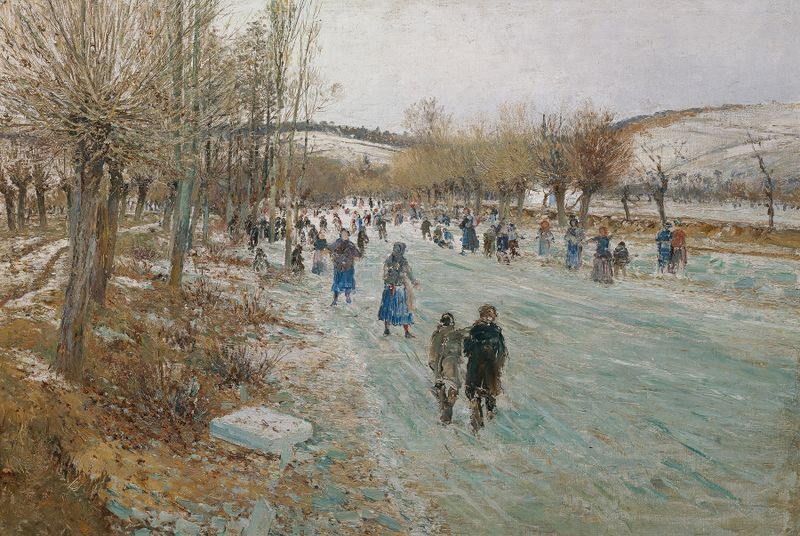
Eisläufer Auf Der Thaya Bei Lundenburg
Theodor Von Hörmann
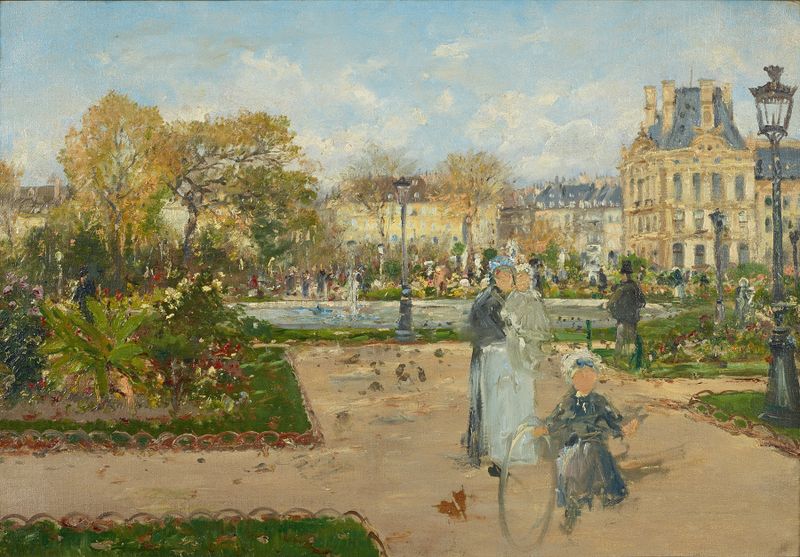
In Den Tuilerien
Theodor Von Hörmann

A Winter Day, Scene near St. Pölten
Theodor Von Hörmann

Znaim Im Schnee Ii
Theodor Von Hörmann
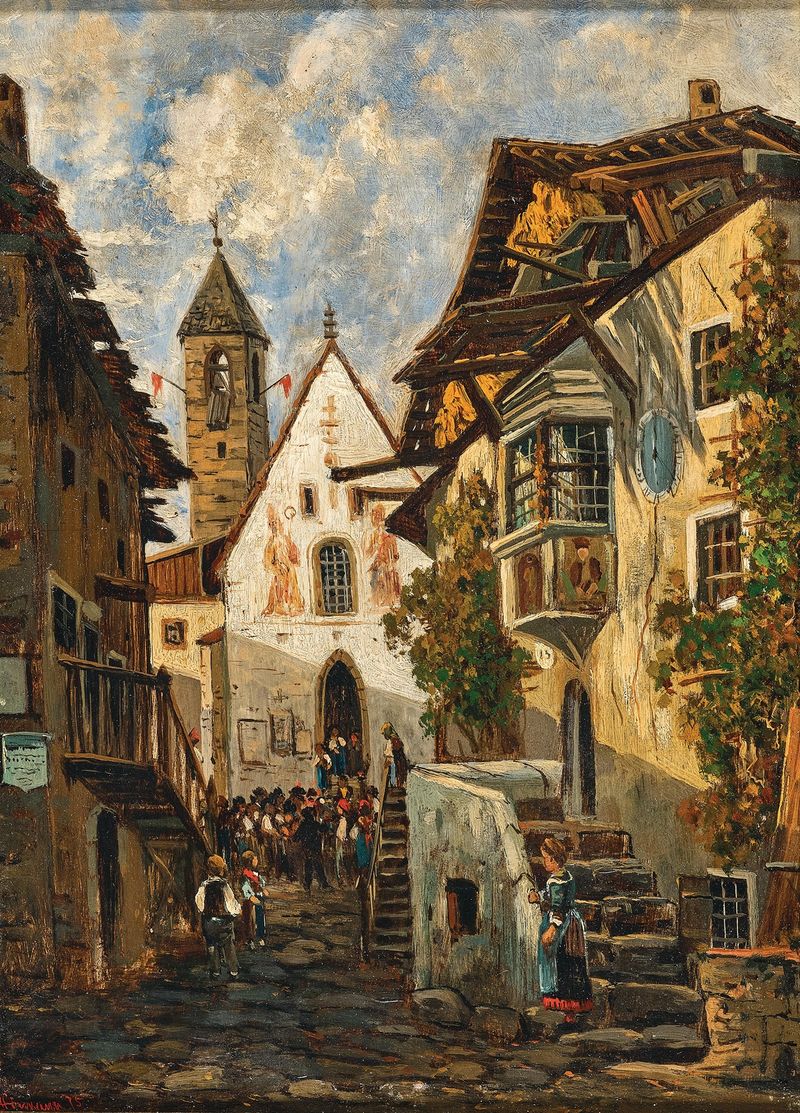
Dorfmotiv von Albeins bei Brixen, Tirol
Theodor Von Hörmann





