Fries met de triomf van de Liefde — History & Facts
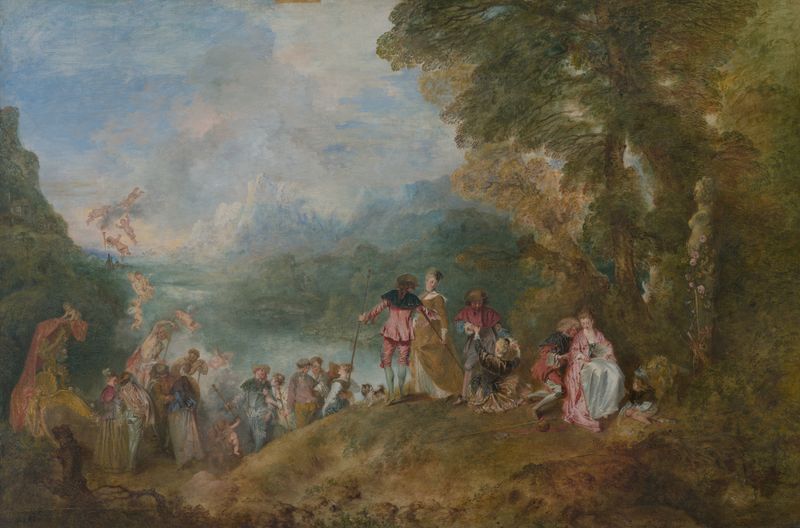
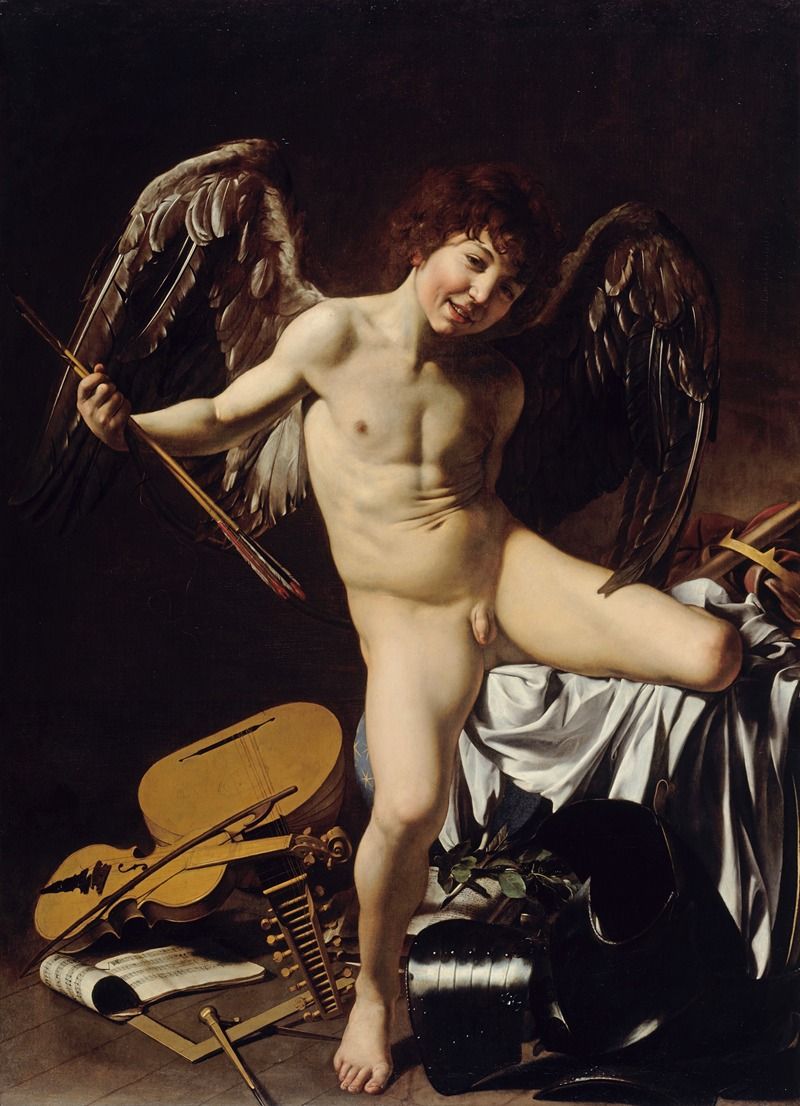
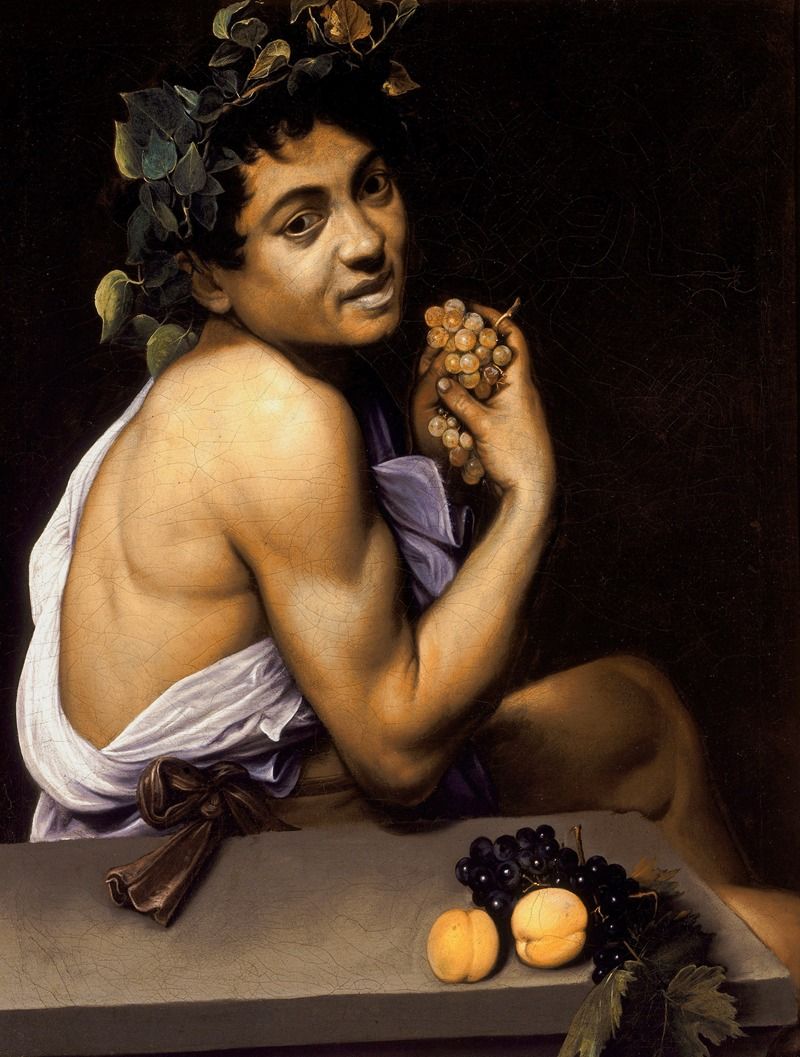
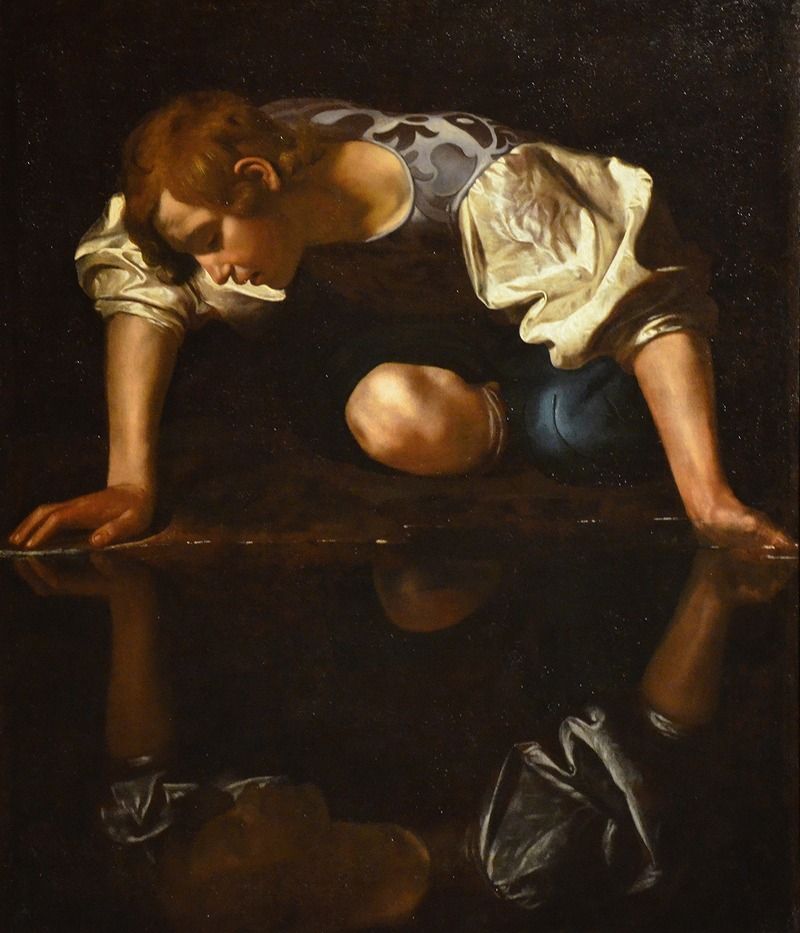
Could a single brushstroke hold eternity? In Fries met de triomf van de Liefde, each stroke is a testament to the ephemeral nature of ecstasy, capturing a moment that reverberates through time. To truly engage with the artwork, focus on the intricate details that frame the scene: the vibrant colors of the lush garlands and the gentle curve of the figures entwined in celebration. Notice how the light plays across the surface, accentuating the lavish textures of fabric and the softness of skin. The composition draws the eye towards a central figure, radiant in their joy, while the surrounding characters exude a warmth that envelops the viewer, inviting them into this realm of fervor. Beneath the surface, contrasts emerge — the joyous celebration juxtaposed with the fleeting nature of human connection.
The expressions speak volumes, revealing a tapestry of emotions that hint at both elation and vulnerability. Each face tells a story, intertwined yet distinct, suggesting that love, while triumphant, is also tinged with the bittersweet impermanence of life. The vibrant colors and dynamic poses further amplify this tension, a delicate dance between pleasure and the inevitability of loss. Created during the mid-sixteenth century, this work represents a period of rich artistic evolution in the Northern Renaissance.
The anonymous artist, known only as the Meester van de Dobbelsteen, flourished in a time when intricate narrative scenes and vivid symbolism captivated audiences. The tranquil yet celebratory nature of this piece reflects the societal shifts of the era, revealing an ever-deepening exploration of human emotion through art.