From Lysaker — History & Facts
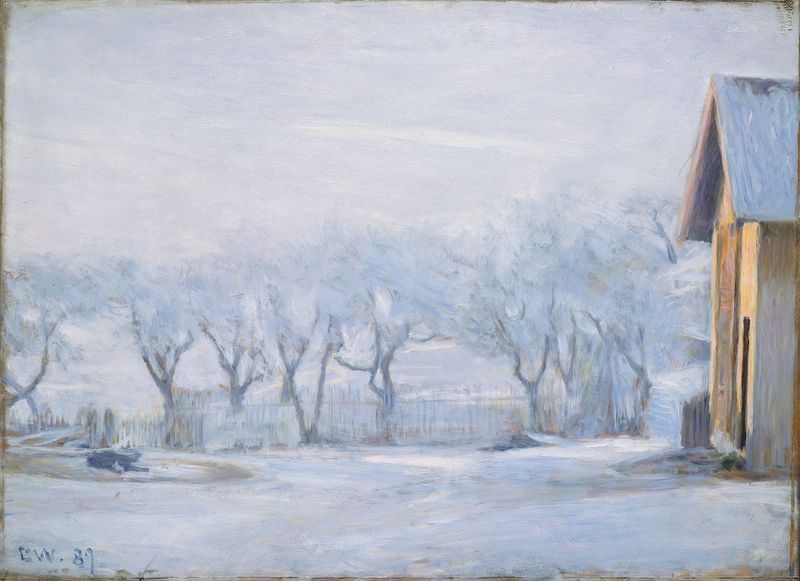
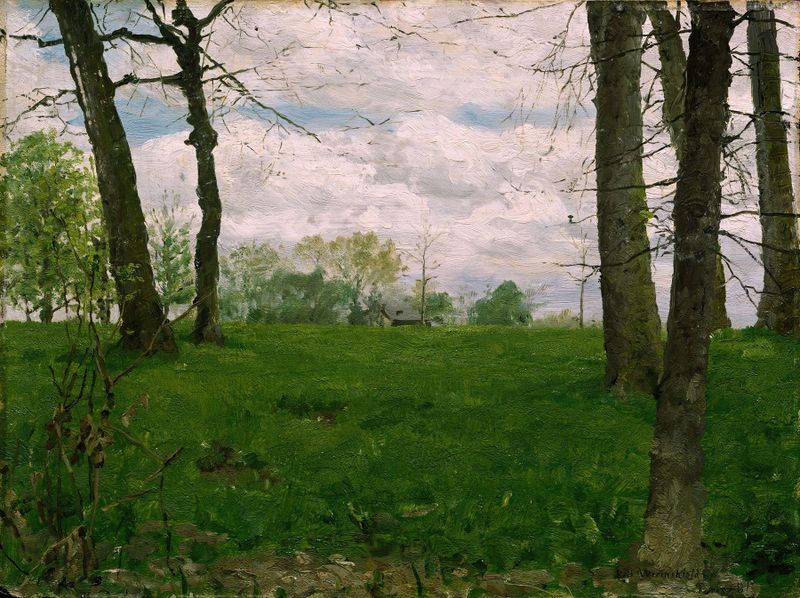
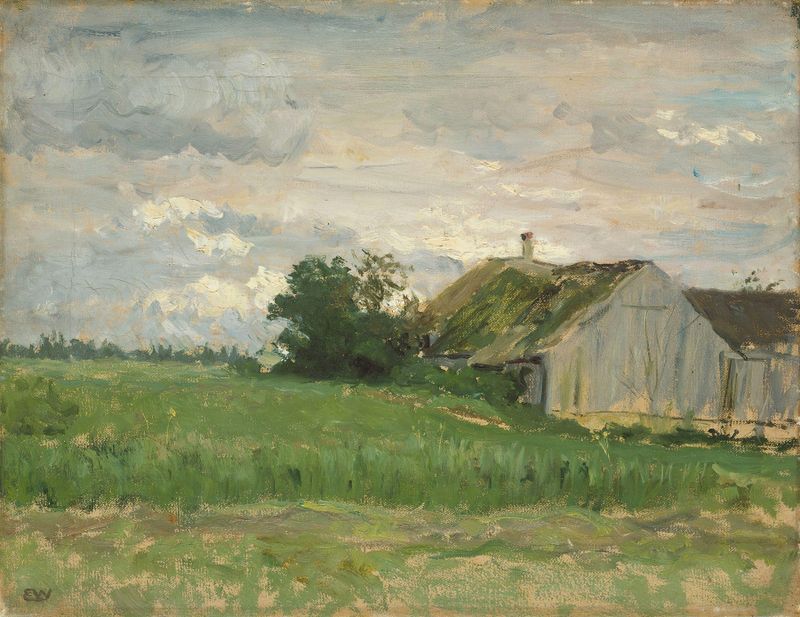
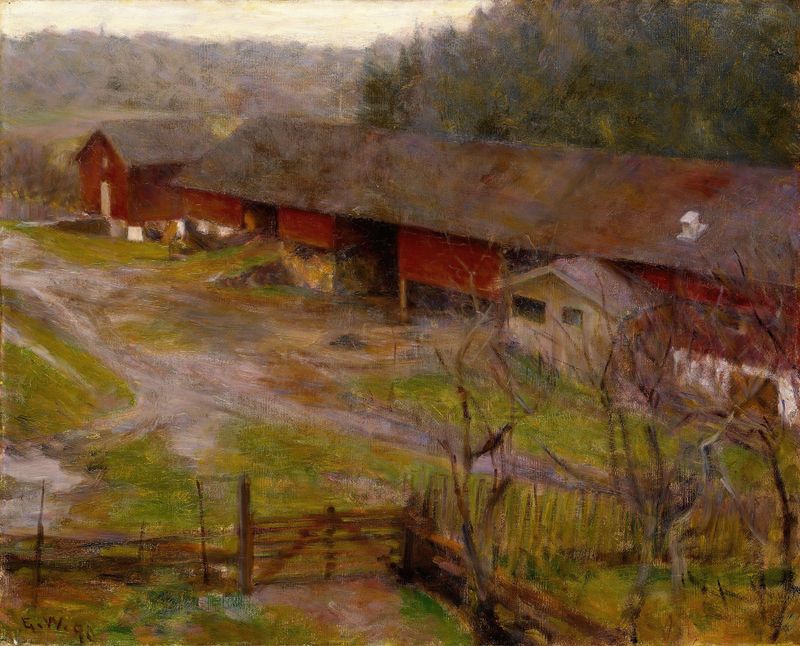
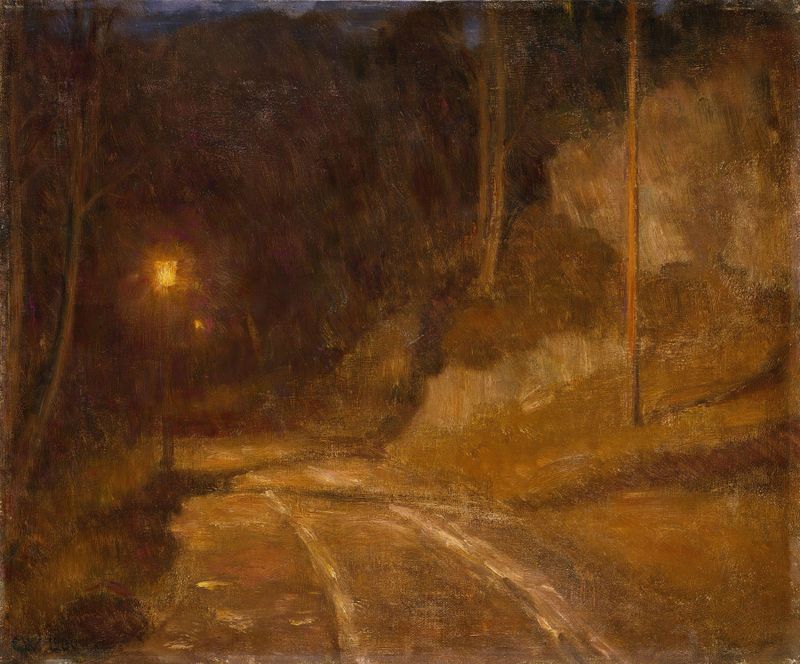
In a world often entangled in chaos, the brush becomes a refuge—a way to capture fleeting moments before they dissolve into obscurity. Look closely at the center of the canvas, where the gentle undulations of the landscape are interrupted by a tumultuous dance of shadow and light. The artist employs a muted palette, dominated by deep greens and blues, punctuated by the stark contrast of vibrant yellows and whites. The texture of the brushwork evokes a sense of movement, suggesting the wind stirring through the trees, while the composition allows the viewer’s gaze to wander, creating a feeling of both serenity and unrest. Amidst the tranquil beauty lies an underlying tension—chaos subtly woven into the fabric of the peaceful scene.
The shadows lurking beneath the foliage hint at untold stories, while the gnarled branches suggest the struggle for life amid nature’s merciless whims. This contrast between calmness and turmoil reflects the emotional complexities of existence, inviting contemplation of both the beauty and unpredictability of our surroundings. In 1909, the artist found himself deeply rooted in Norway's scenic landscapes, drawing inspiration from both the serenity and wildness of his homeland. It was a period of artistic evolution, as Werenskiold engaged with the Symbolist movement while also embracing a naturalistic approach.
His work during this time sought to explore the intricate relationships between humanity and nature, capturing the essence of a world in constant flux.