Lamp Light — History & Facts
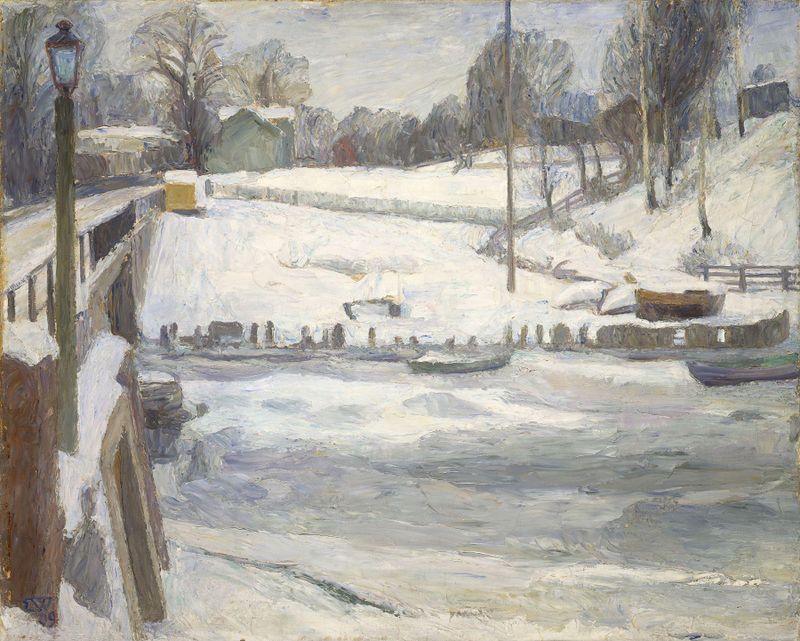
In a world where everything is transient, the fragility of existence is captured in a moment of stillness, inviting us to pause and reflect. Focus first on the warm glow emanating from the lamp at the center of the composition. Its light spills softly across the surrounding scene, illuminating delicate textures and shapes that suggest a quiet intimacy. Notice how the gentle shadows dance along the walls, revealing an interplay of light and darkness, each stroke of paint meticulously applied to evoke emotion and depth.
The warm palette, with soft browns and muted yellows, invites a sense of warmth and safety, yet hints at the transient nature of such comfort. As you delve deeper, consider the subtle tension between the light and the encroaching shadows, a metaphor for the fragility of life itself. The lamp becomes a beacon in the darkness—a solitary source of illumination amidst an otherwise obscure setting. The stillness within the scene captures a fleeting moment, where existence teeters on the edge of permanence and ephemerality.
This tension suggesting that even the warmest lights may be but temporary flickers against the relentless flow of time. In 1900, Werenskiold was creating this piece during a period of significant artistic transition, influenced by the rise of Modernism and the shifting landscapes of Norway. Living in Oslo, he was engaged with a community of artists exploring the depths of realism and impressionism. This creation reflects his inner contemplations, merging the external world’s beauty with an emotional resonance that speaks to fragility—a theme that resonates universally across time and space.