Green Fields — History & Facts
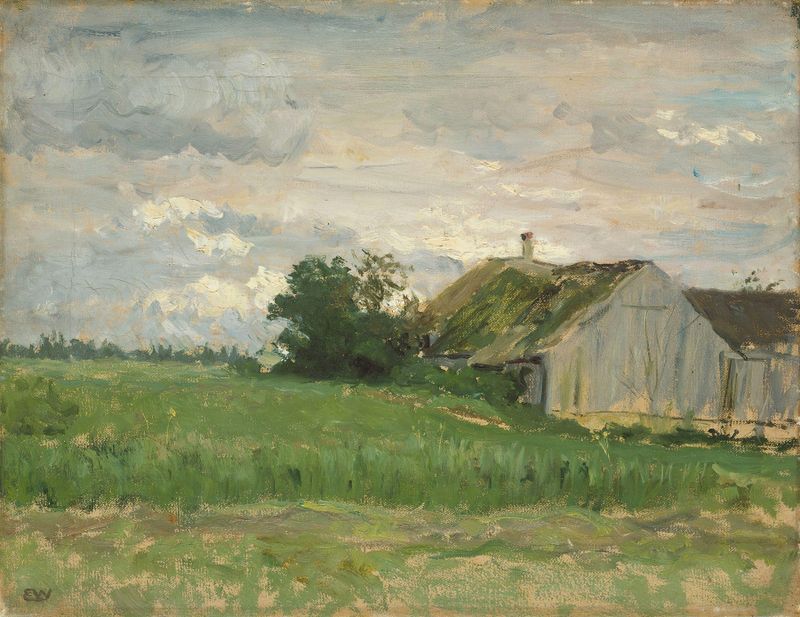
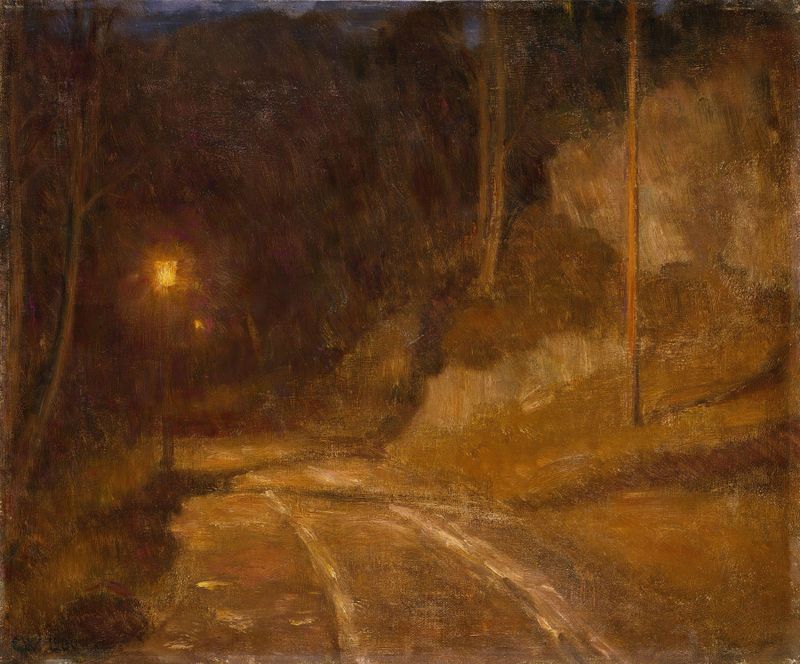
Did the painter know this moment would outlive them? In Green Fields, the essence of serene beauty and legacy intertwines, inviting contemplation on the fleeting nature of life and art. Look to the middle of the canvas, where the gentle curves of the fields unfurl like a soft sigh. The lush greens, vibrant and alive, are punctuated by dappled sunlight filtering through wispy clouds, creating a harmonious dance of light and shadow. The figures, small yet vivid, are engaged in everyday activities, their movements graceful and deliberate against the expansive landscape.
Notice how the artist employs a palette rich in natural hues, carefully layered to evoke depth and texture, drawing the viewer’s eye into the tranquil world he has meticulously crafted. The juxtaposition of the lively scene and the stillness of nature speaks volumes about the balance between human existence and the environment. The figures appear almost ephemeral, as if caught in a fleeting moment that resonates with universal themes of connection, labor, and the simplicity of rural life. The meticulous attention to detail in the flora serves a dual purpose: it not only showcases the beauty of the Finnish landscape but also represents the continuity of life amidst individual stories, hinting at the legacies we leave behind. In 1881, Werenskiold painted Green Fields during a time of personal and artistic exploration.
Living in Norway, he was deeply influenced by romanticism and a sense of national identity, which permeated his works. The late 19th century saw a burgeoning interest in landscape painting as artists sought to capture the beauty of their homeland, making this piece a reflection of both his personal journey and the broader artistic movements of his time.