White Frost — History & Facts
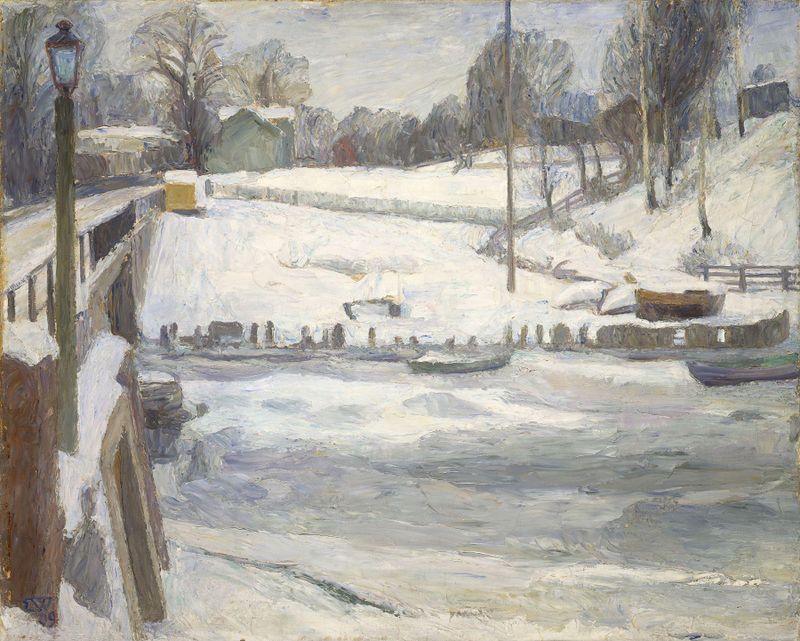
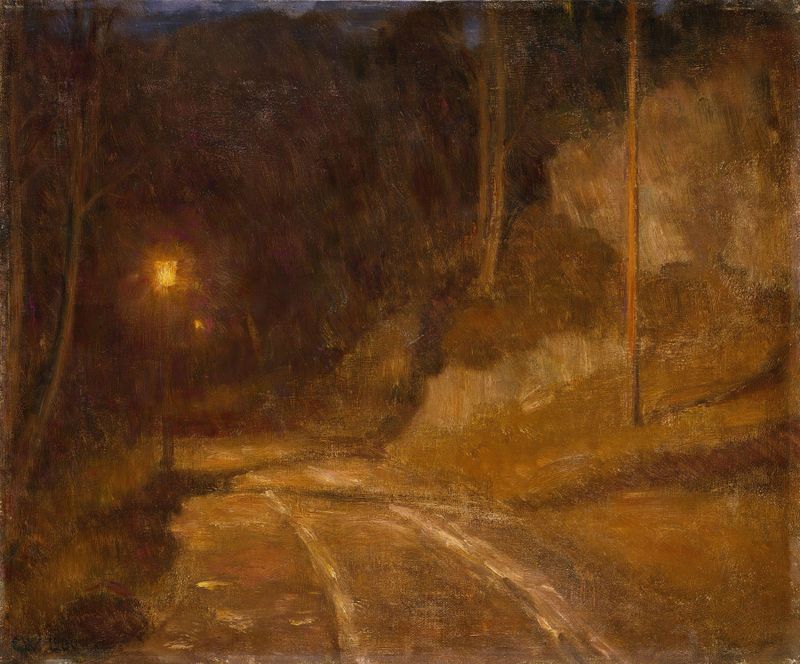
When did color learn to lie? The mesmerizing chill of White Frost whispers of a world caught between reality and illusion, where the frosted landscape invites both wonder and suspicion. In its icy embrace, nature holds secrets, challenging our perceptions and inviting contemplation. Look to the horizon, where crystalline trees stand tall against a gradient sky, shifting from pale blue to a soft, shadowy grey. Notice how the frost decorates each branch like delicate lace, capturing light in a way that almost defies the harshness of winter.
The painter’s deft brushstrokes create a shimmering texture, inviting the viewer to feel the bite of the cold. This meticulous attention to detail draws us into the scene, as the cool colors evoke a haunting beauty that oscillates between tranquility and unease. Yet, there lies a subtle tension beneath the surface. The stark white frost can be seen as a façade, concealing the harsh realities of winter and the challenges of existence.
The gleaming expanse may symbolize hope or despair, depending on one’s perspective. Werenskiold captures the duality of nature—a silent beauty that can both soothe and overwhelm, leaving us questioning the truth behind its serene appearance. Created in 1889, this work reflects the artist's exploration of the Norwegian landscape amid a growing interest in naturalism and realism within the art world. At a time when many artists were turning to impressionism, Werenskiold remained rooted in depicting the stark beauty of his homeland, revealing the tensions between tradition and innovation in his own life and the broader cultural canvas of the period.