
From Mleta to Gudauri — History & Facts
Did the painter know this moment would outlive them? In From Mleta to Gudauri, the haunting innocence of nature unfolds, inviting contemplation of time and memory amidst the ever-changing landscape. Look to the center of the canvas, where the dramatic interplay of light and shadow reveals a serene yet dynamic scene. The sun dips below distant mountains, casting a warm golden hue upon the undulating waves that dance in the foreground. Notice how the masterful brushstrokes blend soft pastels with vibrant blues, creating a tranquil harmony that embraces the viewer.
The meticulous attention to detail in the clouds and water reflects the artist's profound understanding of movement and emotion, wrapping the entire composition in a gentle, inviting embrace. Beneath the surface beauty lies a deeper narrative of transition and farewell. The tranquil seascape seems to capture a fleeting moment of innocence, as if time pauses to let the viewer breathe in the beauty before darkness inevitably falls. The contrast between the calm sea and the encroaching shadows of the mountains evokes a sense of longing, inviting introspection about the impermanence of life and the fragility of peace.
Each wave crest whispers secrets of the past while eagerly anticipating the future. In 1868, Aivazovsky painted this work during a pivotal period in his career, marked by a growing mastery of seascapes and atmospheric effects. He was flourishing in his role as a prominent artist in Russia, celebrated for his depictions of the sea. The world was witnessing rapid changes, from industrialization to artistic movements, yet Aivazovsky remained deeply connected to nature, capturing its beauty and fragility with every stroke of his brush.
More Artworks by Ivan Konstantinovich Aivazovsky
Browse all →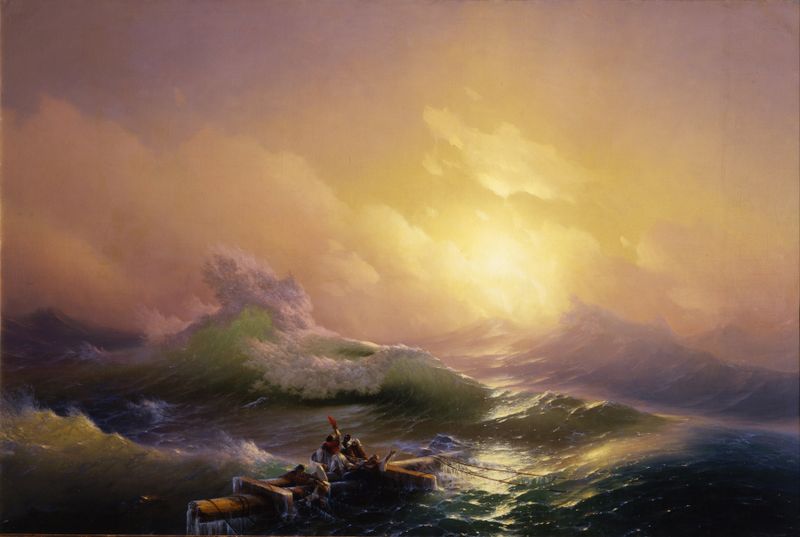
The Ninth Wave
Ivan Konstantinovich Aivazovsky
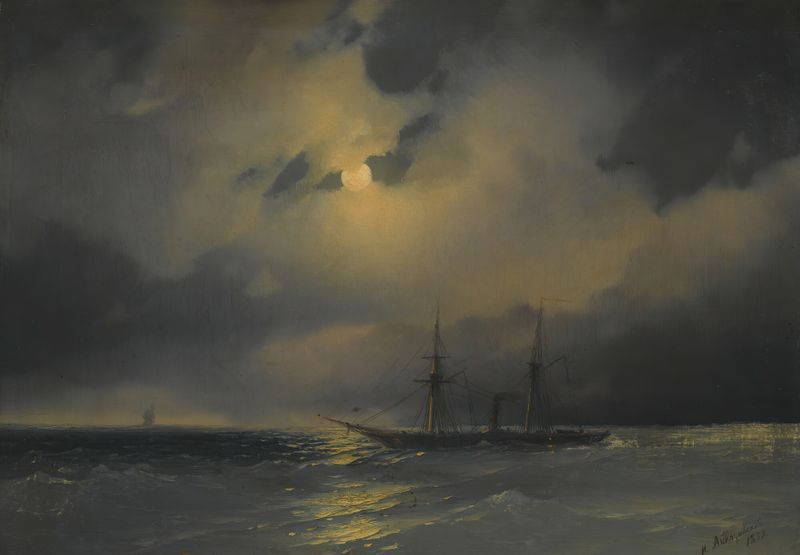
Shipping In Moonlight
Ivan Konstantinovich Aivazovsky
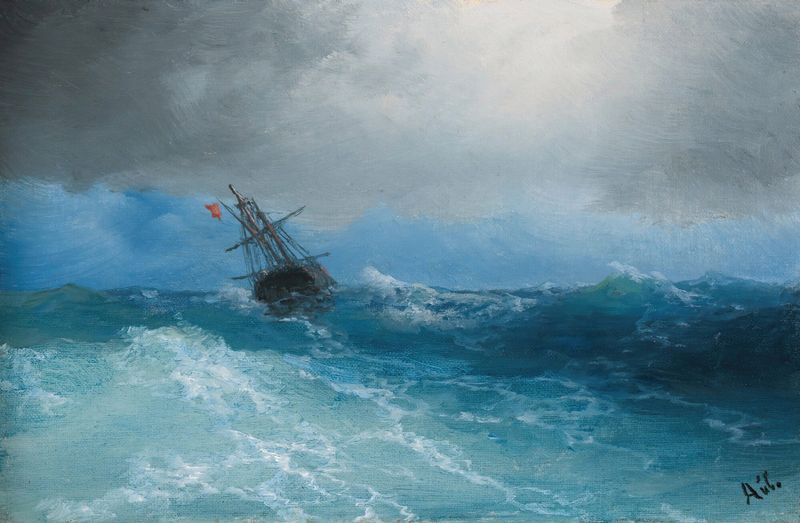
Gathering Storm
Ivan Konstantinovich Aivazovsky
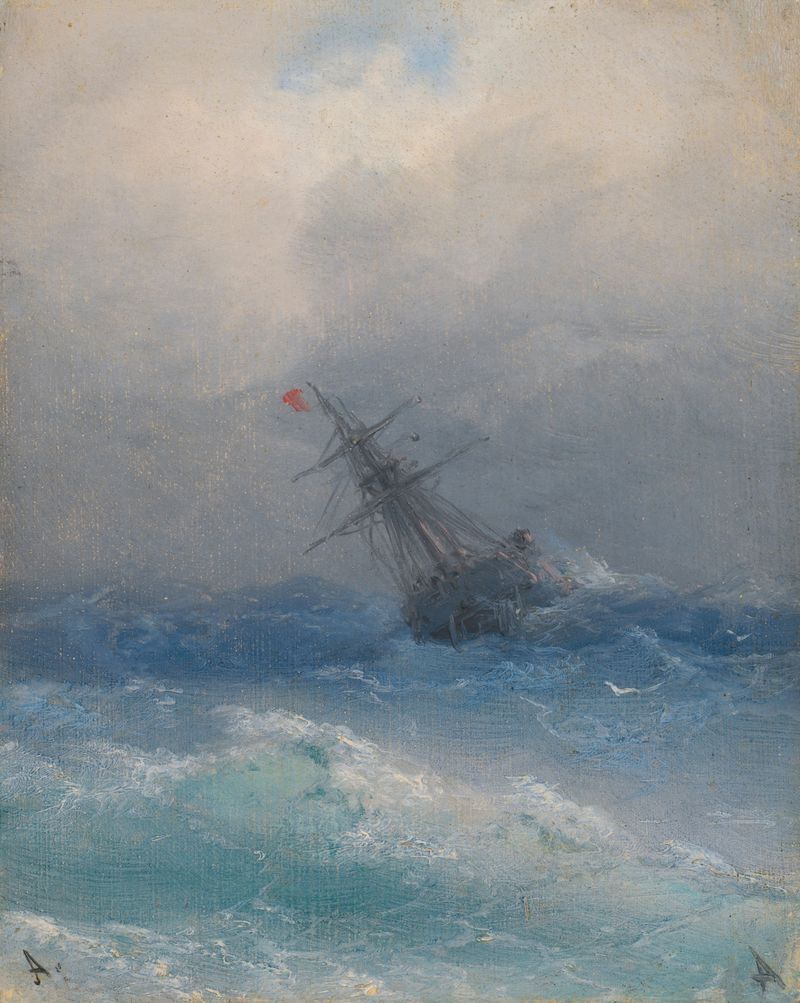
Shipwreck
Ivan Konstantinovich Aivazovsky
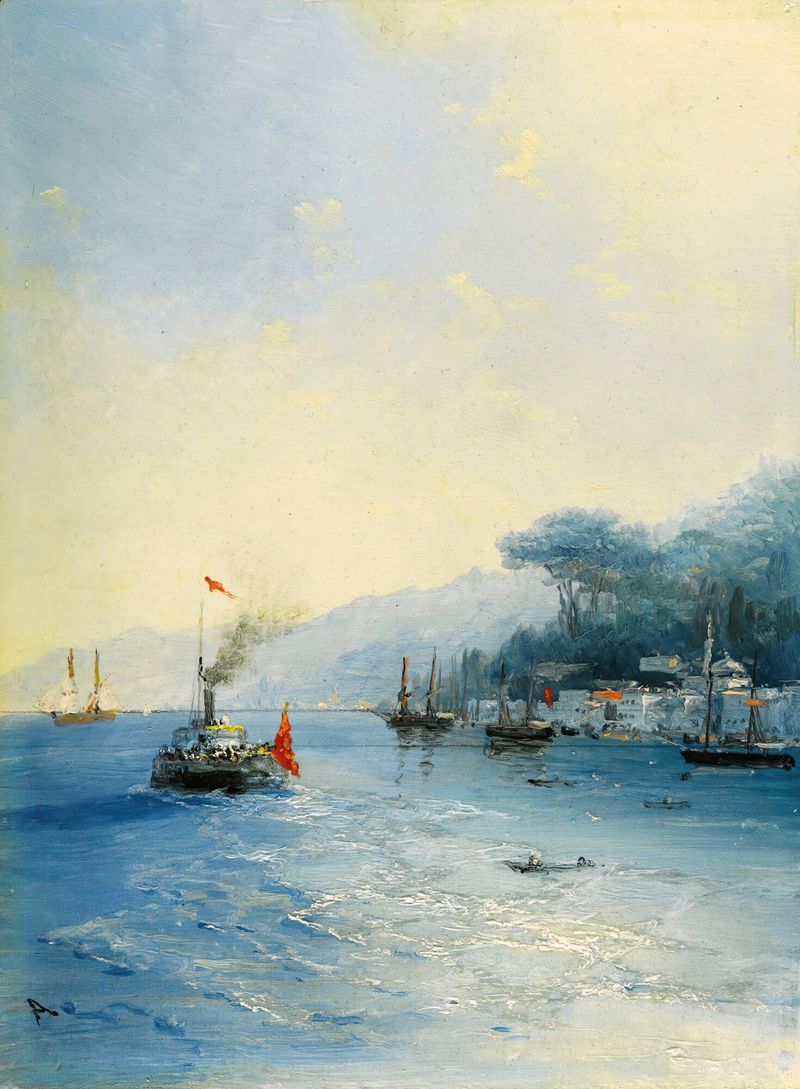
Shipping On The Bosphorus, Constantinople
Ivan Konstantinovich Aivazovsky
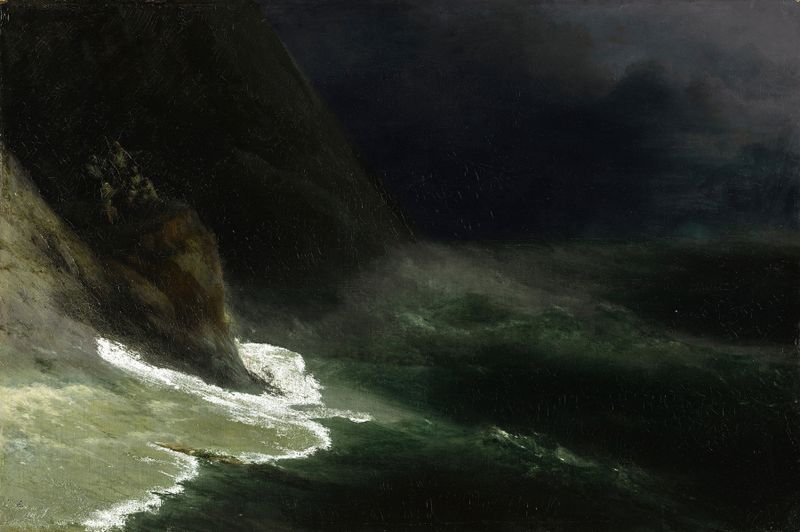
Seascape
Ivan Konstantinovich Aivazovsky
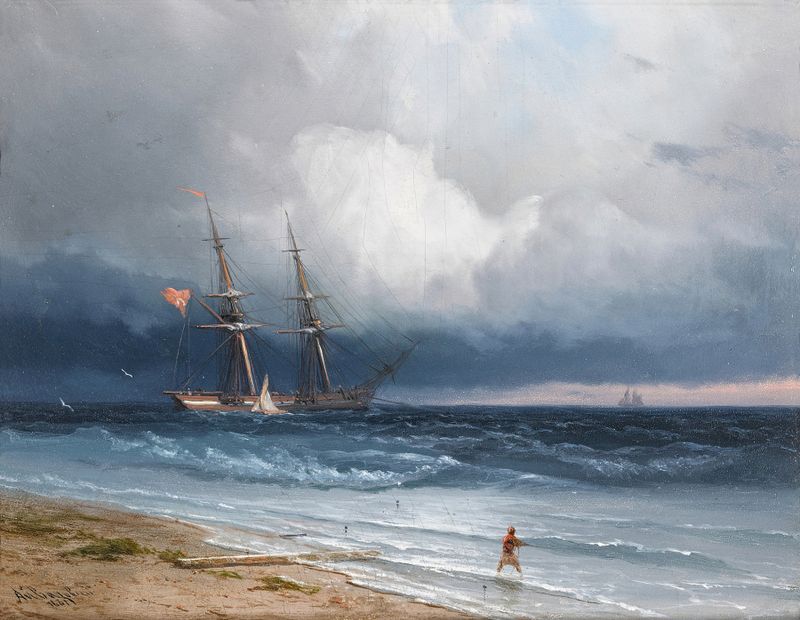
Ship by the Shore
Ivan Konstantinovich Aivazovsky
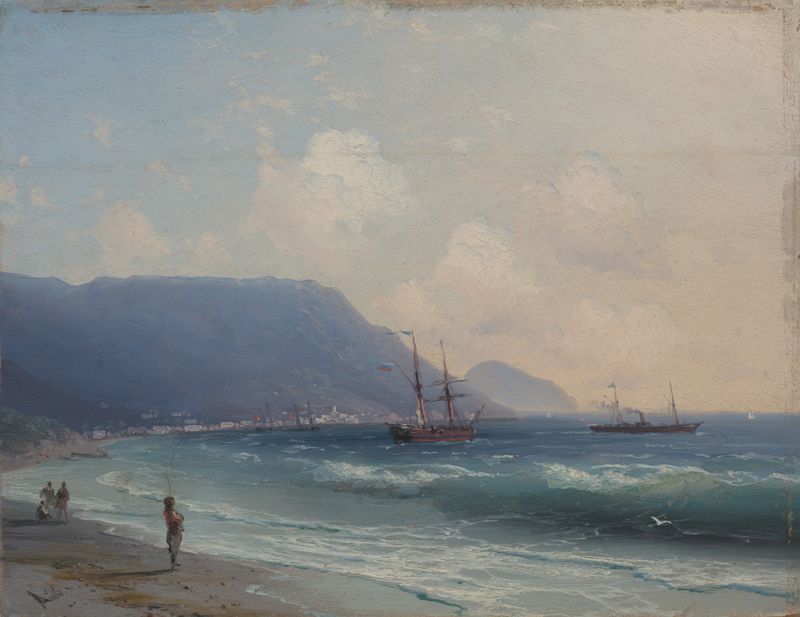
Seascape
Ivan Konstantinovich Aivazovsky
Moonlight
Ivan Konstantinovich Aivazovsky
Shipping Off Ischia
Ivan Konstantinovich Aivazovsky





